 Loading search...
News in Brief: Kenya, Suriname, Mallorca, Slovakia, Iceland, Spain, Scotland, France, Sweden, Romania & Bulgaria
February 2026
‘Wow, what a trip!’ writes tour leader Dickson Katana. ‘From start to finish, Kenya delivered unforgettable reptile and amphibian encounters. Although our visit coincided with an unusually early rainy season, wildlife sightings remained impressive. Early highlights included Side-striped Chameleon, Striped Skink, Blue-headed Tree Agama and the East African Highland Grass Lizard.
Kakamega Forest was as magical as ever. Each evening, the pond behind our lodge echoed with frog calls, including Marsabit Clawed Frog, Mackay's Tree Frog and Kivu Reed Frog. Walks revealed additional species such as Kisolo Toad and Senegal Running Frog. Reptile sightings were equally rewarding, with Large-eyed Green Tree Snake, Yellow Forest Snake, Green Bush Viper and Hairy Bush Viper among the standouts. We also found Montane Side-striped and Boulenger’s Pygmy Chameleons. The birdlife and mammals were just as memorable, with highlights including Crowned Eagle, Ross’s Turaco, High-casqued Hornbill, and both Red-tailed and Blue Monkeys. Our top sighting, however, was a striking adult Blanding’s Tree Snake basking high in the canopy.
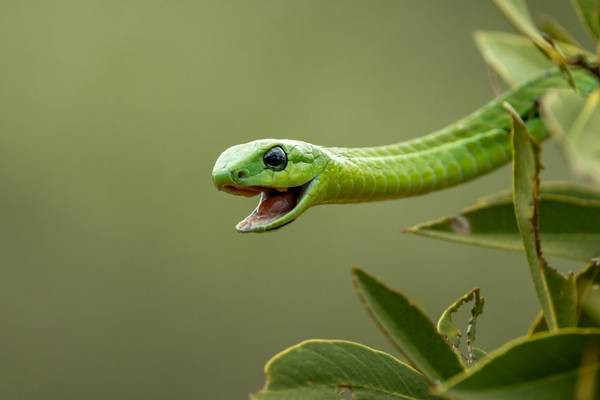
At Nakuru, High-casqued Chameleons were everywhere! In Tsavo, luck was on our side with sightings of two Black Mambas, together with Puff Adder, Boomslang, Speckled Green Snake, Link-marked Sand Snake, Neumann’s Marsh Terrapin and Kenya Rock Agama. Amphibians such as Somali Running Frog, Southern Foam-nest Frog and Water-lily Reed Frog added further excitement.
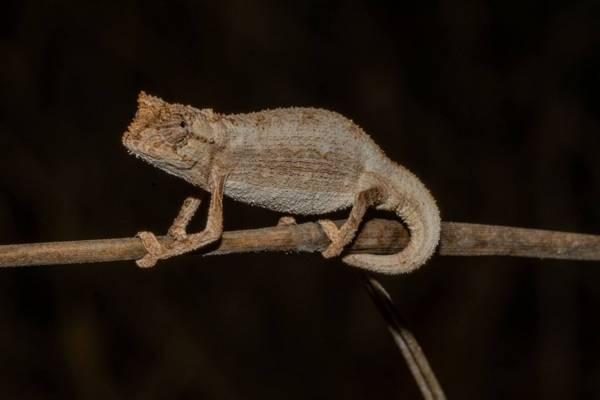
Our final stop was Arabuko Sokoke Forest and Watamu on Kenya’s coast. Highlights included Golden-rumped Elephant-shrew, Flap-necked Chameleon, Plated Lizard, Cape Wolf Snake, Boomslang and the ever-special Kenya Pygmy Chameleon.
A truly unforgettable safari, filled with remarkable sightings, vibrant wildlife and great company throughout.’
View tour
March 2026
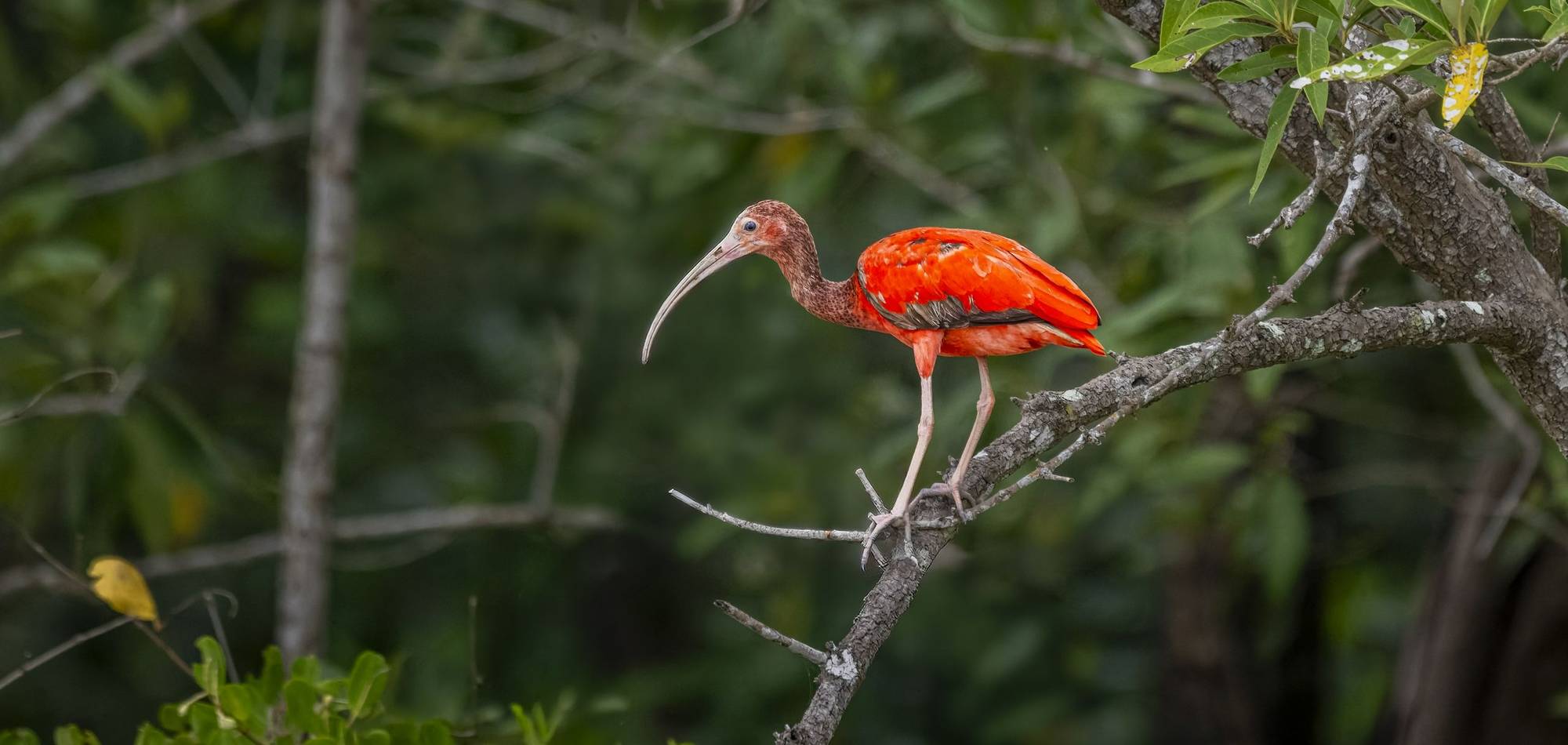
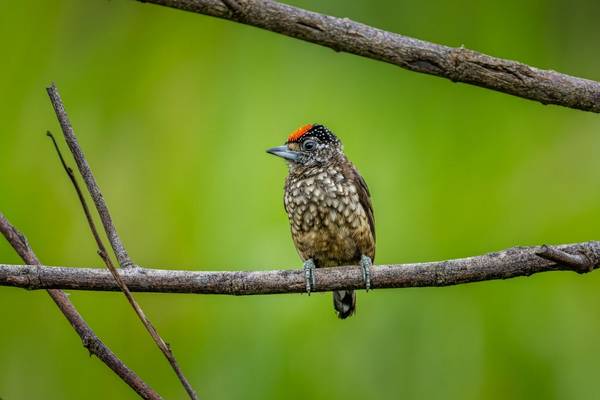
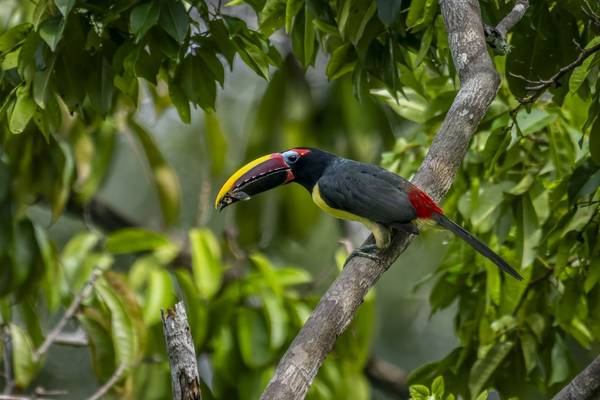
‘From the moment we descended over an unbroken carpet of rainforest into Paramaribo, it was clear Suriname would be something special’ reflects tour leader Dan Lay. ‘Highlights came thick and fast – from a Southern Tamandua asleep in the hotel garden to Guiana Dolphins surfacing along the Commewijne River and the extraordinary spectacle at Bigi Pan, where Scarlet Ibises streamed in at dusk as American Flamingoes fed serenely in the shallows. A dawn boat journey along the Maratakka River revealed an unforgettable tapestry of wildlife, with sloths, trogons, toucans and macaws all encountered in abundance.
Deeper into the interior, the remote wilderness of Kabalebo proved exceptional. Days here unfolded at a gentle pace, with tapirs, capybara and Golden-handed Tamarin seen from boat trips, while overhead macaws and parrots were ever-present. Night walks brought a different assemblage, including potoos, owls, armadillos and an array of remarkable reptiles, amphibians, and invertebrates. The Fredberg extension was a particular highlight, with unforgettable sightings of Guianan Cock-of-the-rock, Hoogmoed’s Harlequin Frog, Crimson Topaz, and a South American Bushmaster – the world’s longest viper.
In a world where many wildlife destinations feel increasingly familiar, here there is still a genuine spirit of exploration – a place where nature dominates and each bend in the river or turn of a forest trail can reveal something remarkable.’
April 2026
‘The inaugural Mallorca vegetarian and vegan tour succeeded in every respect: a boutique hotel tucked away from the main tourist trail with sumptuous and varied cuisine, and stunning scenery stretching from mountain to coast, alive with birds, butterflies and an extraordinary variety of wildlife’ writes tour leader Dave Jackson. ‘Each morning, we enjoyed a relaxed alfresco breakfast, which prepared us for the day.
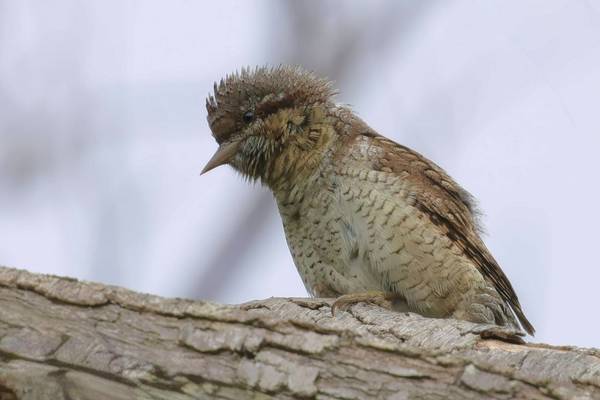
We visited the best sites on the island including S’Albufera Marsh, Cúber Reservoir and Parc Natural de Son Real, where many long-desired species were seen well, including Scopoli’s Shearwater, Little Bittern, Wryneck, Mediterranean Flycatcher and Moltoni’s Warbler. Tawny Pipits and Thekla’s Larks were seen at a few sites and the Balearic race of Common Crossbill gave the group prolonged and best-ever sightings of this potential split.
Charismatic Audouin’s Gulls won over critics with their red eye-ring, tricoloured bill and calm expression as they joined us on the beach at Son Real, where Hermann’s Tortoise and Turtle Doves were encountered along with Woodchat Shrike, Pyramidal Orchid and Broad Scarlet dragonfly. A Hoopoe gave stunning views of its striking plumage as it made flights across the bay to feed on an island just offshore.
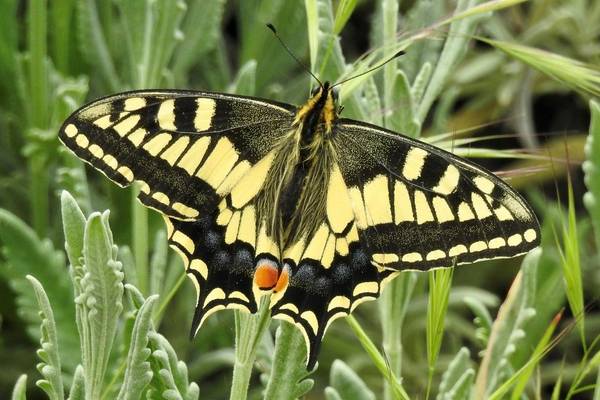
Among the numerous Painted Lady, Swallowtail, and Cleopatra butterflies we encountered, we were particularly fortunate to witness an owlfly (Libelloides ictericus) clinging to a grass stem as it embarked on its life cycle as a remarkable insect.’
May 2026
‘Beginning in the north of Slovakia, this year’s spring birding tour had some wet and cool weather to contend with, but despite this we still enjoyed an excellent range of species,’ writes tour leader Alison Steel. ‘After flying into Krakow, we crossed into Slovakia and began in glorious sunshine, with highlights including Lesser Spotted Eagle, Skylark, Yellowhammer, Kestrel and a female Marsh Harrier.
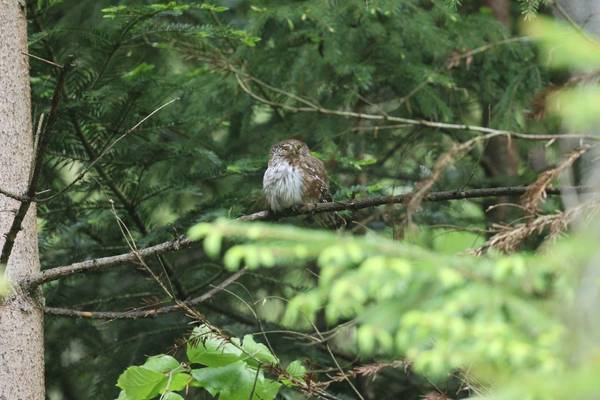
We spent two days around the Orava Reservoir, Slovakia’s largest body of water. In the surrounding hills we searched for woodpeckers, owls and warblers, enjoying great views of a singing Firecrest and an obliging Pygmy Owl. A damp pre-breakfast walk produced Grasshopper Warbler, Stonechat and Whinchat, while in the nearby village we found Black Redstart, Linnet, Dipper, Grey Wagtail and Lesser Whitethroat. Around the reservoir we added Reed Bunting, Cuckoo, Rose Finch, Tree Pipit, White-tailed Eagle, Little Gull, Hobby and Icterine Warbler, alongside views of Orava Castle.
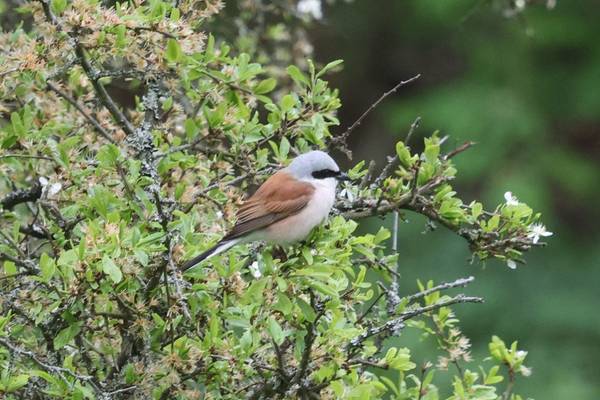
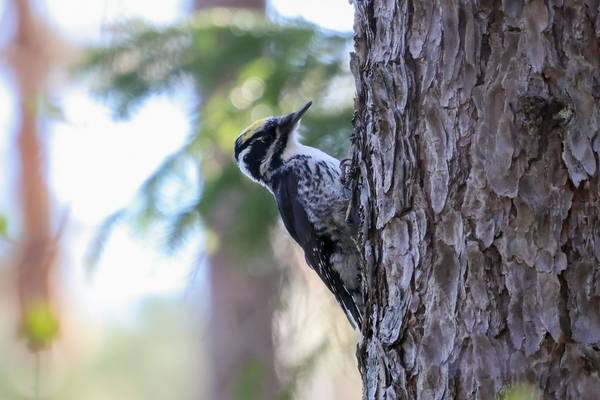
Moving south to the Liptov area, mountain meadows held Three-toed Woodpecker, Spotted Nutcracker and Barred Warbler, while longer sightings included Black Woodpecker, Golden Eagle, Red-backed Shrike, Bullfinch and Wood Warbler. Ring Ouzel was seen feeding in flower-rich meadows, and a waterfall hosted a Dipper with a fledgling. Reptiles such as Dice Snake, Grass Snake and Balkan Wall Lizard were also noted. Around the reservoir we saw Lesser and Great Spotted Woodpeckers at nest sites, with gulls and terns feeding overhead, and watched Sousliks near Spis Castle.
Near the Hungarian border we focused on lowland species, including Syrian and Middle Spotted Woodpeckers, Collared Flycatcher and Wood Lark. An Eagle Owl family was a highlight, along with White Storks, European Roller, Bee-eaters and Red-footed Falcons. Reedbeds held Great Reed Warbler and Penduline Tit, while an Eastern Imperial Eagle nest provided memorable views. Our final day at fishponds produced cranes, Ferruginous Duck, Red-necked Grebe and Bearded Tit before departing Budapest, with Crested Lark, Honey Buzzard and Eastern Imperial Eagle rounding off the trip.’
May 2026
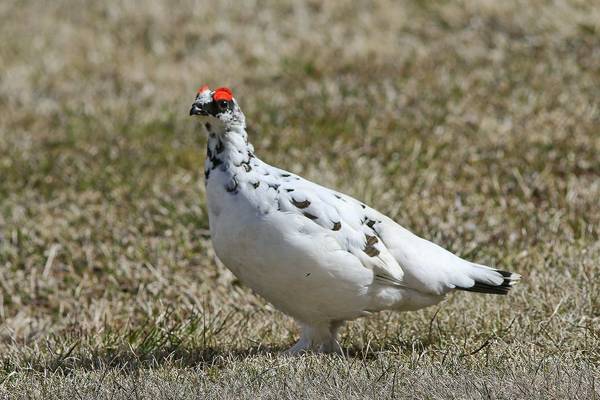
'The very first “Go Slow in Iceland” tour took place in May this year and we spent our time based at a hotel on the shores of Lake Mývatn in the central north of Iceland’ writes tour leader Neil McMahon. ‘The weather can be unpredictable and often cool and wet at times in Iceland but we were blessed with warm, sunny conditions, particularly at the start of the tour. Ideally positioned, we explored waterfalls, lava fields, geotherm active areas and other natural features of this dramatic and beautiful landscape, all the time on the lookout for the wildlife inhabiting the sometimes stark terrain. The mild winter was perhaps the reason why there were so many Ptarmigan on show, with white males perched up on outcrops, lava and sometimes buildings as they surveyed their territories and song-flighted regularly.
Evocative and mournful calls of Great Northern and Red-throated Divers were a daily occurrence as Harlequin Ducks, Barrow's Goldeneyes, Slavonian Grebes and Red-necked Phalaropes queued up to provide us with point-blank views, all in stunning plumage. Bugling Long-tailed Ducks in a variety of plumages threatened to steal the show during our early morning photo sessions as they splashed in and out of pools alongside Greater Scaup, Red-breasted Mergansers and other ducks.
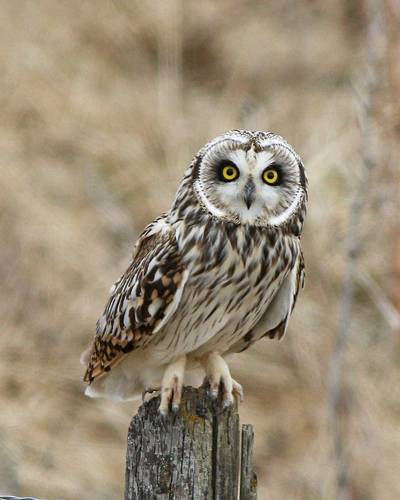
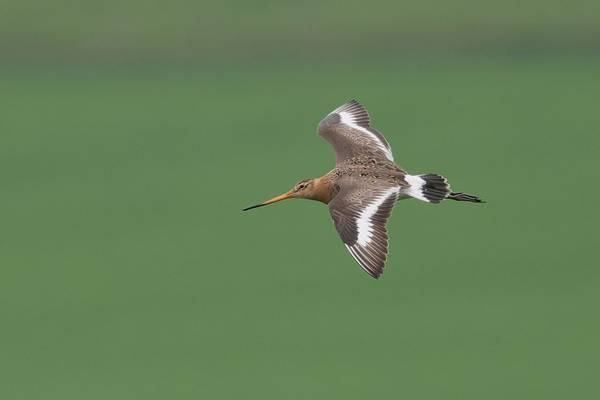
A whale-watching experience out of Húsavík provided us with close views of several feeding Humpback Whales, Puffins and other seabirds and other highlights using our minibus as a hide included sightings of Short-eared Owls, flocks of vocal Pink-footed Geese and fabulous views of Golden Plovers, Common Snipe and Black-tailed Godwits.
Our hotel served up a sumptuous buffet breakfast and a variety of very tasty evening dinners to help make our wildlife-watching break in an amazing landscape very enjoyable indeed.'
May 2026
‘The province of Málaga offers a breathtakingly diverse tapestry of habitats, where vibrant, progressive coastal cities melt into rugged limestone peaks and pristine wetlands’ writes tour leader Niki Williamson. ‘This week, our group immersed themselves in the very best of Andalucía’s natural and cultural heritage.
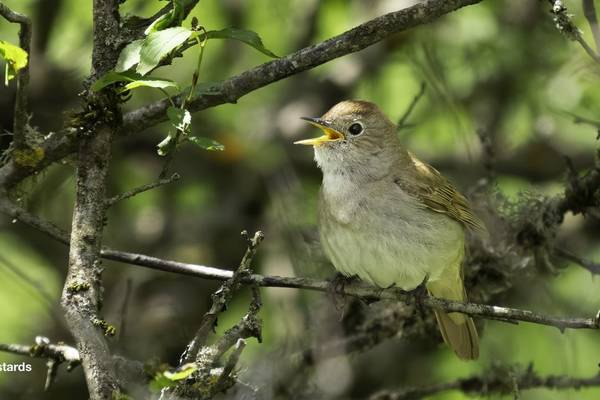
From the screaming swift choruses above our historic city-centre hotel to the stunning pink haze of a 10,000-strong Greater Flamingo nesting colony at Fuente de Piedra, the wildlife spectacles were relentless. We watched displaying Little Bustards, tracked majestic Spanish Ibex across the karst formations of El Torcal, and enjoyed eye-popping views of rare White-headed and Marbled Ducks.
Combined with world-class local gastronomy—ranging from traditional beachfront chiringuitos to private celebrity dining rooms and a spectacular 12-course tasting menu—this was an unforgettable celebration of Andalucían wildlife, landscape and culture.’
May 2026
‘Though the weather on Orkney can be mixed at any time of the year, we generally had an excellent week with lots of sunshine, only one breezy day and no rain to speak of!’ writes tour leader Mick Durham.
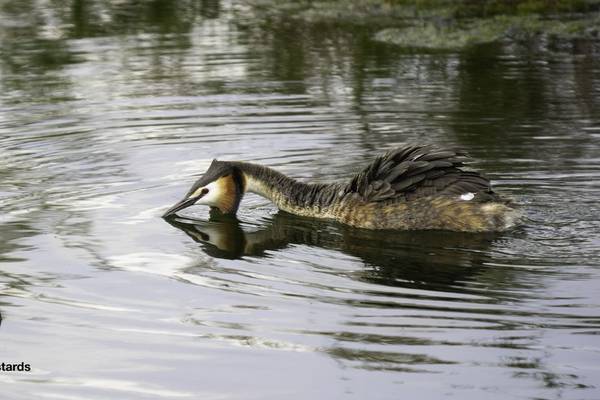
‘A day in the south of Mainland gave us a stunning roadside view of a Short-eared Owl as it flew alongside the minibus for several hundred metres, lovely views of Little Terns and a Great Northern Diver resplendent in its summer plumage.
Our day on Westray couldn’t have been bettered: a calm crossing followed by warm sunshine and little wind. This meant we could really enjoy the high cliffs of Noup Head with its bustling seabird colony: Gannets and Fulmars riding the updraughts, Guillemots and Razorbills lining the ledges and even a few Puffins to enjoy. Grobus Beach looked like the Caribbean and the last soporific hour at Castle O’Burrian was a fitting way to end the day.
We enjoyed visits to the main Neolithic sites of Maeshowe, Ring of Brodgar and Skara Brae. Neatly avoiding the coach parties, we found the uncommon Oysterplant and the rare Scottish Primrose – a few of which were still in flower which was a bonus.
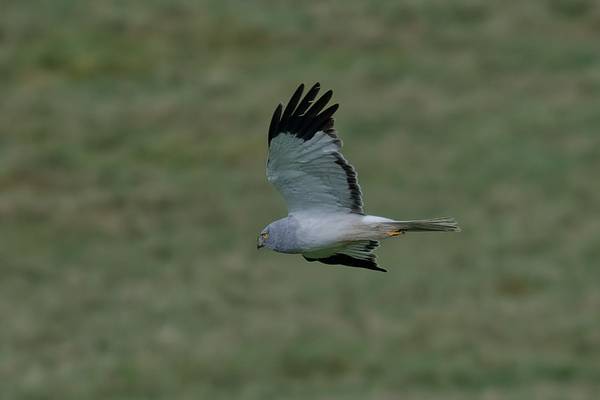
The Italian Chapel, the Kitchener Monument, a walk around the Brough of Birsay, Yesnaby cliffs, three RSPB hides overlooking freshwater, harrier moorland and an upland lochan with breeding Red-throated Divers completed what was a packed full itinerary.'
May 2026
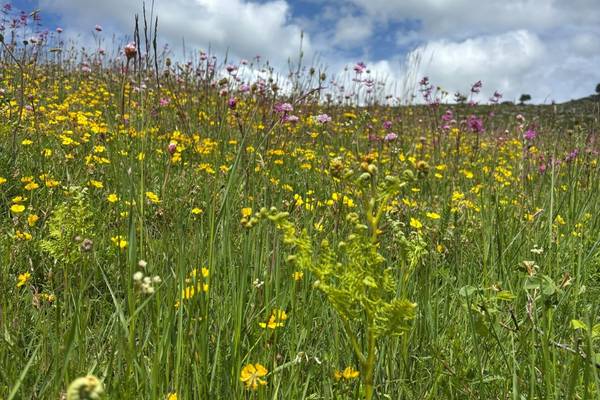
‘The Cévennes in May is filled with the scent and colour of broom’ writes tour leader Pip O’Brien. ‘Every hillside is coloured gold and echoes with the sound of cuckoos. The thin limestone soil on the plateaux is the perfect habitat for orchids. This year seemed to be the year of the Military Orchid, with battalions of them marching across meadows and along the sides of roads. We found 23 different species of orchid, plus a rare pure white Military Orchid and lots of hybrids which we could not place.
But this was not just an orchid trip; other wild flowers were in profusion, and butterflies emerged as the weather warmed up over the week, while Swifts also appeared in the sky. Crag Martins could be seen collecting mud in the car park next to the hotel for nests in an adjacent building. We saw Dippers and Grey Wagtails by the River Tarn and Griffon Vultures soared overhead as we negotiated hairpin bends on the escarpments.’
May 2026
‘Over four unforgettable spring days, our journey through the forests, wetlands, and wildflower-rich landscapes of central Sweden delivered exceptional wildlife encounters at every turn’ writes tour leader Nathan Long. ‘From bugling cranes, fighting Ruff, and displaying Montagu's Harriers, to close encounters with a Pygmy Owl, nest-ringing Ural Owl chicks, and a confiding Three-toed Woodpecker, the trip was packed with memorable moments. We enjoyed Black and Lesser Spotted Woodpeckers, watched lekking Black Grouse, while breeding Black-throated Divers and Thrush Nightingale were other highlights. Butterfly-wise Camberwell Beauty was a firm favourite along with Green Hairstreak.
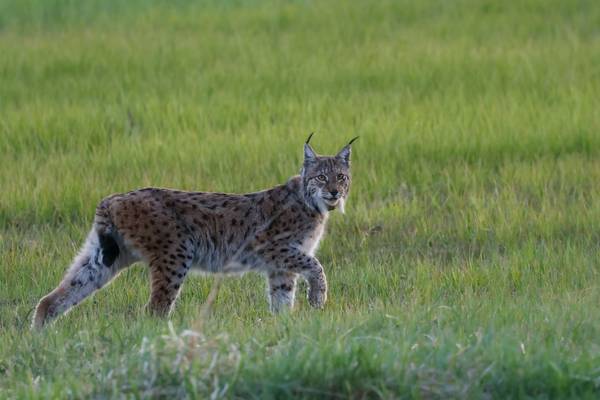
Yet the moment that will live longest in our memories came on our third evening. As we wound our way through the rolling Swedish countryside in search of Eurasian Eagle-Owl, we crested a small hill and a shape in the long grass stopped us in our tracks. Brakes slammed, binoculars were raised, and there, staring straight back at us from the grass, was one of Europe’s most elusive mammals – a Eurasian Lynx! For over half an hour, we watched in stunned silence as this magnificent cat rested in the golden evening light before eventually rising to reveal a freshly killed Roe Deer hidden in the grass beside it. Spellbound, we looked on as it began to feed, before finally slipping silently back into the forest. A breathtaking, deeply intimate wildlife moment – one none of us will ever forget.’
May 2026
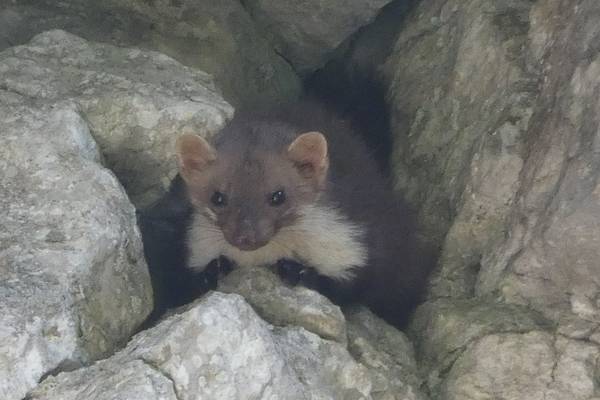
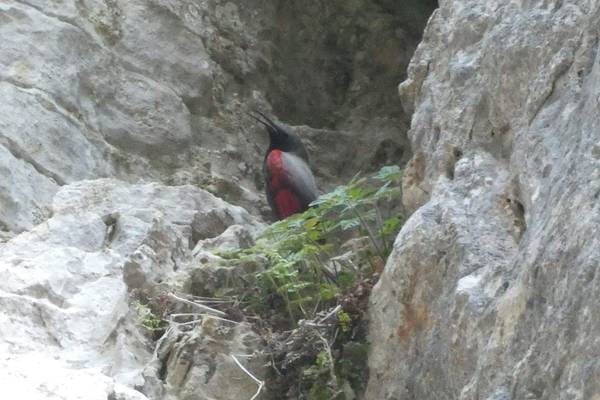
‘A quick ask – “What’s been your favourite sighting?” of the group shows just what an amazing trip “Romania’s Danube Delta & Carpathian Mountains in Spring” is!’ writes tour leader Andy Bunten. ‘The huge variety of habitats; the sight of pelicans, cormorants, egrets and terns feeding cooperatively; the Brown Bears with the huge male and the scampering cubs; suddenly coming across a Spur-thighed Tortoise; a Red-breasted Flycatcher about 5 feet over our heads; Kingfisher alley; close encounters with Golden Jackals; so many Cuckoos; Bearded Reedlings, wonderfully bandit-masked Penduline Tits, Hobbys, Golden Orioles, Whiskered Terns, Dalmatian and White Pelicans and all before breakfast; Rollers and Bee-eaters shining in the sun; mating Wallcreepers! The list goes on and on with this astonishing snapshot trip covering the Transylvanian Mountains, with towering limestone mountains, then through the plains of southern Romania to the town of Tulcea, gateway to the Danube. The Delta itself: innumerable creeks and byways with herons, kingfishers, cuckoos and White-tailed Eagles seemingly at every turn. And finally, exploring the ancient low mountains and steppes around Macin and the teeming wetlands on the west side of the Black Sea. What an astonishing journey, what breathtaking scenery and what wonderful wildlife sights!’
May 2026
‘We met our local guide, Minko, and driver on arrival in Sofia and were soon heading south to the Rhodope Mountains’ writes tour leader Neil Murphy. ‘Over the next 10 days we completed an anti-clockwise circuit of Bulgaria, stopping at many stunning places which included Trigrad Gorge, Krumovgrad, Studen Kladenatz, beautiful Sozopol on the Black Sea coast, the bird-rich lakes and wetlands around Burgas, then heading north to Kavarna via the Goritza Hills and the impressive Cape Kaliakra, then heading west to Vetren and Srebarna Lake before finally crossing the River Danube into Romania and flying home from Bucharest.
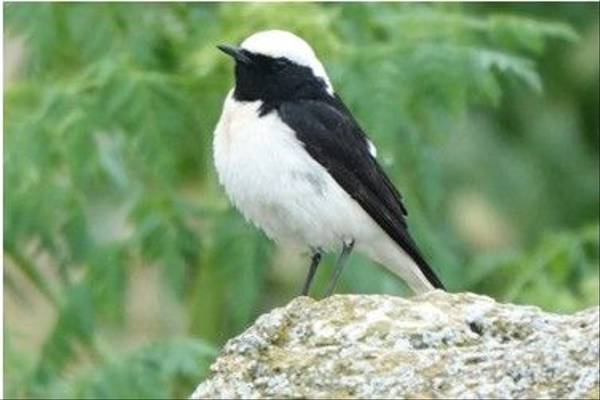
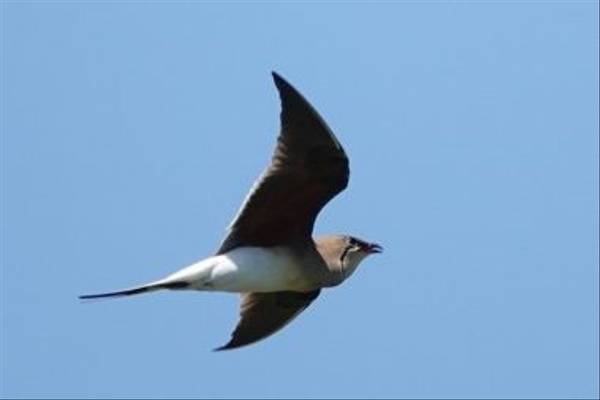
During the circuit we enjoyed great views of Wallcreeper, Spotted Nutcracker, Eurasian Scops Owl, Eastern Olivaceous Warbler, Chukar, Lesser Grey Shrike, Sombre Tit, Eastern Bonelli’s Warbler, Olive-tree Warbler, Eastern Orphean Warbler, Eastern Subalpine Warbler, Eastern Black-eared Wheatear, Rock Bunting, Cinereous Vulture, Lesser Kestrel, Eastern Imperial Eagle, Yelkouan Shearwater, Collared Pratincole, Pygmy Cormorant, Lesser Spotted Eagle, Red-footed Falcon, Red-necked and Horned Grebes, Great White and Dalmatian Pelicans, Little Bittern, Grey-headed Woodpecker, Ferruginous Duck, Squacco Heron, Red-breasted Flycatcher, Long-legged Buzzard, Calandra Lark, Isabelline Wheatear, Lavant Sparrowhawk, Pied Wheatear, Eurasian Eagle Owl, River Warbler (heard), Whiskered Tern, Middle-spotted and Syrian Woodpeckers, Black-headed Bunting and Penduline Tit.
Bulgaria is located on a major migration route as birds skirt around the west coast of the Black Sea on their migrations to northern Europe and beyond. However, this year’s spring migration was delayed due to cold, wet weather lingering further south and east, and thus some species were absent and others were in smaller numbers than expected. We still managed an admirable trip list of some 200+ species which for 10 days in Europe is quite outstanding!’