 Loading search...
News in Brief: The Maldives, Sri Lanka, India, Ethiopia, Kuwait & St. Lucia
February 2026
‘This 10-day holiday (including a 7-night cruise) was a wonderful break from the British winter!’ writes tour leader Sara Frost. ‘Our twice-daily snorkelling sessions (amongst a dazzling feast of colourful fish) were a real treat, as we tried to get our heads around the seemingly never-ending variety of species! On most mornings and evenings we enjoyed a pre-breakfast and pre-dinner snorkel on pristine reefs, where the colour and variety of fish and other marine-life was staggering. Angelfish, parrotfish, surgeonfish, butterflyfish, anemonefish, reef squid, triggerfish, Moorish Idols, Black-tipped and White-tipped Reef Sharks and Hawksbill Turtles were just a few of the highlights.
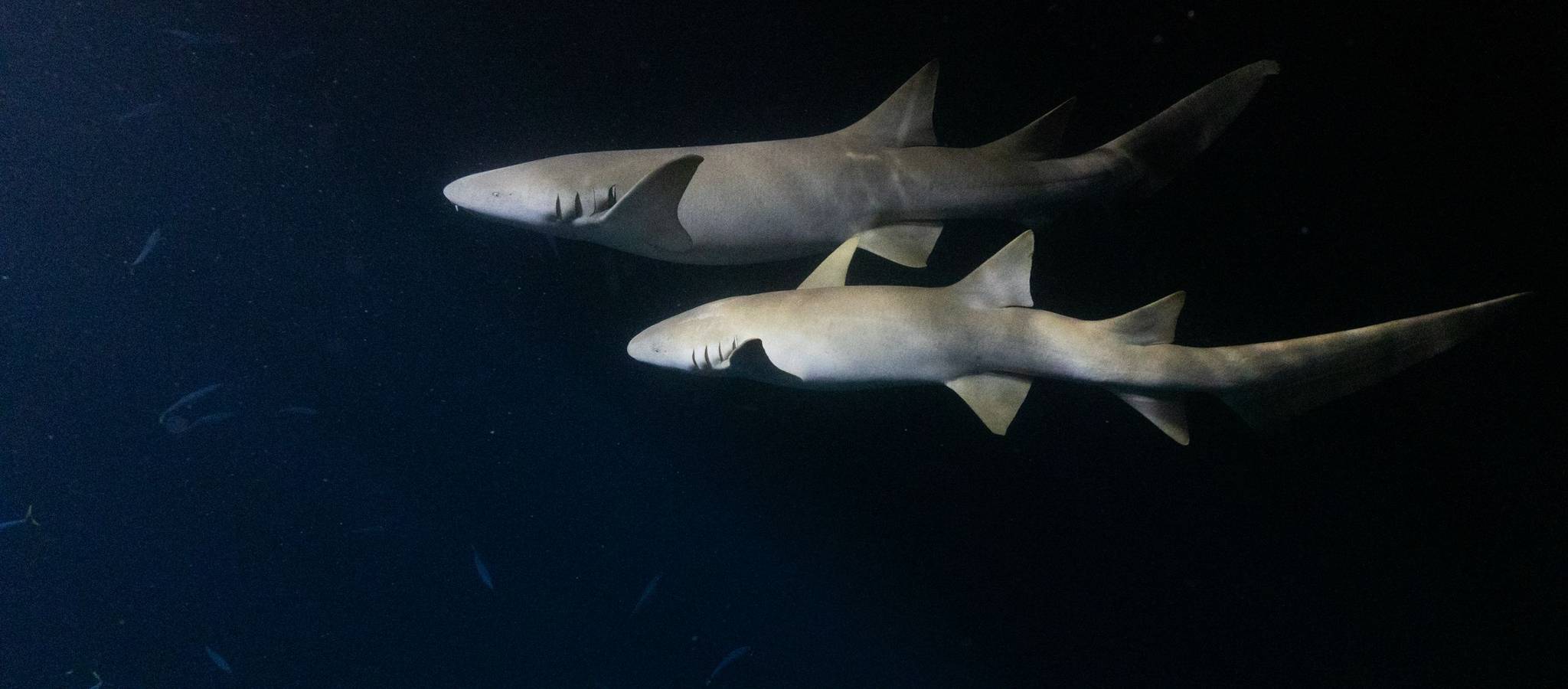
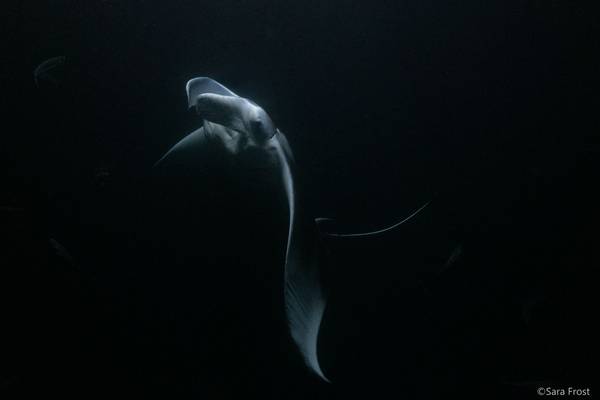
Enthusiastic pods of dolphins made up an excellent supporting cast, with daily sightings as they approached our boat to “say hello” and bowride (often with more distant pod members leaping and jumping, to whoops and cheers from our group!). Other cetacean sightings included a prolonged encounter with a large pod (50 or so) of False Killer Whales, an even bigger pod of Pilot Whales swimming with us for an hour during our lunch and seeing the Spotted and Spinner Dolphins bringing their tiny babies over to the boat. The highlight for most, however, had to be our FOUR encounters with the Maldives’ magical Manta Rays. We experienced them swimming at cleaning stations, feeding on a coral reef and on two wonderful evenings, we had them feeding on plankton at the back of our boat, along with eight Nurse Sharks!
Each day was rounded off with delicious Maldivian cuisine, tropical sunsets and excited chatter over drinks in the bar – truly wonderful!’

January 2026
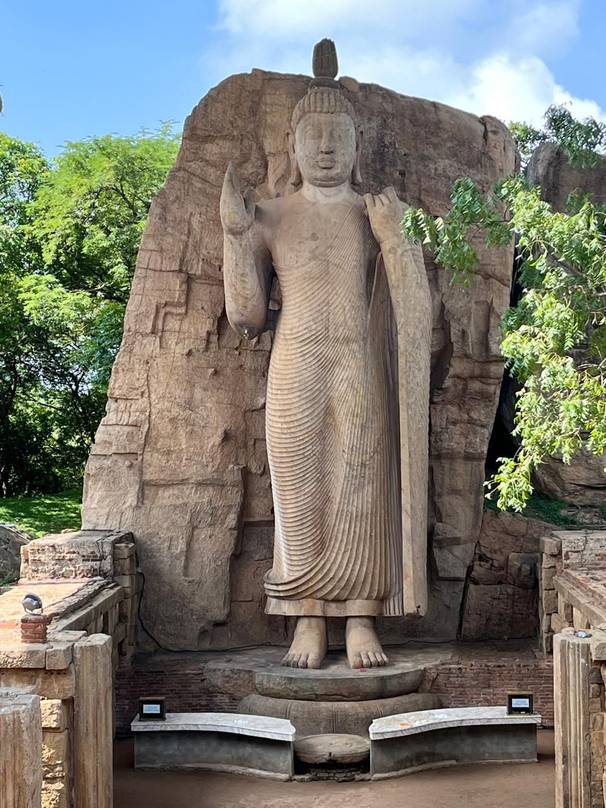
‘This journey through Sri Lanka was a captivating blend of wildlife, history, and culture’ writes tour leader Saman Kumara. ‘The tour took us through UNESCO World Heritage Sites such as Dambulla Cave Temple, Polonnaruwa Ancient City, Sigiriya Rock Fortress, and Galle Fort, each steeped in centuries of history and architectural marvels. Along the way, traditional experiences, like spice gardens and cultural dance performances in Kandy, brought the island’s rich traditions vividly to life, making every stop a story in itself.
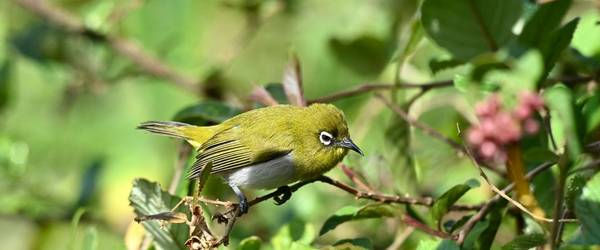
The birding and wildlife experiences were extraordinary, offering encounters with endemic and rare species across diverse habitats. From pre-breakfast walks in the gardens of Kandy and Nuwara Eliya to highland treks in Horton Plains, the group recorded species like Sri Lanka Blue Magpie, Malabar Trogon, Pied Kingfisher plunge-diving for fish, and Leopards and Elephants in Yala and Lunugamvehera National Parks. Along the southern coast, dolphin pods, Fin Whales, and Olive Ridley Turtles provided thrilling marine encounters, while Sinharaja Rainforest offered immersive walks among endemic birds, giant squirrels, reptiles, and rich flora, highlighting the critical role of conservation in these fragile ecosystems.
The tour concluded with serene moments in the southern villages and home gardens, where local communities live in harmony with the forest. Visits to bat colonies, owl habitats, and turtle hatcheries showcased conservation in action, leaving clients with a deep appreciation for Sri Lanka’s biodiversity. Farewells in Colombo marked the end of a journey full of discovery, adventure, and connection with nature and culture alike. From ancient kingdoms to lush rainforests and vibrant coastlines, this journey offered a glimpse of Sri Lanka that was both unforgettable and inspiring.’

January 2026
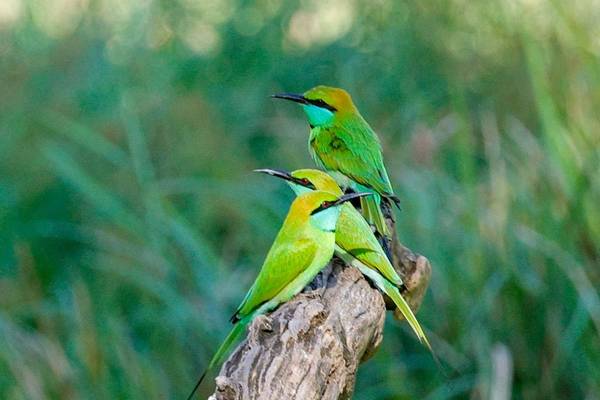
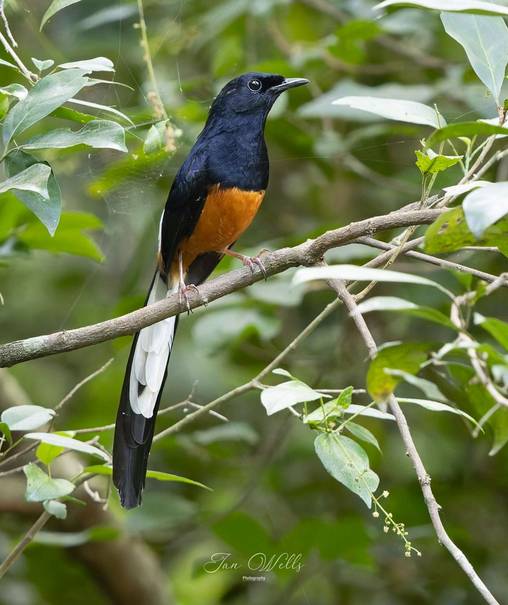
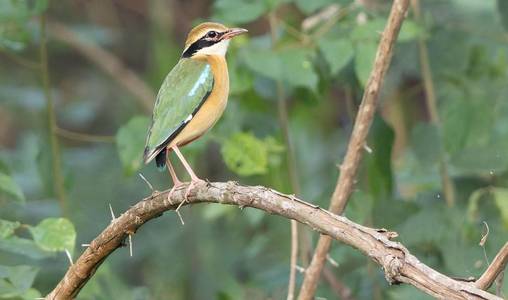
‘The tour began in the lush lowland rainforests of Kitulgala, where birding immediately exceeded expectations with excellent sightings of key endemic and rare species, including Chestnut-backed Owlet, Green-billed Coucal, and the highly sought-after Serendib Scops Owl’ write tour leaders Dhanushka Perera and Kasun Gonagala. ‘Productive forest-edge and reserve visits delivered a rich variety of lowland specialists, along with memorable reptile encounters, setting a strong foundation for the journey. As the tour moved into the central highlands, rewarding stops and forest walks added montane endemics such as Sri Lanka Thrush, Sri Lanka Wood Pigeon, and multiple flycatcher species, highlighted by repeated sightings of the scarce Kashmir Flycatcher.
Highland birding reached its peak with extensive exploration of Horton Plains and surrounding areas, producing classic montane specialities including Sri Lanka Bush Warbler, Dull Blue Flycatcher, and Dark-fronted Babbler. Persistence paid off with outstanding views of the elusive Sri Lanka Whistling Thrush, one of the tour’s major highlights. The transition into the dry zone introduced a new suite of species, with productive wetland and open-country birding en route and within Udawalawe, complemented by memorable encounters with Asian Elephants and a wide range of dry-zone birds.
The final phase of the tour focused on the iconic Sinharaja Rainforest, where village tracks and forest trails yielded an exceptional concentration of Sri Lankan endemics. Highlights included Sri Lanka Blue Magpie, Sri Lanka Spurfowl, Ashy-headed Laughingthrush, and Crimson-backed Flameback. The tour concluded on a perfect note with excellent views of the Red-faced Malkoha, completing a clean sweep of all Sri Lankan endemic bird species. This remarkable achievement, combined with diverse habitats and consistently high-quality sightings, made the tour an outstanding and unforgettable birding experience.’
December 2025
‘This 17-day journey across Sri Lanka offered an exceptional combination of birding, wildlife, culture, and World Heritage experiences, covering the island’s major ecosystems – from coastal wetlands and dry-zone forests to misty highlands and lowland rainforests’ writes tour leader Saman Kumar.
‘The tour began in Katunayake, where the first bird sightings were recorded at the airport before continuing through important wetland habitats such as Mahadampe and the Ramsar-listed Anawilundawa Wetland Sanctuary. These early days produced a rich variety of waterbirds, raptors, and wetland species.
In Anuradhapura and Mihintale, the group combined birding with Sri Lanka’s ancient heritage, exploring sacred cities, stupas, and monasteries while recording endemic birds, raptors, reptiles, and mammals among the ruins. The journey continued to Sigiriya, where birding around village tanks, lakes, forests, and the famous rock fortress revealed dry-zone species and spectacular landscapes. A special Christmas Eve night safari added rare nocturnal wildlife such as owls, loris, jackal, and chevrotain.
Travelling into the hill country, the group visited Kandy, exploring Udawattakele Forest Sanctuary, the Temple of the Tooth Relic, Peradeniya Botanical Garden, and Kandy Lake. From there, the route climbed to Nuwara Eliya, where tea plantations, Hakgala Botanical Garden, and Horton Plains National Park revealed Sri Lanka’s montane endemics and cold-climate bird species.
The tour then descended into the southern dry zone, passing through Ella and Ravana Falls to reach Tissamaharama. Safaris in Lunugamvehera and Yala National Parks delivered outstanding wildlife encounters, including Leopards, Elephants (with a tusker), Buffalo, deer, and diverse birdlife across grasslands, forests, and coastal habitats.
Next, the group visited Bundala National Park, a Ramsar wetland famed for migratory shorebirds, before continuing to Udawalawe National Park, renowned for its large Elephant population. A rare sighting of an Amur Falcon was a major highlight.
The final days were spent in Sinharaja Rainforest, a UNESCO World Heritage Site and one of South Asia’s richest biodiversity hotspots. Here, guests observed many of Sri Lanka’s endemic birds, reptiles, and amphibians while experiencing the unique atmosphere of a tropical rainforest.
The journey concluded with a return to Colombo/Katunayake, where part of the group continued on a whale-watching extension while others prepared for departure to the UK.’
January 2026
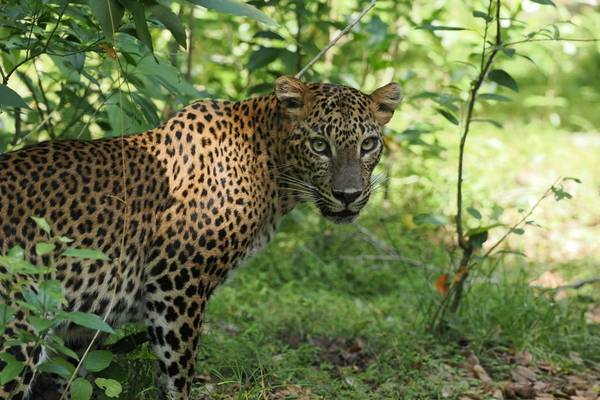
‘This tour was an exceptional wildlife journey through central India’ write tour leaders Swanand Deshpande and Anurag Yadav. ‘Beginning in Nagpur, the trip seamlessly combined thrilling big-cat encounters, rich birdlife, diverse habitats, and meaningful cultural experiences across Pench and Kanha National Parks.
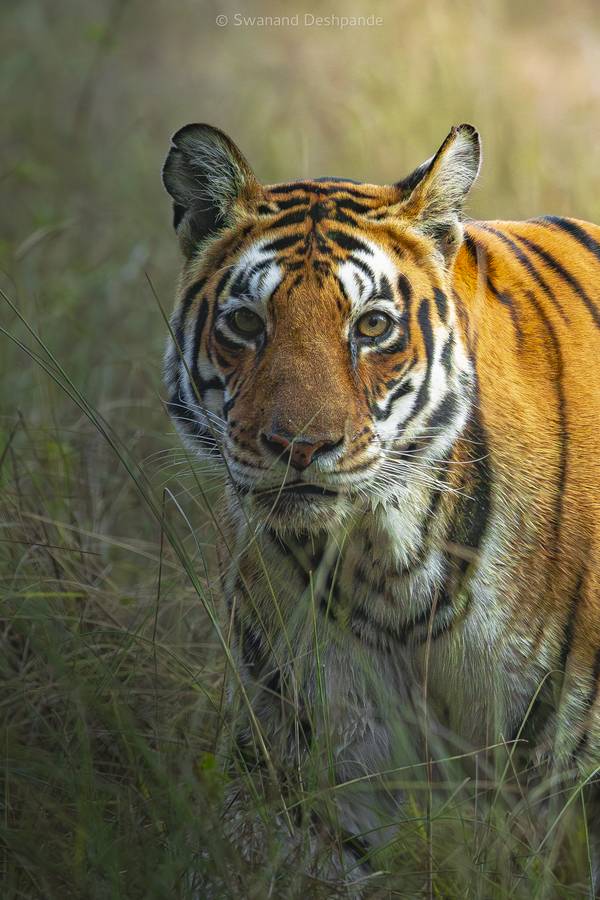
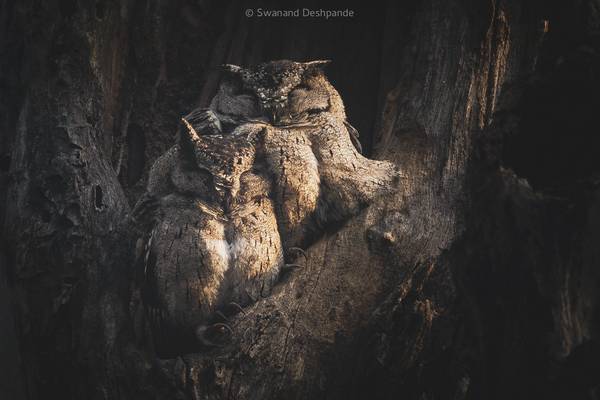
Pench National Park set the tone for the adventure with remarkable Tiger sightings. Highlights included a distant but powerful view of a large male Tiger, a sub-adult male crossing the road, and an extraordinary, once-in-a-lifetime sighting of a mating Tiger pair right beside the jeep. The excitement continued with a dramatic encounter of a Tigress walking head-on towards the vehicle in the Khursapar zone. Pench also delivered excellent birding, with species such as Grey-headed Fish Eagle, Crested Hawk-Eagle, Malabar Pied Hornbill, and multiple owls enriching every drive. The Pench leg concluded beautifully with sightings of both a large male Tiger by the river and a Tigress in the grasslands, followed by a heartwarming visit to a local village school.
Kanha National Park impressed with its breathtaking sal forests, misty mornings, and vast grasslands. The group enjoyed repeated sightings of Kanha’s signature Barasingha, along with Gaur, Asiatic Jackal, Wild Boar, and Jungle Cat. Tiger moments remained central, including views of a Tigress with cubs, a shy male crossing the road, and memorable territorial behaviour in open grasslands. The pinnacle of the Kanha experience came with a rare and magical sighting of a Tigress with two tiny cubs crossing the road in Mukki.
Outstanding birding throughout the tour included flycatchers, owls, raptors, waterfowl, and vultures. The journey concluded with relaxed lodge birding, Leopard and Dhole pugmarks by the river, and a fitting farewell in Nagpur – making this a truly unforgettable wildlife expedition.’
January 2026
‘What better way to escape from the British winter than by visiting the Caribbean island of St. Lucia, home to colourful birds and butterflies, balmy tropical weather, and the warm hospitality of the award-winning Anse Chastanet resort?’ writes tour leader Dave Jackson.
‘Each day was different, with excursions led by expert local guides to the island’s premier birding sites, a catamaran trip yielding memorable encounters with Pantropical Spotted Dolphins and Humpback Whales, and an exceptional culinary highlight at Emerald Organic Farm, where two top chefs created a sumptuous al fresco meal, served with craft ales brewed on the farm.
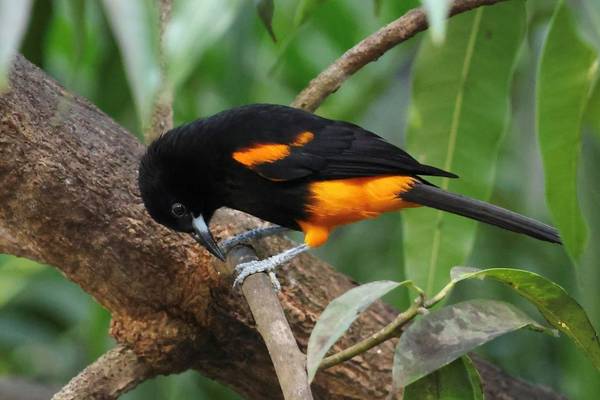
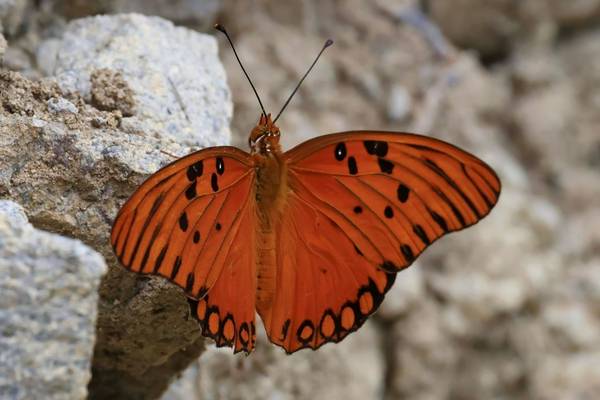
Visitors to our room balconies included Lesser Antillean Bullfinch, Grey Trembler, Bananaquit and the endemic St. Lucia Oriole. Butterflies observed included Orion Cecropian, Gulf Fritillary, Hanno Blue, Fiery Broken-dash and Julia Heliconian, while dragonflies included Carmine Skimmer, Lesser Antillean Skimmer and Rambur’s Forktail.
We explored the world’s only drive-in volcano at Sulphur Springs, climbed the ‘Stairway to Heaven’ and were rewarded with breathtaking panoramic views of the Pitons. The day concluded aboard a Jazzy Sunset Cruise, where a saxophonist played soulful ballads as the sun dipped below the horizon over the Caribbean Sea as we sipped rum punch.
The tour was as much about satisfying a variety of interests, from birding and snorkelling to, of course, relaxing in the magnificent surroundings. We succeeded in all these activities!’
January 2026
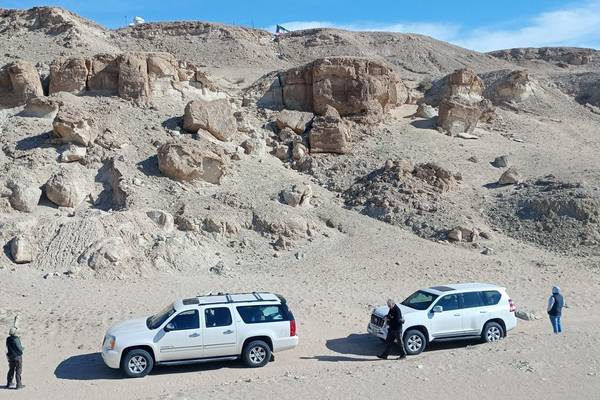
‘Our “Winter Sun Birding” tour criss‑crossed this small, oil‑rich nation, covering all corners in search of the special species that spend the winter in Kuwait’ writes tour leader Martin Pitt. ‘Renowned as the most south‑easterly part of the Western Palearctic, Kuwait offers access to several species that are otherwise difficult to find in the region. Sitting at the crossroads of Arabia, Asia and the Persian Gulf, it attracts a remarkable variety of wintering birds to its coastline and deserts.
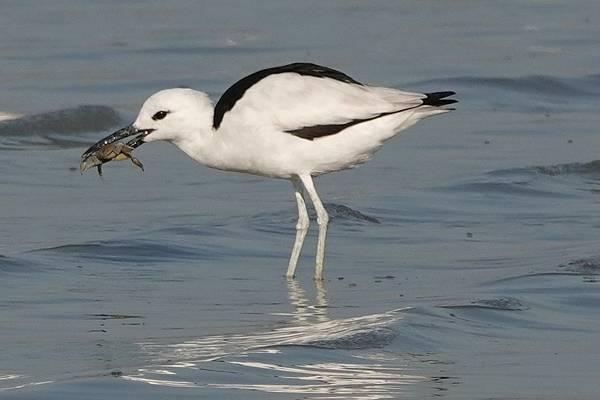
Over the course of the tour we recorded a total of 155 bird species and, despite the season, encountered four species of mammals, four species of butterflies and two species of dragonflies. Among the birds were several that are difficult to find elsewhere in the Middle East, and especially in the Western Palearctic, including Grey Hypocolius, Crab‑plover, Crested Honey Buzzard, Eversmann’s Redstart, Afghan Babbler and Lesser Flamingo.
The desert produced many arid‑zone specialists such as Kurdish, Red‑tailed and Mourning Wheatears, Greater Hoopoe‑Lark, Desert and Bar‑tailed Larks, Pharaoh Eagle‑Owl and Cream‑coloured Courser. Parks and gardens yielded species more typical of regions further east, including Shikra, introduced bulbuls, Purple Sunbird and Pallid Scops Owl.
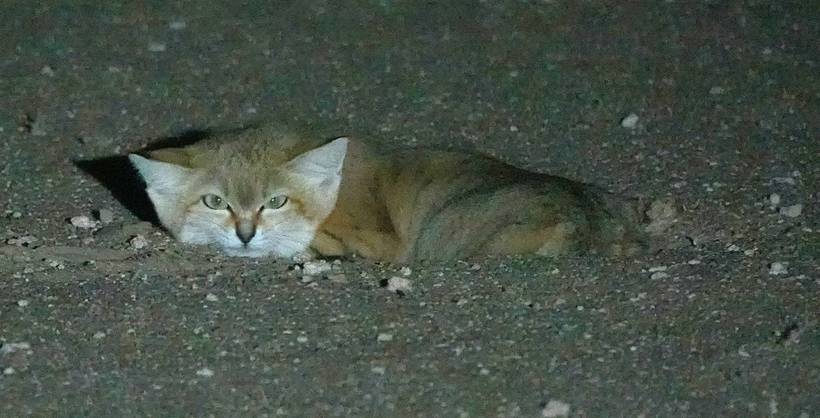
Although this was primarily a birding tour, we did not overlook other wildlife. Libyan Jird colonies were frequently encountered, and our expedition to see Sand Cat proved a resounding success. Invertebrates were naturally fewer in the cooler season, though Painted Ladies and Blue Pansies were numerous on warmer days.
Overall, this was a wonderful introduction to Middle Eastern birding. Kuwait is an excellent destination for Western Palearctic listers and offers the chance to connect with some truly exceptional species.’
November 2025
‘Our journey began in Addis Ababa, where we enjoyed a day’s birdwatching at the Bishoftu Crater Lakes, introducing Ethiopia’s exceptional diversity’ writes tour leader Abiy Dagne. ‘Colourful specialities such as Ethiopian Bee-eater, Black-winged Lovebird, and Black Crowned Crane were just a few of the highlights, offering a memorable start in one of Africa’s most important regions for endemism.
Flying south, we continued to Yabelo, where we succeeded in finding two of Ethiopia’s most sought‑after endemics: Stresemann’s Bushcrow and White‑tailed Swallow. We also explored nearby forests for the striking and highly prized Ruspoli’s Turaco, one of the continent’s most coveted birds due to its restricted range.
From there, the group travelled north to Arba Minch for a boat trip on Lake Chamo, where giant Nile Crocodiles, Hippos and waterbirds were encountered, before moving on to Lake Hawassa. Here we enjoyed excellent views of the extraordinary Thick‑billed Raven, as well as the localised African Spotted Creeper and near‑endemic Abyssinian Crimsonwing, alongside an impressive cast of raptors, herons and kingfishers. Our visit to the forests of Wondo Genet added species such as Yellow‑fronted Parrot, White‑cheeked Turaco and Narina Trogon, making for a richly varied Rift Valley section.
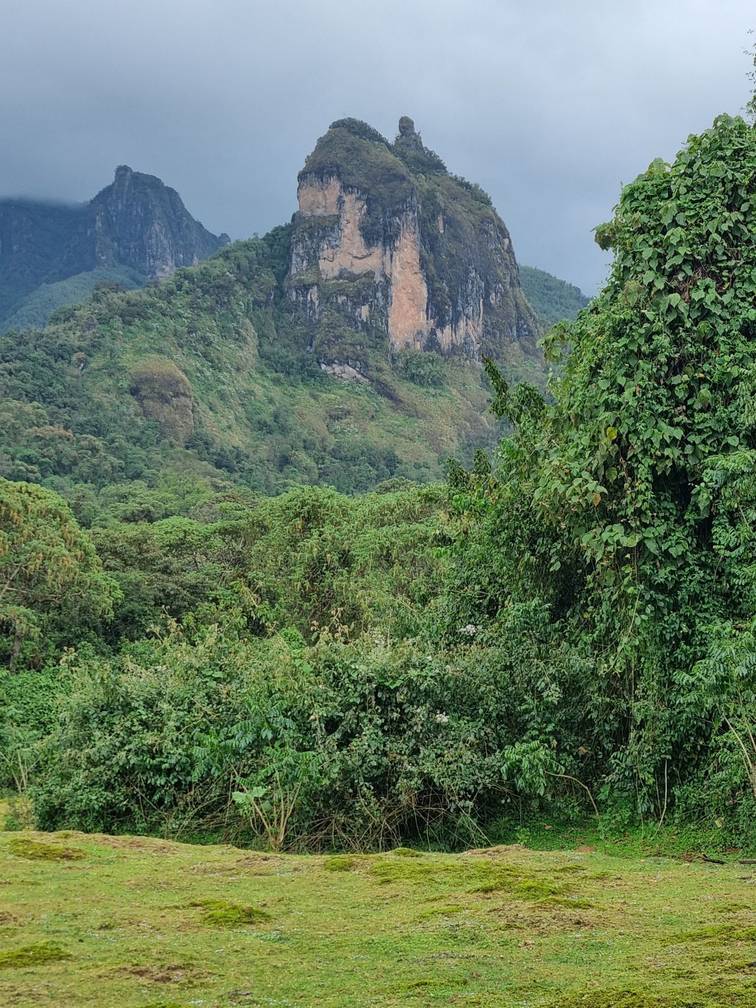
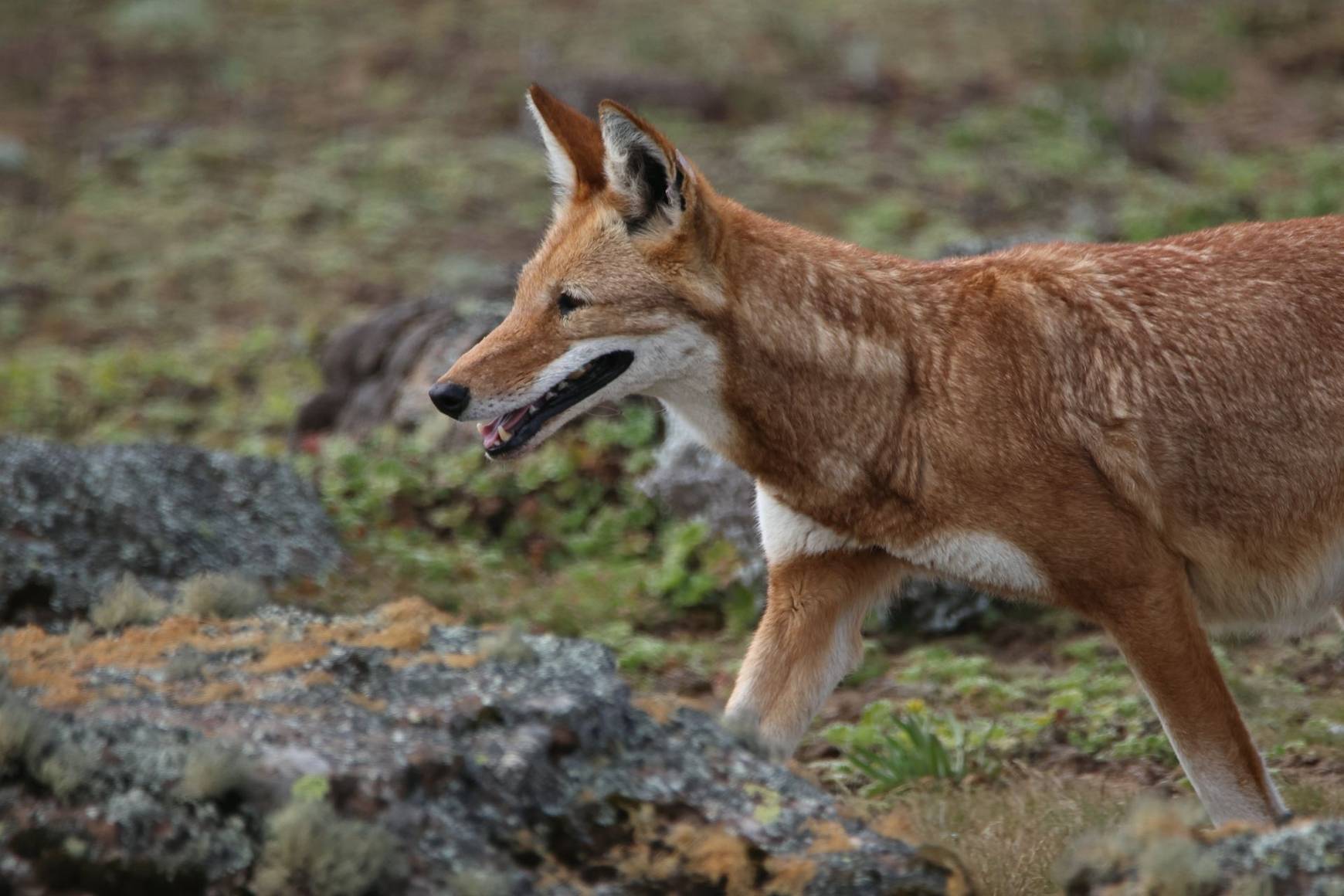
The tour concluded in the Bale Mountains, where we spent two superb days exploring the dramatic Sanetti Plateau. Sightings of the endangered Ethiopian Wolf and Mountain Nyala were, of course, a major highlight of the trip. The high‑altitude moorlands also produced key endemics including Spot‑breasted Lapwing, Blue‑winged Goose, Rouget’s Rail, and Abyssinian Catbird. Descending into the Harenna Forest added forest raptors, rounding off an outstanding wildlife journey through one of Africa’s most extraordinary landscapes.’