 Loading search...



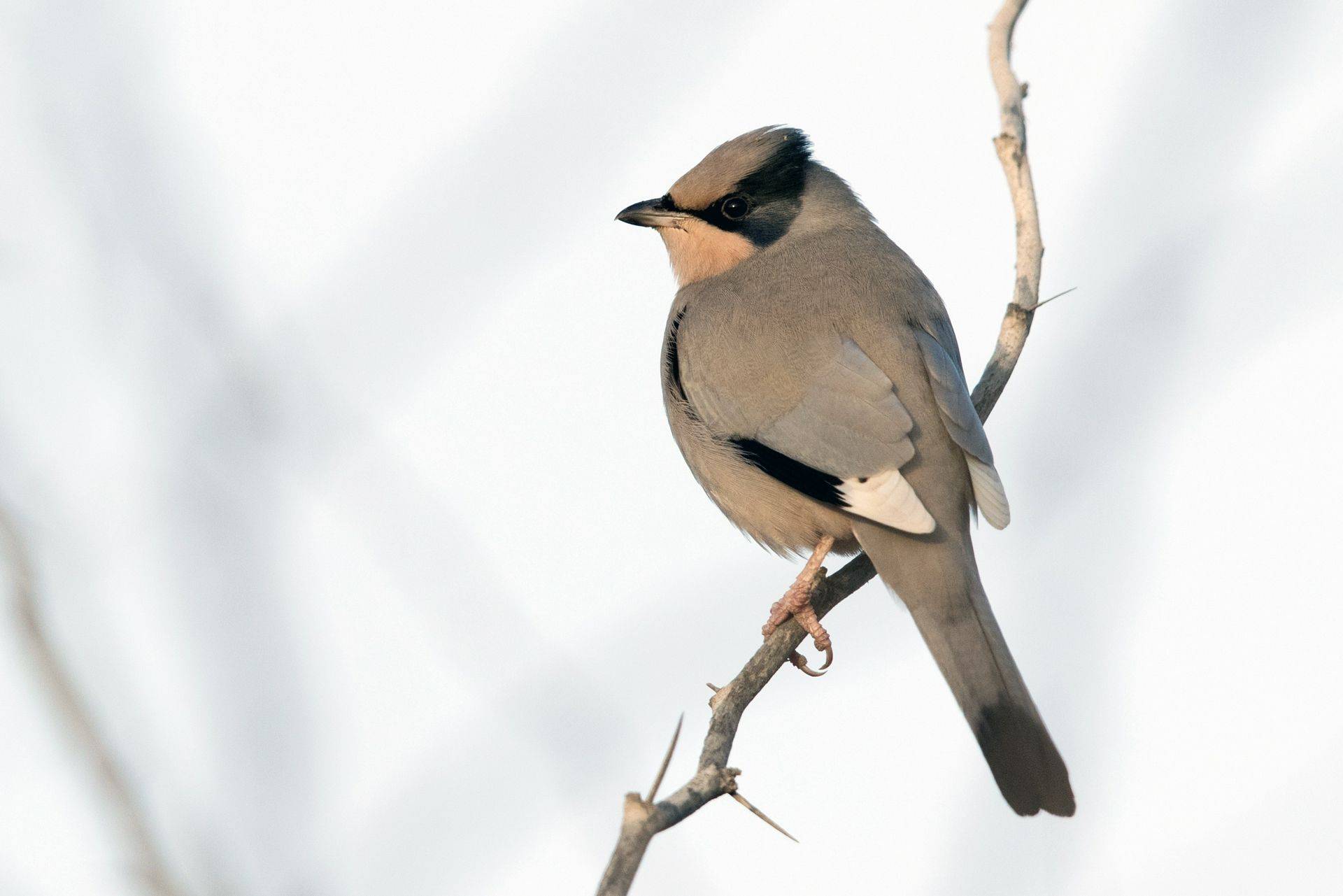
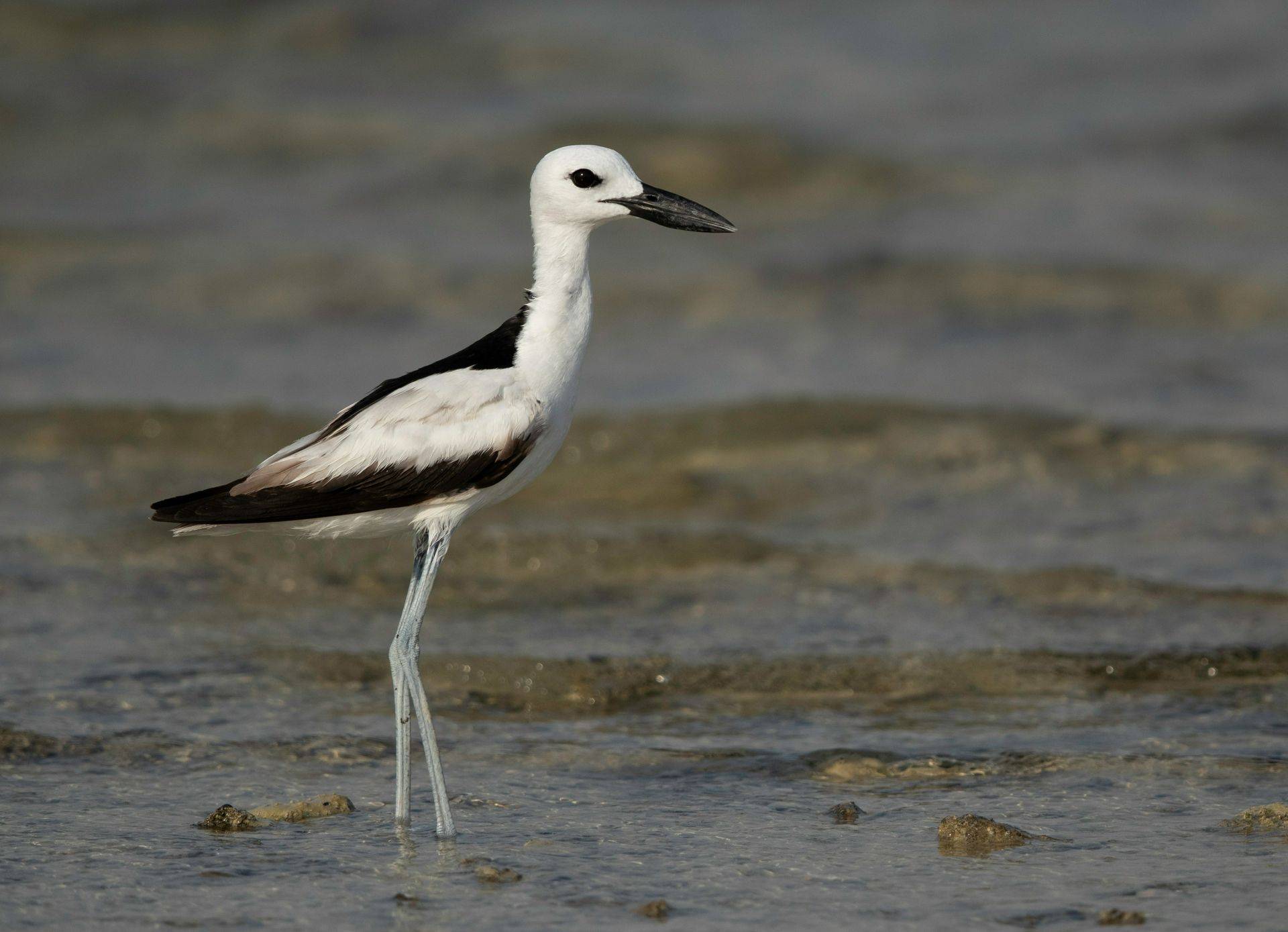
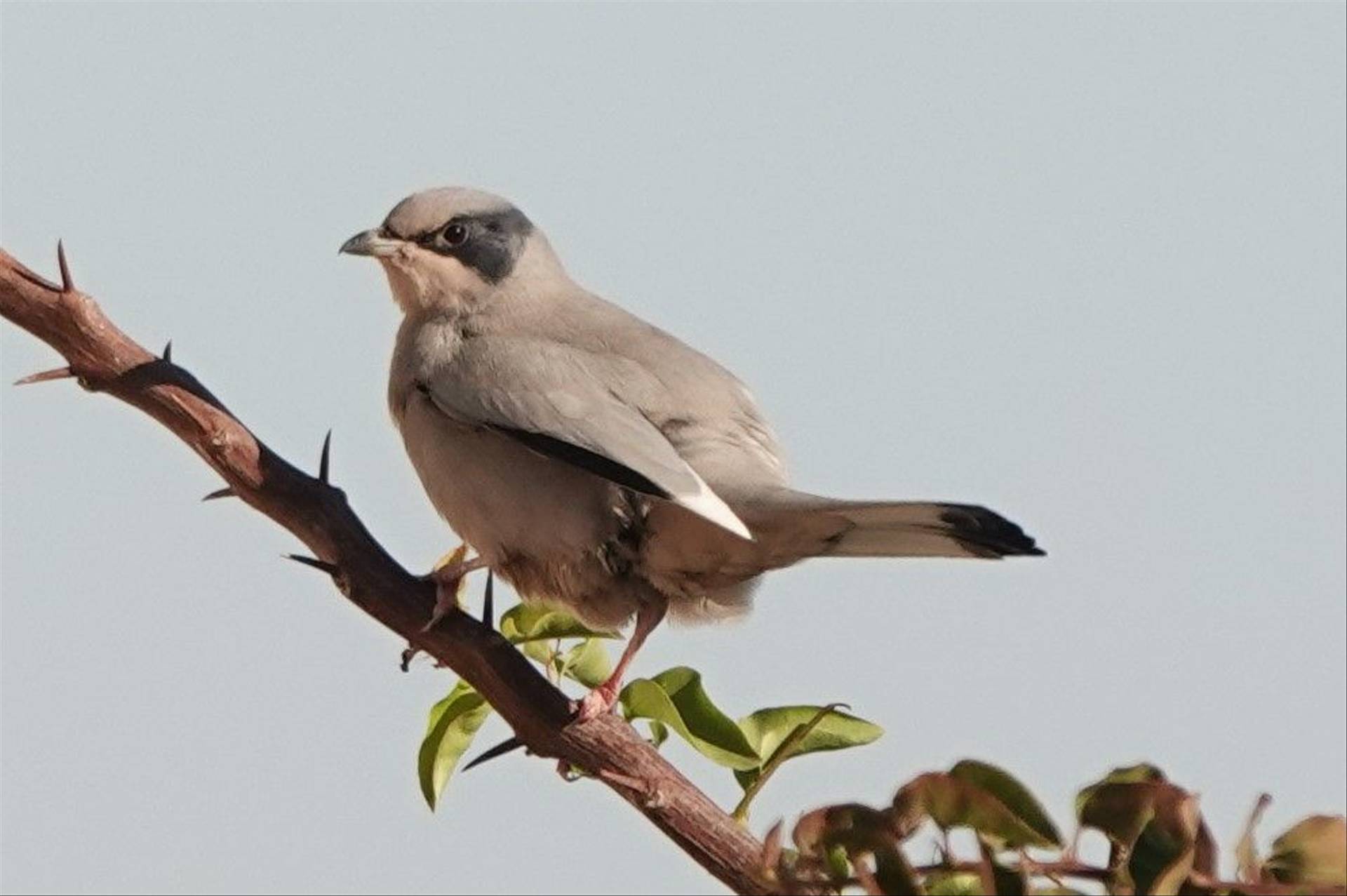
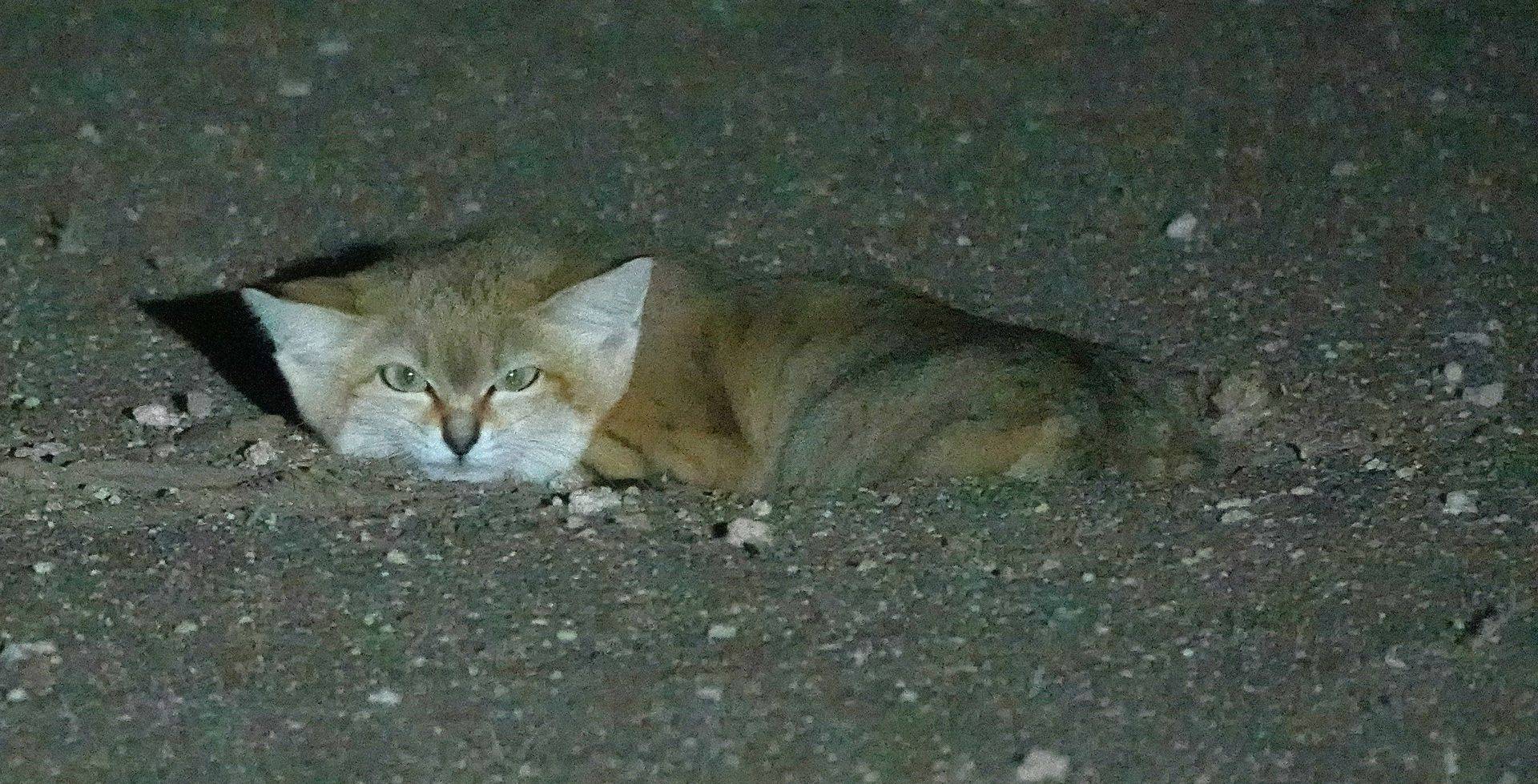
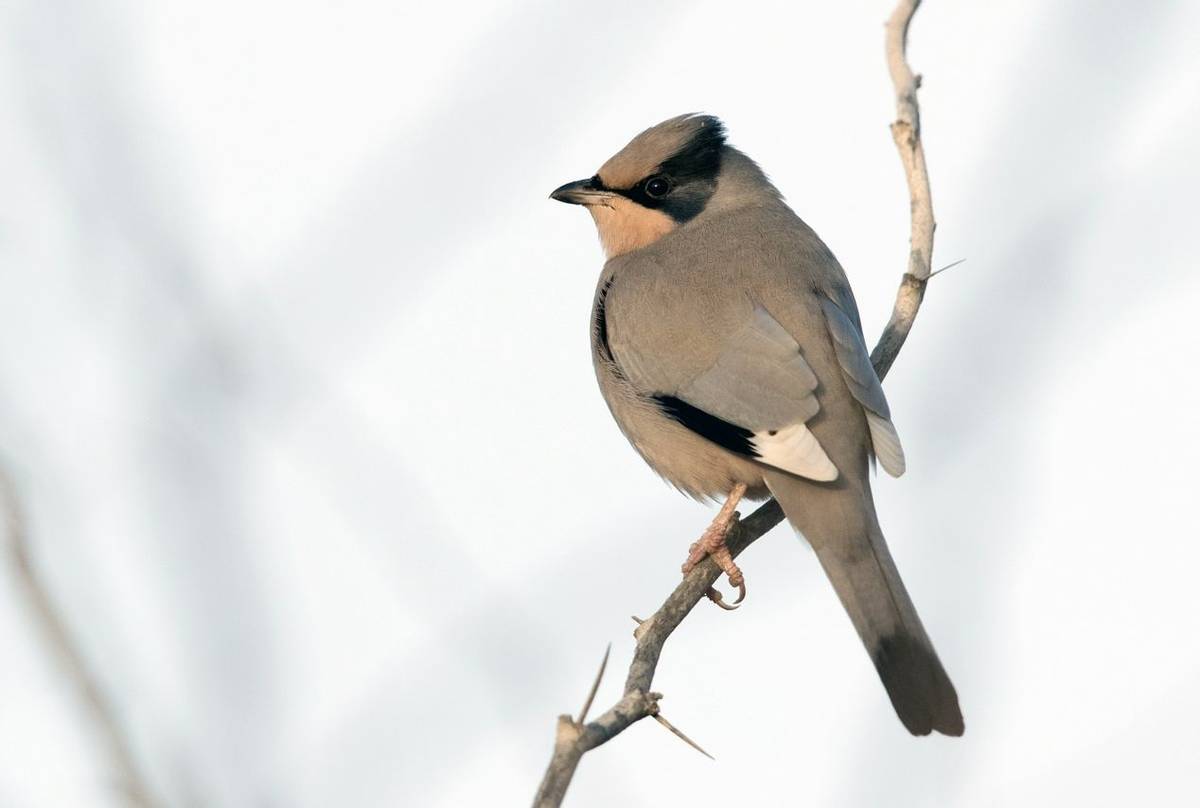
The views of Grey Hypocolius , Crab Plover and Sand Cat were highlights for me.
G. R, Nottinghamshire, Jan '26
Tour Itinerary and Reports
Can I help you?
Kuwait - Winter Sun Birding
Tour Code: KUW01A 10-day holiday to Kuwait for what is considered some of the Western Palaearctic's most exciting winter birding.
10 days
from
£3,995
£3,995
Land only price
from
£3,295
£3,295
Highlights
Tour Itinerary and Reports
Can I help you?
Summary
Kuwait, a small country nestled along the Arabian Gulf, transforms into a haven for birdwatchers during the winter and provides the Western Palaearctic birder with opportunities to see species found nowhere else in the region. The cooler months, from November to March, attract an astonishing array of migratory birds seeking refuge from the harsh northern climes. Its geographic position, at the juncture of the Palaearctic, Africa and Asia, means that millions of migratory birds pass through each year between their northern breeding grounds and wintering area to the south and many stop to winter here at the northern limit of the Persian Gulf. With its unique blend of coast, wetlands, deserts, and green parks, Kuwait provides a vital winter refuge for a rich diversity of species.
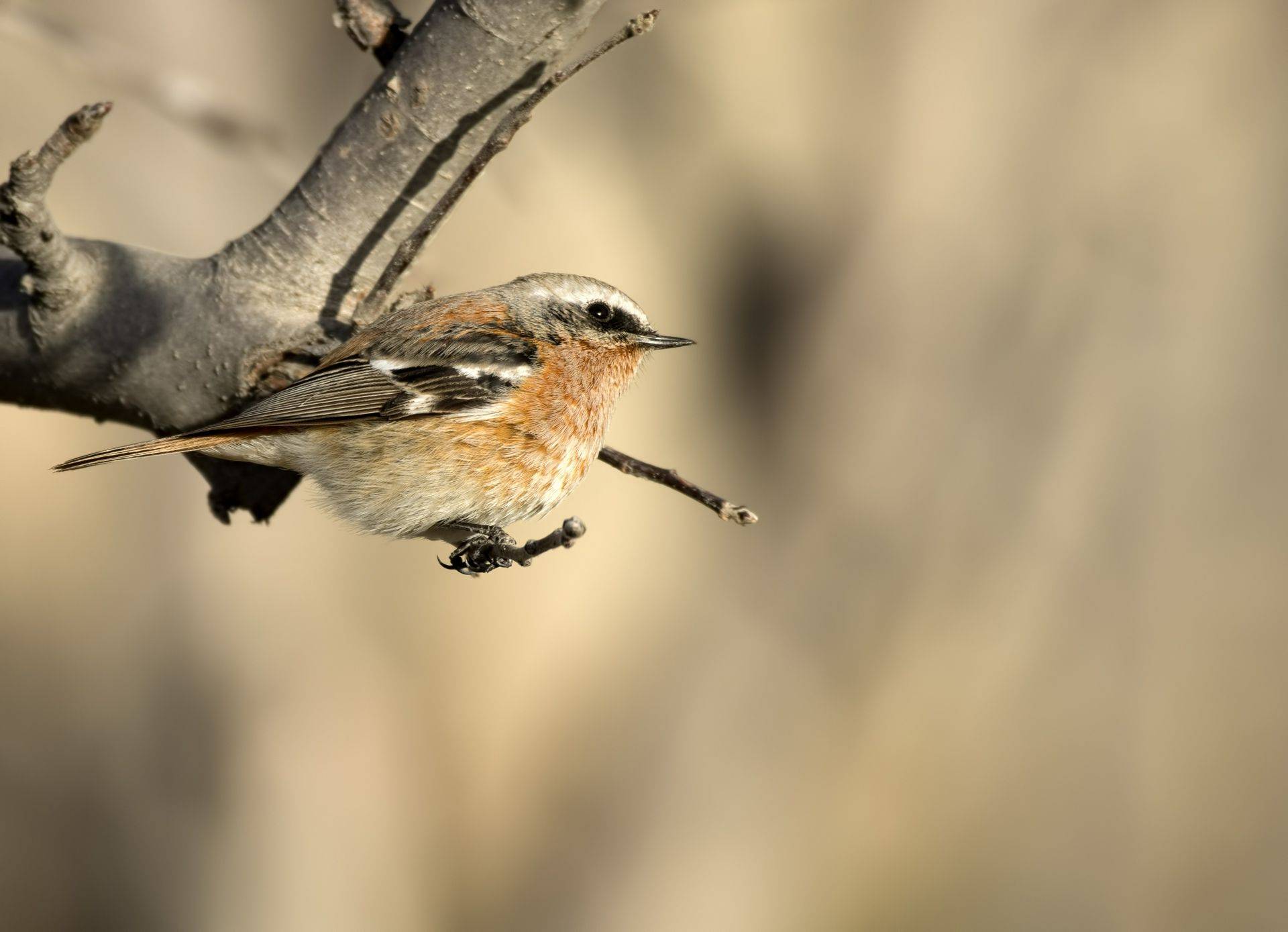
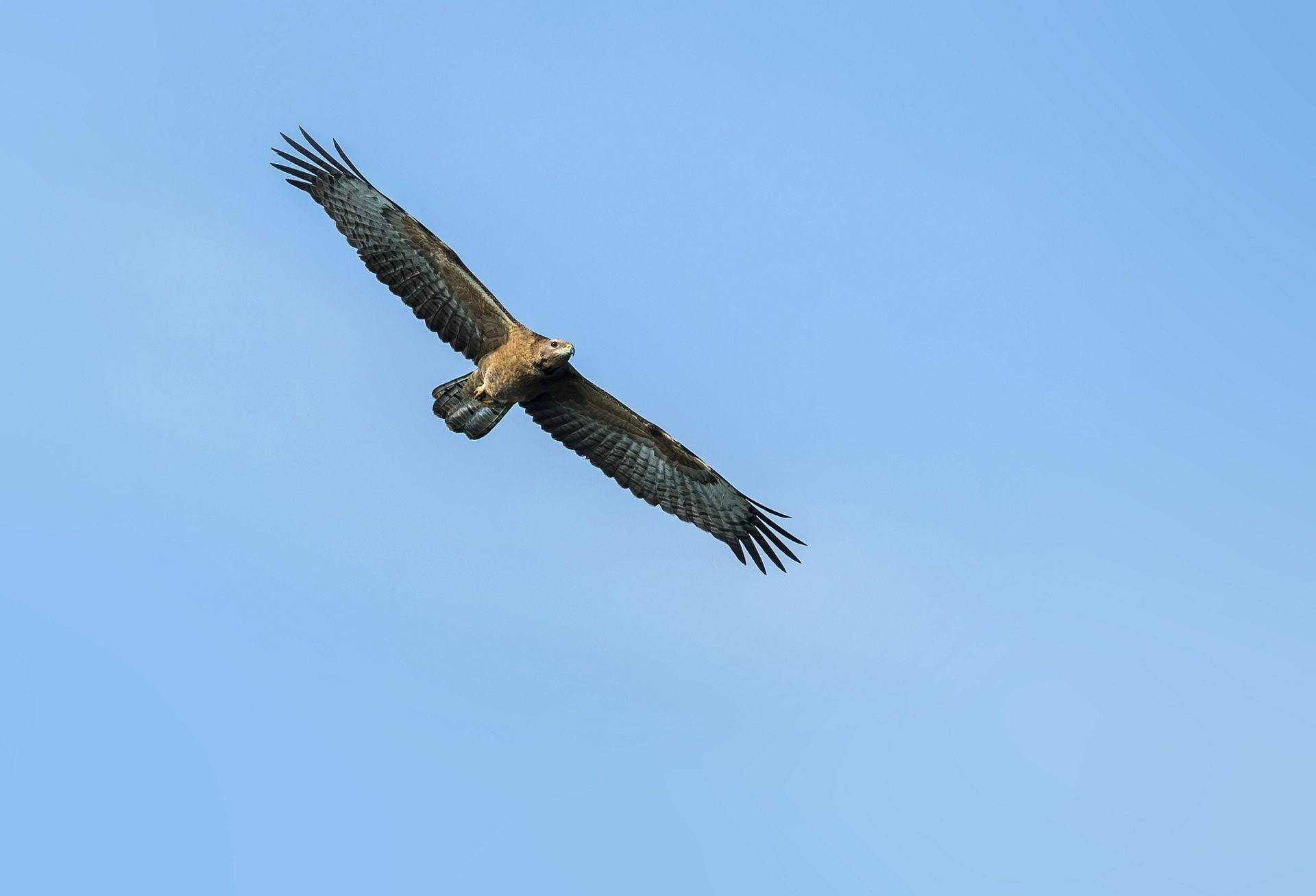
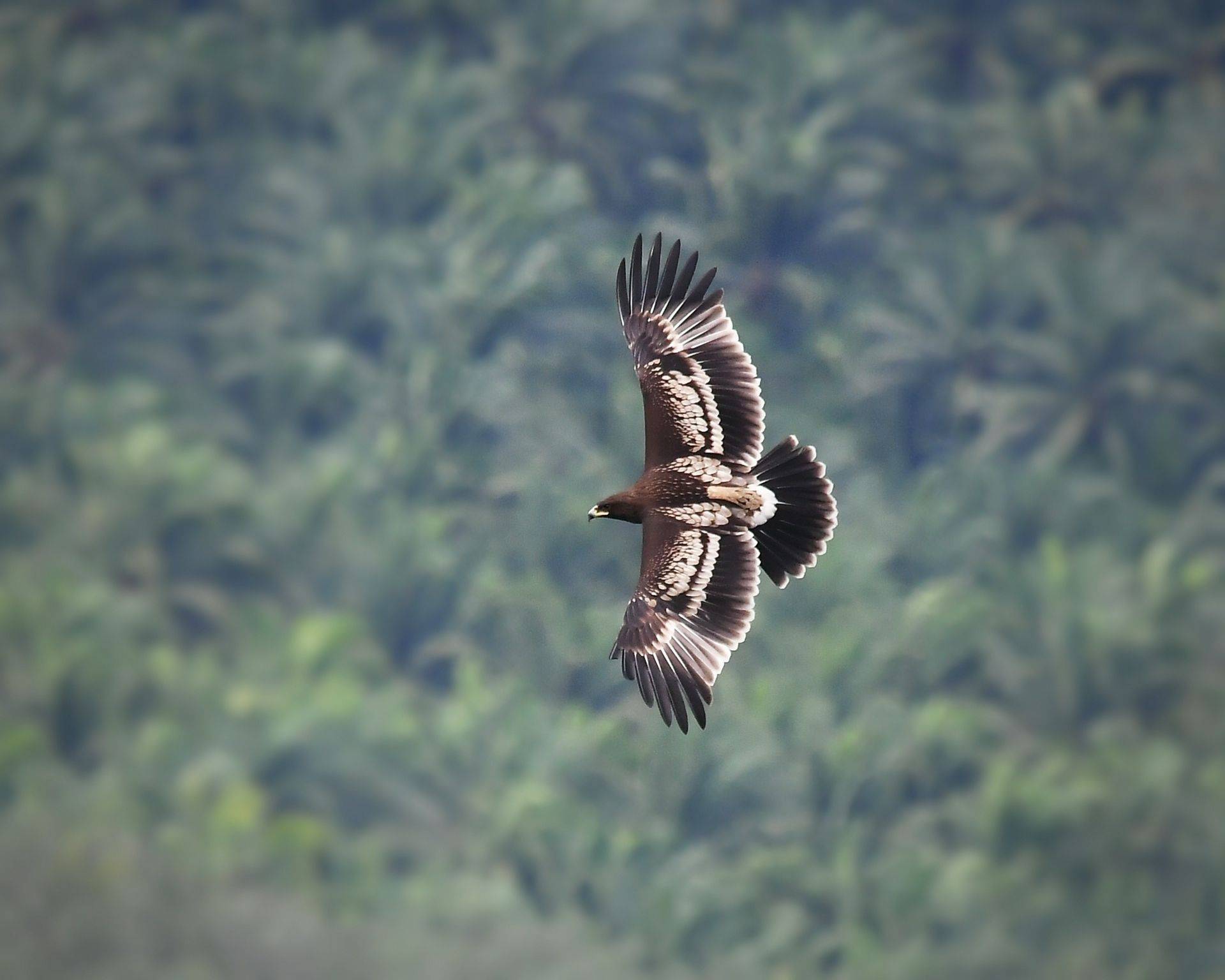
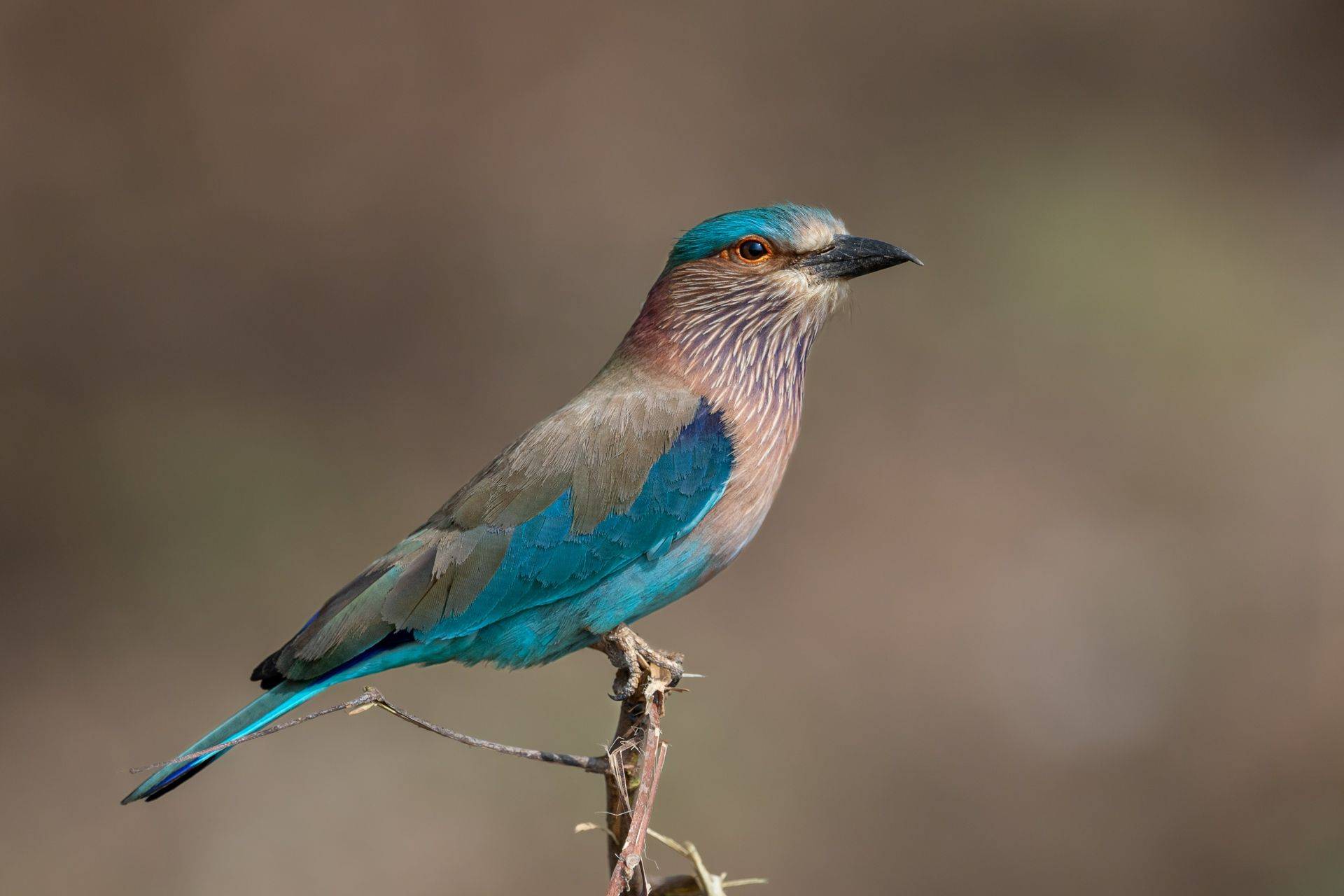
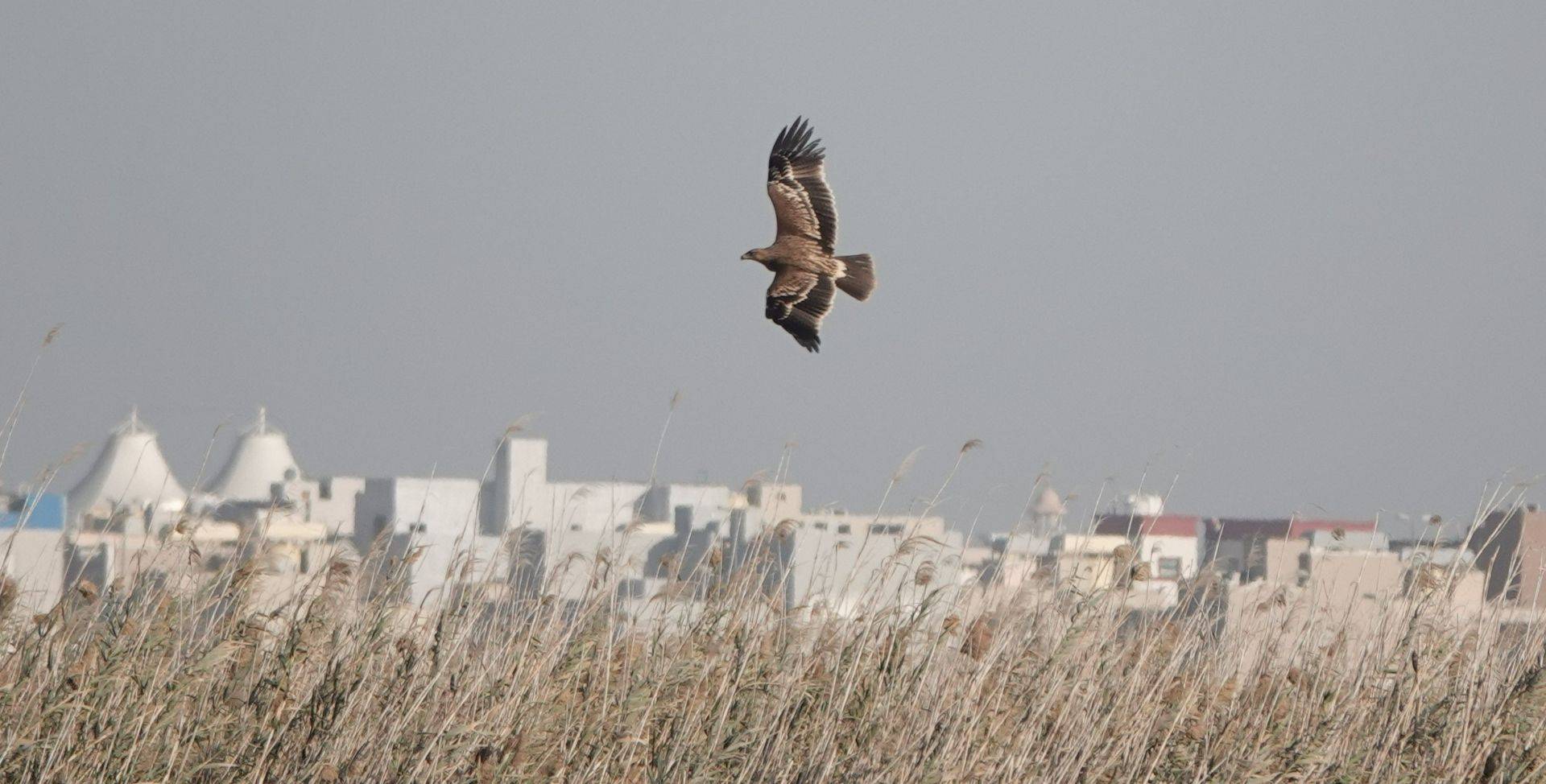
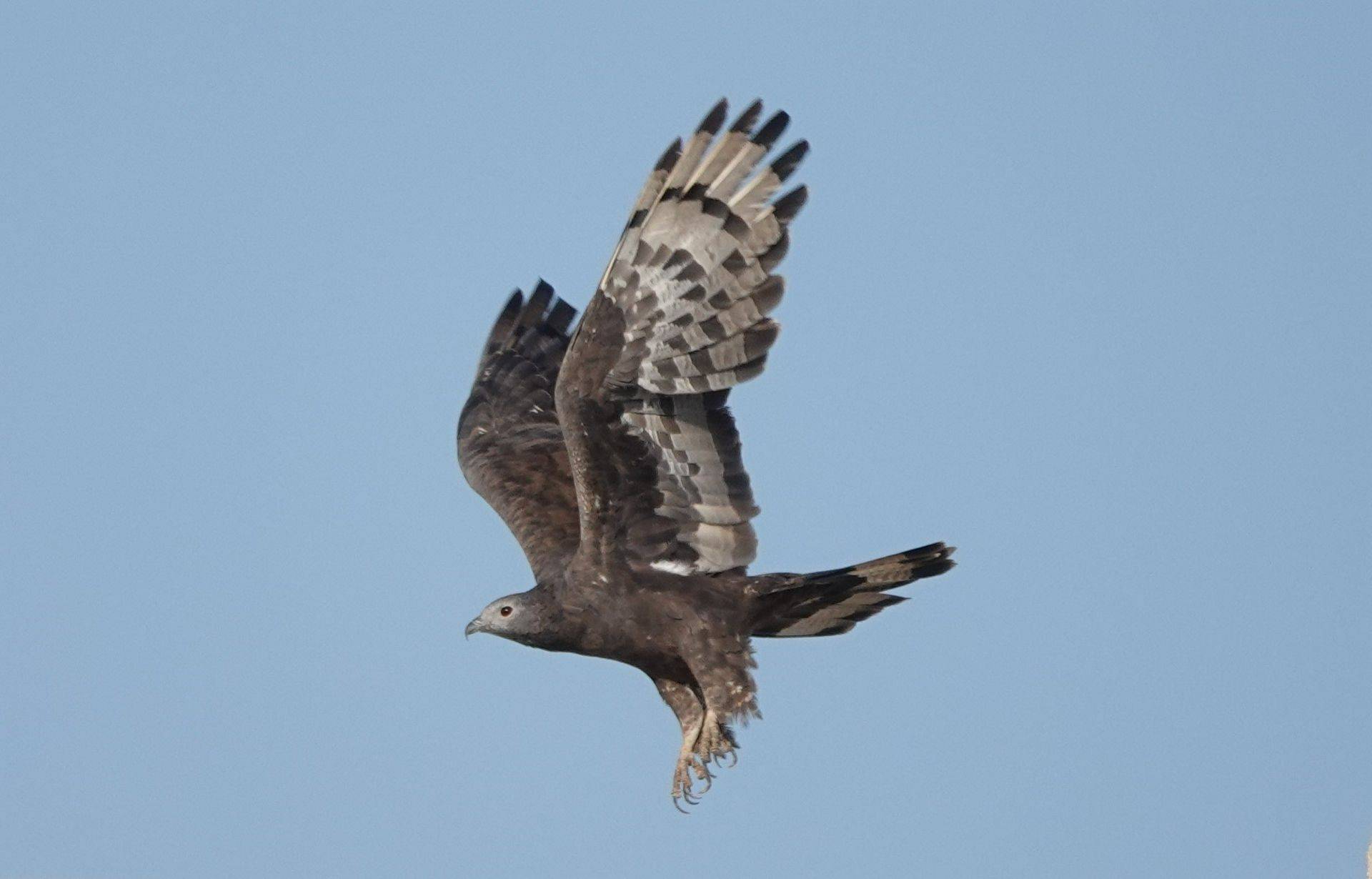
Key birding hotspots include Jahra Pools Nature Reserve, Sulaibikhat Bay, and the Sabah Al Ahmad Nature Reserve. These areas teem with life during winter, hosting waders, waterfowl, and other migratory species. Among the most sought-after raptors are the Greater-spotted, Eastern Imperial and Steppe Eagles alongside Oriental Honey Buzzard and Asian Shikra. Winter visitors such as Grey Hypocolius are high on any birder's wanted list and wintering Western Palaearctic rarities such as Indian Roller and Eversmann’s Redstart are eminently possible. The Arabian Desert, meanwhile, offers a host of resident larks, chats, shrikes and warblers in expansive and iconic landscapes. The coasts and marshes play host to huge numbers of waders, gulls, terns, cormorants and flamingoes and most winters a few breeding stragglers such as Crab-plover and Socotra Cormorant may be present.
Kuwait's winter birding is not limited to nature reserves. Urban parks like Al Shaheed Park attract passerines, including warblers and shrikes, providing easy access to enjoy avian diversity. A growing community of local birdwatchers has increased our awareness of the birds of Kuwait and has made exploring Kuwait's avifauna accessible and rewarding.
For the European or North American birder, winter birding in Kuwait showcases the country’s ecological importance and offers an exciting escape from the bleak northern winter, blending excellent birding with the serenity of its varied landscapes.
- Simple, single-centre birding holiday
- Sought-after Western Palaearctic species such as Grey Hypocolius, Oriental Honey Buzzard, Indian Roller & Crab-plover
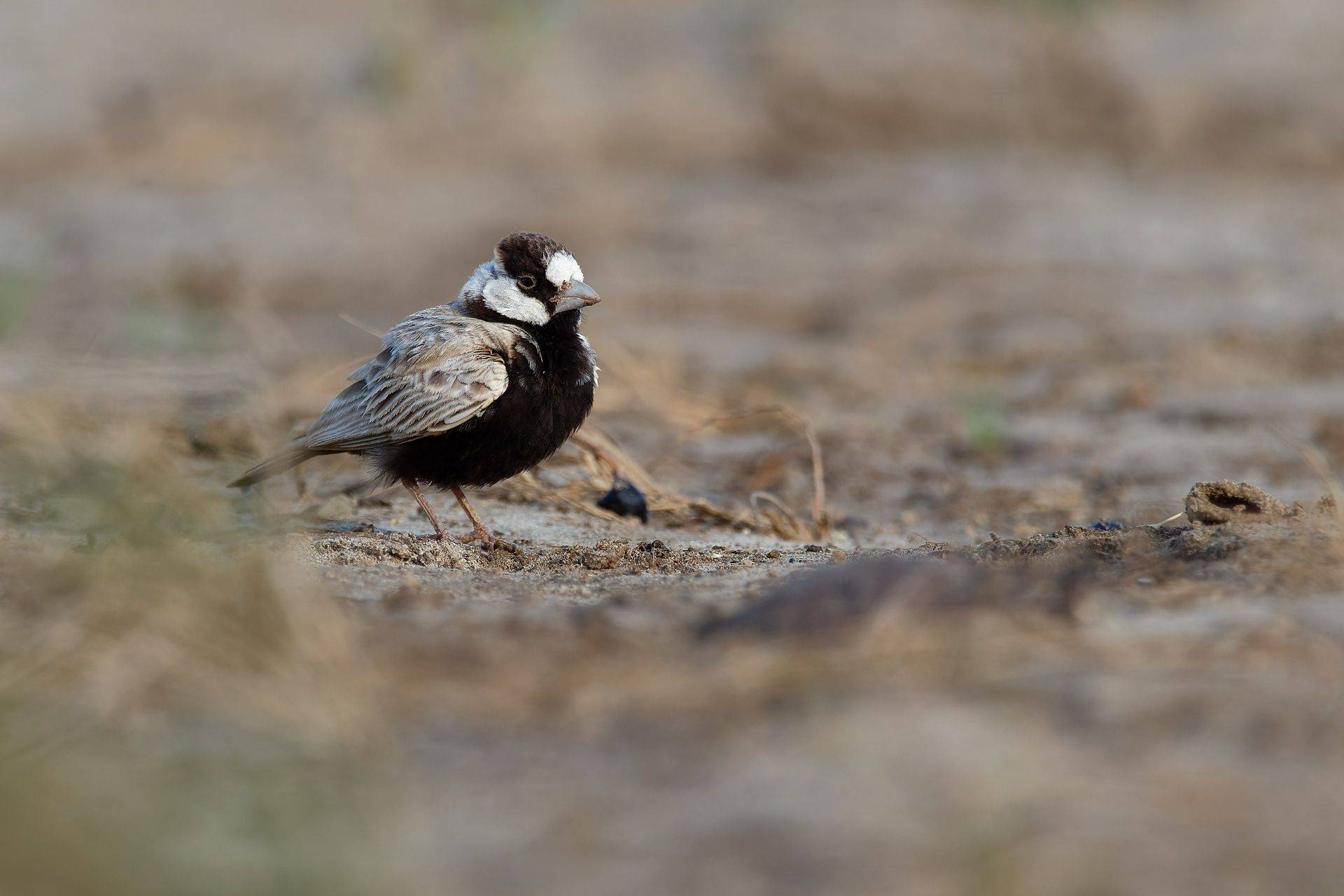
- Classic desert birding with chances of seeing Black-crowned Sparrow-lark, Greater Hoopoe-lark & Arabian Lark
- Led by the country's top ornithologist
Kuwait is a tiny country — covering a mere 18,000 square kilometres — and lies at the head of the Persian Gulf close to the mouth of the Tigris-Euphrates River. Countless raptors, warblers, chats and other birds travelling south between their breeding grounds in Eurasia and their winter haunts in Africa and Arabia are funnelled through the region and stop here to refuel and rest. Many go no further and remain for the winter months. At the same time, Kuwait is home to an enticing suite of resident desert species, as well as hosting a very impressive cast of waterbirds too.
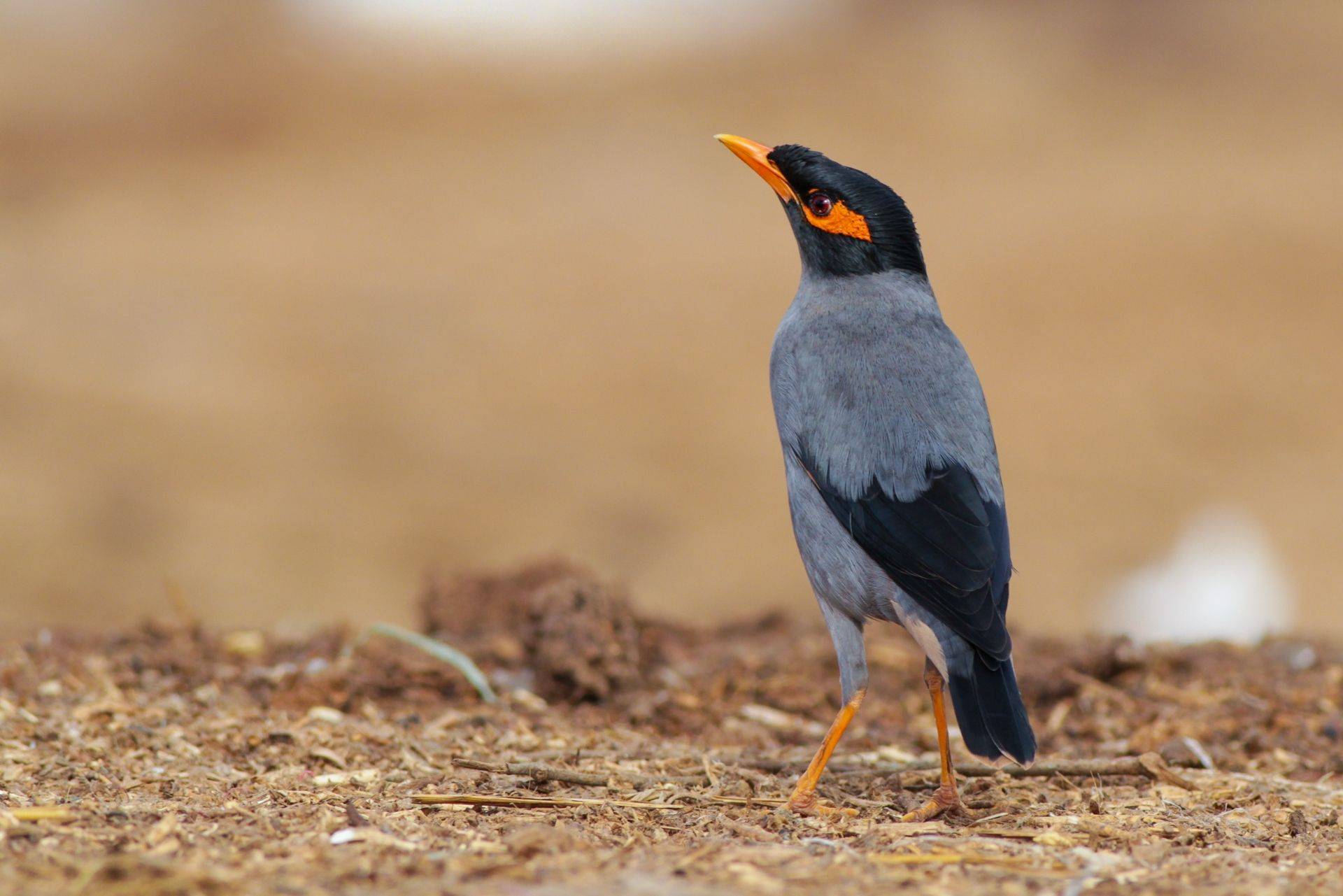
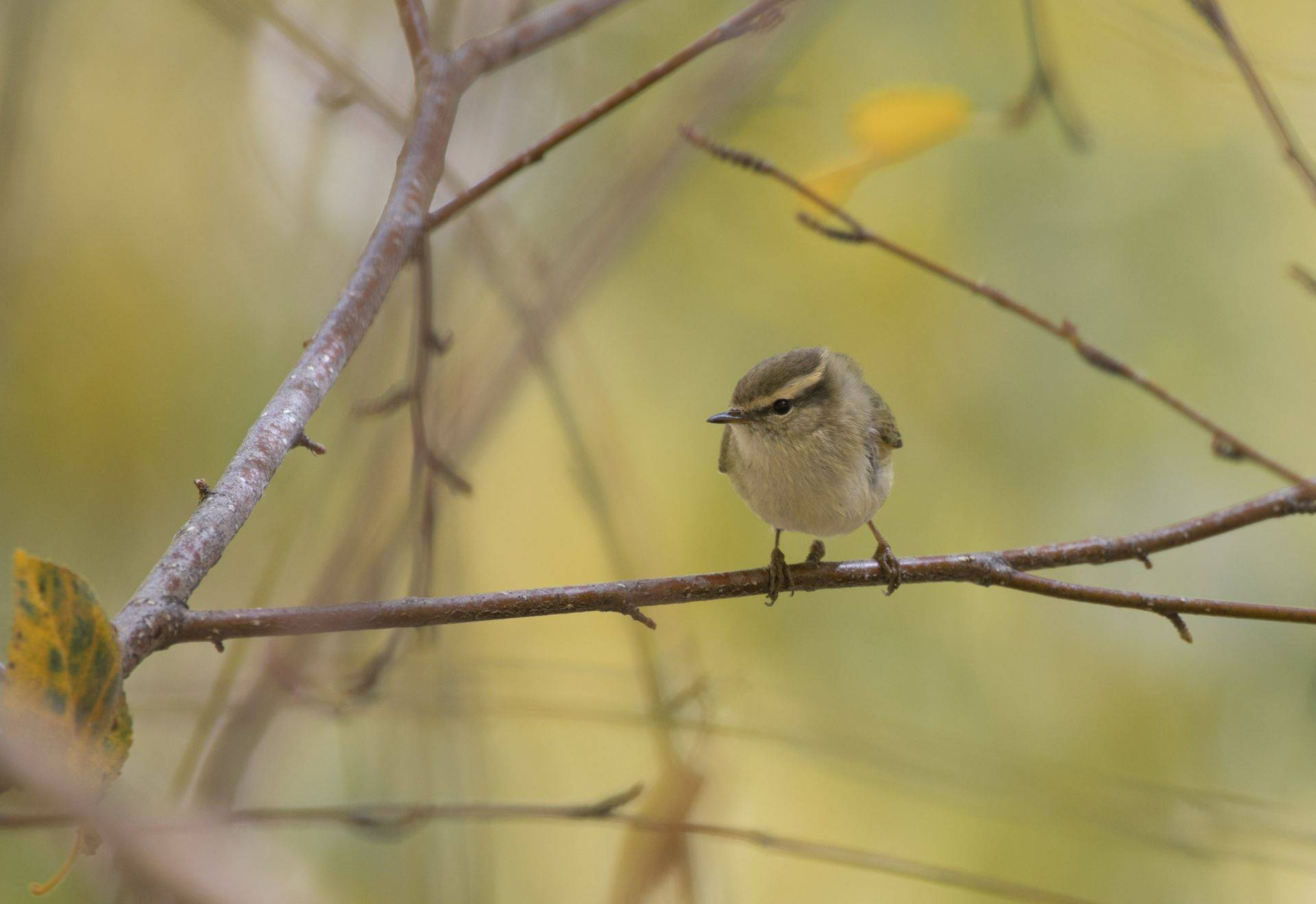
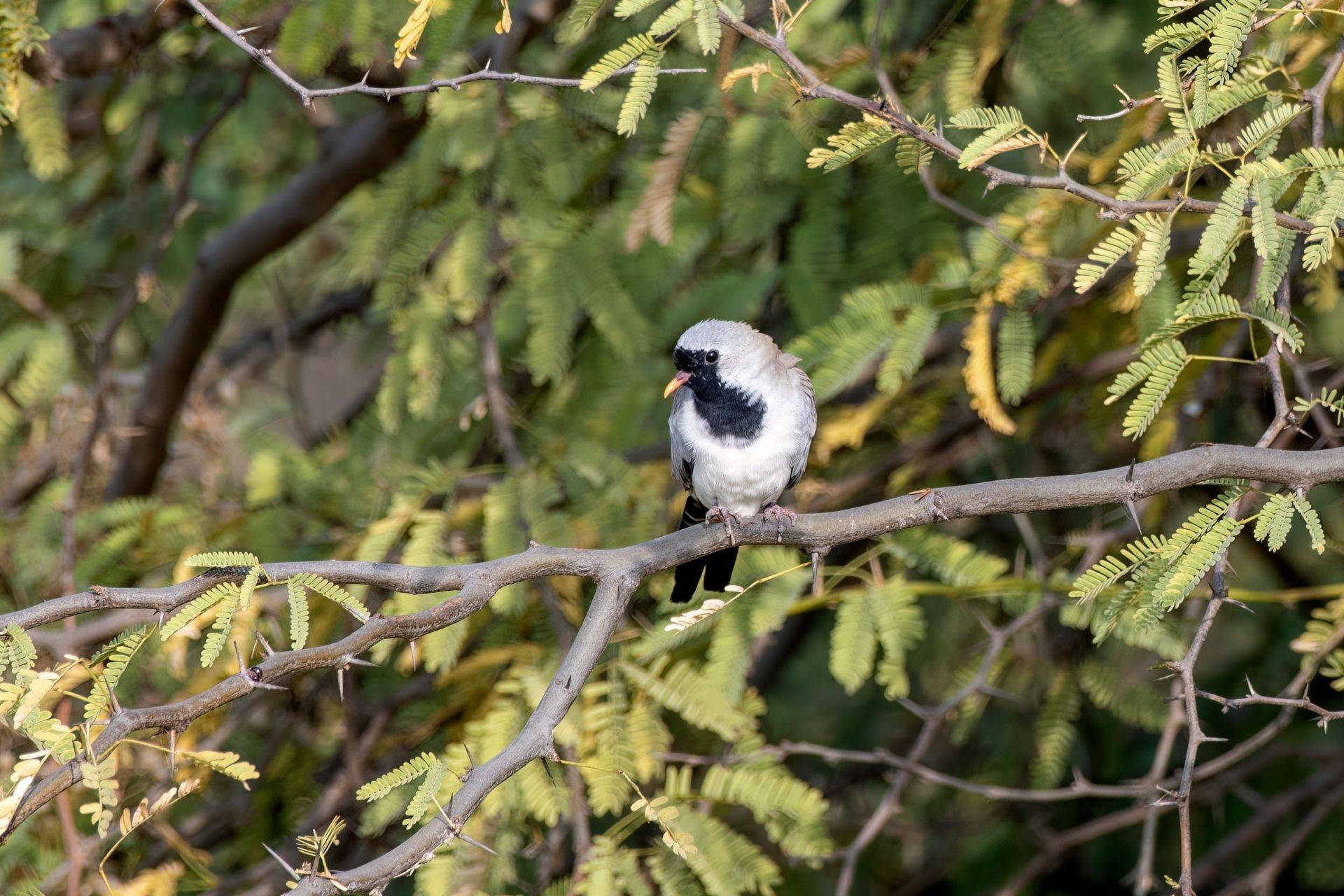
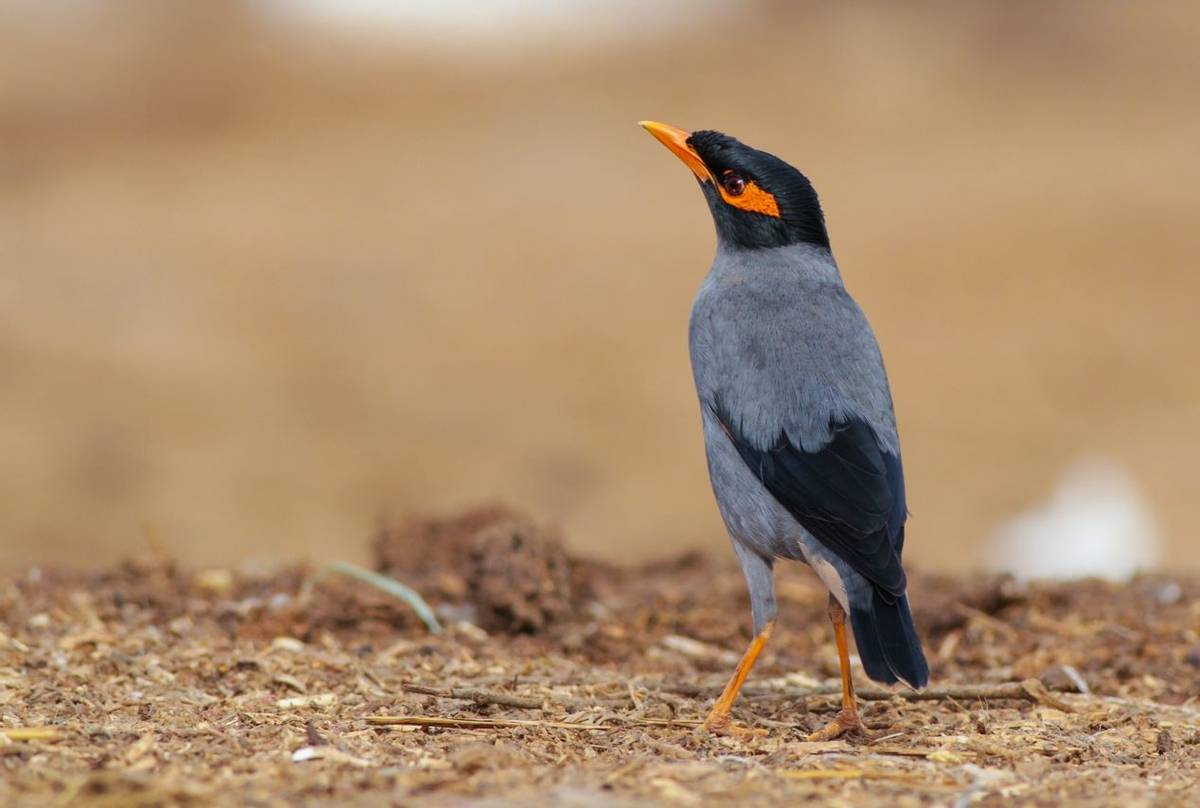
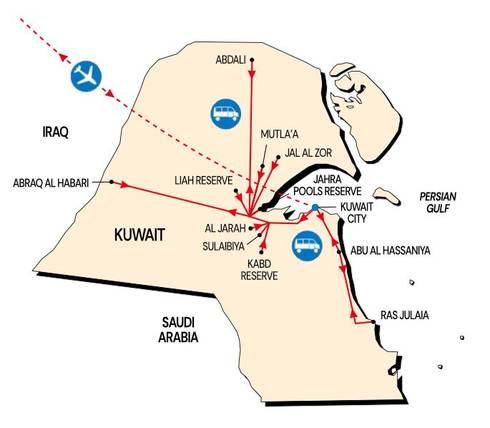
We start our holiday with a flight to Kuwait City, where we will base ourselves in a comfortable hotel for the duration of our stay. From here we will undertake a series of day trips to the country's key birdwatching localities, although on our first day we will stay local and confine ourselves to Kuwait City itself. Here, the green strip of Shaheed Park forms a crescent across the south of the metropolis, attracting resident birds such as White-eared and Red-vented Bulbuls, Namaqua Dove, Common and Bank Mynas and Indian Silverbill, and a variety of Palearctic migrants including Masked Shrike, Rufous-tailed Scrub-robin and many others. The list of possibilities is endless and almost anything could turn up here — a description that applies to most of the country!
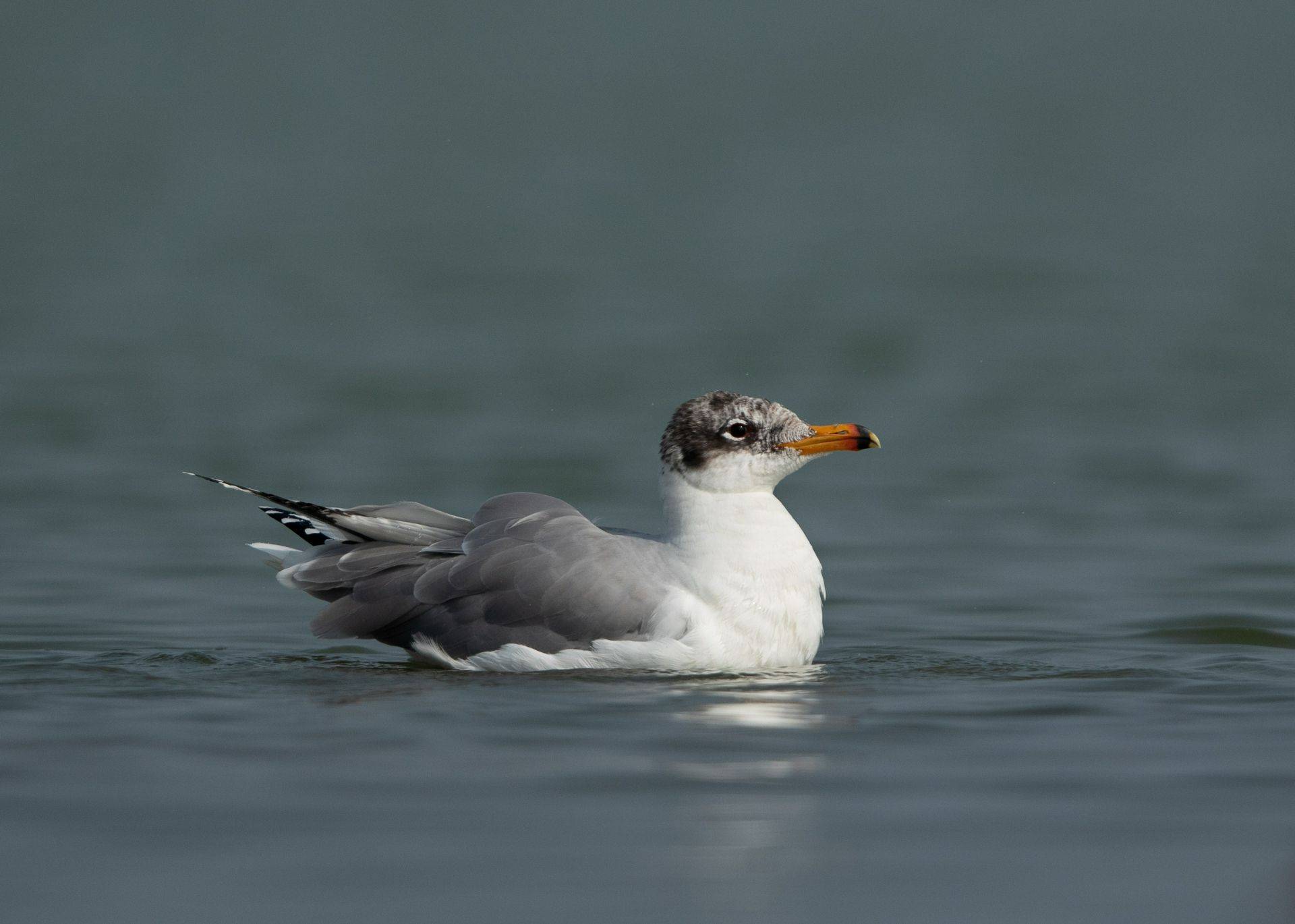
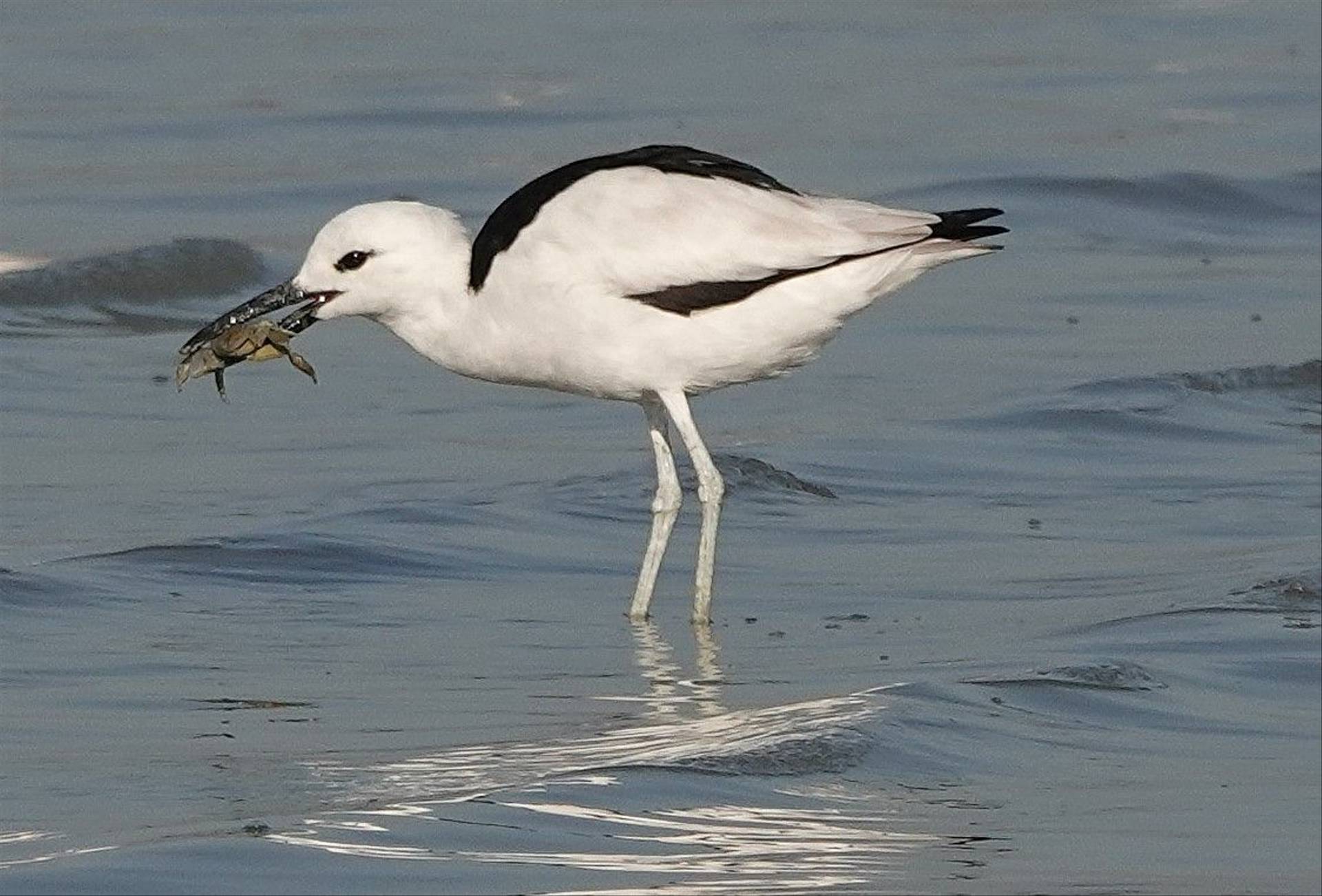
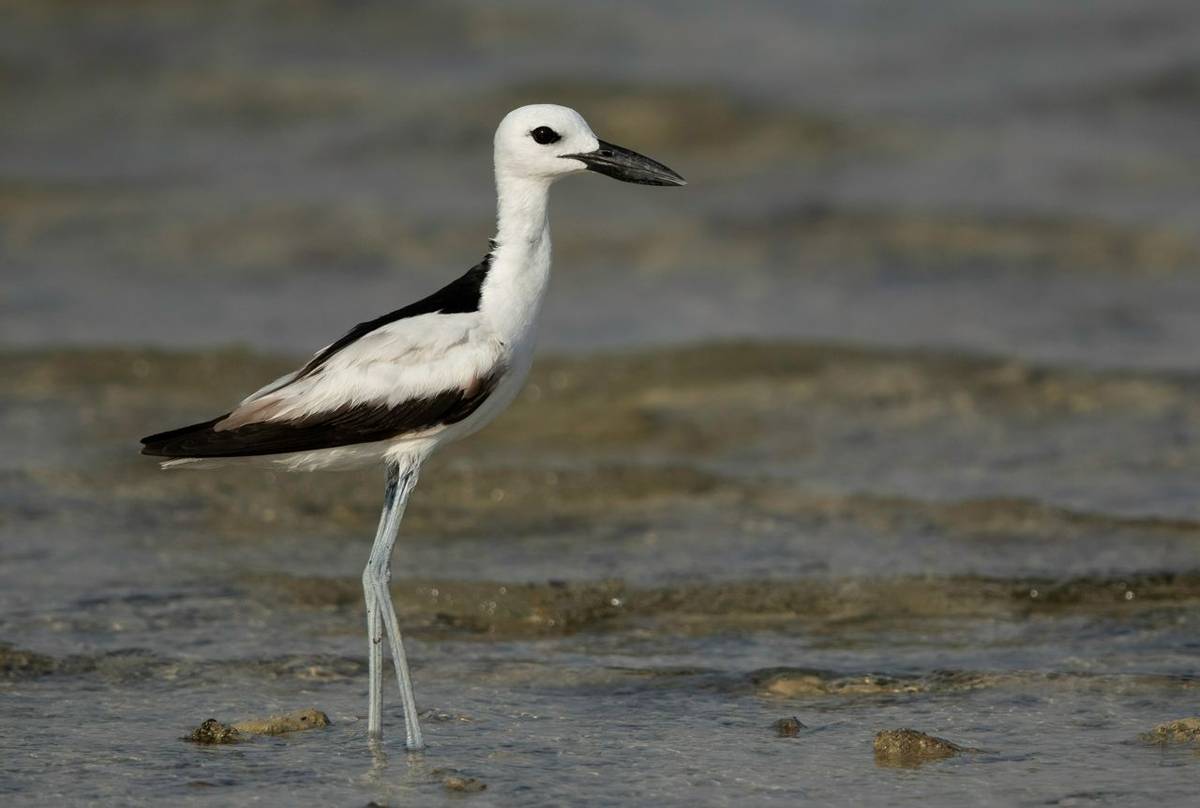
Kuwait City lies on the coast and contains plenty of exciting urban birdwatching sites, not least the shores of Sulaibikhat Bay. Here we will search for waders, among them Greater and Tibetan Sand Plovers and Broad-billed Sandpiper, plus Western Reef Heron, Greater and Lesser Crested Terns, plus Heuglin's, Armenian and Pallas's Gulls. Two species in particular, however, will set pulses racing: Grey Hypocolius and Crab-plover. Breeding in politically awkward places, such as Iran, Grey Hypocolius is a short-distance migrant, but a few flocks of this silky-plumaged bird winter here, feeding on the berries of the Toothbrush Tree (Salvadora persica). The striking Crab-plover breeds on the shores of the Indian Ocean, Red Sea and Persian Gulf. It is black and white in colour with a chunky bill — an Avocet gone rogue some might say — and specialises in, unsurprisingly, eating crabs. A few remain in Kuwait during the winter, and we hope to see both of these specialities on our day around the city.
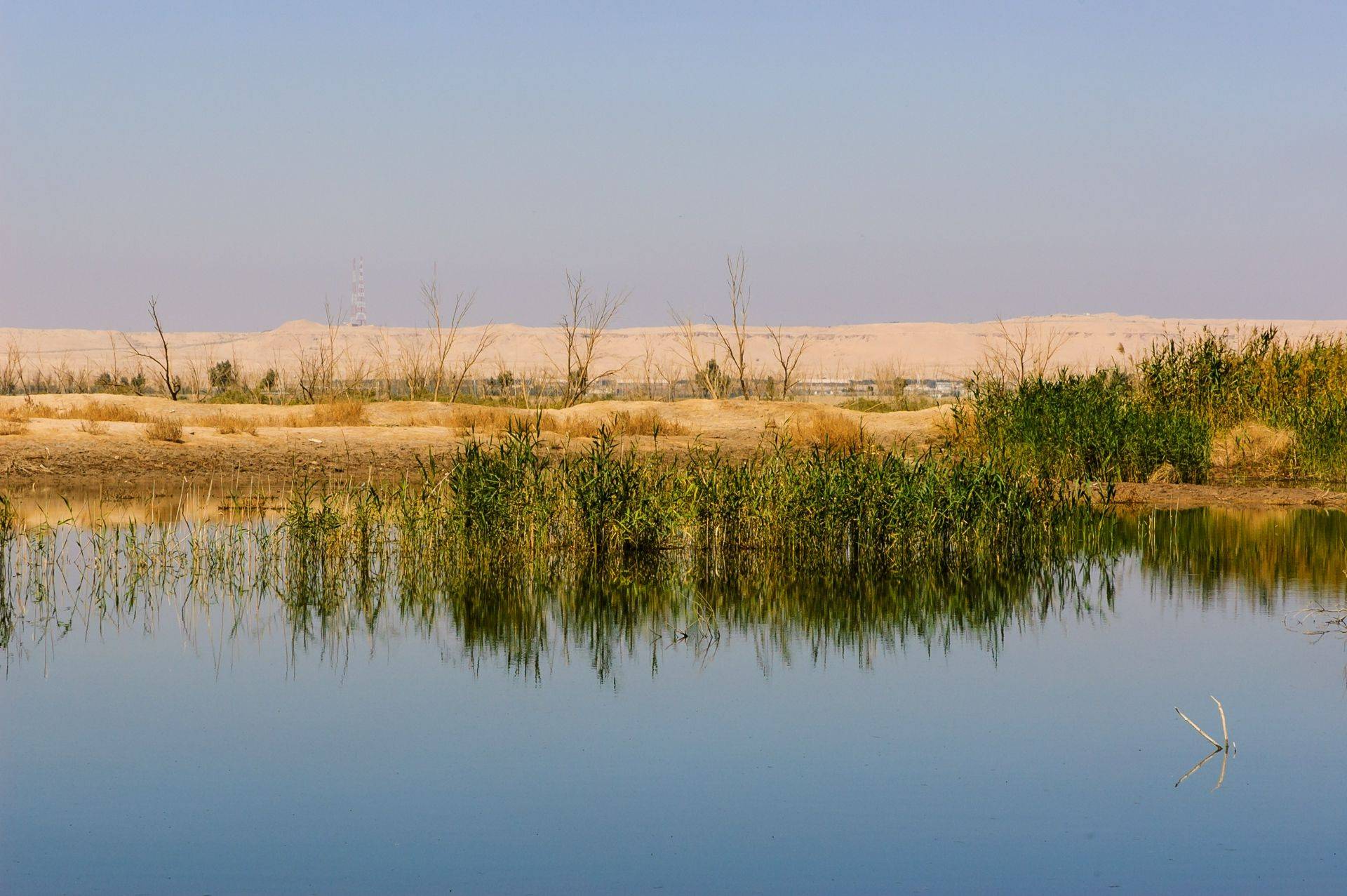
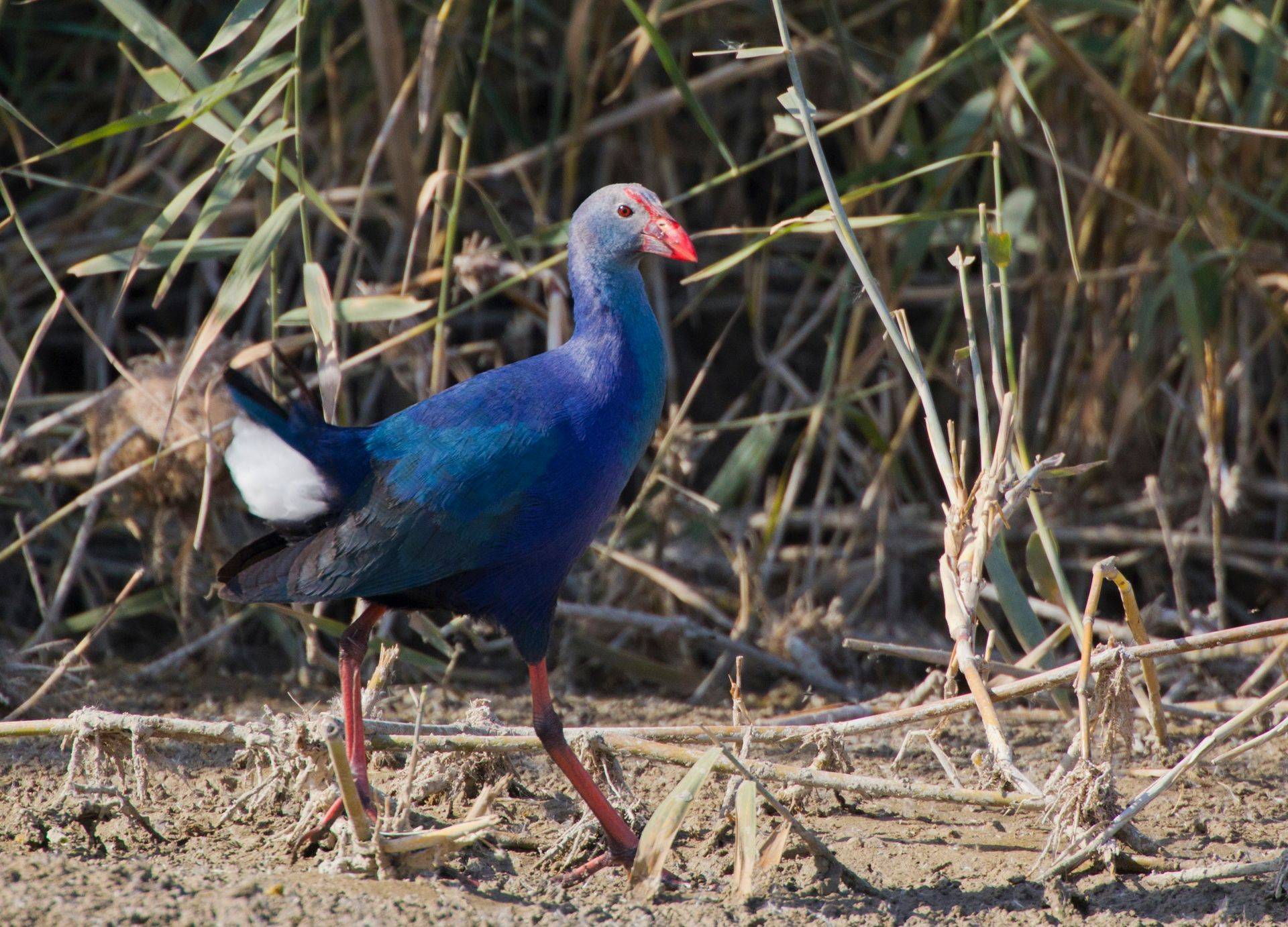
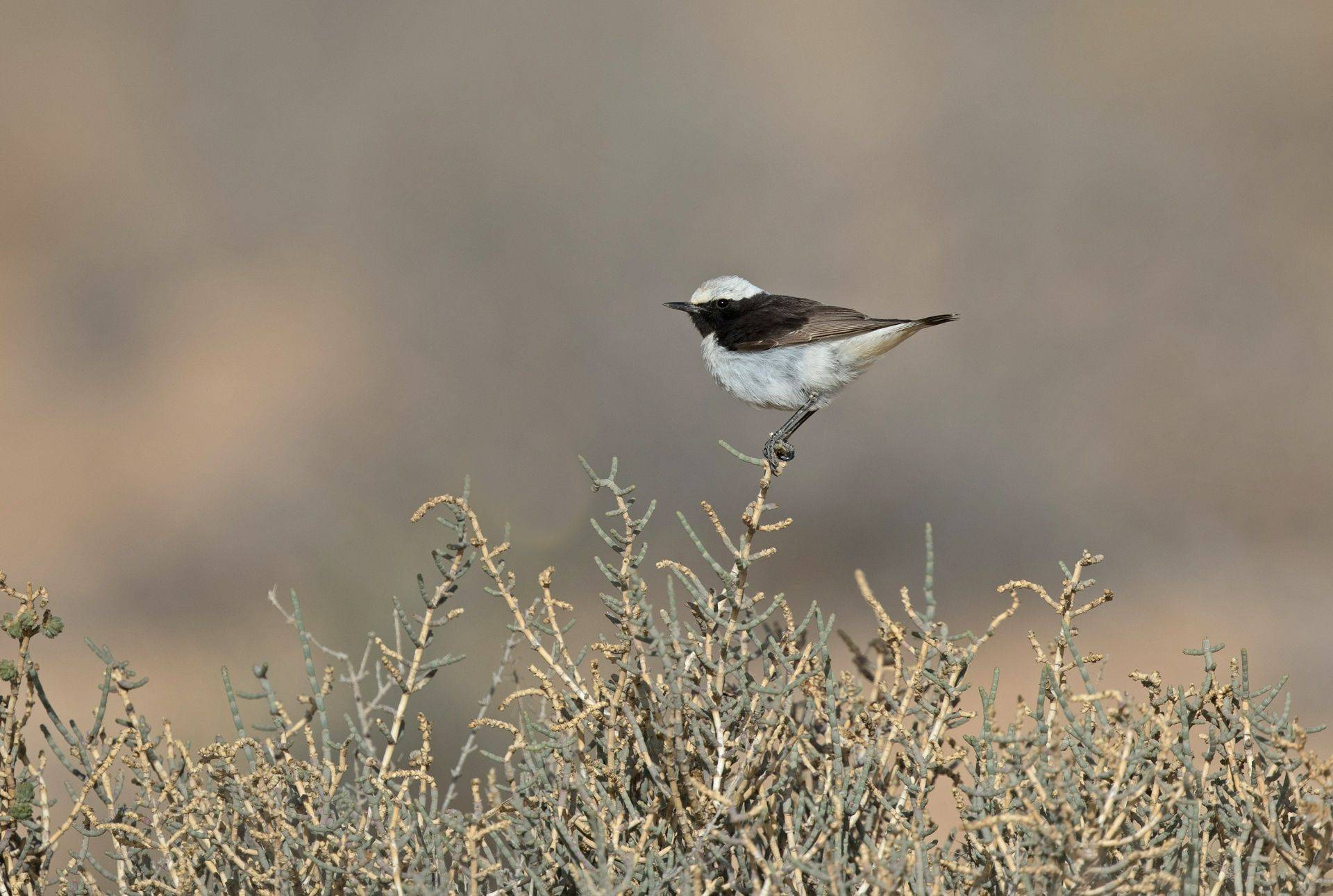
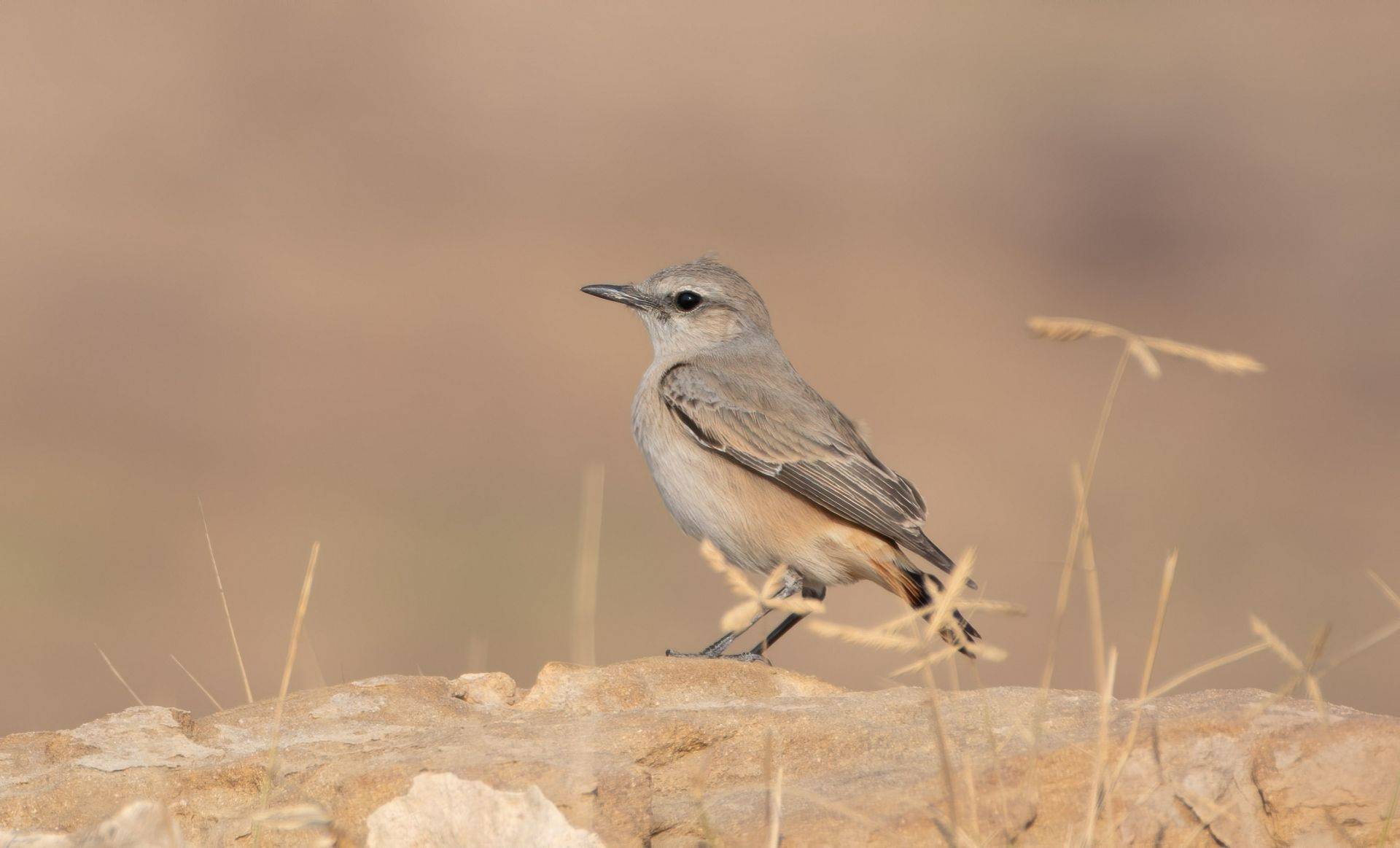
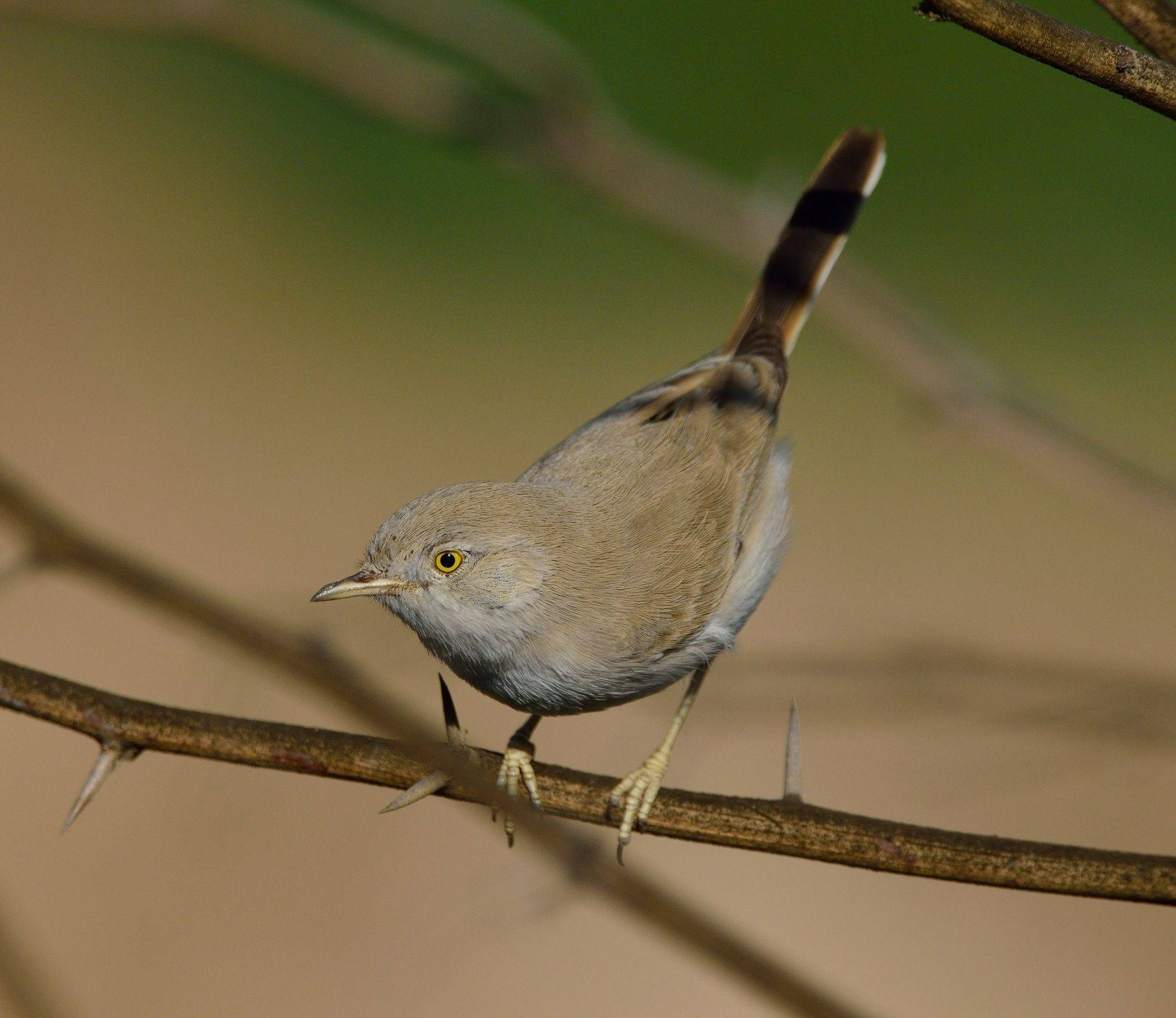
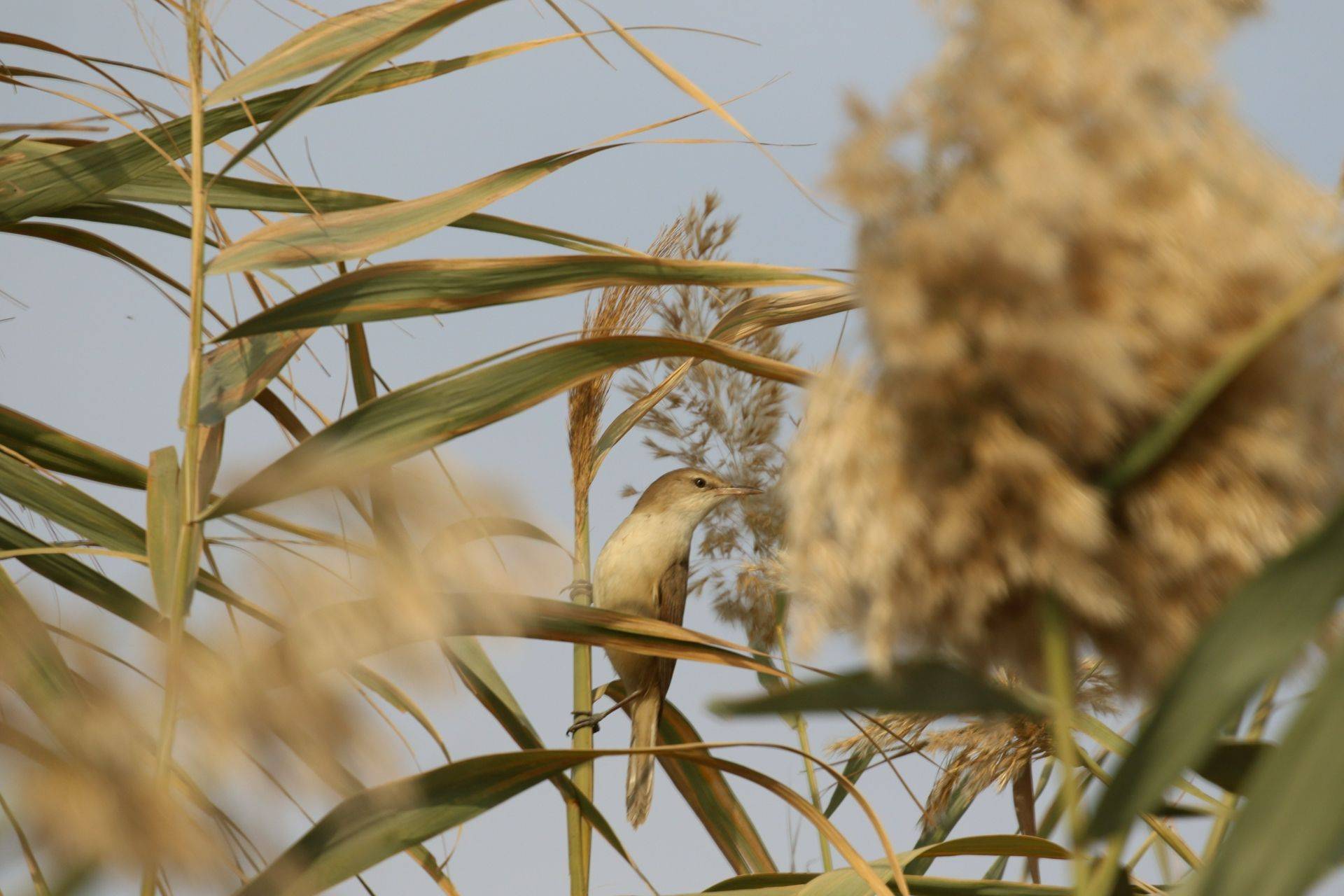
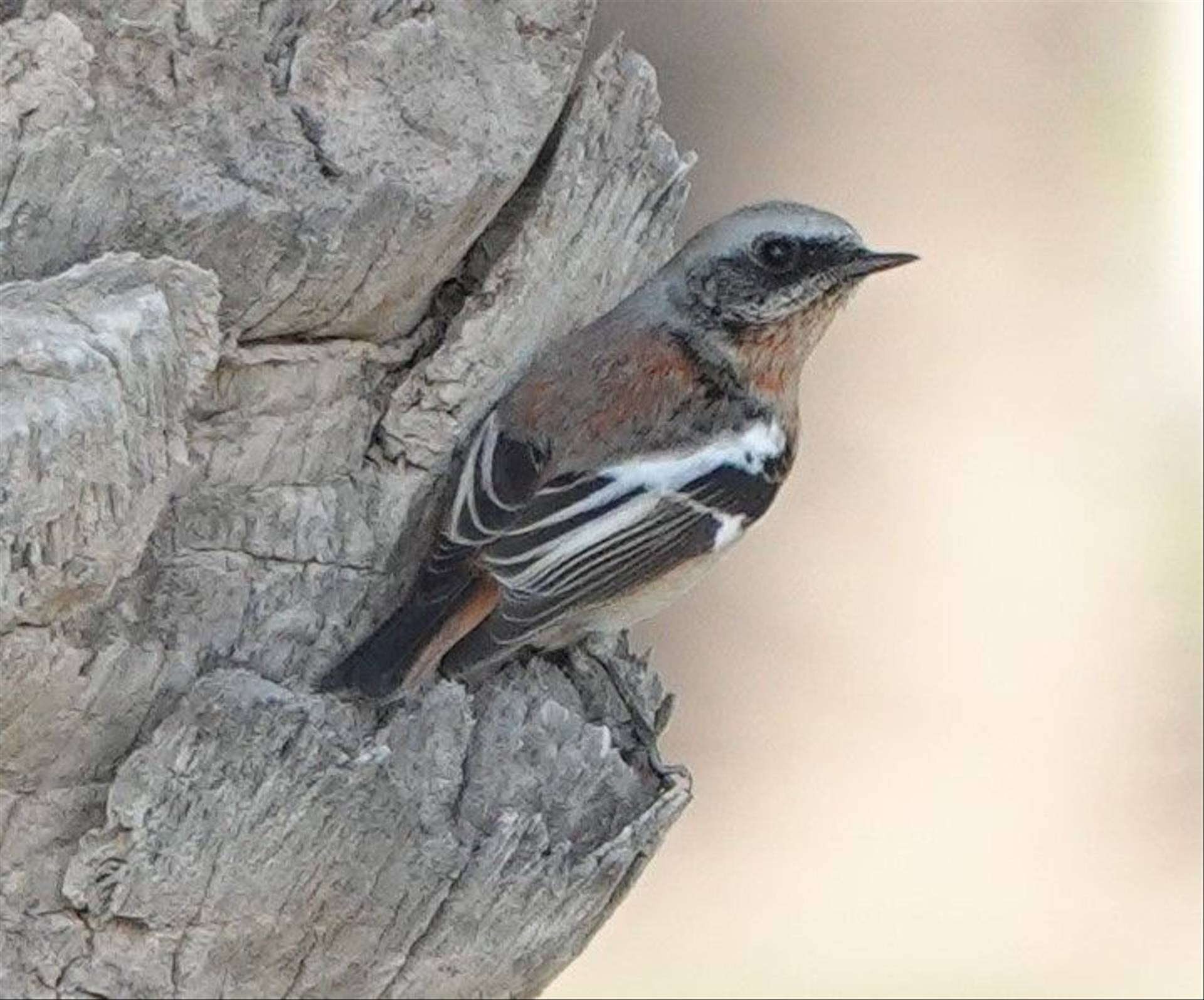
The Jahra Pools Reserve lies a little way to the north of our base and is one of Kuwait's finest wetlands. Here we hope to see Pied and White-throated Kingfishers, Moustached and Clamorous Reed Warblers, Spur-winged, Red-wattled and White-tailed Lapwings, Ferruginous Duck, Grey-headed Swamphen and a wonderful range of other waterbirds. Nearby, the limestone escarpment of Jal Al Zor is a reliable site for Red-tailed, Mourning and White-crowned Wheatears, while the nearby farms may hold such birds as Eversmann's Redstart, Ménétries's and Asian Desert Warblers and a variety of shrikes.
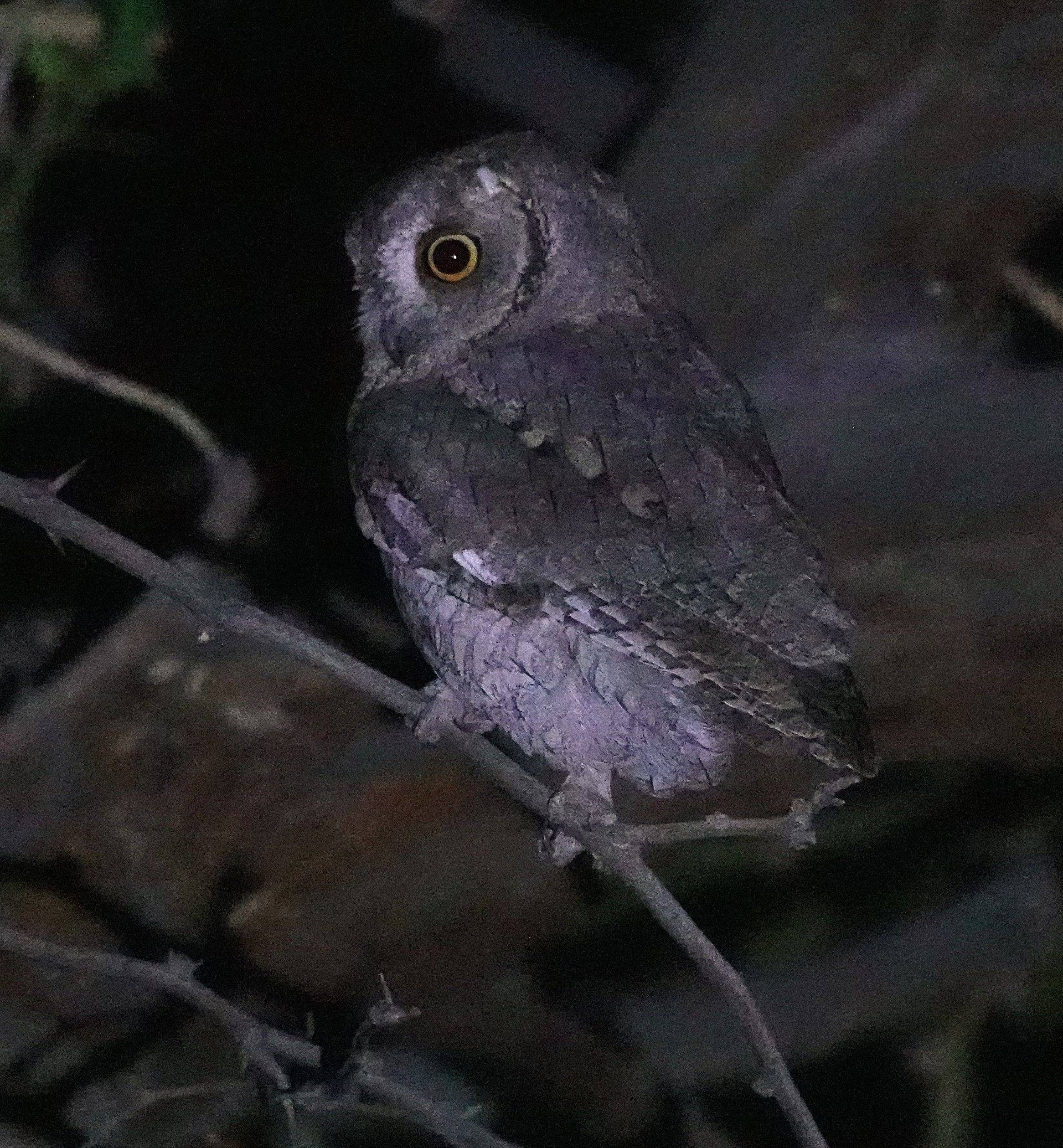
In desert countries such as Kuwait, irrigated farms and fields provide a lush and green refuge for hungry and tired migrants and some of the region's specialities too. The Abdali Farm complex to the north of the city, for example, is a reliable site for Afghan (Common) Babbler, which has bred here since 2007, and Indian Shikra. Meanwhile, the Sulaibiya Pivot Fields is the place to go for the rare Indian Roller (as well as Oriental Skylark), while the critically endangered Sociable Lapwing has been seen here on occasion too. The abundance of birds on these well-watered farms attracts a wide variety of raptors, such as Greater Spotted, Eastern Imperial and Steppe Eagles, alongside Oriental Honey Buzzard and Pallid Harrier. Wintering Pallid Scops Owls are also possible, although very tricky to find.
Surrounding these lush green farms lies the vast Arabian Desert, a moon-like landscape that is still remarkably good for birds. We will look for characteristic species such as Greater Hoopoe Lark and Bar-tailed, Desert and Temminck's Horned Larks, with a chance of Arabian Lark and Black-crowned Finch-lark if fortunate. Isabelline, Finsch's and Desert Wheatears also favour these desert areas and we may even find an impressive Pharoah Eagle Owl roosting on a rocky crag!
We will also venture south of Kuwait City to Abu Al Hasaniya, another wonderful wetland site for waders, including Crab-plover, and Fintas Park in search of wintering passerines. Our tour will be led by AbdulRahman Al-Sirhan, one of Kuwait's top ornithologists and co-author of the Helm Field Guide to 'Birds of the Middle East'.
Outline Itinerary
Day 1
Outbound flights
Day 2
Arrive Kuwait
Day 3
Al Shaheed Park; KISR West
Day 4
Jahra Pools Reserve; Jahra Farms
Day 5
Abu Al Hassaniya; Fintas Park; Ras Julaia
Day 6
Abdaly Farms; Liah Reserve; Kabd Reserve
Day 7
Abraq Al Habari
Day 8
Jal Al Zor; Jahra East Outfall
Day 9
Sulaibiya Pivot Fields
Day 10
Inbound flights
What's Included?
- Flights
- Accommodation:
A comfortable tourist hotel with private facilities throughout, chosen for its proximity to key birdwatching sites.
- Food:
All meals starting with breakfast on Day 2 and ending with dinner on Day 9.
Reviews
Dates & Prices
2026
Departures
Availability
Cost
Thu 26th Nov – Sat 5th Dec
SPACES
£3,995
Flights:
Most Naturetrek tours include flight costs ex-UK. If flights are not included, we indicate that here.
Flights are included in the tour cost
Regional Departures:
On certain tours it is possible to depart from a regional airport (rather than London). If a regional departure is possible, we indicate that here.
Regional Departures are available. Call 01962733051
Land only cost:
The "Land Only" cost is the tour price you will pay if you choose to arrange your own flights/transport.
£3,295
Single Room Supplement:
Single Room Supplement.
£365
Tour Leader:
Please note that, whilst we assign leaders to particular tours well in advance, we reserve the right to make changes if necessary
AbdulRahman Al-Sirhan
Tour Leader: AbdulRahman Al-Sirhan
AbdulRahman Al-Sirhan Alenezi is a vastly experienced Kuwaiti birdwatcher. He holds the positions of Chairman of the Kuwait Ornithological Rarities Committee (KORC), a council member of the Ornithological Society of The Middle East, The Caucasus, And Central Asia, and co-author of 'Birds of the Middle East (Helm Wildlife Guides)'.
2027
Departures
Availability
Cost
Sat 2nd Jan – Mon 11th Jan
SPACES
£4,195
Flights:
Most Naturetrek tours include flight costs ex-UK. If flights are not included, we indicate that here.
Flights are included in the tour cost
Regional Departures:
On certain tours it is possible to depart from a regional airport (rather than London). If a regional departure is possible, we indicate that here.
Regional Departures are available. Call 01962733051
Land only cost:
The "Land Only" cost is the tour price you will pay if you choose to arrange your own flights/transport.
£3,495
Single Room Supplement:
Single Room Supplement.
£395
Tour Leader:
Please note that, whilst we assign leaders to particular tours well in advance, we reserve the right to make changes if necessary
AbdulRahman Al-Sirhan
Tour Leader: AbdulRahman Al-Sirhan
AbdulRahman Al-Sirhan Alenezi is a vastly experienced Kuwaiti birdwatcher. He holds the positions of Chairman of the Kuwait Ornithological Rarities Committee (KORC), a council member of the Ornithological Society of The Middle East, The Caucasus, And Central Asia, and co-author of 'Birds of the Middle East (Helm Wildlife Guides)'.
Sun 21st Nov – Tue 30th Nov
SPACES
£4,195
Flights:
Most Naturetrek tours include flight costs ex-UK. If flights are not included, we indicate that here.
Flights are included in the tour cost
Regional Departures:
On certain tours it is possible to depart from a regional airport (rather than London). If a regional departure is possible, we indicate that here.
Regional Departures are available. Call 01962733051
Land only cost:
The "Land Only" cost is the tour price you will pay if you choose to arrange your own flights/transport.
£3,495
Single Room Supplement:
Single Room Supplement.
£395
Tour Leader:
Please note that, whilst we assign leaders to particular tours well in advance, we reserve the right to make changes if necessary
AbdulRahman Al-Sirhan
Tour Leader: AbdulRahman Al-Sirhan
AbdulRahman Al-Sirhan Alenezi is a vastly experienced Kuwaiti birdwatcher. He holds the positions of Chairman of the Kuwait Ornithological Rarities Committee (KORC), a council member of the Ornithological Society of The Middle East, The Caucasus, And Central Asia, and co-author of 'Birds of the Middle East (Helm Wildlife Guides)'.
2028
Departures
Availability
Cost
Wed 5th Jan – Thu 13th Jan
SPACES
£3,995
Flights:
Most Naturetrek tours include flight costs ex-UK. If flights are not included, we indicate that here.
Flights are included in the tour cost
Regional Departures:
On certain tours it is possible to depart from a regional airport (rather than London). If a regional departure is possible, we indicate that here.
Regional Departures are available. Call 01962733051
Land only cost:
The "Land Only" cost is the tour price you will pay if you choose to arrange your own flights/transport.
£3,295
Single Room Supplement:
Single Room Supplement.
£365
Wed 22nd Nov – Thu 30th Nov
SPACES
£4,195
Flights:
Most Naturetrek tours include flight costs ex-UK. If flights are not included, we indicate that here.
Flights are included in the tour cost
Regional Departures:
On certain tours it is possible to depart from a regional airport (rather than London). If a regional departure is possible, we indicate that here.
Regional Departures are available. Call 01962733051
Land only cost:
The "Land Only" cost is the tour price you will pay if you choose to arrange your own flights/transport.
£3,495
Single Room Supplement:
Single Room Supplement.
£395
Prefer to Travel in a Private Group?
For any interested natural history club or society, we can arrange for a private departure of this tour.
Enquire
Tour Reports
Why Naturetrek?
At Naturetrek we craft expertly-guided group and tailor-made wildlife holidays and cruises to all seven continents. On one of our holidays, you can be assured that our passionate team will enable you to experience and enjoy the best of the world's wildlife and natural spectacles in as comfortable and rewarding a manner as possible, caring as best we can for the environment in the process. We are proud to provide:
- The widest choice of wildlife holidays worldwide
- Tours managed and led by naturalists, for naturalists
- Outstanding value and exceptional customer service
Furthermore, as a Naturetrek client, our office team are always to on hand to help you – so if you have any queries about your holiday, whether before or after you have booked, we will be delighted to answer them on the phone. Please just give our team a call!