 Loading search...
News in Brief: India, France, Sicily, Poland & Spain
March 2026
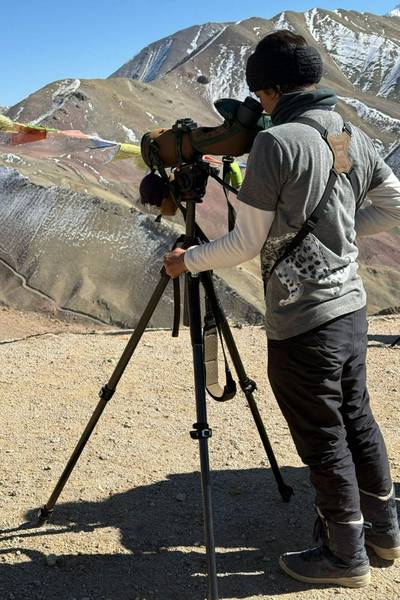
‘This Snow Leopard expedition to Ulley Valley in Ladakh was a highly successful high‑altitude wildlife journey, combining focused tracking with cultural immersion,’ writes tour leader Kopal Thakur. ‘After arriving in Leh, the group prioritised acclimatisation through guided walks, ecological briefings and visits to important cultural sites, including Thiksey Monastery during Losar. Early outings produced excellent bird sightings, including Wallcreeper, while sessions at the Snow Leopard Conservancy deepened our understanding of the species’ ecology.
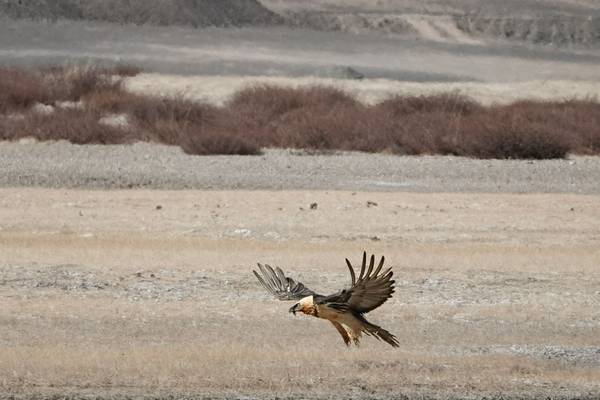
In Ulley Valley, results were immediate and exceptional! Within minutes of arrival, the group recorded their first Snow Leopard sighting – an extraordinary start! A major highlight followed: an extended, full‑day observation of a Snow Leopard mother and cub in Mangyu Valley, allowing us to watch their behaviour and enjoy plenty of photography. Additional predator encounters included Tibetan Wolves on two occasions, while other mammals featured Red Fox, large herds of Ibex and Ladakhi Urial. Despite the temporary absence of some winter migrants, birdlife remained rewarding, with White‑browed Tit‑warbler, Ibisbill, Himalayan Snowcock, Golden Eagle, Bearded Vulture, Himalayan Griffon and a much‑anticipated Solitary Snipe. Each day we combined long hours scanning from vantage points, guided walks and close coordination with a skilled local tracker network, offering both sightings and insights into predator–prey dynamics.
Our expedition also delivered a strong sense of place, shaped by Ladakh’s stark winter landscapes and meaningful community interactions. A stay at Above & Beyond in Ulley provided an authentic, community‑run experience. Final days focused on field signs such as scrapes, scent markings and kill remains. Concluding in Leh and later Delhi – with a visit to Sultanpur Bird Sanctuary – the trip achieved all key targets, blending outstanding wildlife encounters, cultural depth and seamless organisation.'
May 2026
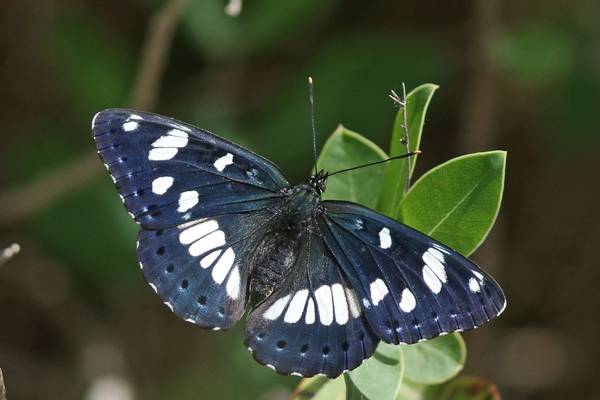
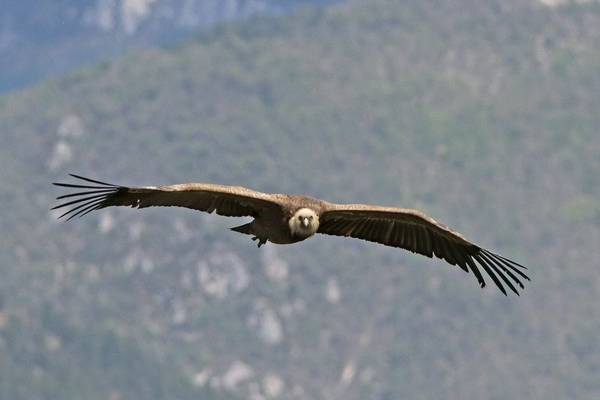
‘Our first of two five-day trips to the Camargue, and surrounding areas in southern France, this May was mostly blessed with warm, sunny weather’ writes leader Neil McMahon. ‘We explored the limestone outcrops of Les Alpilles, wandered through the marshes and fields of Camargue National Park, enjoyed an excursion to the coast, and there was also an opportunity for a wander in the historic town of Arles. Marais du Vigueirat was our first introduction to the waterbirds of this region with plenty of Glossy Ibis, White Storks, an array of herons and noisy Gull-billed Terns. We were introduced to our first Coypus of the trip and enjoyed dragonflies and frogs, lizards and butterflies. We stayed in our usual, comfortable hotel on the outskirts of Arles, venturing out most mornings prior to breakfast to see what birds might be on offer. These strolls provided us with familiar birds of the region with Nightingales, Melodious Warblers and Sardinian Warblers ever constant singers in the hedgerows. Open country birds included Zitting Cisticola, Crested Lark, Tawny Pipit and calling Quail. The beautiful scenery of Les Alpilles was the backdrop to sightings of Blue Rock Thrush, Alpine Swift, Crag Martin, Nightjar and even a passing Griffon Vulture with the butterflies including Swallowtail, Cleopatra and Southern White Admiral. No visit to the Camargue would be complete without the 'pink army' of Greater Flamingos, the gleaming white horses and the brooding black bulls – and we encountered plenty!'
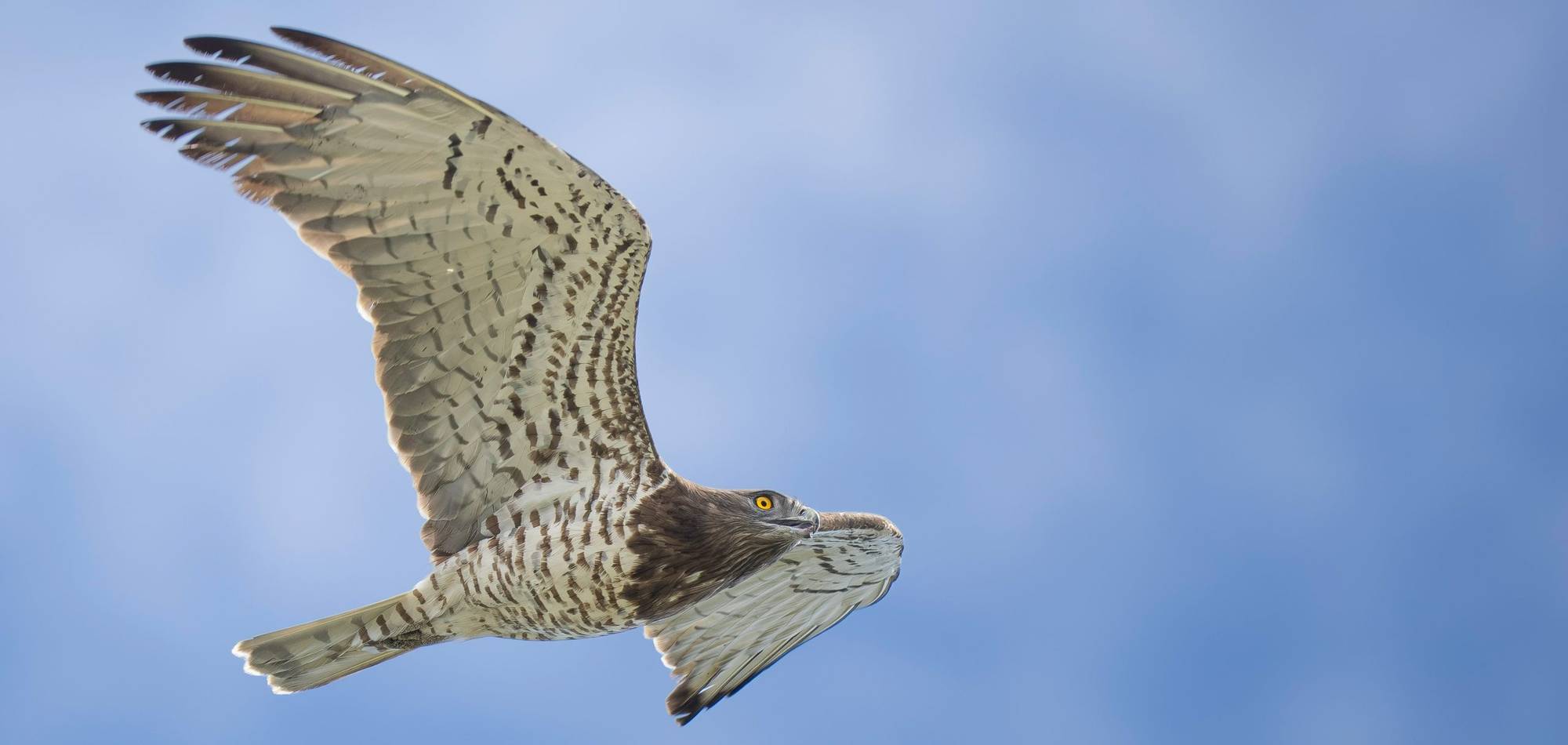
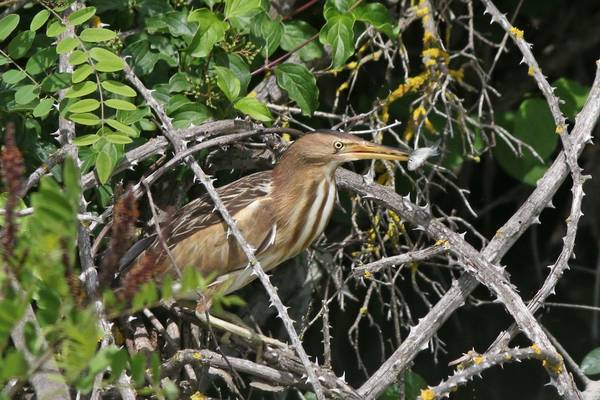
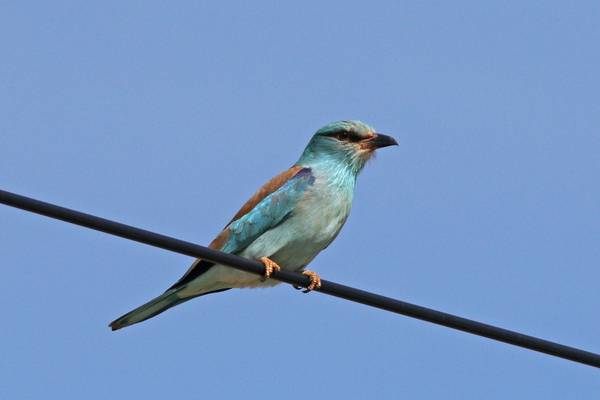
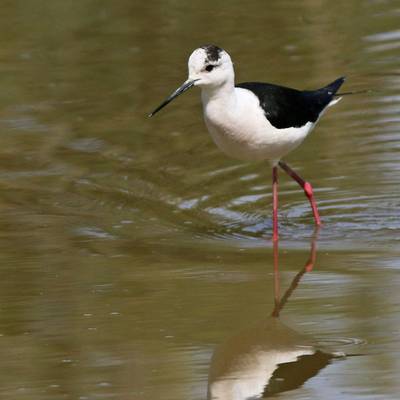
'Our second trip to the Camargue focused once again on the wildlife in the special region between Marseille and Montpellier. Naturally, the legendary Greater Flamingos were high on everyone’s list, and we enjoyed them at Parc Ornithologique alongside elegant herons, Black-winged Stilts, gulls, and terns, all seen up close. Short-toed Eagles made daily appearances in different settings, while our raptor sightings also included the sought-after Bonelli’s Eagle, Honey Buzzard, Montagu’s Harrier, Lesser Kestrel, and even a squadron of Griffon Vultures. Adding colour and charm, Rollers, Bee-eaters, Hoopoes, Red-backed Shrikes and Golden Orioles put on a show, with individuals of Squacco Heron, Little Bittern, and a silhouetted Eurasian Eagle Owl providing those unforgettable “wow” moments. With hearty breakfasts and dinners at the hotel (and Naturetrek picnics keeping us fuelled during the day!), we explored the countryside and were lucky to spot some of the trickier species, such as a singing Moustached Warbler and a few “fly-by”, growling Pin-tailed Sandgrouse – what a trip!'
View tour
April 2026
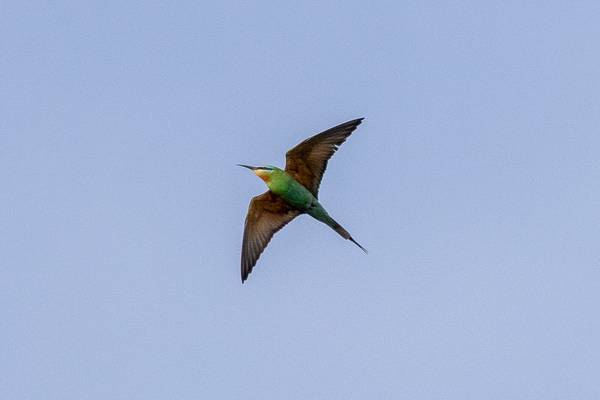
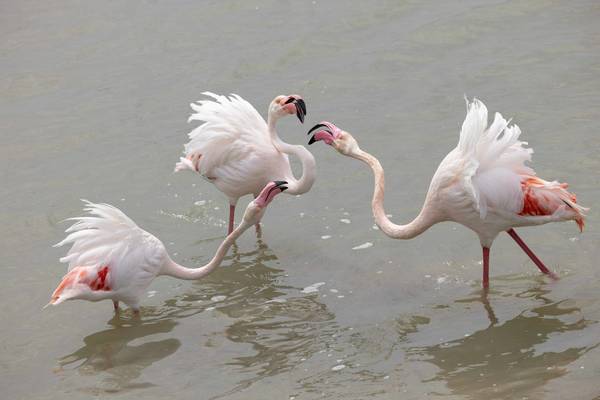
‘A memorable first week in Sicily delivered an outstanding mix of birds, wildlife, scenery and culture,’ writes tour leader Marcus Ward. ‘From the wetlands of Foce del Simeto, Vendicari Nature Reserve and Siracusa Salinas, to the private reserve at Pantano Cuba e Longarini, the group enjoyed excellent birding, with highlights including Greater Flamingo, Collared Pratincole, Ferruginous Duck, Richard’s Pipit, Blue-cheeked Bee-eater, Red-footed Falcon and Eastern Black-eared Wheatear. Offshore watches produced Scopoli’s Shearwater, while migration brought a steady arrival of warblers, flycatchers and wagtails. Moth trapping added further interest, with Striped Hawk-moth a particular favourite. Beyond the wildlife, the dramatic landscapes of Mount Etna, the gorge at Cava Grande del Cassibile and the historic streets of Noto and Siracusa added great variety. Combined with excellent food, warm hospitality and a cheerful group, it made for a thoroughly enjoyable week.
The second week provided another superb blend of spring migration, resident wildlife, and spectacular scenery. Wetland sites such as Foce del Simeto, Siracusa Salinas, Vendicari Nature Reserve and Saline di Priolo Nature Reserve were alive with birds, including large numbers of Greater Flamingo, Glossy Ibis, Squacco Heron, Temminck’s Stint, Little Stint and a fine selection of terns and gulls. A visit to Pantano Cuba e Longarini again proved exceptional, with breeding Collared Pratincoles and excellent wetland birding throughout. Upland habitats added further variety, with Cirl Bunting, Blue Rock Thrush and Northern Wheatear, while Mount Etna offered dramatic volcanic landscapes and close views of recent eruptive activity. Cultural visits to Siracusa Archaeological Park and Noto complemented the wildlife perfectly. With excellent food, warm weather and great company throughout, the week was another outstanding success!’
March & April 2026
‘The 2026 season of our “Poland's Mammals: In Search of the Eurasian Lynx!” holiday was once again a huge success’, writes Operations Manager, Tom Mabbett. ‘The field experience of Mark and Jan, our two guides in the area, as well as the use of thermal imaging and a varied programme, ensured that each of the five tours this year achieved a very impressive range of species.’
Tour leader Jan Kelchtermans describes the tours…
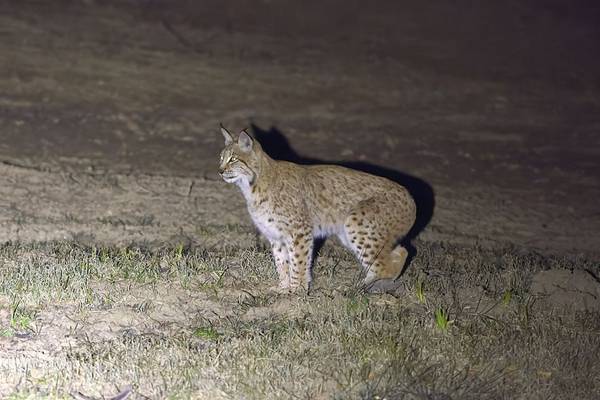
‘In terms of Eurasian Lynx sightings, we succeeded in four out of the five tours and, when an animal was found, they all co-operated perfectly, including an adult male near some recently killed prey, a Lynx chasing a Fox, and two Lynx hunting rodents along the roadside. A fifth Lynx allowed itself to be observed and photographed for an extended period in a beech forest bordering the road.
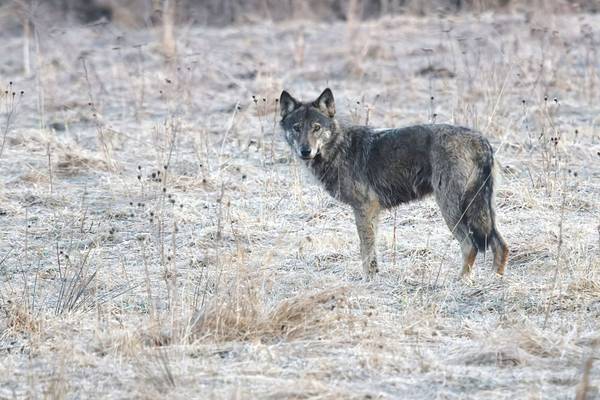
Wolves were sighted during all tours, with five different packs located. One pack of eight individuals, in particular, gave prolonged views to virtually every group of tour participants during early morning daylight.
Bears started to appear from the second week of tours, our groups encountering lone adults, mothers with cubs and immature individuals.
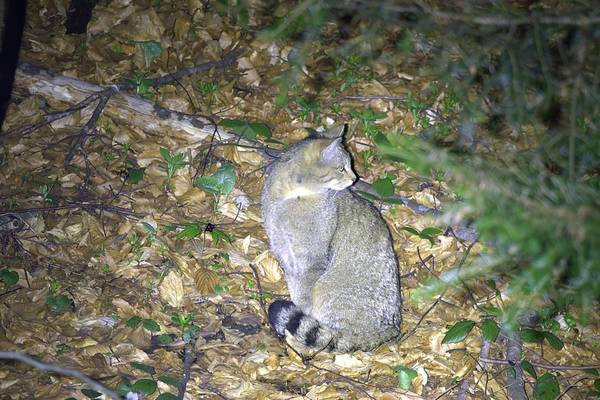
Wildcat were less numerous than in previous years, but we still saw them on four out of five tours. The drought, as well as the relationship with rodents, may have played a significant role.
Otters were primarily spotted in and near the pools of Beaver lodges, which they sought out via rivers to forage. The first of the five tours was a standout, where we managed to spot more than ten individuals!
European Bison were seen during all tours. From the third week onwards, large herds were spotted multiple times foraging on the first green grass in meadows bordering forests.
A specific Beaver pool was visited during all tours, as a family of six individuals could be observed there every late afternoon. It was wonderful to see Europe’s largest rodent at work in daylight!
The list of other, smaller mammals included Pine Marten, Stone Marten, Polecat, and Eastern Hedgehog. Given the sometimes cold and especially dry weather, the number of Fire Salamander sightings fluctuated during the tours.
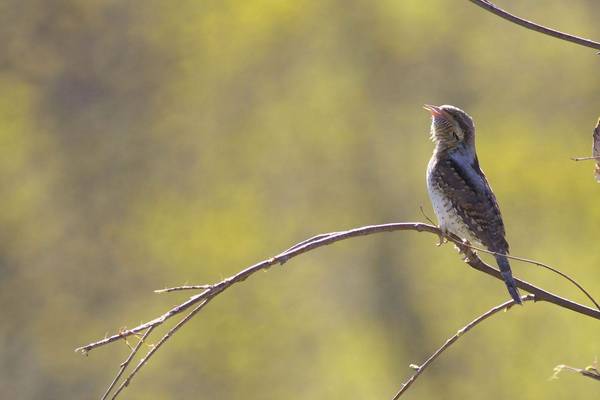
In terms of bird species, we observed quite a variety: from large groups of migrating songbirds at the start, evolving into spring visitors once the tours drew to a close. At the beginning, we saw huge migrating flocks of Brambling, Redwing, Ring Ouzel, Waxwing and Gargeney. Towards the end, the first summer visitors arrived, namely Lesser-spotted Eagle, Hoopoe, Wryneck and Collared Flycatcher. Well-known iconic species in the area were Nutcracker, Hazel Grouse, Black Woodpecker, White-backed Woodpecker, Black Stork and Golden Eagle. This year, sadly, there were low numbers of Ural Owls and Tawny Owls, but what was remarkable was the many calling Tengmalm’s Owls, the first Short-eared Owl ever on this tour, as well as several Long-eared Owls. The most exceptional sighting was a passing male Pallid Harrier!
Every visit is different, but they always have many special sightings. Please join us next year!’
March 2026
‘This week was defined by the raw beauty of Andalucía and a series of extraordinary wildlife encounters that we won't soon forget’ write tour leaders Simon Tonkin and Niki Williamson. ‘From the misty, prehistoric hills of Los Alcornocales, to the dramatic crags of Bolonia, every day revealed a new treasure – including a resident Spanish Imperial Eagle sweeping past us and the heart-lifting sight of Long-finned Pilot Whales guiding their tiny calves through The Straits.
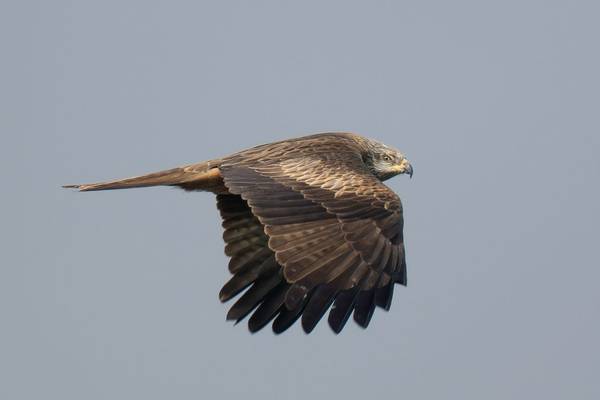
Above all, the sheer scale of the spring migration was a constant highlight, as we watched hundreds of Black Kites, Short-toed Eagles, Booted Eagles and Black Storks battling the crosswinds to reach the Spanish coast.
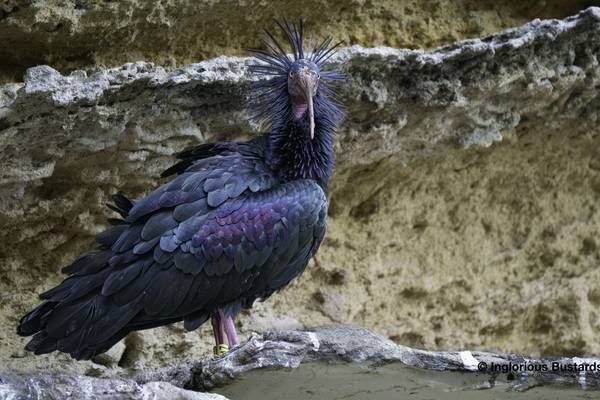
We felt the excitement and energy of the breeding season as we watched ninety pairs of Griffon Vultures soaring around their nests and Northern Bald Ibis busy with home improvements at the colony! We also found quiet magic amongst the pastures, orange groves and sunsets of our traditional cortijo accommodation, where we shared many a delicious three-course meal and some great relaxing afternoons!’
April 2026
‘This year's Provence in Spring tour coincided with some particularly warm weather in the south of France, with little in the way of wind or rain’ writes tour leader Neil McMahon. ‘We explored the field edges, woodland, meadows and hills around Sault in our quest for orchids and other botanical interest, plus butterflies and resident and migratory birds of the region, always in the presence of Mount Ventoux with its limestone shale peak and forested slopes. Cleopatra and Provence Orange-tip butterflies provided 'fly-by' colours of vibrant orange and yellow whilst Early Purple and Green-winged Orchids gleamed in the meadows. Mighty Griffon Vultures sailed over, Woodlarks and Nightingales vied to be the best songsters, with evening walks finding and Roe Deer, Red Fox and Scop's Owl.
The second part of the tour ventured south to Les Apilles and the Camargue, where highlights included a visit the historic town of Arles and, of course, the aquatic wildlife of the marshes with its flocks of Greater Flamingo and Glossy Ibis, and an opportunity to see Western Swamphen, a variety of herons at close range, migrating wading birds and emerging odonata. We located scarce birds such as Marsh Sandpiper and Black-eared Wheatear and 'Le Grand Duc' (Eurasian Eagle Owl!) which is always special. A moth trap at the hotel attracted some interesting species and the Tree Frogs, Moorish Geckos, and lizards provided more interest as the first Rollers and Bee-eaters of the season appeared overhead.'
March – April 2026
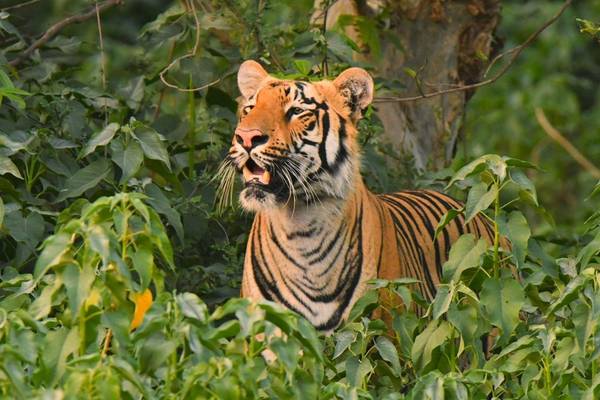
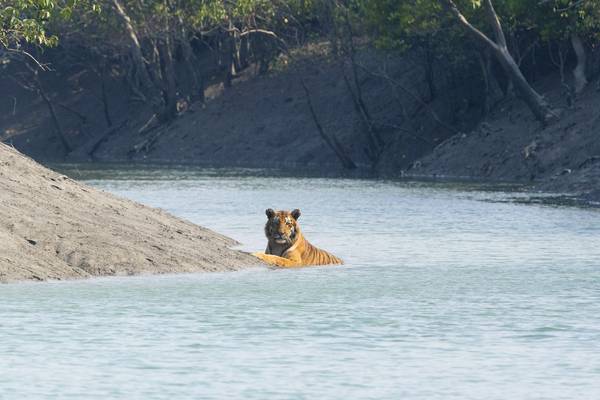
‘The pre-tour extension began in Kolkata, where the group arrived and rested before departing for the Sundarbans’ writes tour leader Sujan Chatterjee. ‘Over several days, in this vast mangrove wilderness, the team explored creeks and watchtowers, spotting an impressive array of birds including kingfishers, warblers, sunbirds and multiple sightings of Peregrine Falcons. The major highlight was an exciting encounter with a Tiger, seen lying in a creek. Village walks and wildlife activity around the lodge added to the experience, before we returned to Kolkata.
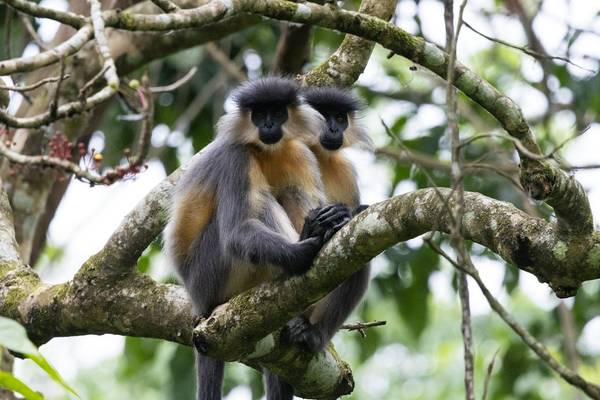
After meeting the main tour clients, the team flew to Jorhat to board MV Sukapha, to begin an extended cruise along the Brahmaputra. The voyage combined wildlife, culture and rural Assamese experiences. We enjoyed close encounters with Capped Langurs, Black Giant Squirrel and Hoolock Gibbons, a family of Asian Barn Owl and extensive birding among wetlands. Cultural showcases from Majuli’s monasteries, mask-makers and musicians highlighted Assam’s rich heritage.
As the vessel travelled toward Kaziranga, guests observed Water Buffalo, Swamp Deer and a remarkable herd of bull elephants from the deck. The days inside Kaziranga National Park were extraordinary: there were countless Rhinos (including charging mothers with calves), Water Buffalo, Swamp and Hog Deer, fish eagles and otters. A Tiger too was sighted by a lucky few. Additional highlights included Pallas’s Fish Eagle and Grey-headed Fish Eagles, flocks of pelicans and storks. Evenings featured Bihu cultural performances and tranquil riverside sunsets.
Further along the river, the group enjoyed village walks in remote Mishing communities, visits to tea estates and a bustling local market. Near Guwahati, the group explored Sualkuchi’s ancient silk-weaving traditions and visited the sacred Kamakhya Temple. The trip concluded with a powerful conservation perspective at the Garchuk rubbish tip, home to the world’s largest concentration of endangered Greater Adjutant Storks.
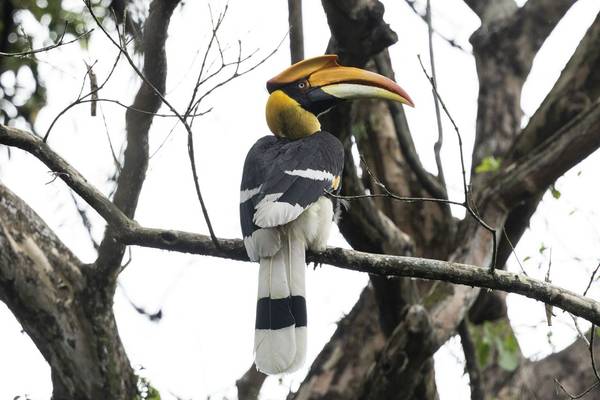
Twelve travellers continued onward to Manas National Park, where they enjoyed excellent birding and mammal sightings: Elephants with calves, Rhinos, Gaur and a huge checklist of bird rarities including Great Hornbills, drongos, green pigeons, barbets, bee-eaters and babblers. The extension group finally departed Kolkata after a successful and memorable expedition, rich in wildlife, culture, adventure and warm camaraderie!’
March 2026
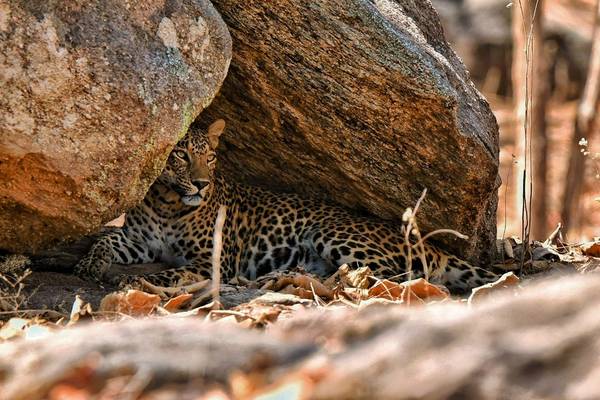
‘Naturetrek’s Tiger Direct tour was a fantastic journey through the forests of Tadoba, Pench and Kanha’ write tour leaders Yusuf Rizvi and Anurag Yadav. ‘We enjoyed multiple Tiger sightings, including a dominant male by a waterbody, a distant second Tiger and a thrilling encounter with a confident Leopard walking straight towards us. One of the standout moments was undoubtedly watching a pack of 13 Dholes, including pups, right in front of us! Birdlife was equally impressive, with over 70 species recorded in a single day.
Kanha continued the momentum with its stunning landscapes and rich biodiversity. Sightings of Barasingha, Blackbuck and Sloth Bear added to the experience, while Tiger encounters remained consistent and memorable – some individuals being incredibly close and relaxed. Even at the lodge, we had great views of Indian Giant Flying Squirrel. Beyond wildlife, visiting a local village and enjoying a peaceful walk added depth to the journey. It was a truly fulfilling tour, with great sightings, wonderful guests and unforgettable memories throughout.’
April 2026
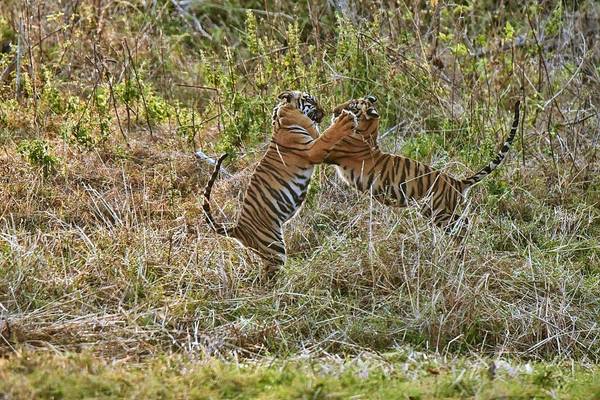
‘The Tiger Direct tour was a significant success, despite of weather being dicey as it was raining off and on; nonetheless we managed to see 21 individual Tigers, 6 individual Leopards, 26 Dholes, 2 individual Sloth Bears and 155 different species of birds’ write tour leaders Yusuf Rizvi and Harish Sharma. The highlight of the whole trip was seeing a Tigress, who was resting with her two four-month-old cubs in the golden grasslands of Pench. The cubs, full of energy and curiosity, tumbled over each other, playfully pouncing and chasing tails under their mother’s watchful gaze. She appeared calm yet alert, her sharp eyes scanning the surroundings even as her young ones remained lost in their innocent games. Suddenly, she rose with purpose, her posture shifting from relaxed to intensely focus. Silently and gracefully, she stalked a Spotted Deer grazing nearby, every movement calculated and precise. Within moments, she launched a powerful attack and brought down the prey right before us. The cubs soon gathered around, learning their first lessons in survival. Witnessing this raw and intimate moment of nature was truly a sighting of a lifetime, both thrilling and unforgettable. Then she called her cubs to feast on the kill. The sighting of a lifetime!’