 Loading search...


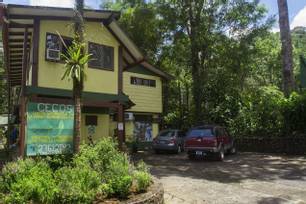
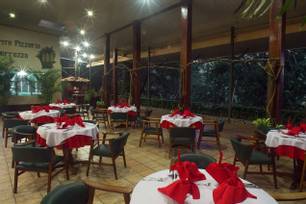

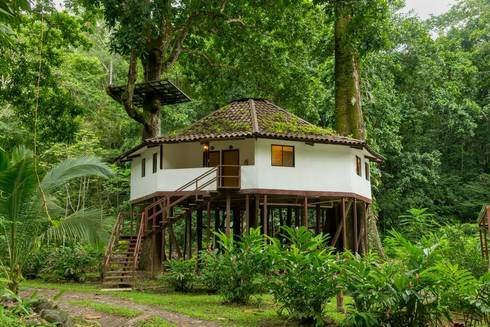




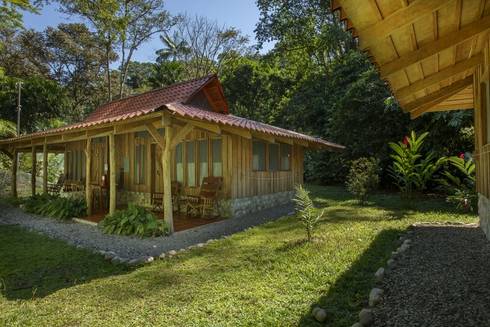
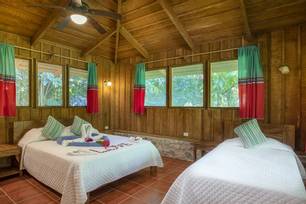


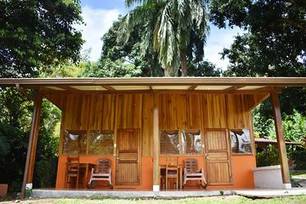

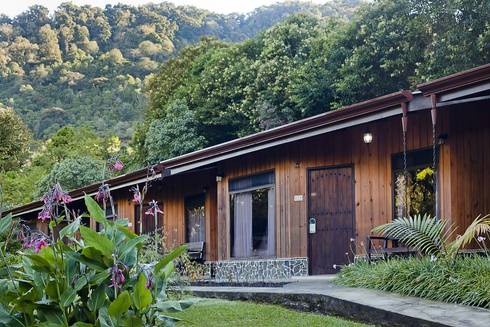
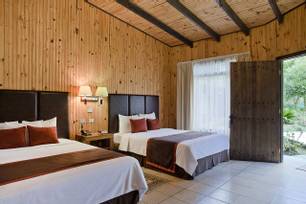
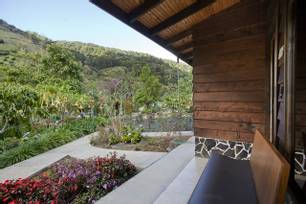
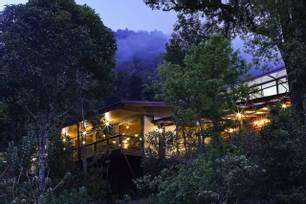
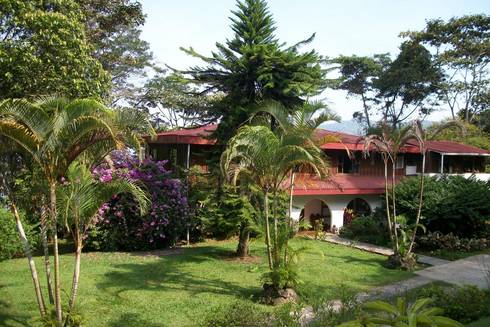





The service was absolutely first class, we couldn't have asked for more help from the office. All the lodges that we stayed in were well above our expectations, beautiful locations, high standard...the food at all the lodges was extremely good. The guides were all incredibly knowledgeable, friendly and helped us to understand the country and its wildlife. The itinerary covered four areas of Costa Rica which were very different and the biodiversity unbelievable. It matched our needs exactly and we could not have asked for any more on the content that was included. I would give it 6 stars if I could. It really was the holiday of a lifetime and the quality of the holiday, the organisation from Naturetrek and the content of the tour surpassed our expectations. We have both been on some top holidays in our lives and this rates in our top 3. The amazing wildlife was overwhelming, 900 species of birds, stunning butterflies, getting up close to sloths and anteaters.
C.J., Oxfordshire, Feb 24
Location Highlights
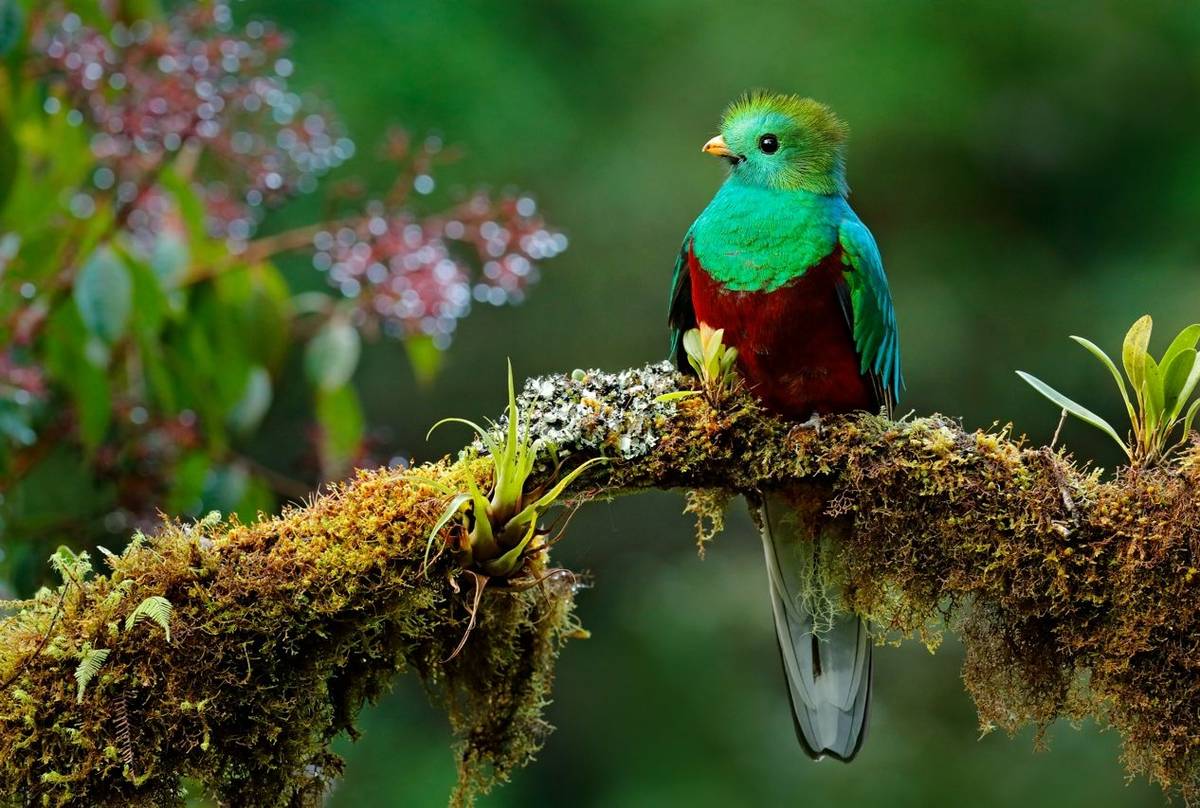
- Savegre– a quiet cloudforest reserve that is home to the Resplendent Quetzal
- Carara National Park – pristine Pacific coastal lowland forest offering outstanding birding
- Monteverde Cloud Forest Reserve – one of Costa Rica’s most popular cloudforest reserves full of hummingbirds and other wildlife
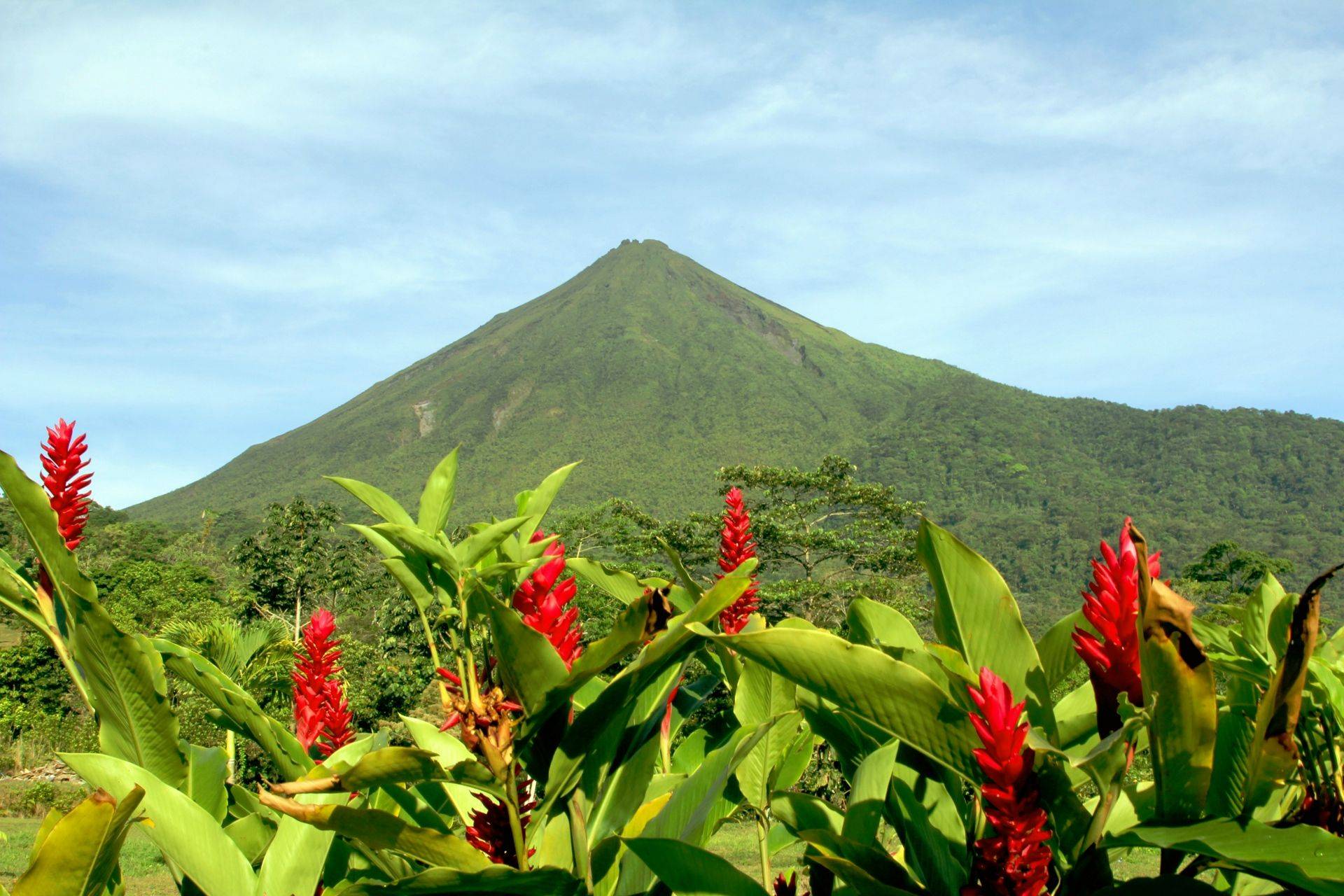
- Arenal Volcano– a picturesque volcanic peak
- Sarapiqui & Braulio Carrillo National Park– a large altitudinal range provides an exceptional variety of natural history
- Tortuguero National Park– take a boat through the flooded forests and search for nesting turtles on the Caribbean beaches
- Piedras Blancas National Park– some of Costa Rica’s best birding on the Pacific slope
- Las Cruces Biological Station– a wonderfully remote birding location
- Corcovado National Park & the Osa Peninsula– Costa Rica’s most rugged and remote wildlife destination holds a wealth of species
Tailormade Holidays in Costa Rica
Tailormade | Tour Code: TCRICreate your own Tailormade holiday to Costa Rica with dates and an itinerary to suit you.
When to Visit
| J | F | M | A | M | J | J | A | S | O | N | D |
| YY | YY | YY | YY | - | - | - | - | - | Y | Y | YY |
SAMPLE HOLIDAY: Southern Costa Rica
12 days from £6,295 (Flight Inclusive)
If you’re seeking a little extra excitement this is the perfect itinerary that ventures off the tourist trail to Costa Rica’s remote south.
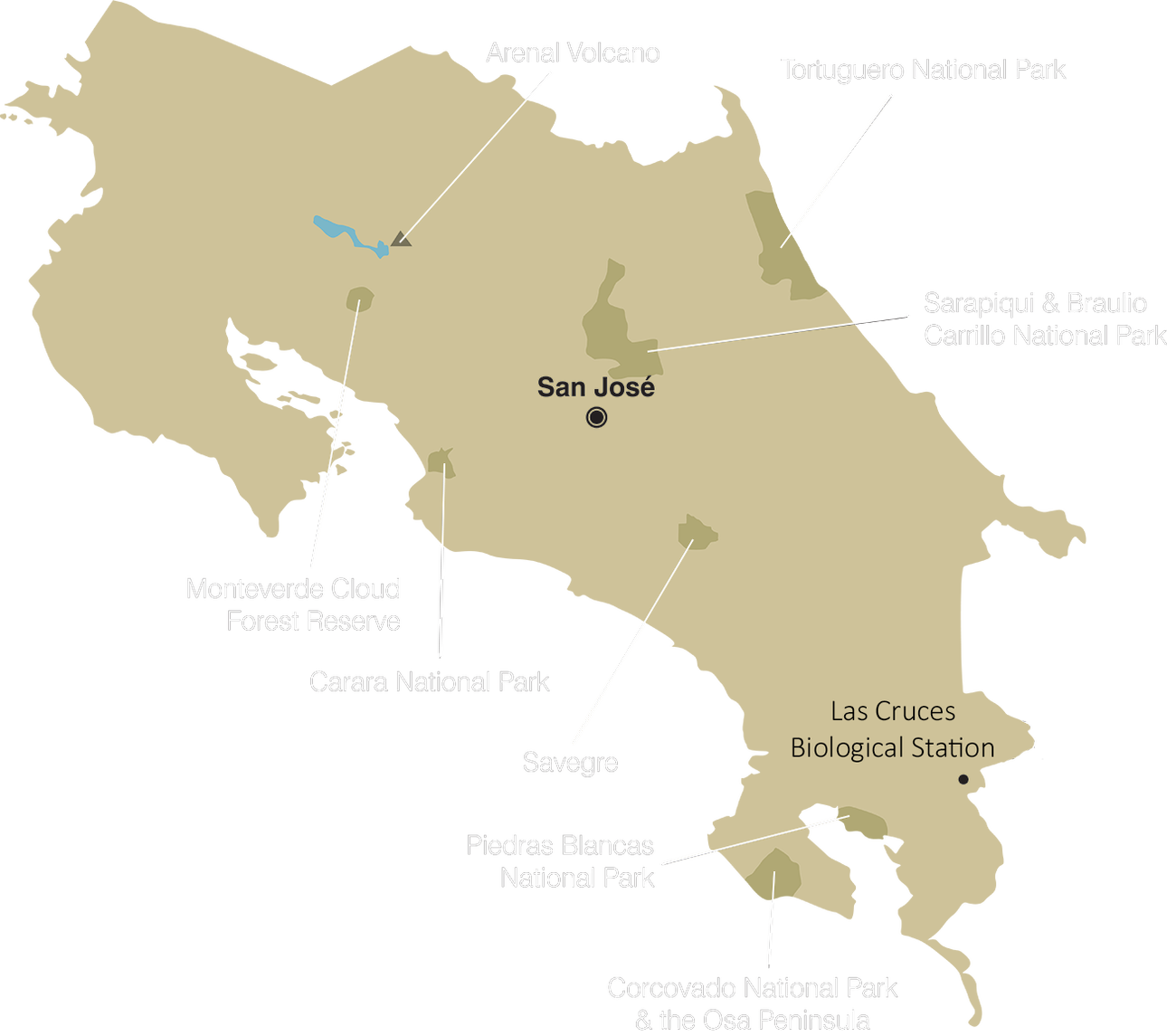
Location Highlights
- Savegre– a quiet cloudforest reserve that is home to the Resplendent Quetzal
- Carara National Park – pristine Pacific coastal lowland forest offering outstanding birding
- Monteverde Cloud Forest Reserve – one of Costa Rica’s most popular cloudforest reserves full of hummingbirds and other wildlife
- Arenal Volcano– a picturesque volcanic peak
- Sarapiqui & Braulio Carrillo National Park– a large altitudinal range provides an exceptional variety of natural history
- Tortuguero National Park– take a boat through the flooded forests and search for nesting turtles on the Caribbean beaches
- Piedras Blancas National Park– some of Costa Rica’s best birding on the Pacific slope
- Las Cruces Biological Station– a wonderfully remote birding location
- Corcovado National Park & the Osa Peninsula– Costa Rica’s most rugged and remote wildlife destination holds a wealth of species
Summary
Costa Rica has coastlines on both the Pacific and Atlantic Oceans and forest types ranging from lush, moss-draped cloud forest in the highlands to dense tropical rainforest and dry deciduous woodland in the lowlands. It boasts marshes, rivers, mangroves and even subalpine páramo – all of which are bursting with life and packed into a country less than half the size of England.
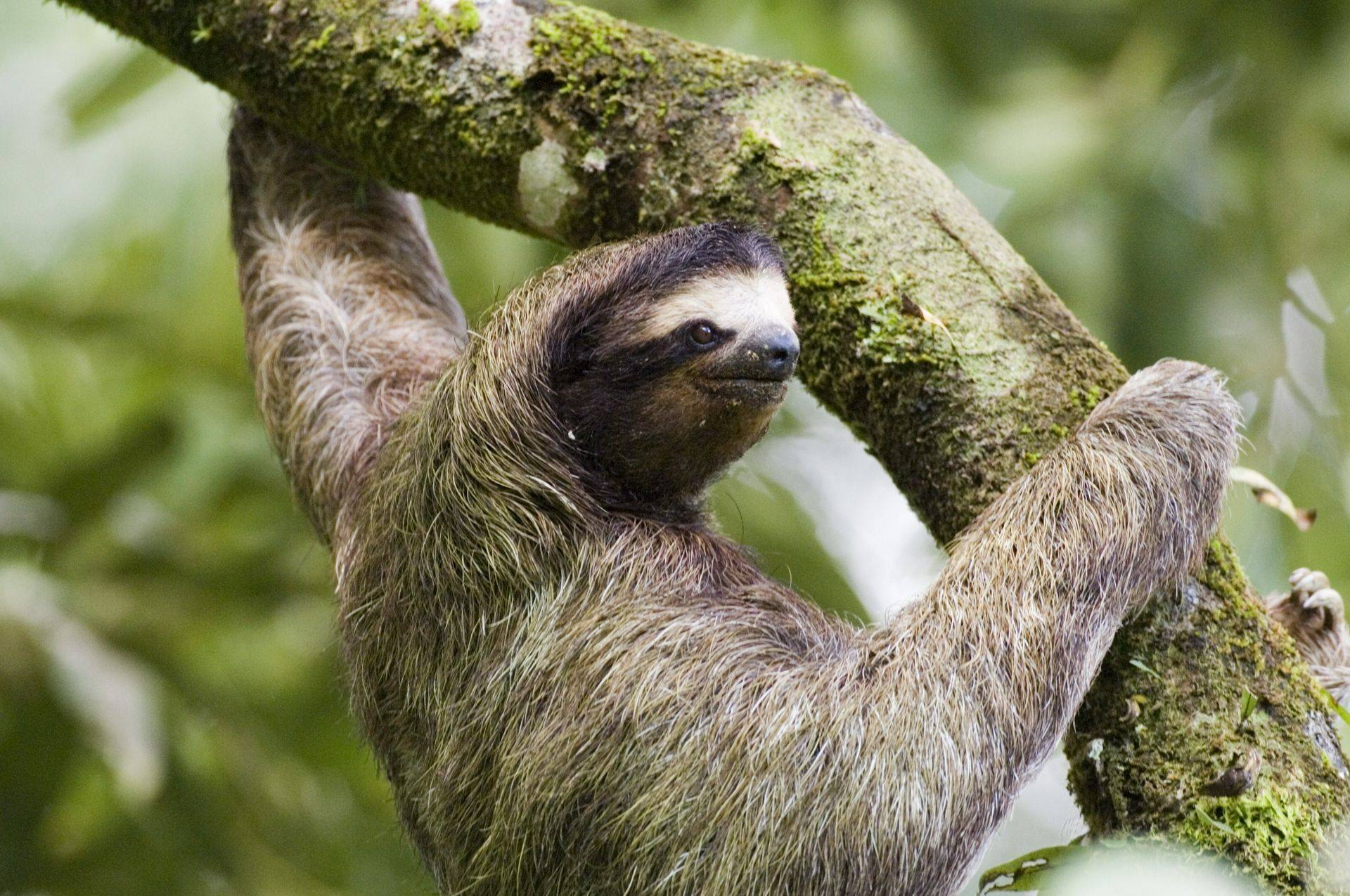
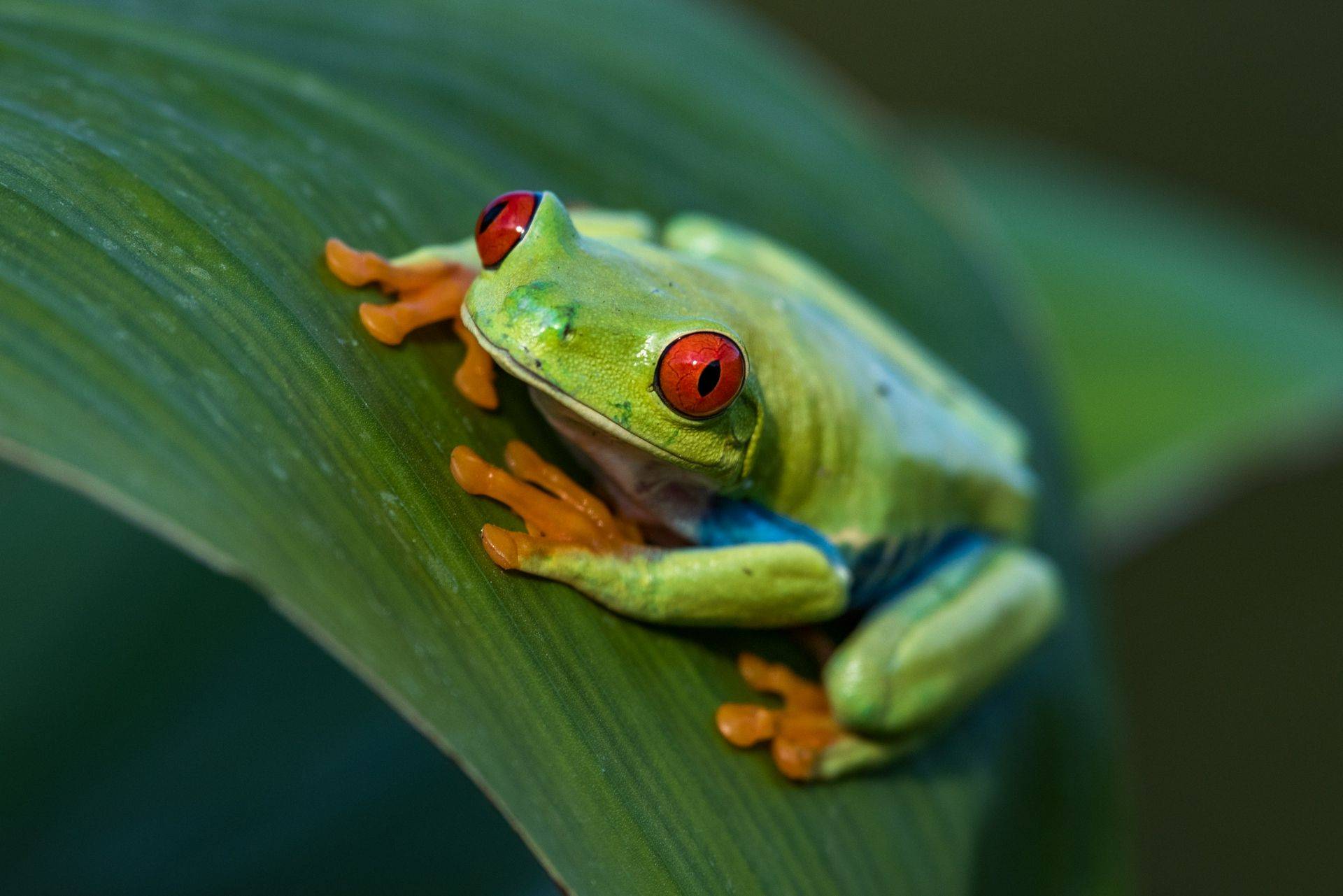
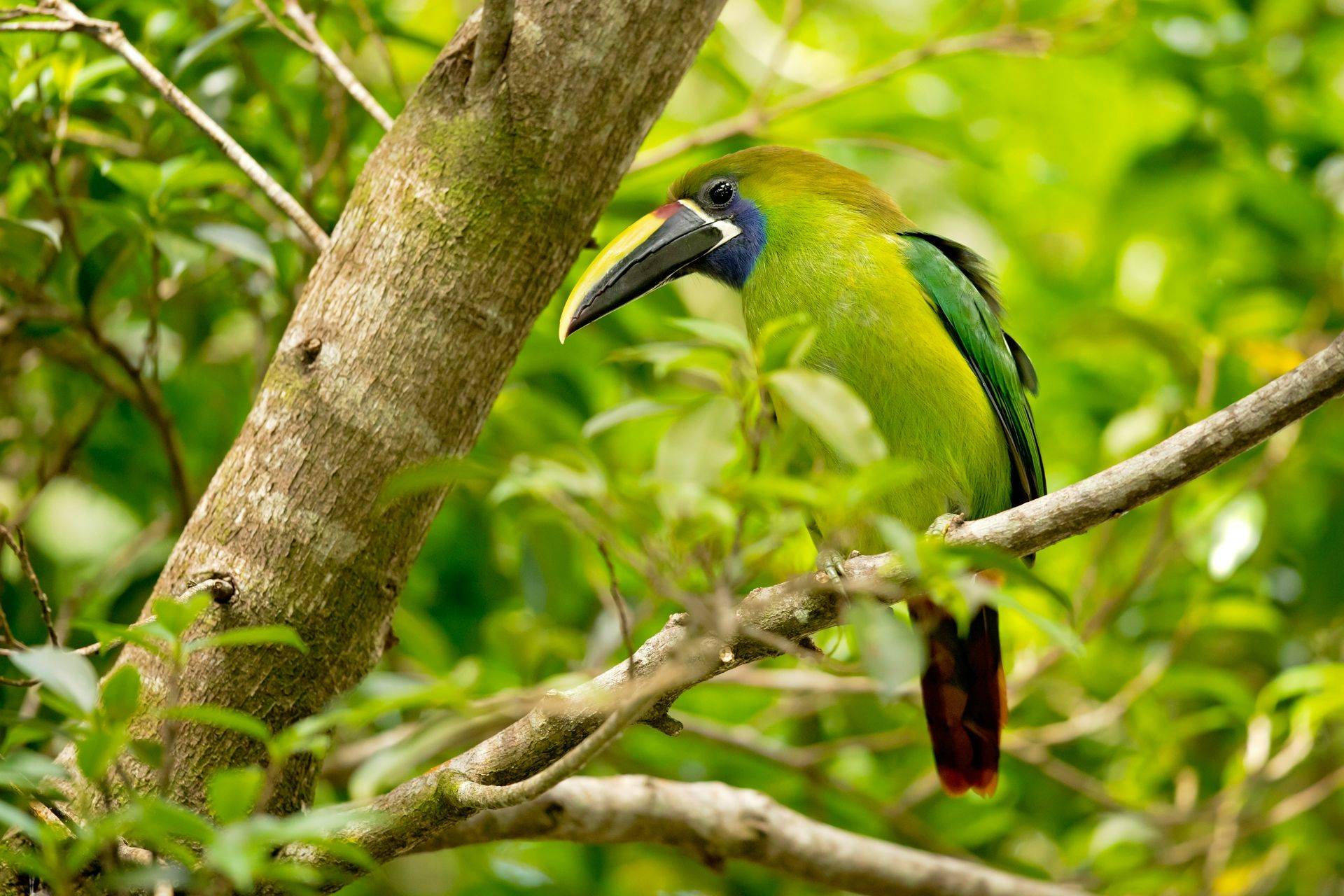
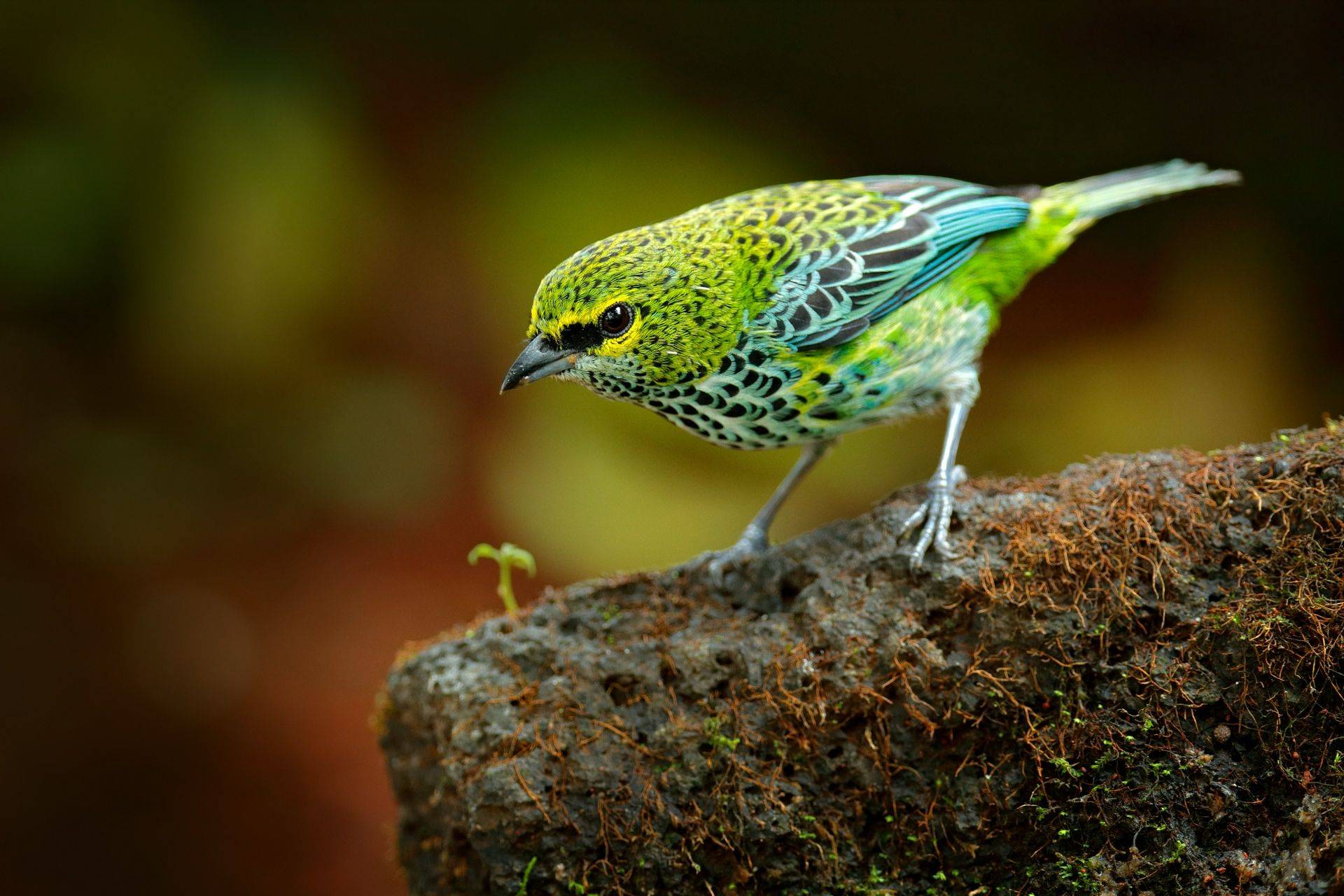
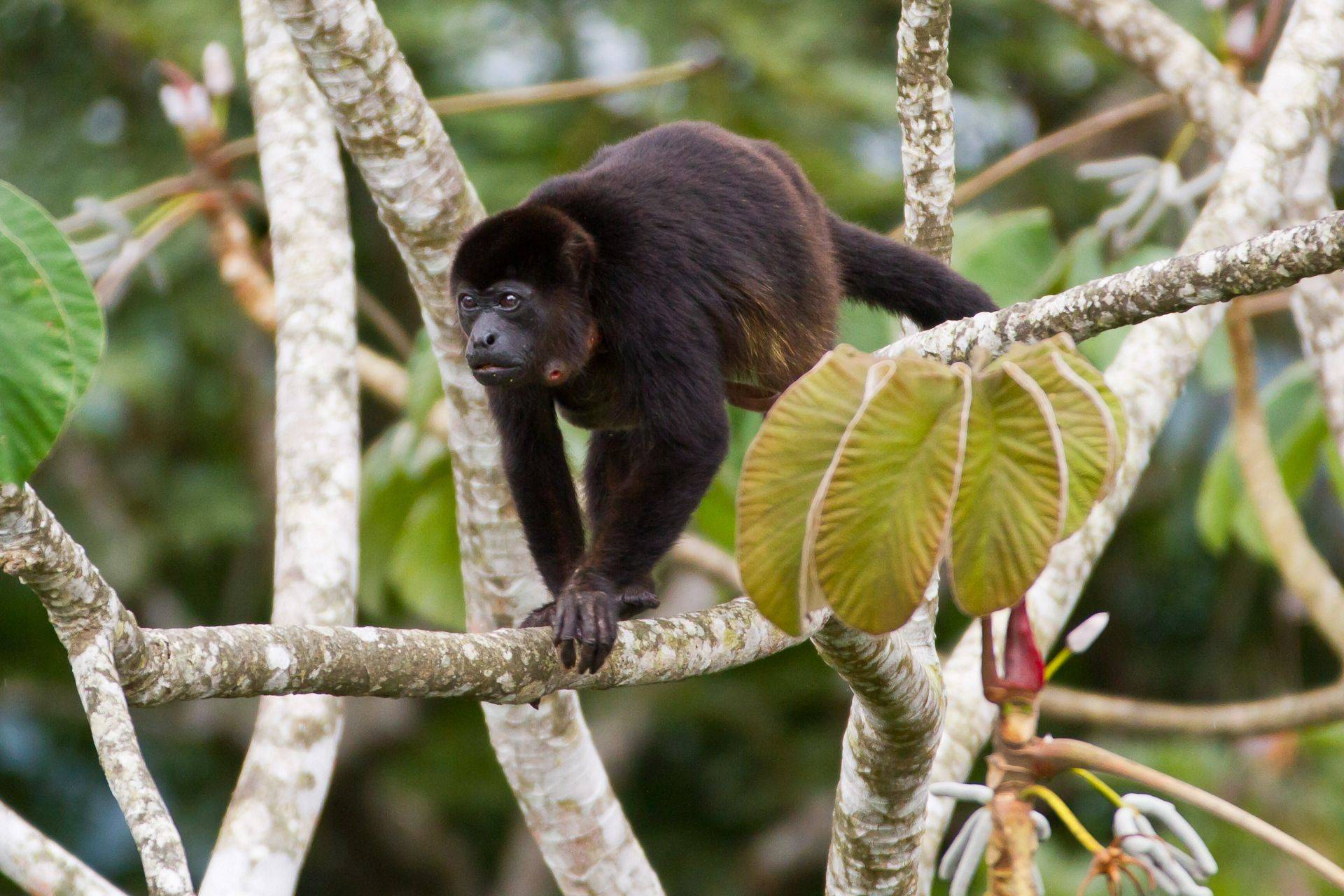
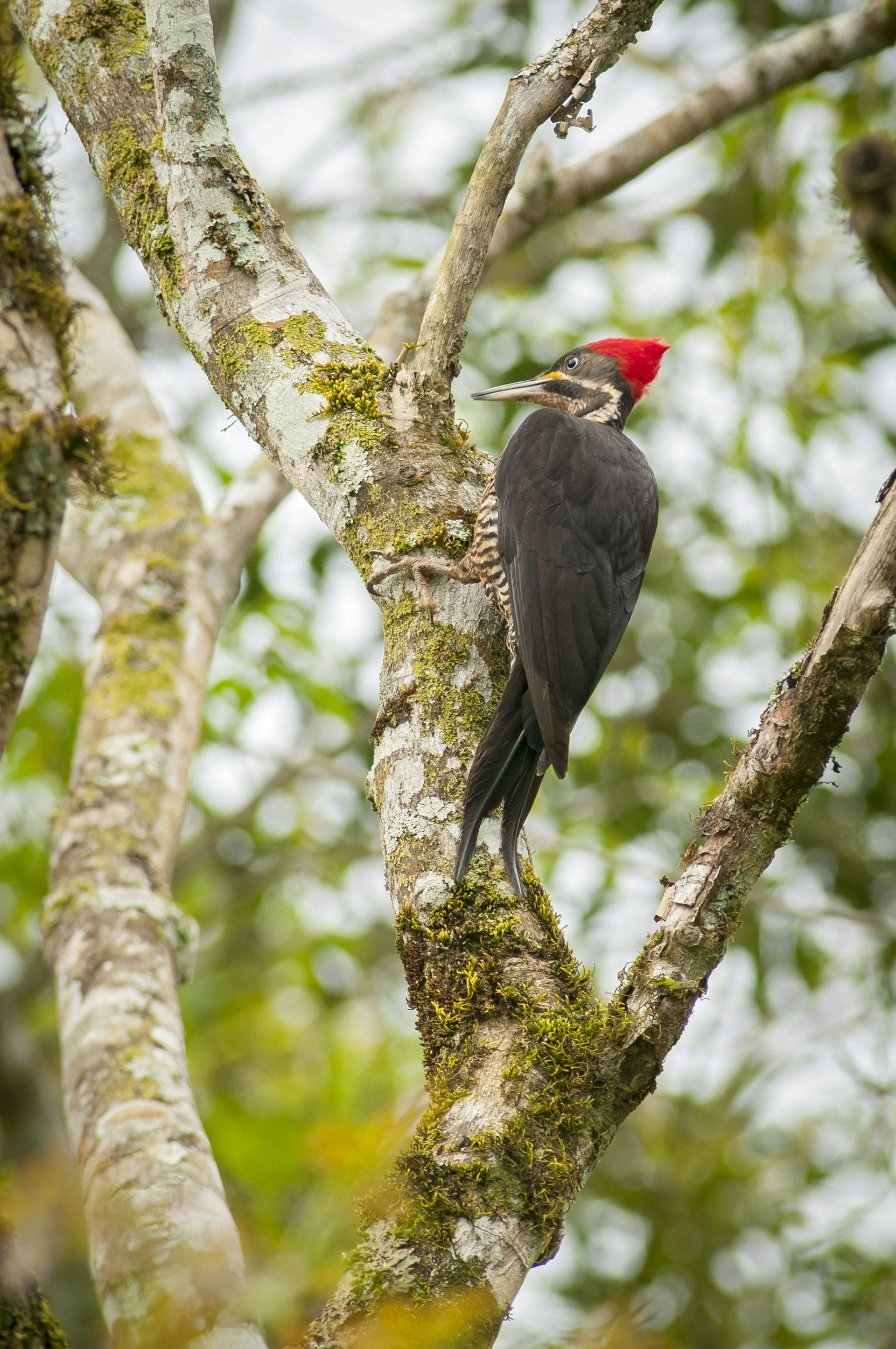
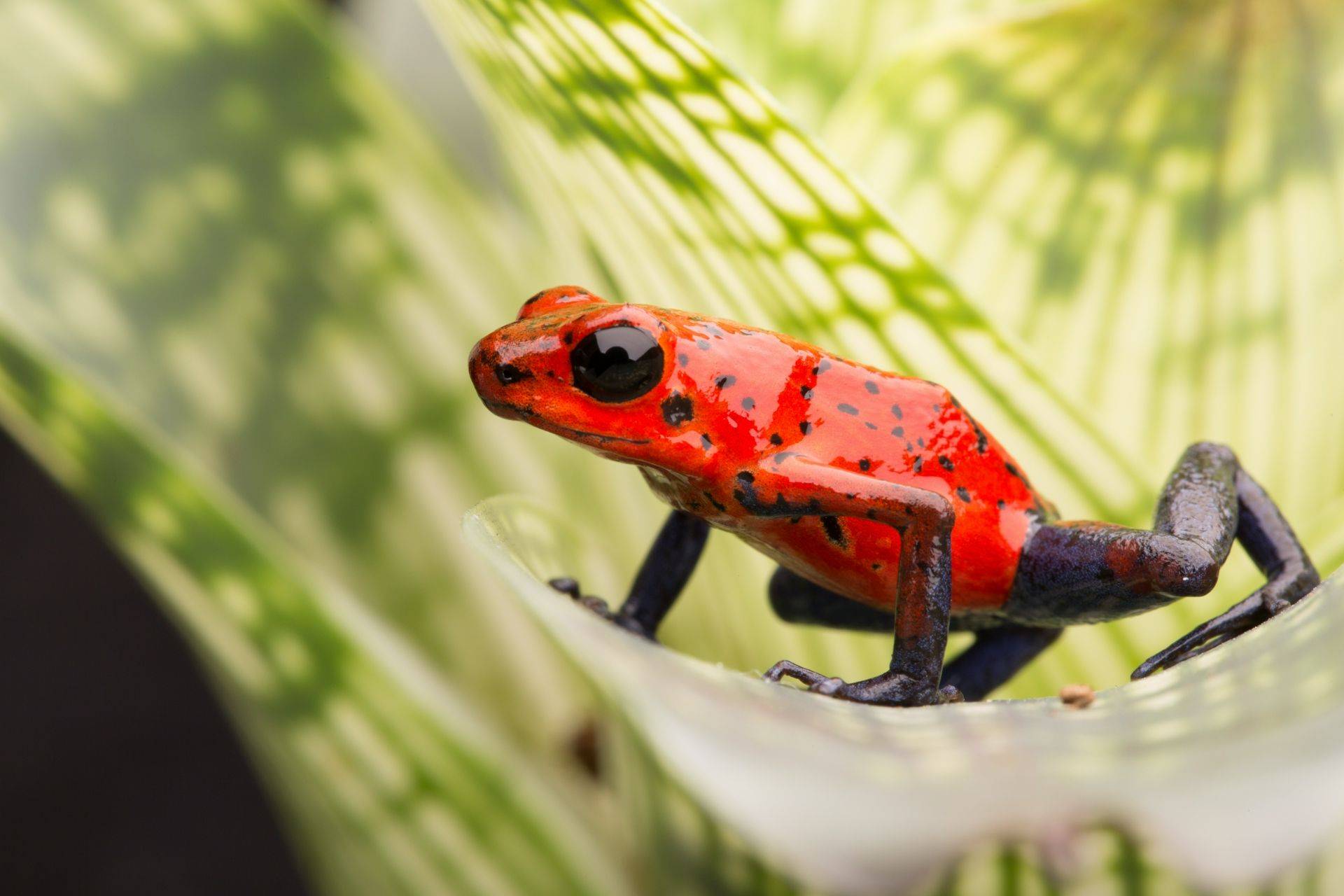
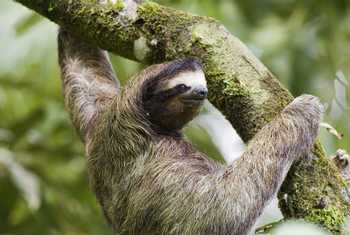
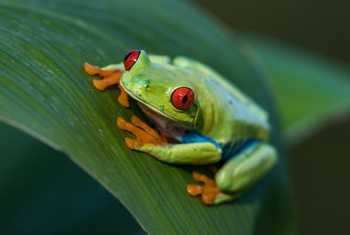
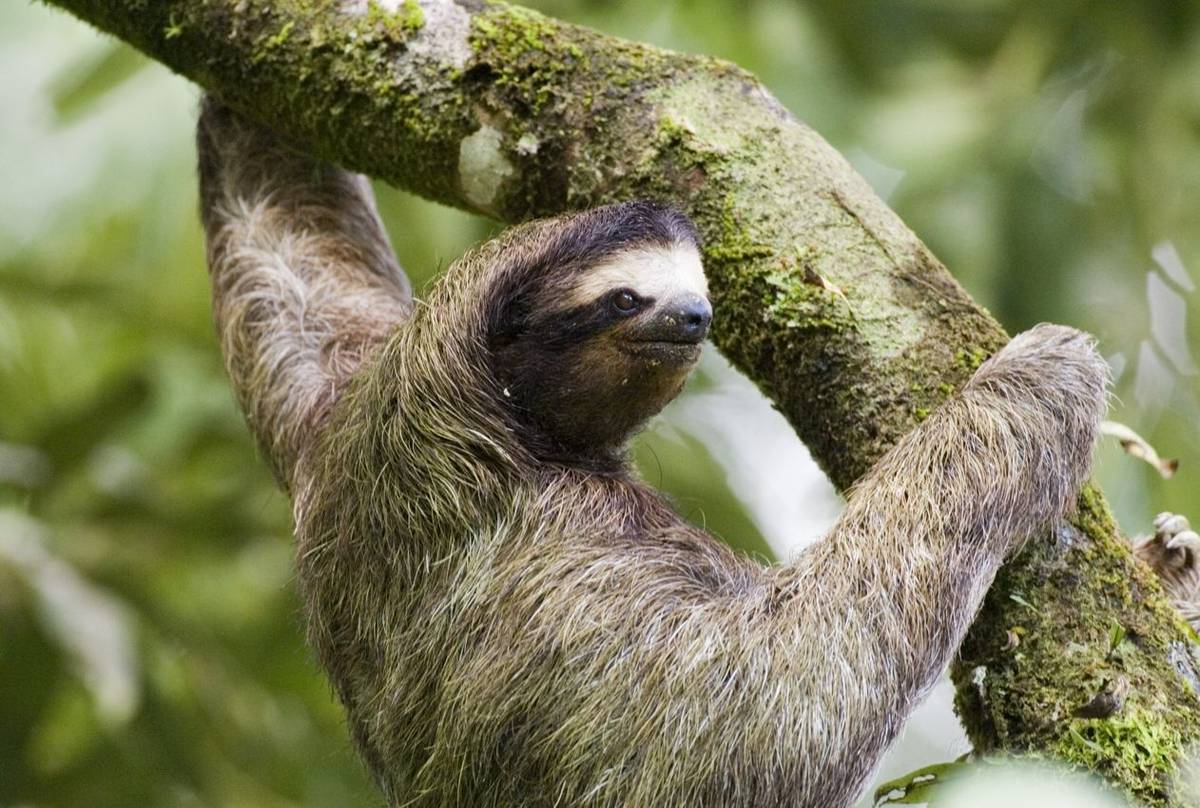
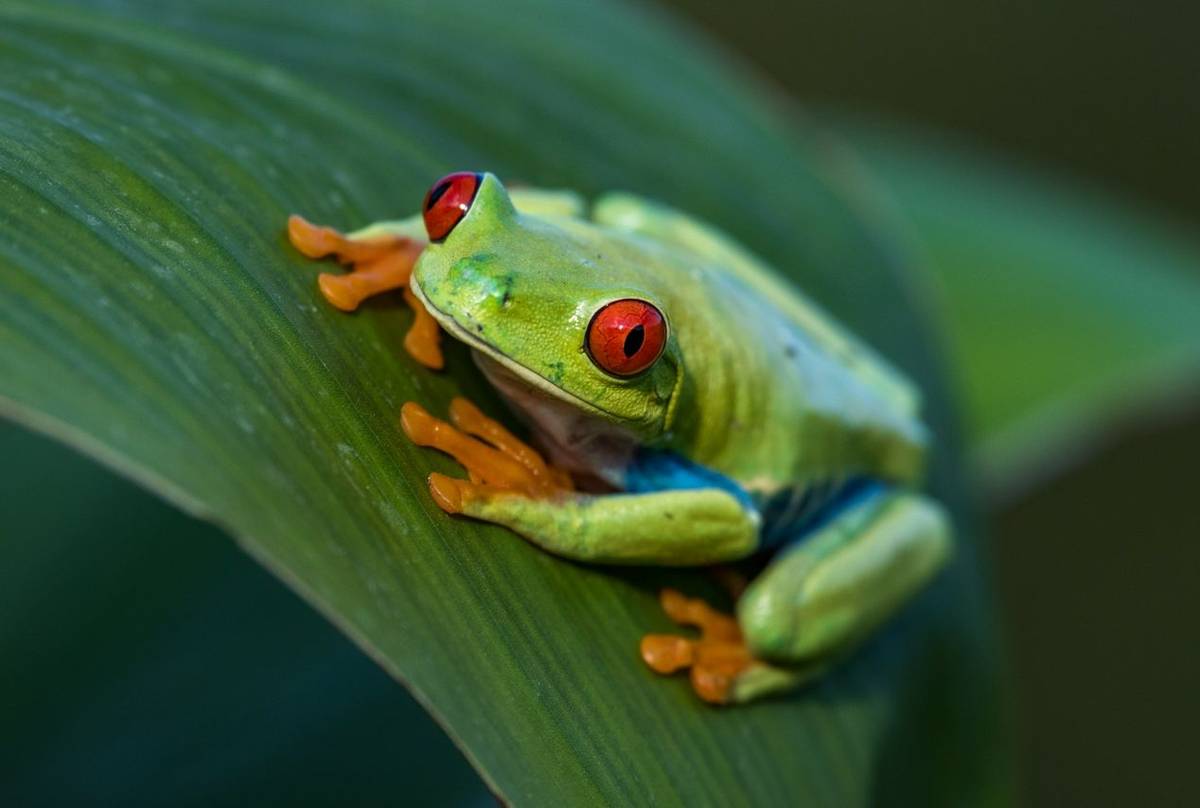
For a country of this size, Costa Rica boasts one of the richest avifaunas in the world, with over 850 species recorded – a consequence of its wide range of habitats and special geographical location on the narrow isthmus of land that joins North and South America. Here, it’s guaranteed that birders will be in their absolute element! However, a wealth of other wildlife also occurs in Costa Rica, from nesting sea turtles to noisy Mantled Howler Monkeys, snoozing Three-toed Sloths and an untold number of amphibians and invertebrates to excite the all-round naturalist. Costa Rica is also perhaps the safest Central American destination, and English is widely spoken, making it a natural choice for families and those who are less accustomed to more adventurous styles of travel. With so much wildlife, beautiful scenery, beaches and a peace-loving people it is perhaps no wonder that Costa Ricans invariably feature amongst the happiest people in the world and affectionately refer to themselves as ‘Ticos’, a colloquial term that purveys a sense of warmth, affection and open-heartedness.

Our Destinations
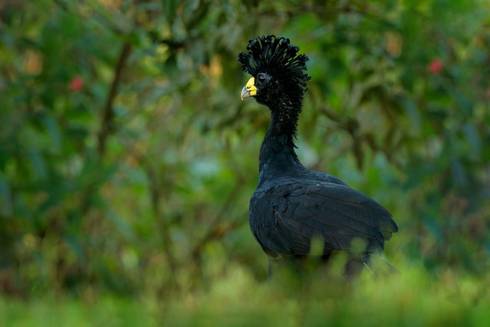
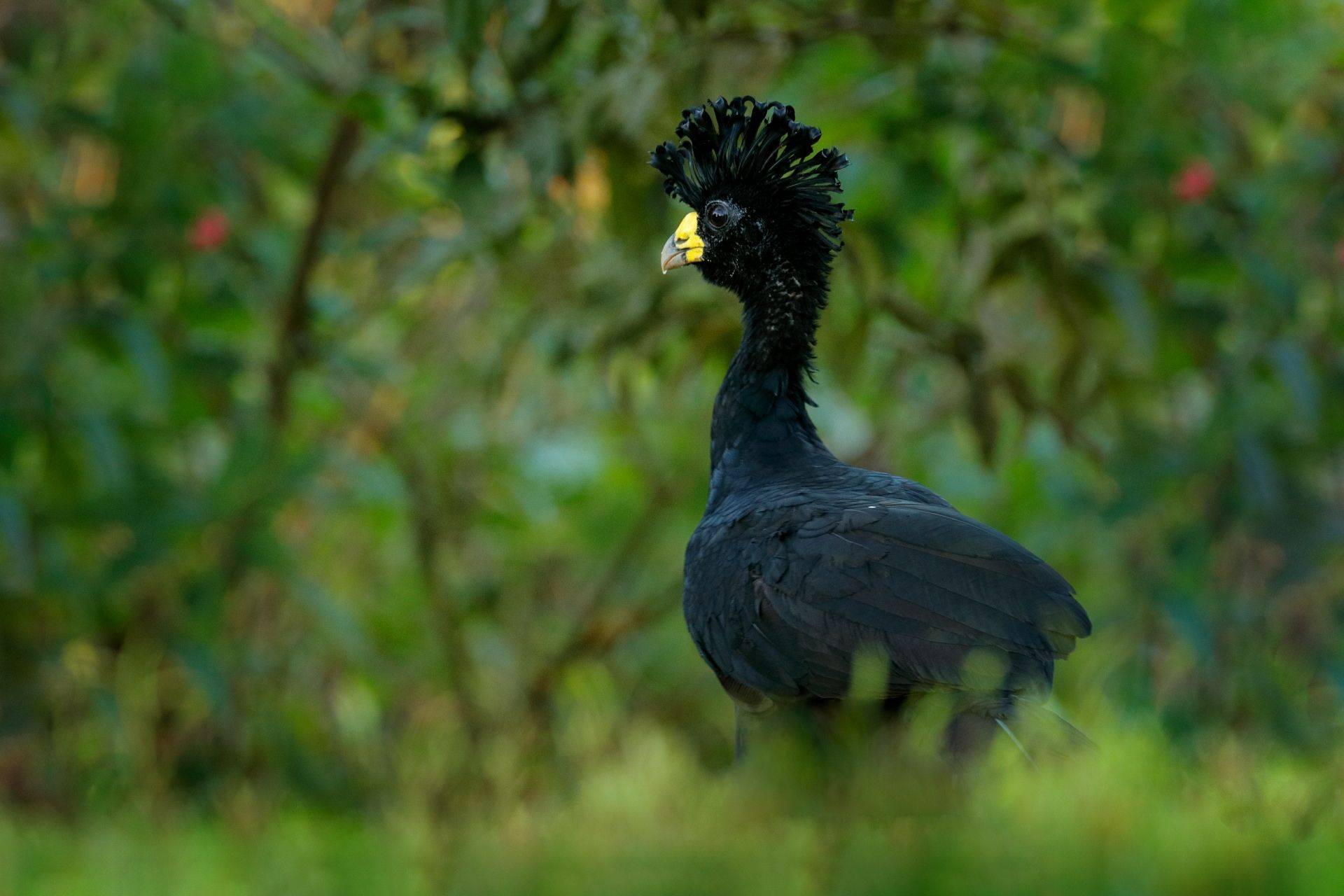
The Sarapiqui region and the Braulio Carrillo National Park are located on the Caribbean slope of the central volcanic corridor north-east of San José. The region is clothed in luxuriant tropical rainforest and is home to a great diversity of life including 530 species of bird and 135 species of mammal! The La Selva Biological Station is the key site to visit here, and from it a good network of trails provides access to the 1,500-hectare reserve and an excellent opportunity to see a wide variety of birds including Great Currasow, Sungrebe, Great Green Macaw and Purple-throated Fruitcrow. The nearby Virgen del Socorro waterfall is another excellent area for mid-elevation species, especially hummingbirds, tanagers and mixed warbler flocks.
Accommodation
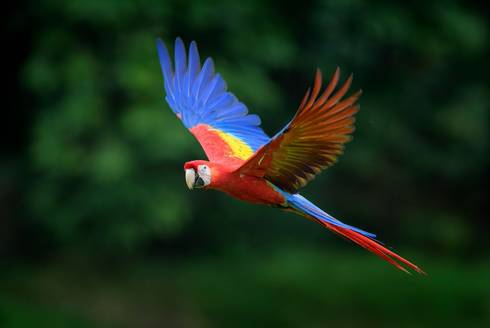
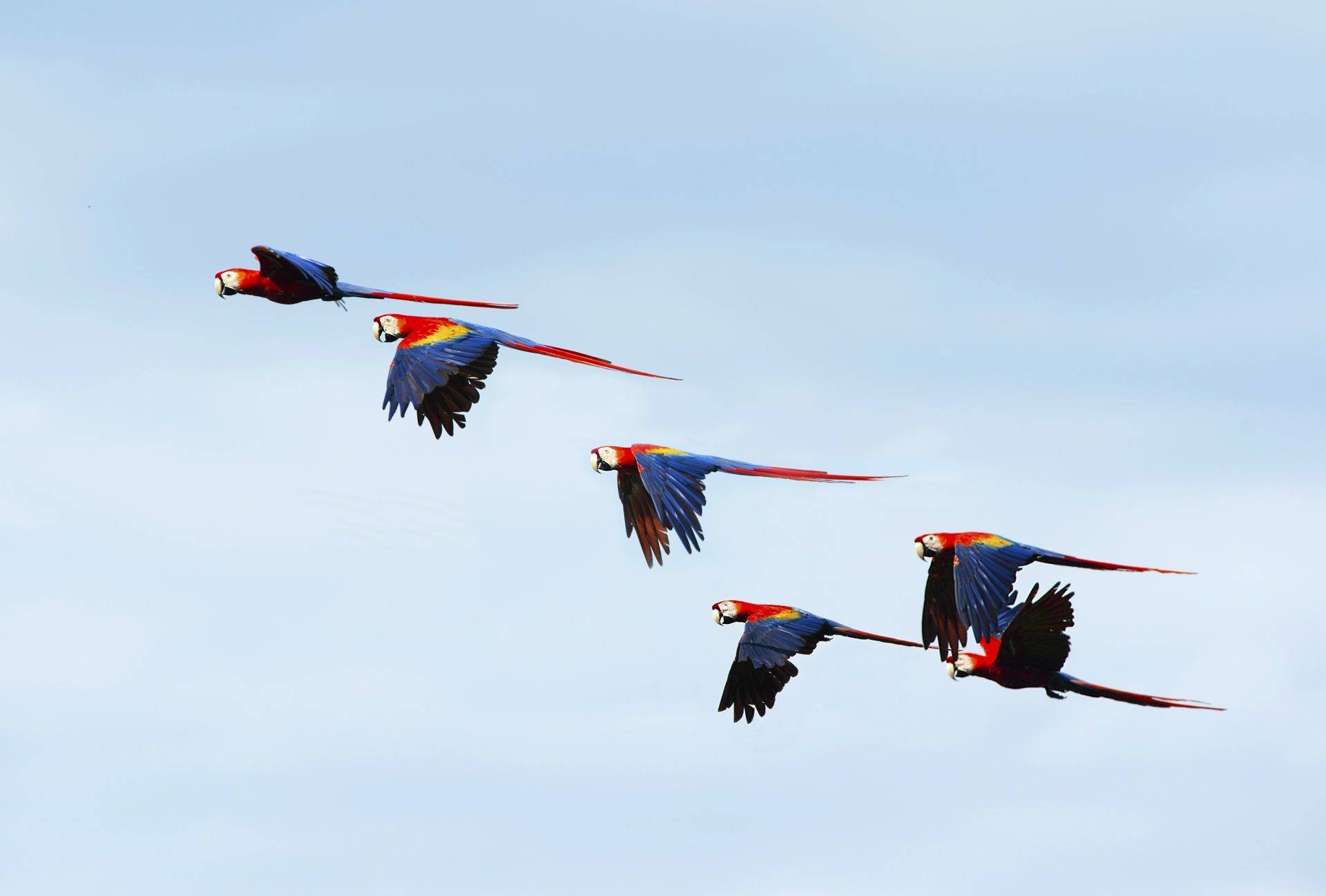
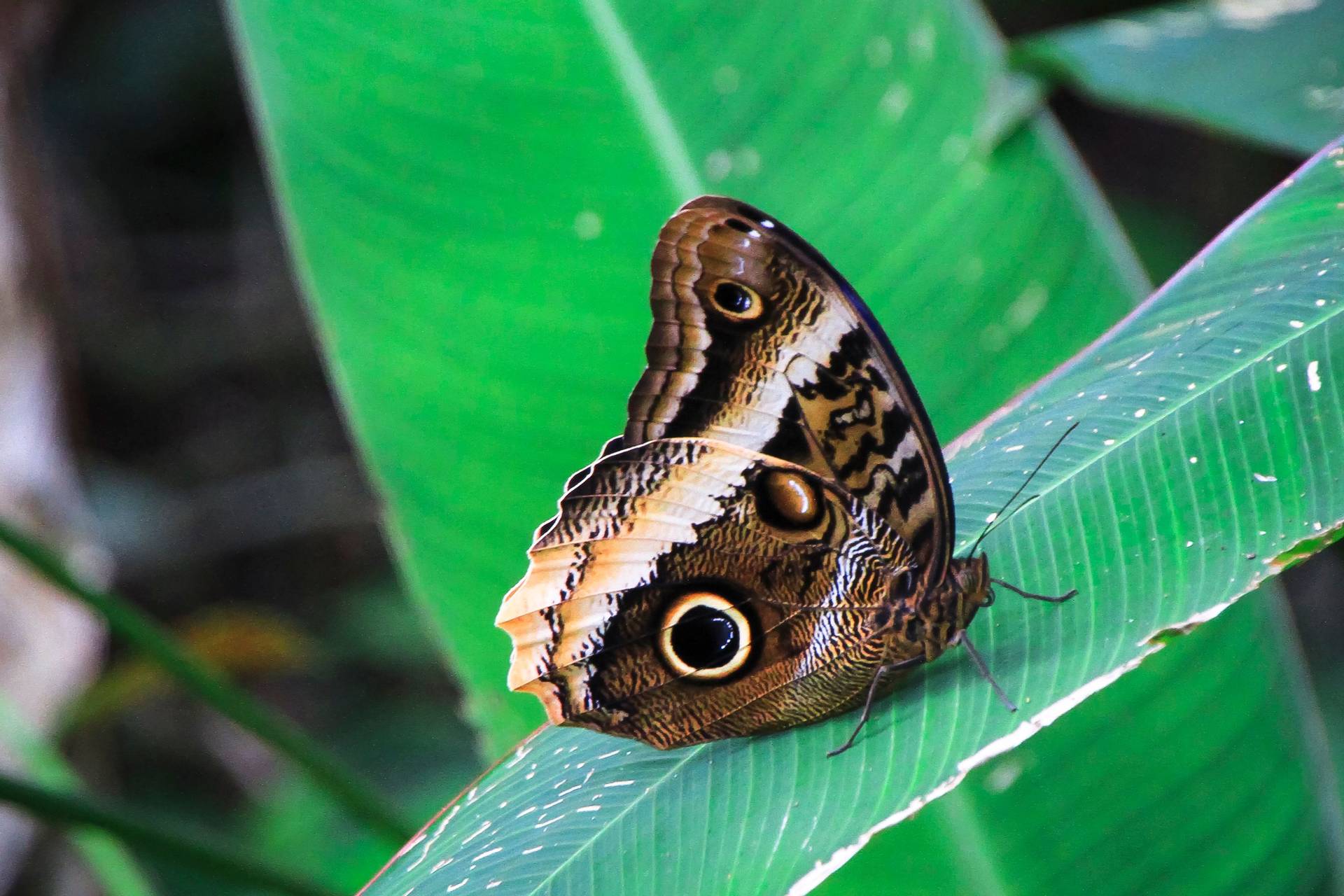
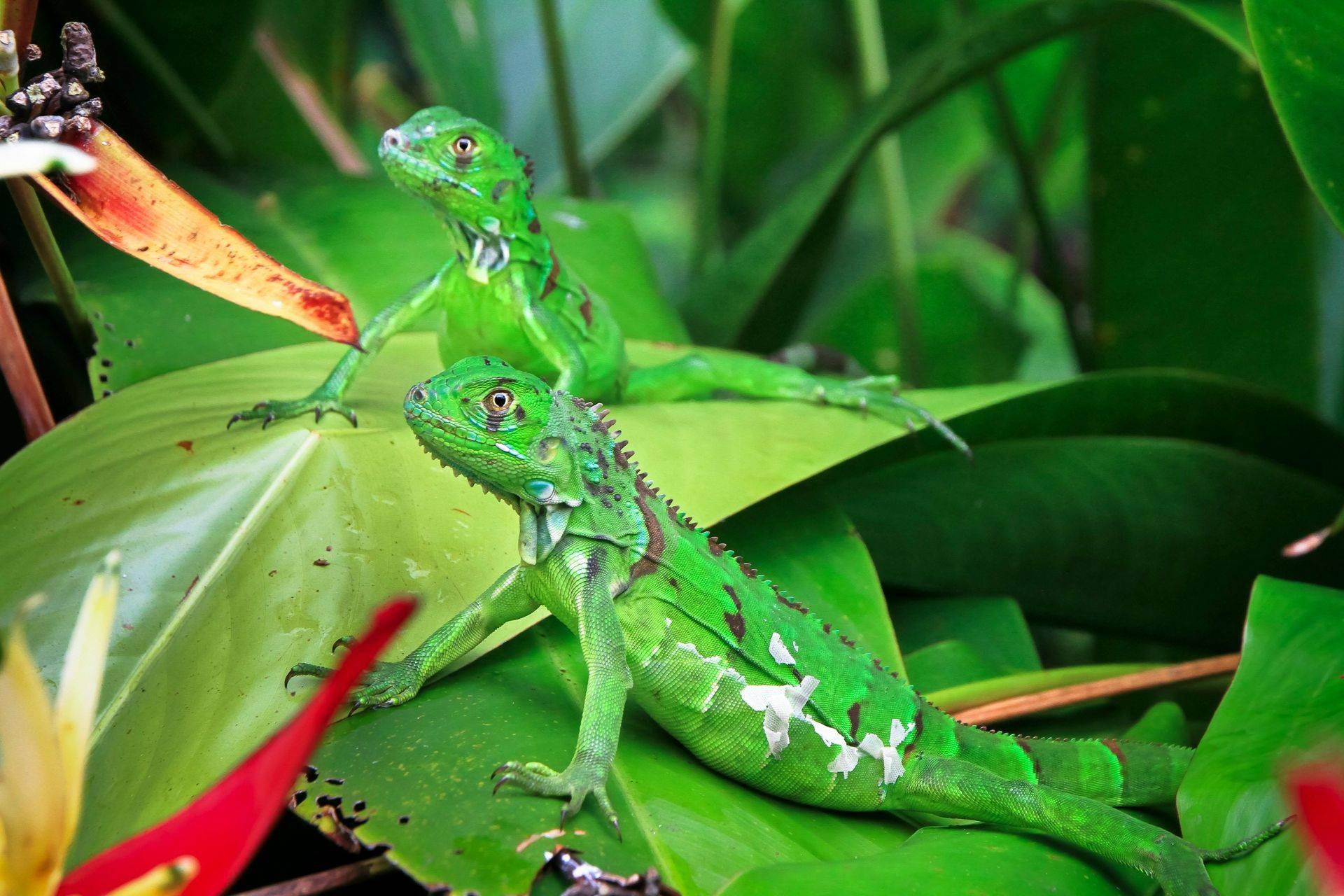
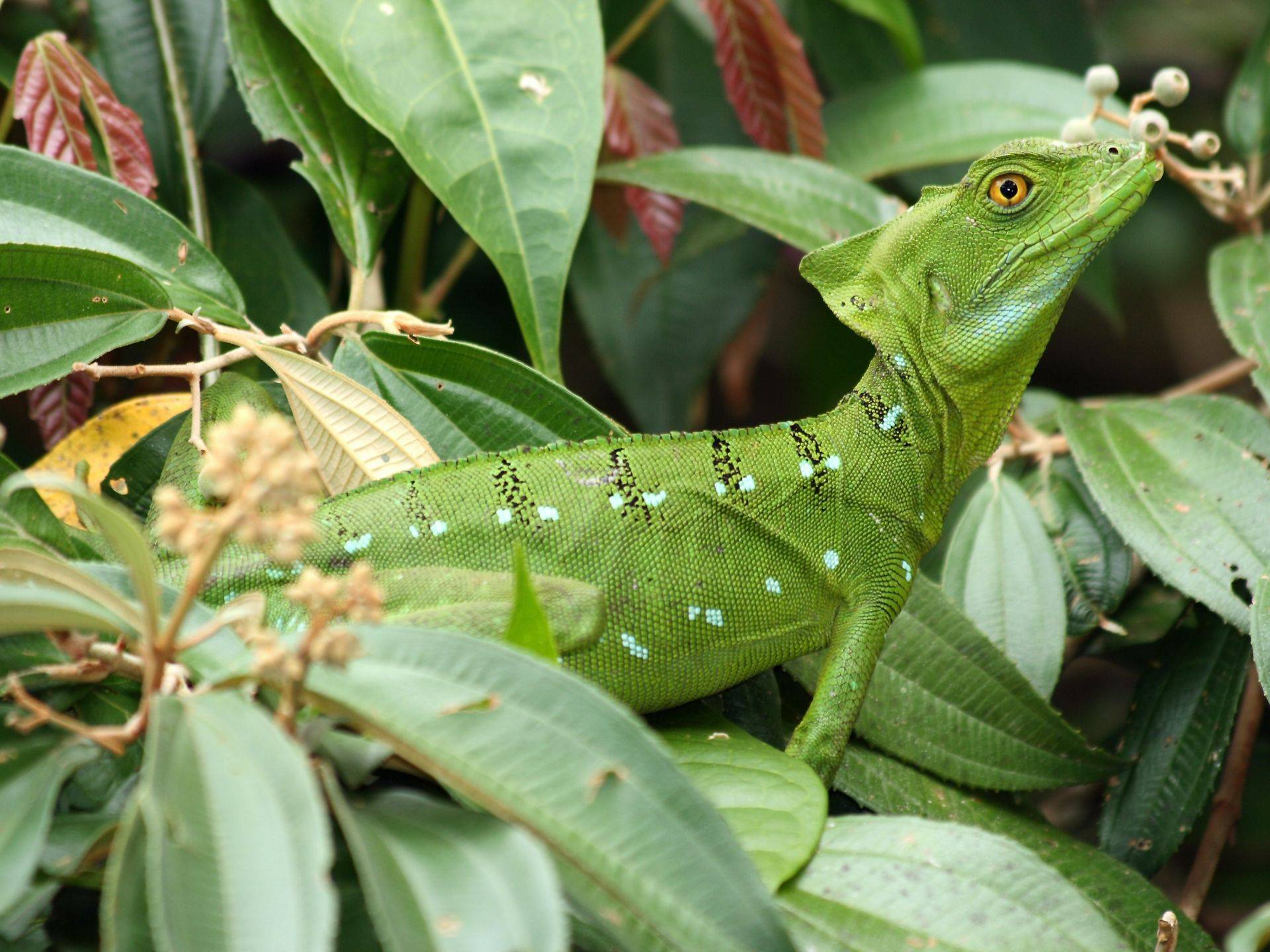
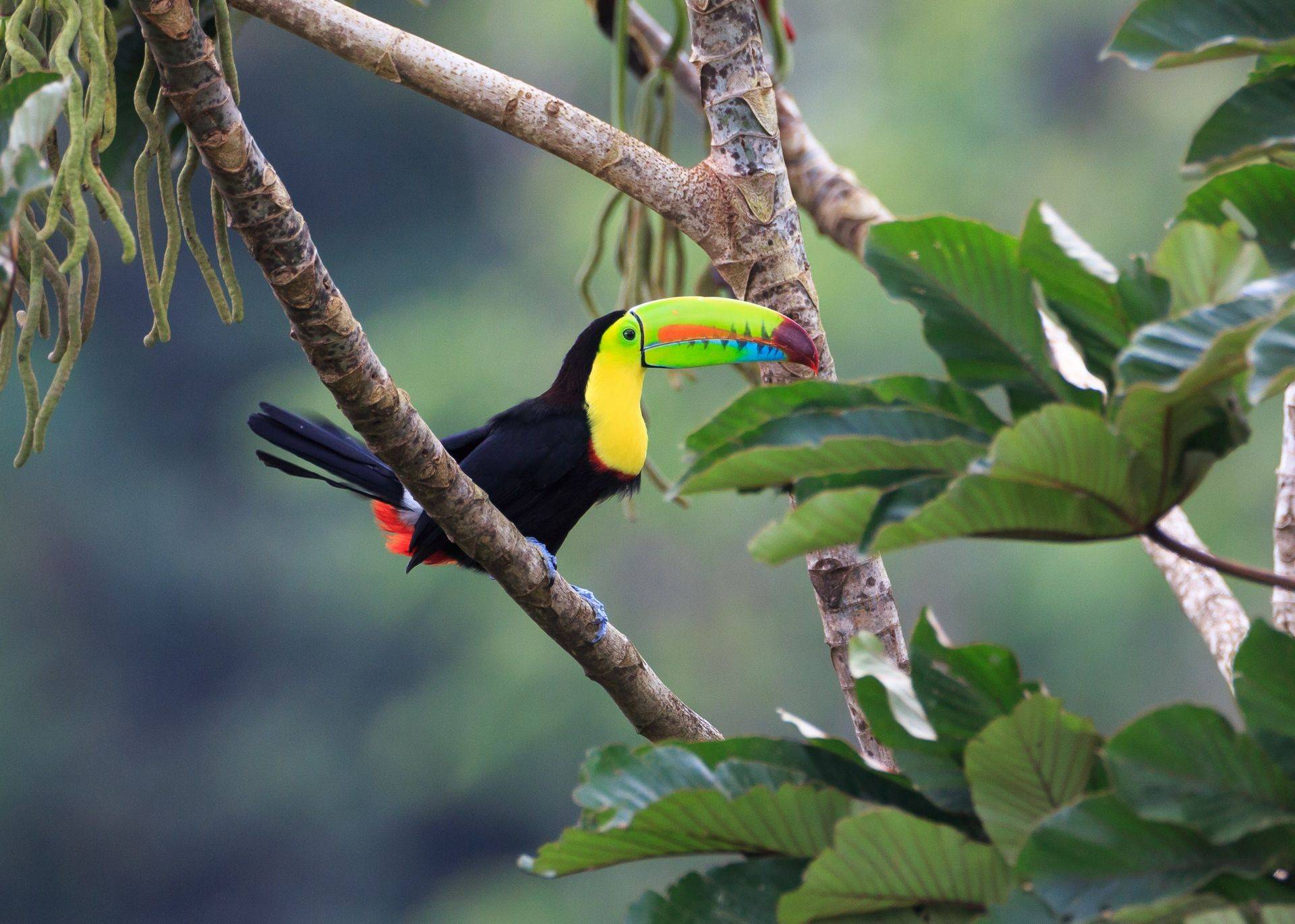
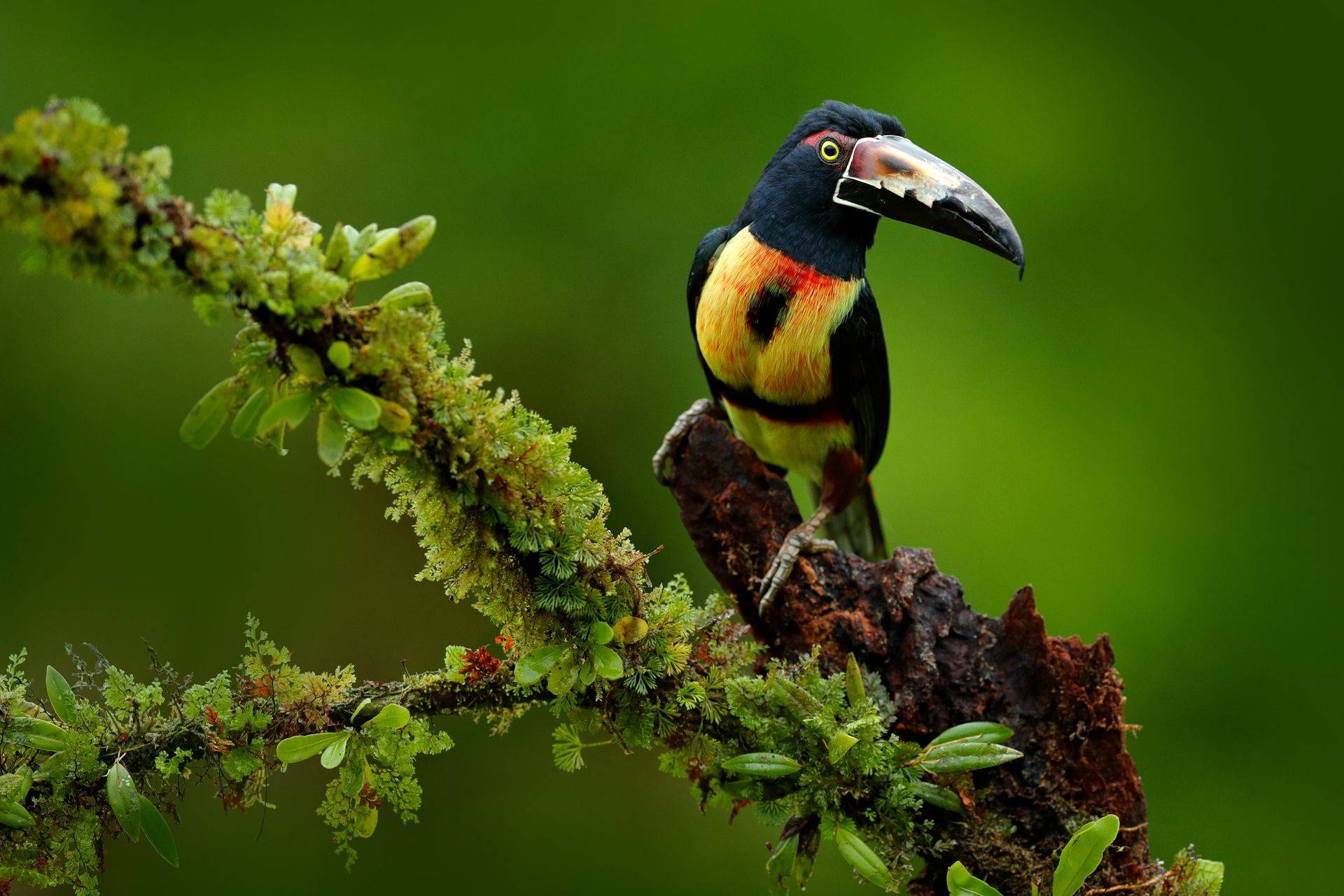
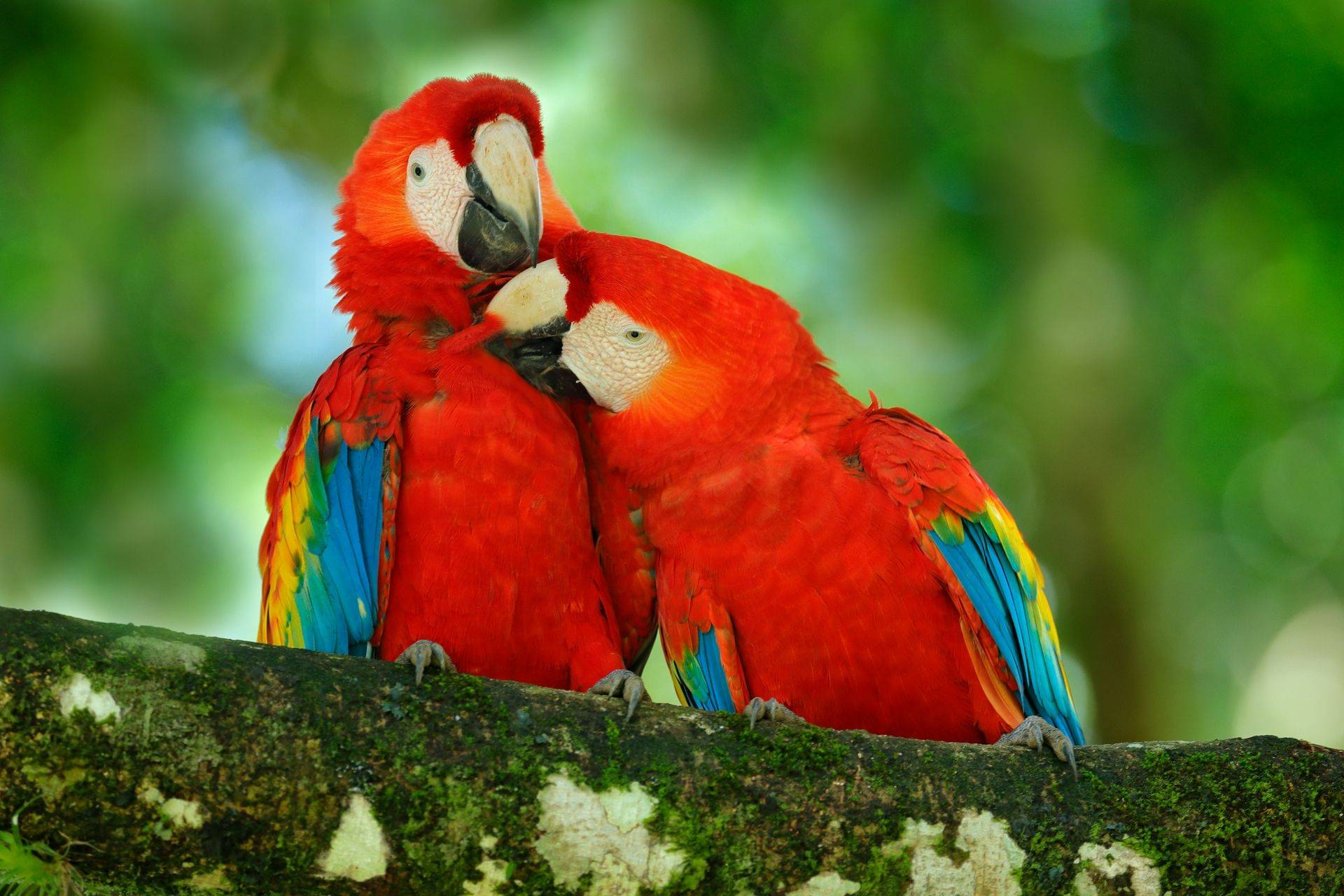
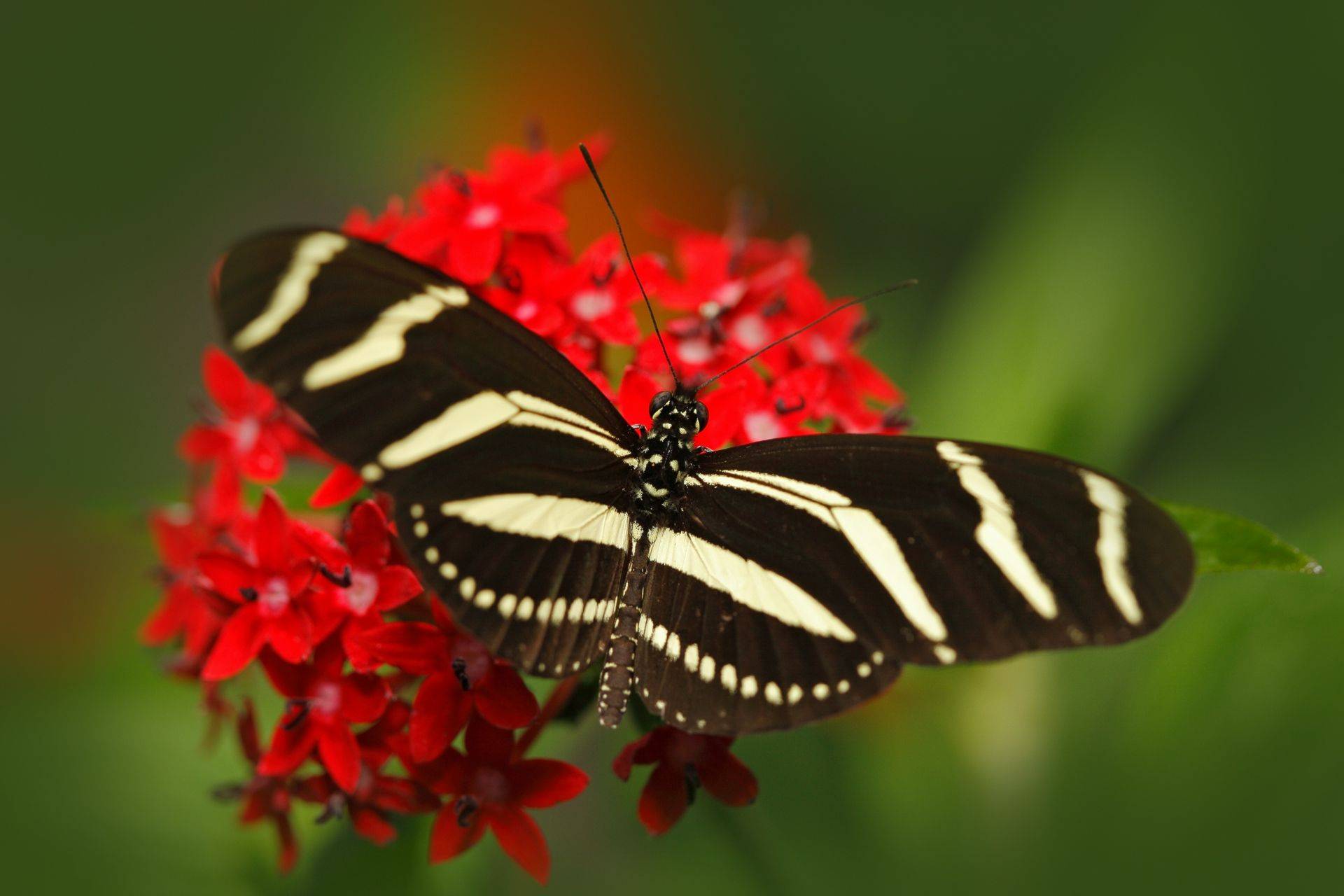
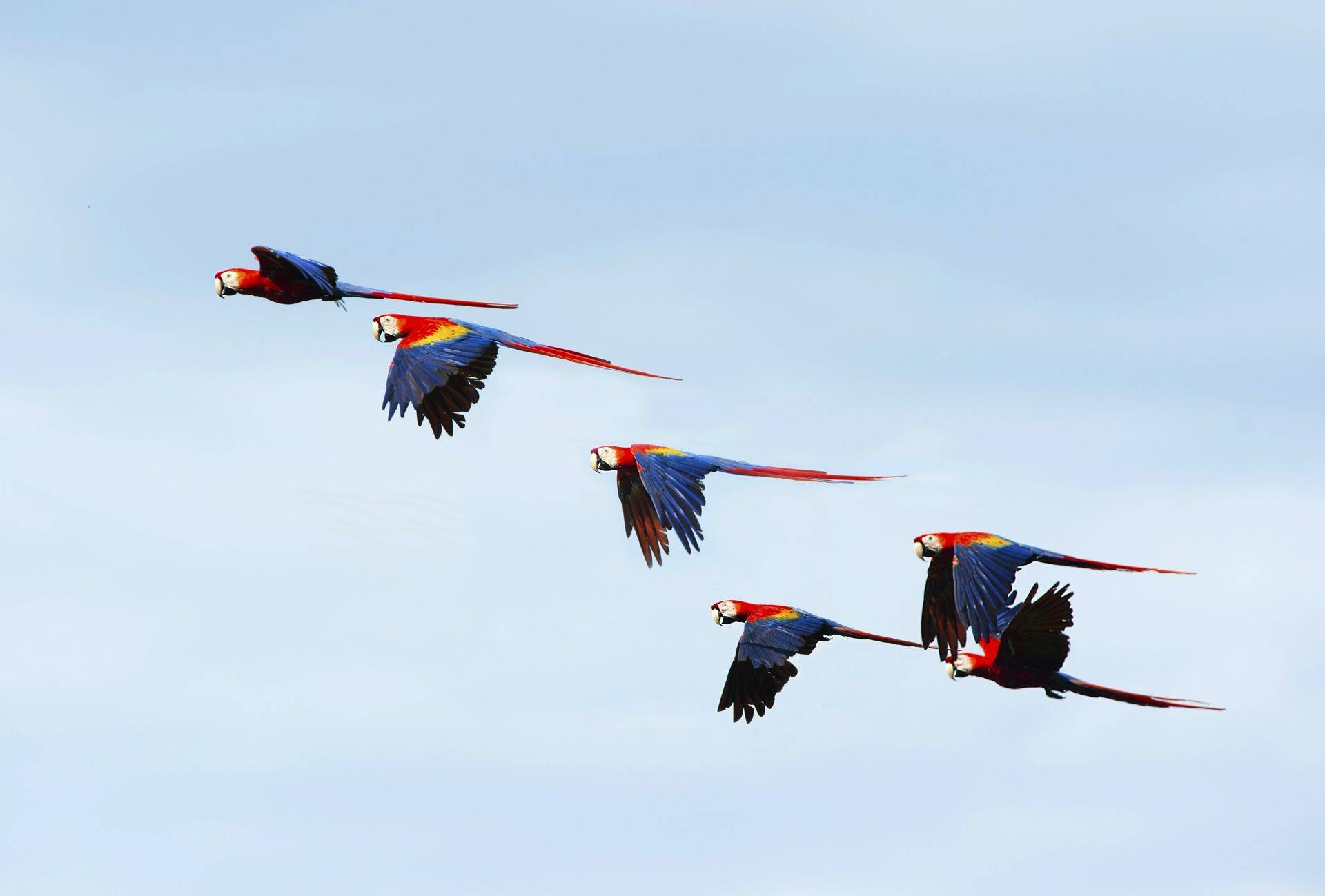
Carara protects one of the few areas of pristine lowland tropical forest left on the Pacific slope. As well as lush primary rainforest, it holds areas of secondary forest and scrub, wetlands, mudflats and mangrove thickets, each of which has its own range of species. Boat-billed Heron, Fiery-billed Aracari, Northern Royal Flycatcher and Turquoise Cotinga are just a few of the many avian highlights on offer. There is also a huge diversity of insects, amongst these the striking Blue Morpho butterfly, plus an interesting range of reptiles and amphibians which include the famous Common Basalisk or ‘Jesus Lizard’, so named for its ability to run on water! A boat trip around the mangroves and mudflats of the Tarcoles Estuary adds diversity, and at the end of the day we’d recommend watching from the nearby Tarcoles Bridge as the Scarlet Macaws fly in from the forest to their night-time roosts.
Accommodation
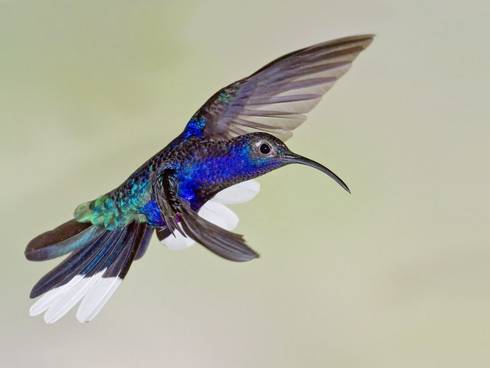
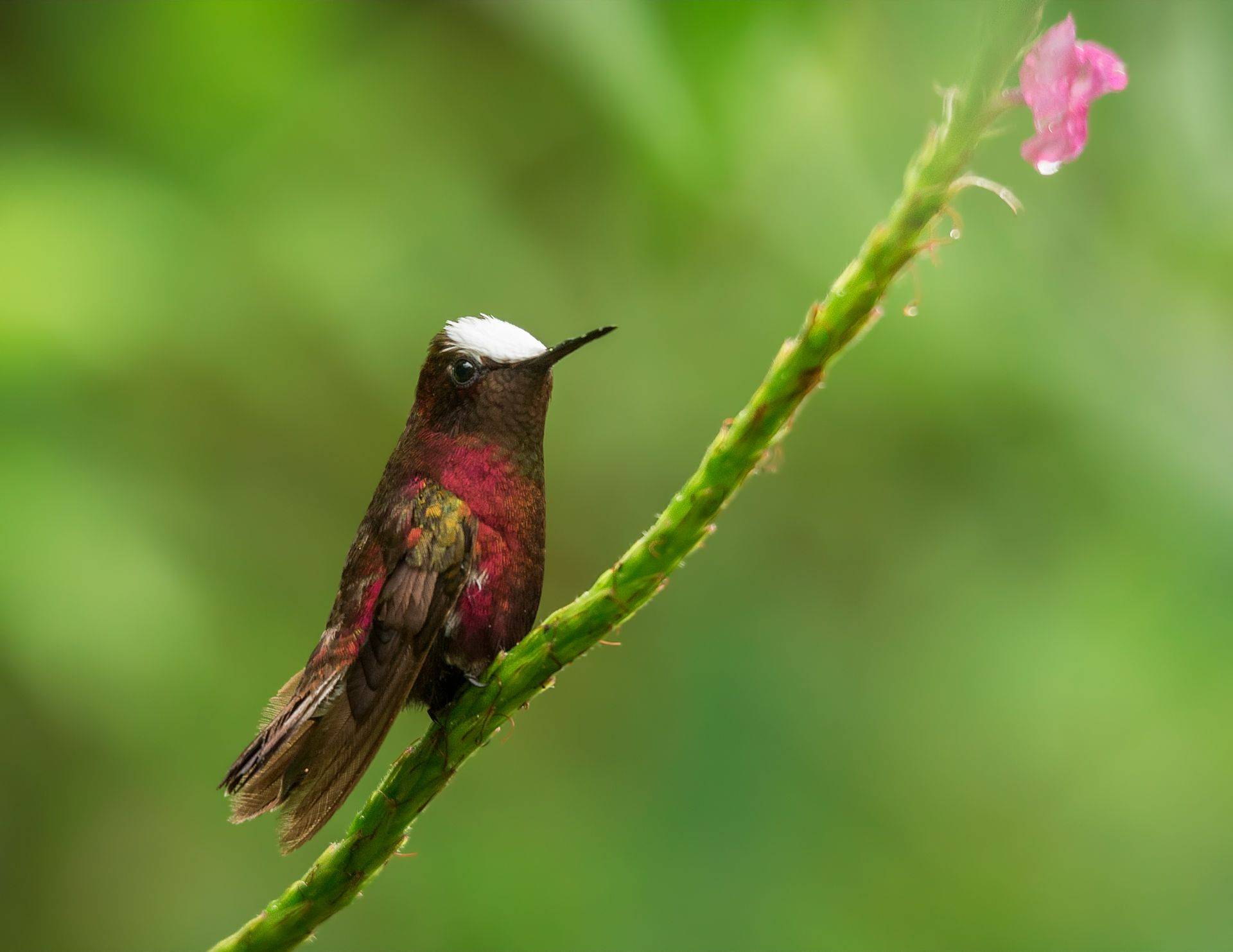
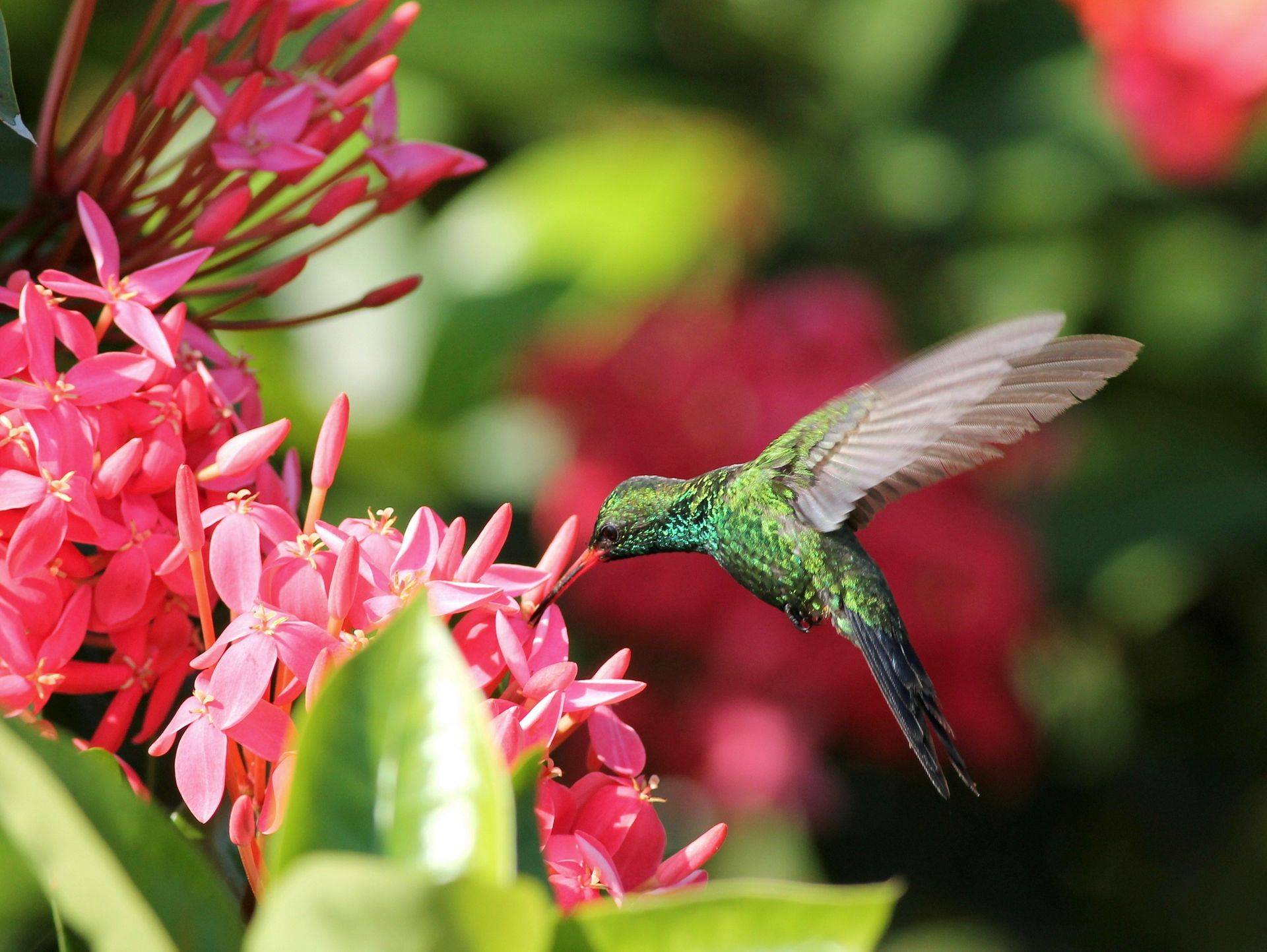
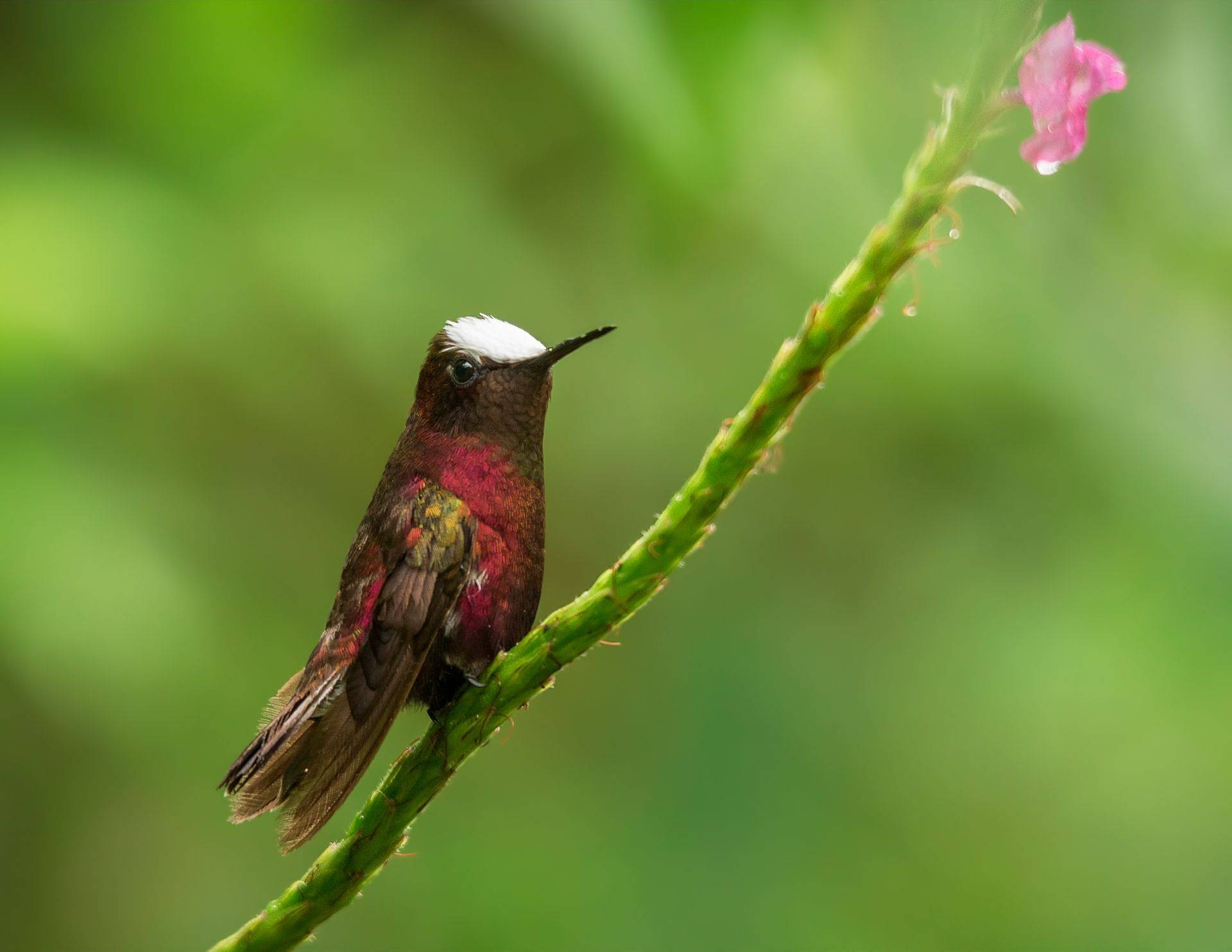
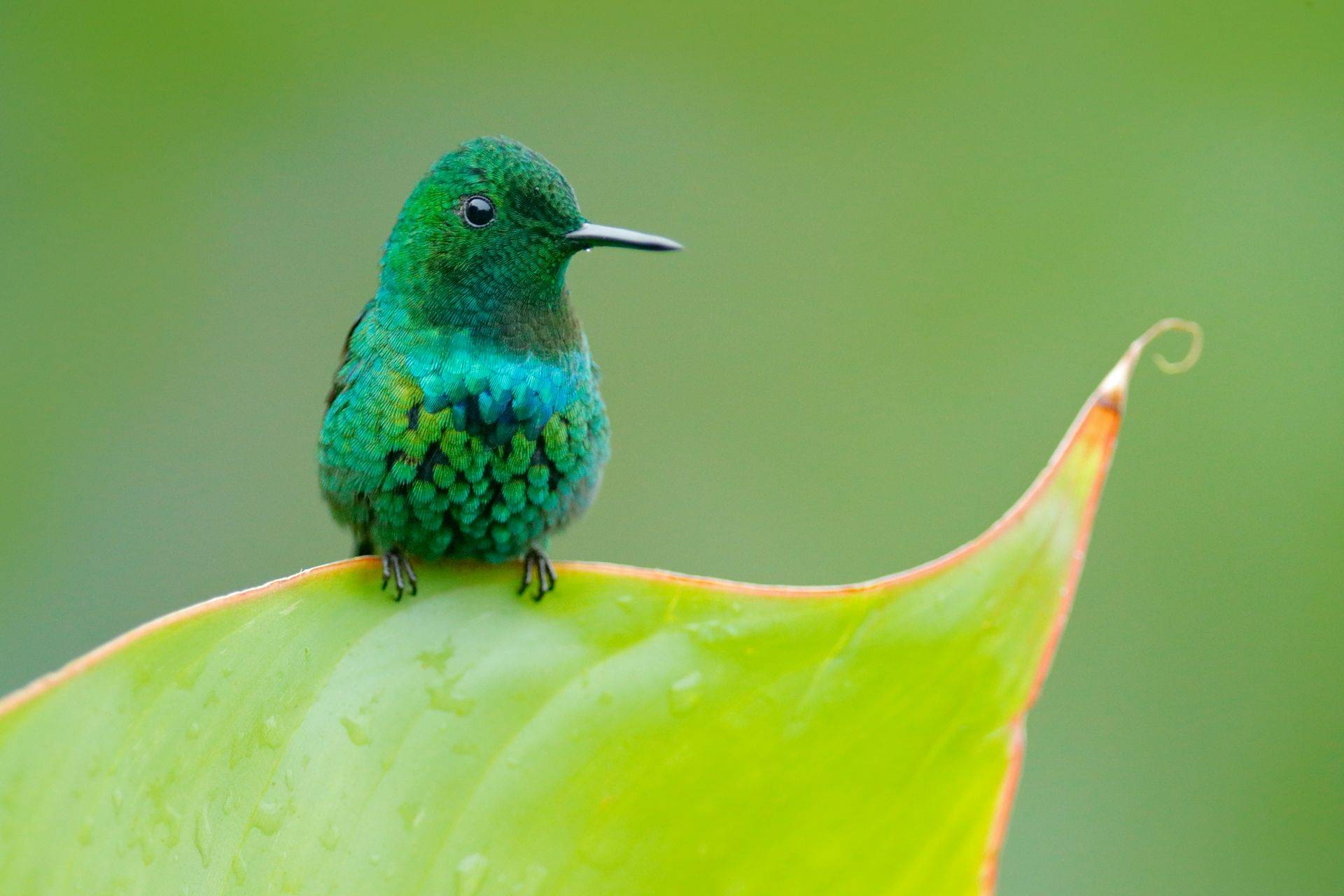
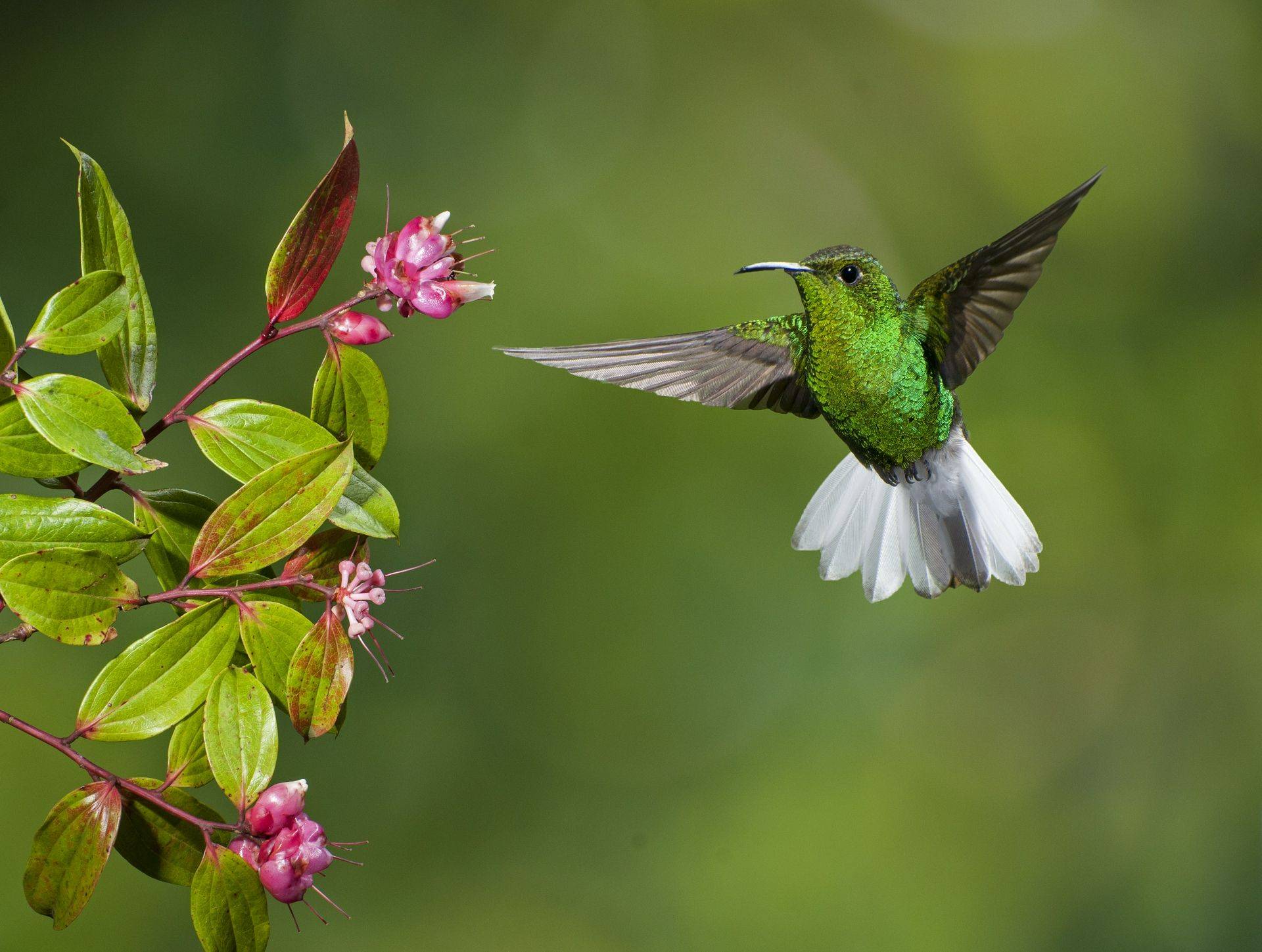
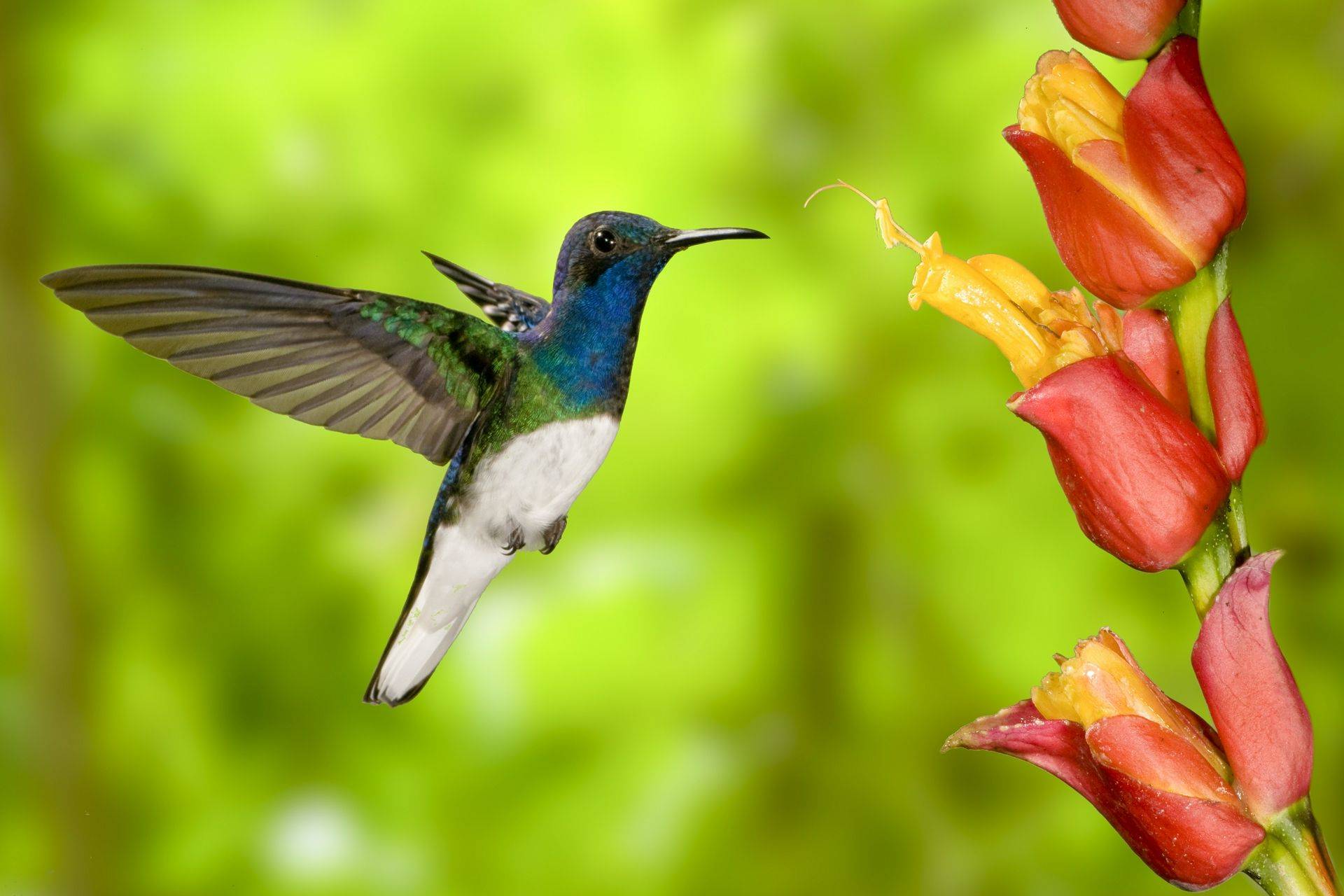
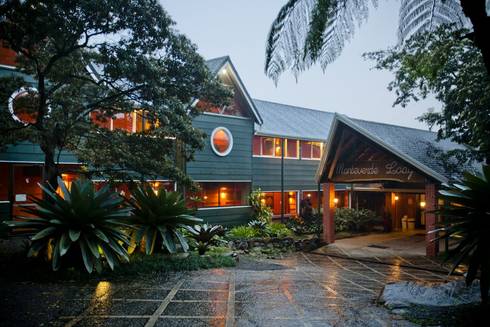
Monteverde is one of Costa Rica’s best known wildlife locations. The reserve straddles both the Pacific and Atlantic slopes at an average altitude of 1,400 metres and offers six distinct ecological zones and an exceptional biodiversity. Over 320 species of birds, 100 species of mammals, and in excess of 2,000 plant species have been recorded here … and that’s not to mention the invertebrates! Monteverde is also known as one of the best places to see Resplendent Quetzal – present here from January to July. Another highlight is the ‘hummingbird gallery’ near the reserve’s entrance where many species come to feed, including the spectacular Violet Sabrewing. The Three-wattled Bellbird is another sought-after species, while nocturnal birds such as Dusky Nightjar and mammals like the Prehensile-tailed Tree Porcupine may be seen on night-time spotlighting forays.
Accommodation
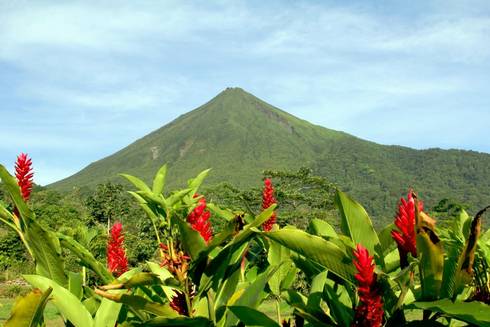
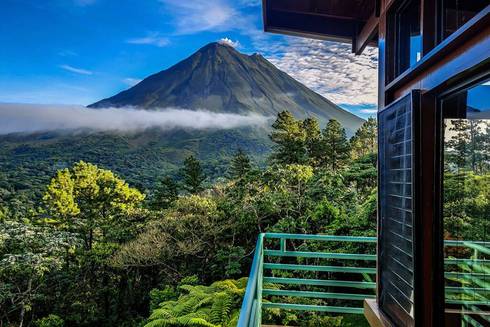
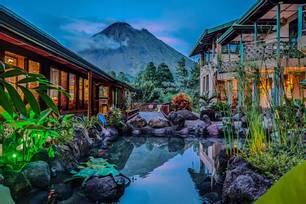
The Arenal Volcano is a beautifully symmetrical cone that towers above the town of La Fortuna in the central northern highlands. Although it has been very active, at the time of writing, Arenal has been dormant for several years with no indication if or when it might start up again. Despite this, the area remains a pleasant place to stop for a night or two and its hot springs are a great place to soothe away any aches after a day’s birding on the many trails through the surrounding mid-elevation forest! The comfortable Arenal Observatory Lodge is one of the only lodges offering clear views of the summit of Arenal and is our recommended place to stay.
Accommodation
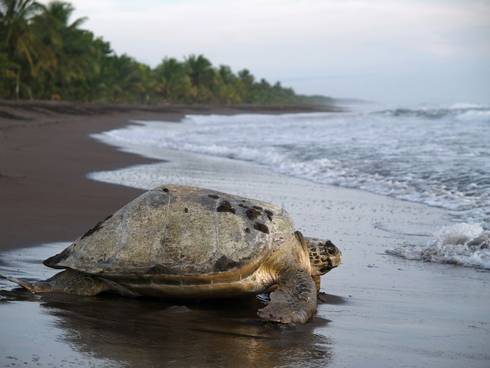
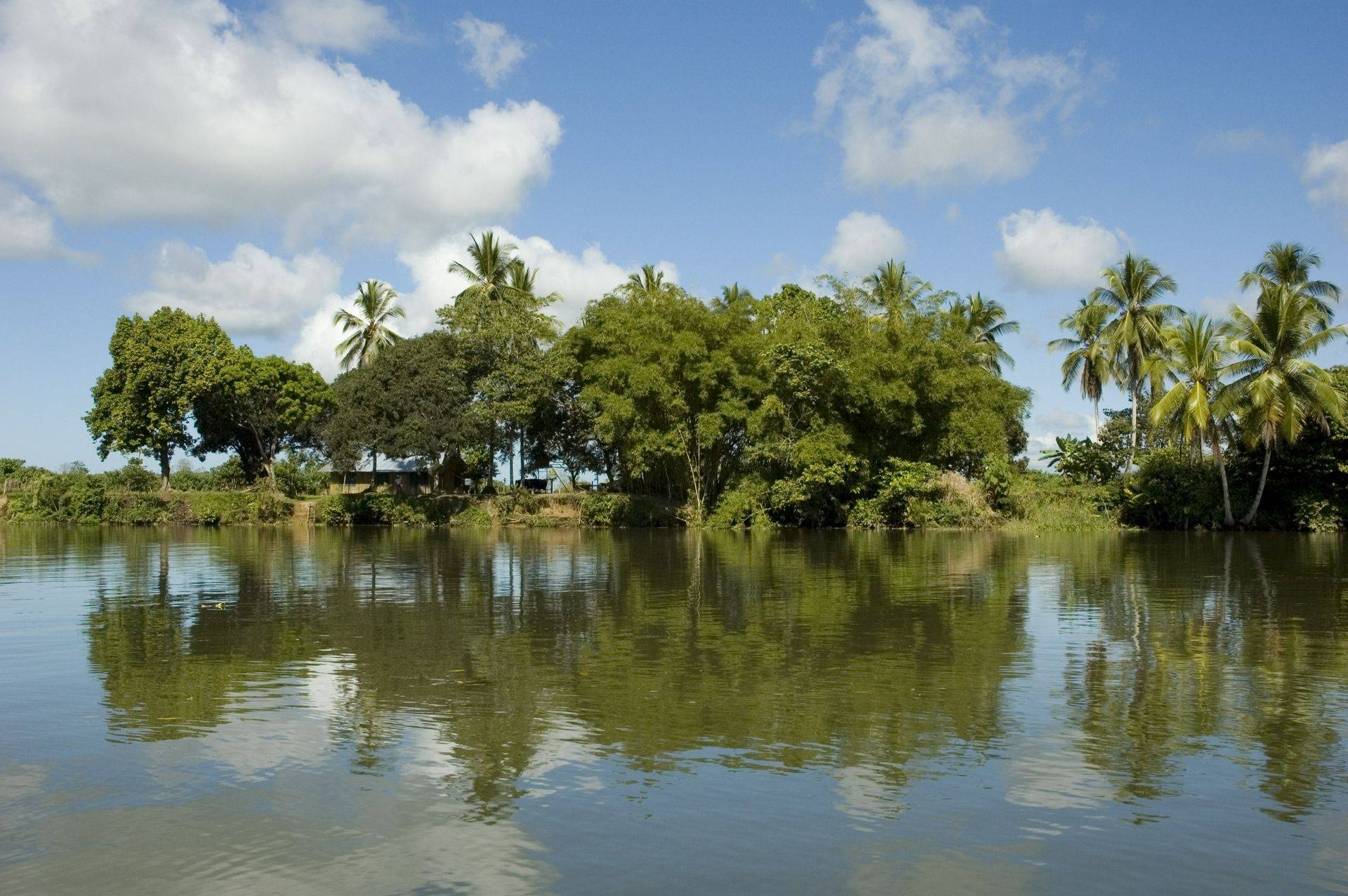
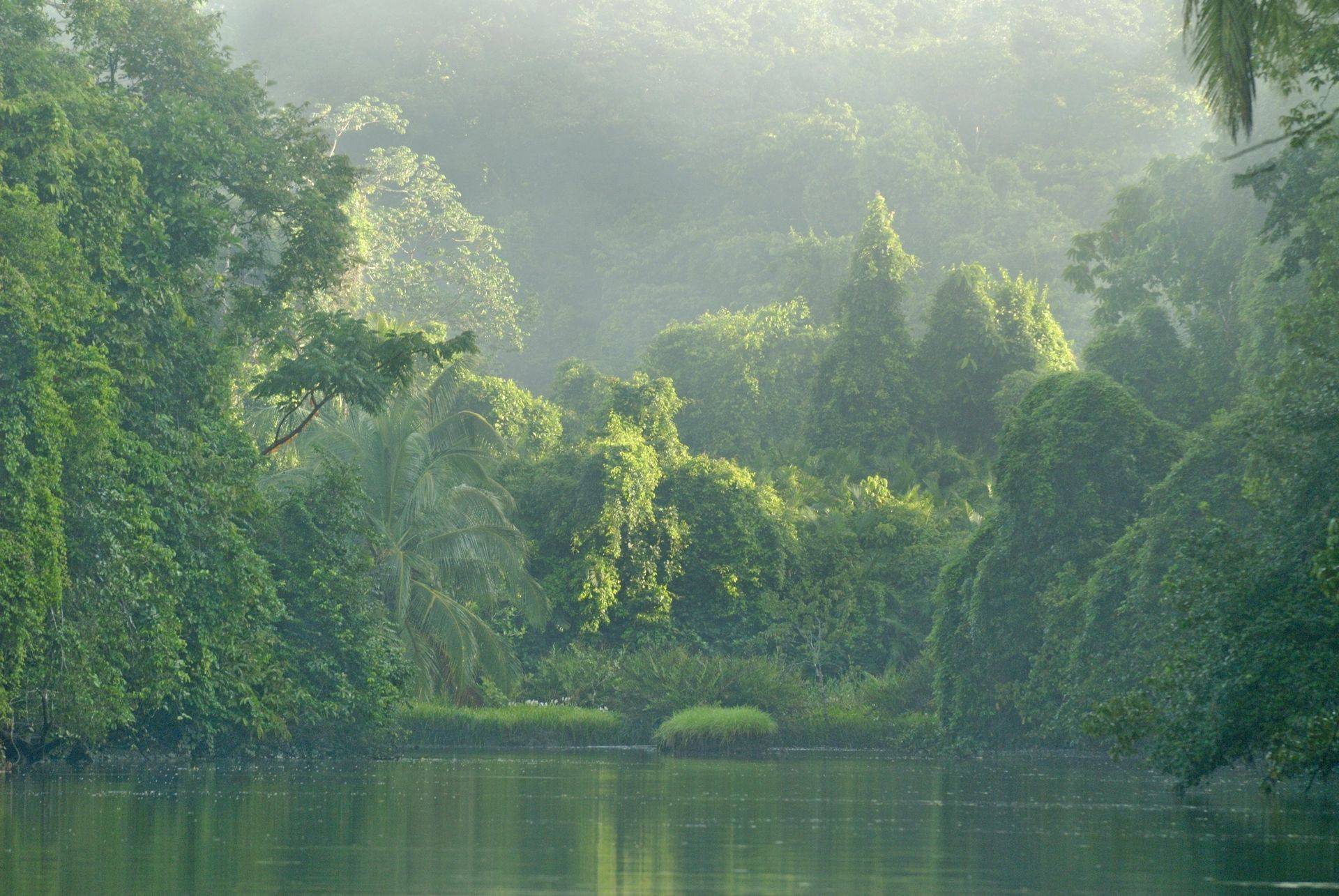
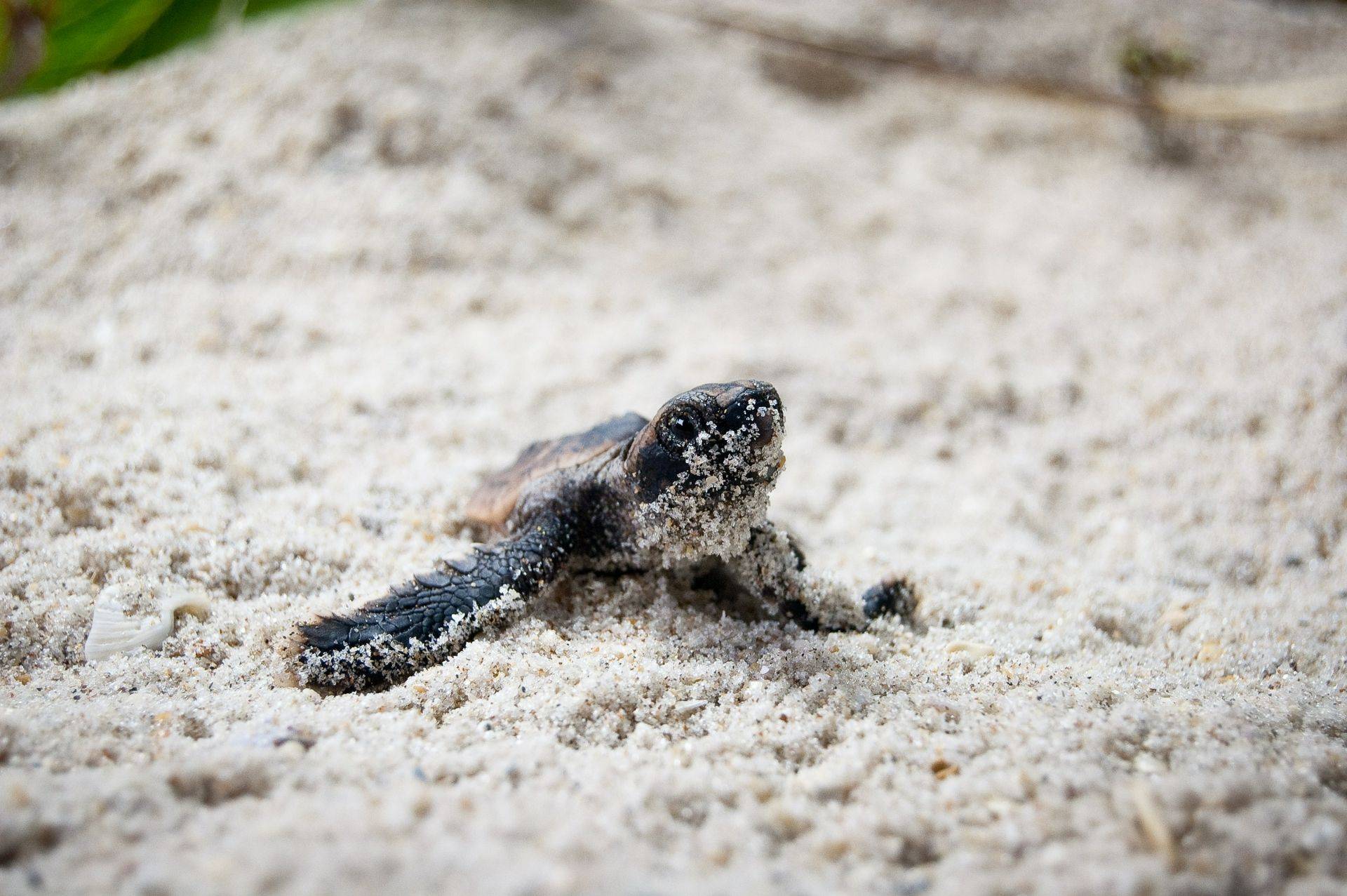
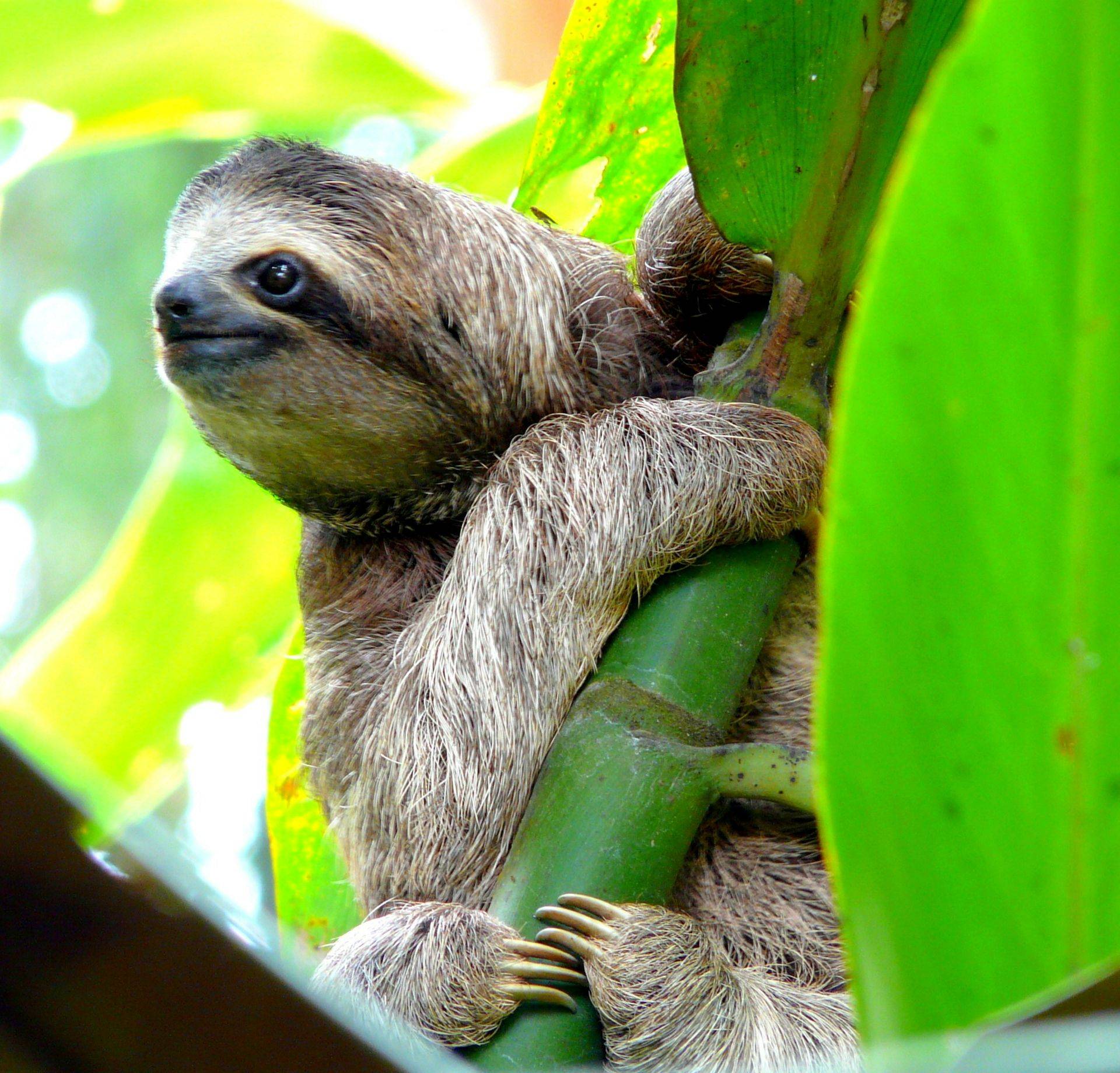
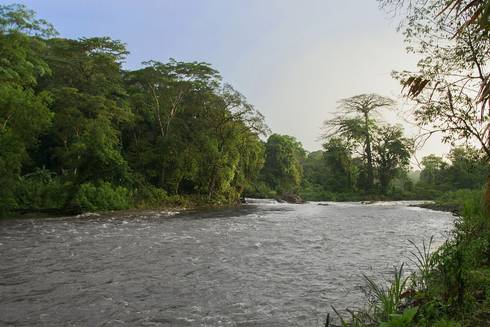
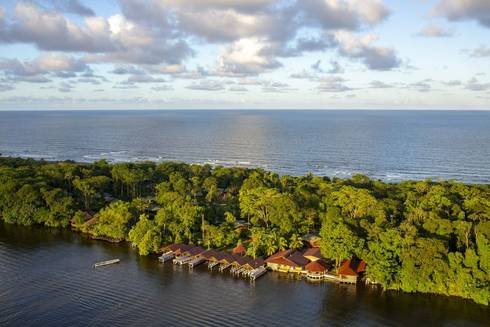
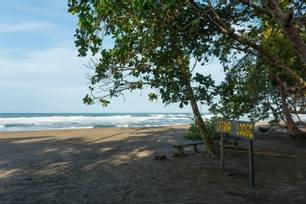
The north-eastern flooded forests of Tortuguero National Park are just a short drive from San José – a scenic journey that winds for a couple of hours past mountains and volcanoes before descending through the tropical rainforest of the Caribbean slope. Tortuguero can only be explored by boat, via its network of flooded rivers and narrow waterways, and gently weaving through this flooded forest is an experience in itself. Amongst the range of intriguing wildlife here is the bizarre Brown-throated Three-toed Sloth, plus Mantled Howler and Geoffroy's Spider Monkeys, Spectacled Caiman and Neotropical River Otter as well as a host of lizards, river turtles and Costa Rica’s ubiquitous plethora of birds. The beaches here are an important nesting site for three species of sea turtle: both Green and Hawksbill Turtles nest between July and October, while huge Leatherback Turtles visit the beaches from February to April.
Accommodation
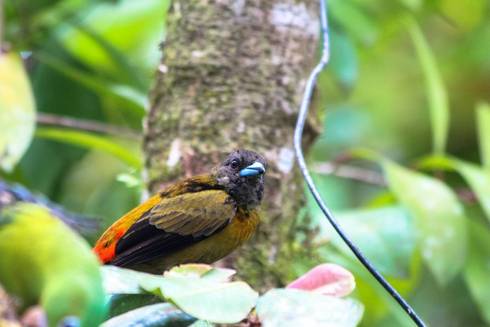
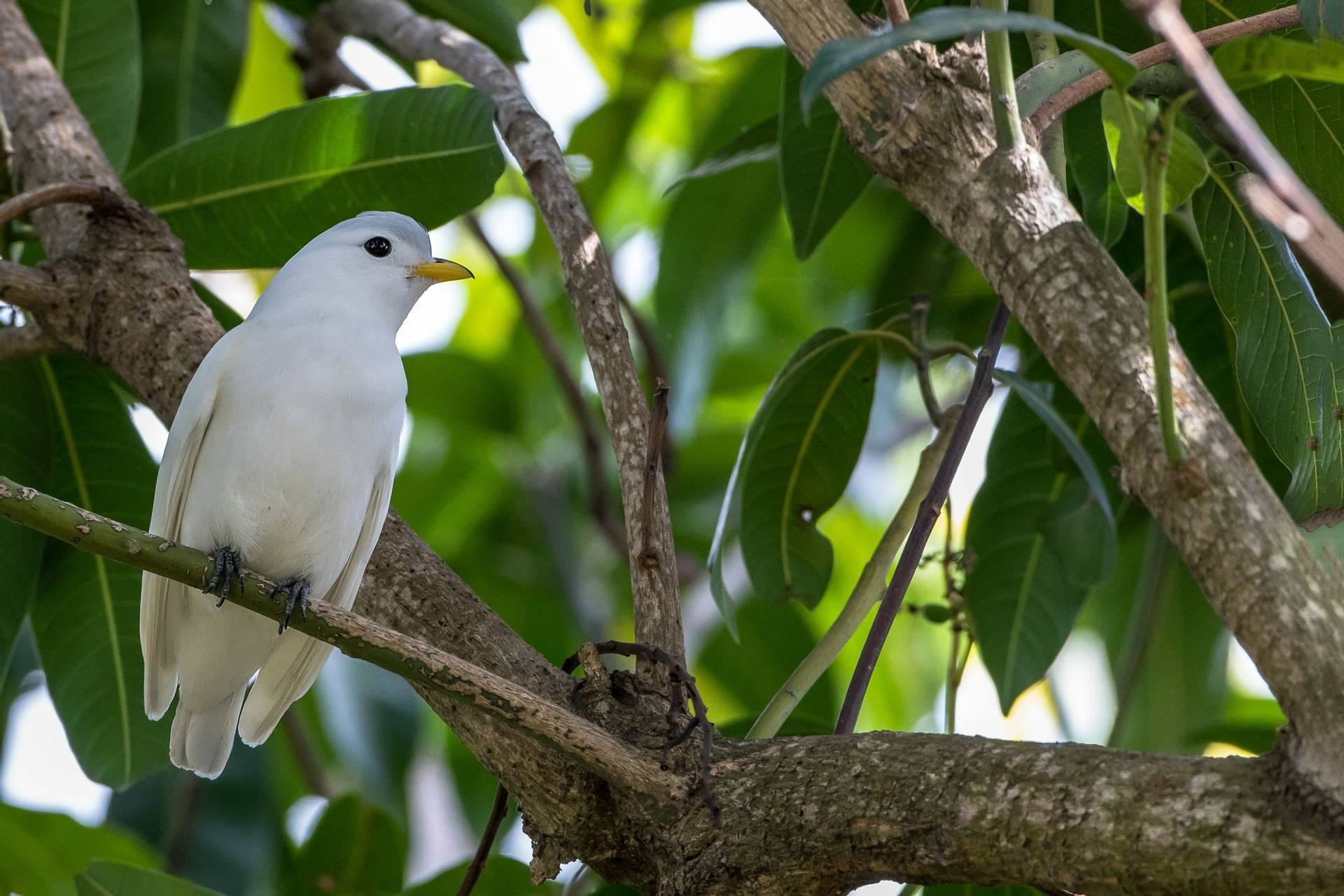
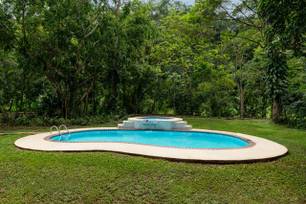
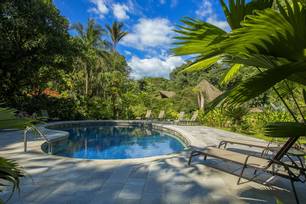
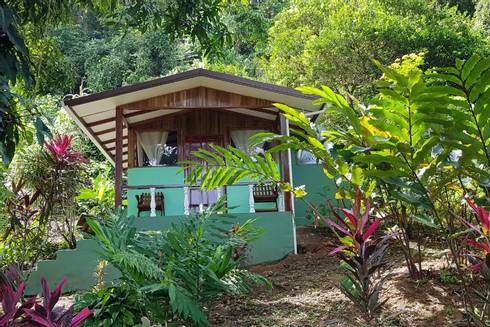
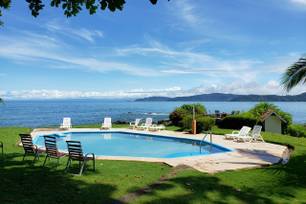
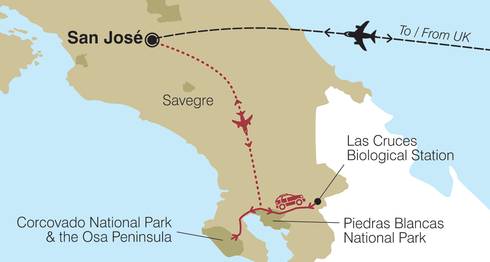
The Piedras Blancas National Park is one of the few remaining tracts of primary rainforest in southern Costa Rica and offers excellent Pacific slope birding. One of the most exciting possibilities is the endemic Black-cheeked Ant-tanager and there are also a number of near endemics (species that just extend into Panama) such as the Yellow-billed Cotinga, Spot-crowned Euphonia and Black-hooded Antshrike. This is one of the best all-round birding sites in the whole of Costa Rica, attracting, as it does, species from both North and South America. The scenery is outstanding and there are many kilometres of excellent trails which pass beautiful waterfalls and meandering rivers. The best place to stay here is the Esquinas Rainforest Lodge, a simple but wonderfully located lodge with lush tropical gardens and a small pool.
Accommodation
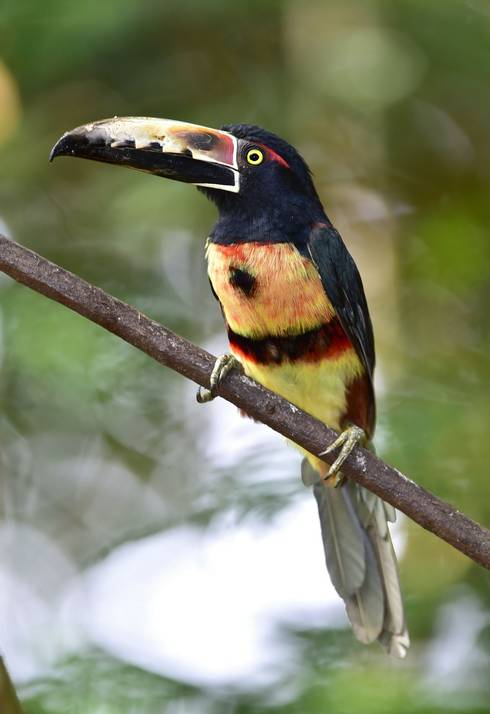
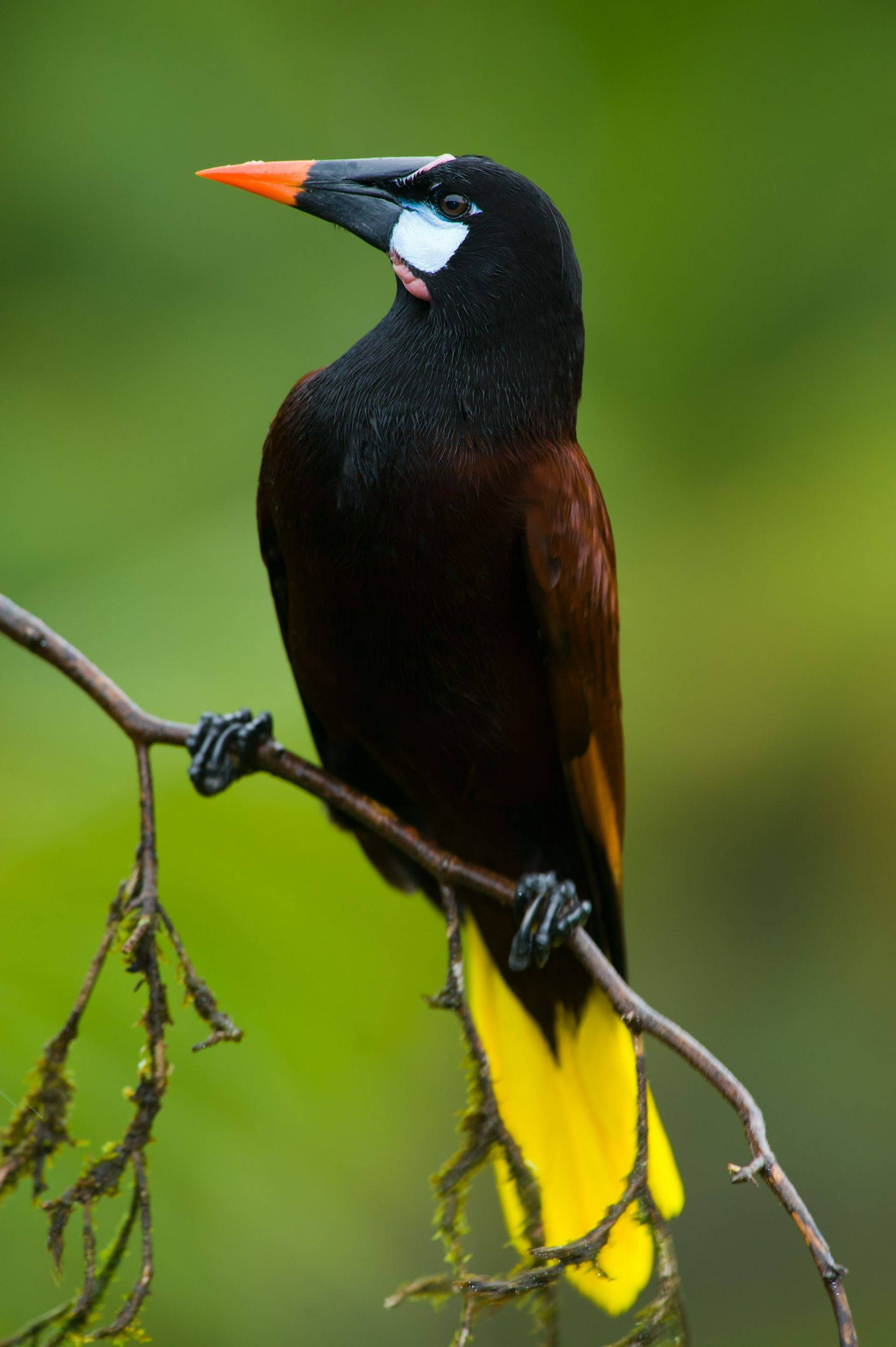
Las Cruces forms part of the larger La Amistad Biosphere Reserve and is one of the least-explored parks in the whole of Central America. This is certainly not on the usual tourist trail and will suit extremely keen naturalists and birders, in particular those looking for a unique and remote experience. The only place to stay is Las Cruces Biological Station which is an active research centre for tropical studies and this gives guests the chance to mingle with research scientists. There’s an excellent canopy tower and despite its remoteness the bedrooms have private bathrooms, comfy beds and balconies. Some of the exciting species that are possible here include Turquoise Cotinga, Fiery-billed Aracari, Charming Hummingbird, Brown-billed Scythebill, Golden-naped Woodpecker and Crested Oropendula … birders will surely be in their element!
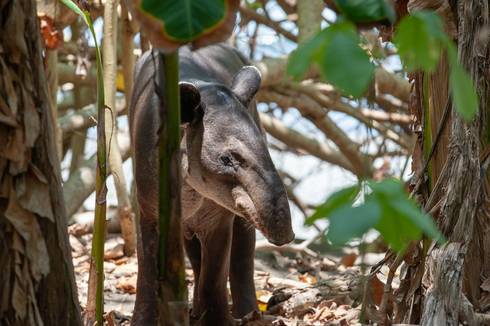
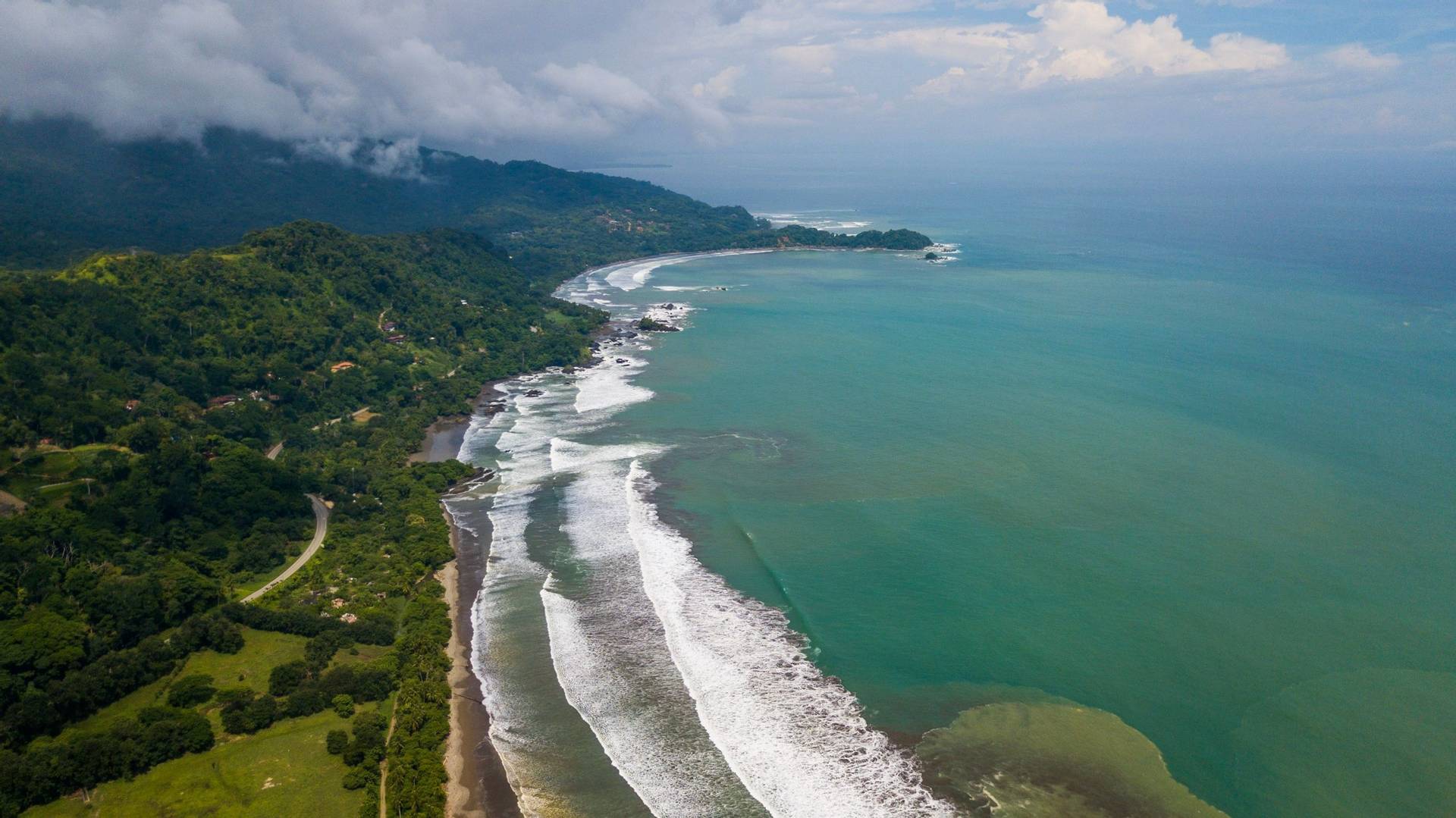
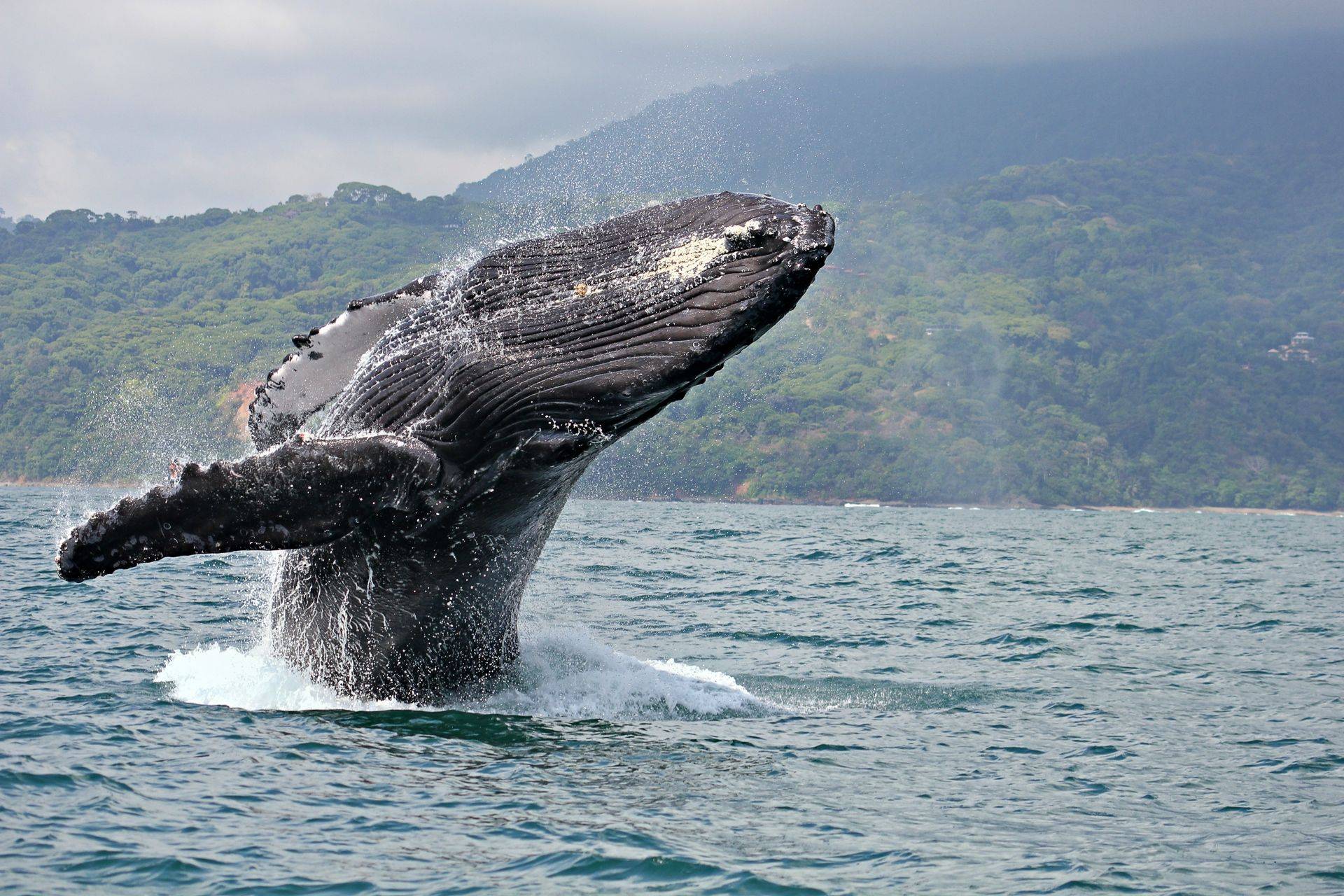
In the far south of the country the Corcovado National Park makes up about a third of the entire area of the Osa Peninsula, Costa Rica’s most remote wildlife haven. Corcovado’s extensive tracts of primary rainforest harbour over 350 species of bird and seven species of cat including Jaguar, Ocelot and Puma which, although difficult to see, make wildlife excursions all the more exhilarating! The miles of beautiful rainforest-fringed tropical beaches are another important nesting site for sea turtles, principally Olive Ridley and Green Turtles, while Scarlet Macaws are regularly to be seen overhead. The nearby Caño Island is an excellent spot for snorkelling and diving, and the Gulf of Dulce hosts both Northern and Southern Hemisphere populations of Humpback Whale, the former from December to April and the latter from June to October.
Accommodation
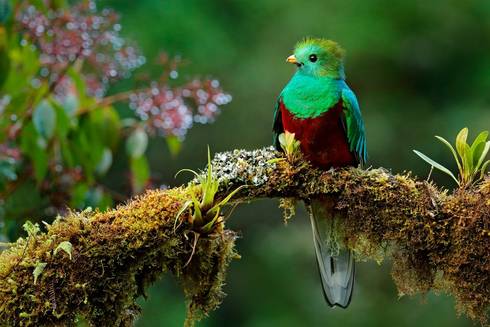
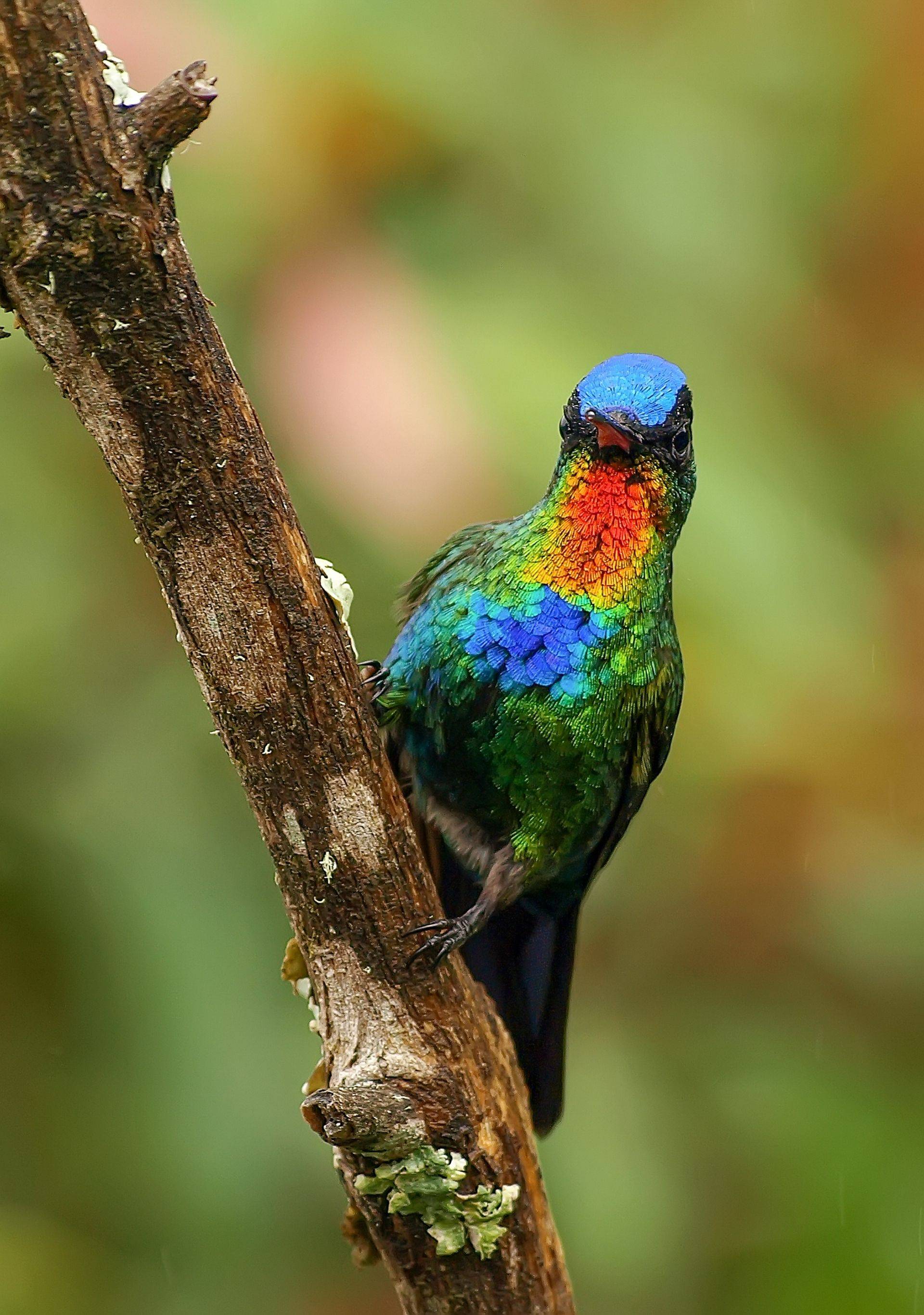
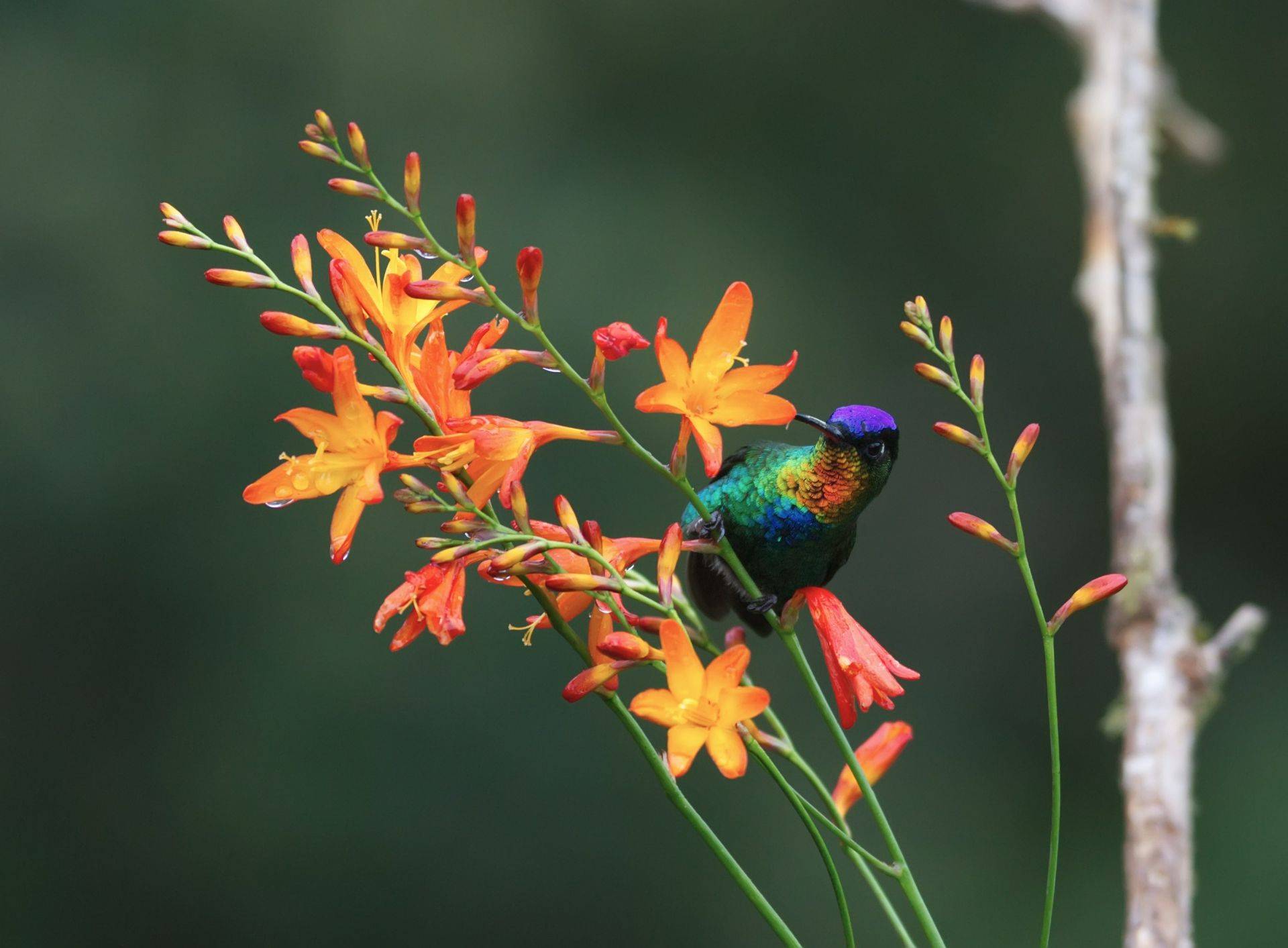
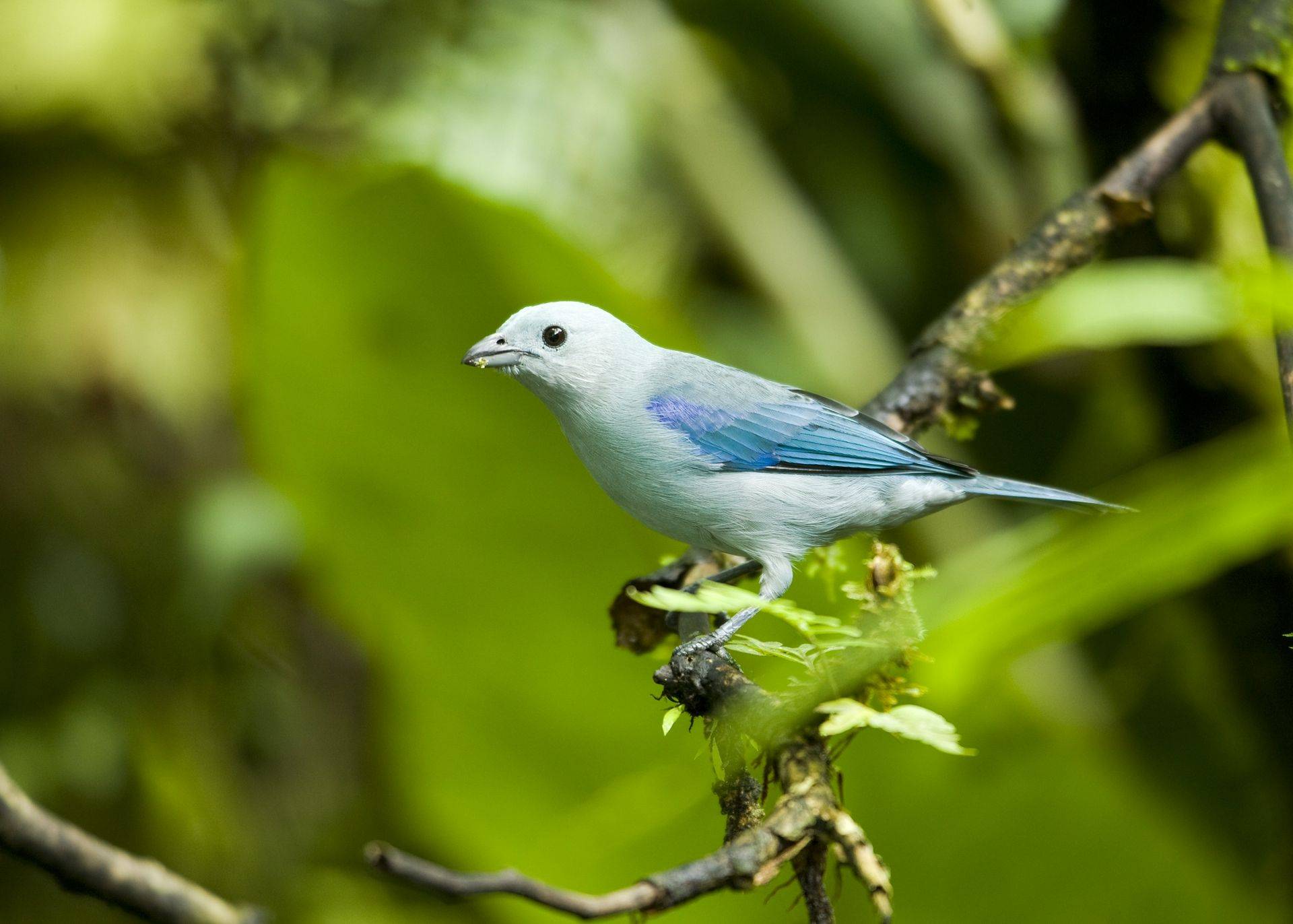
The Savegre Valley is a part of the larger Cerro de la Muerte Highlands and can be easily accessed by road from Costa Rica’s capital city, San José. Unlike the well-known Monteverde Reserve, the cloudforests of Savegre attract far fewer tourists yet still boast an abundance of birdlife, including the Resplendent Quetzal, often touted as the most beautiful bird in the world! Other sought-after species in the area include Fiery-throated, Volcano and Magnificent Hummingbirds, Flame-throated Warbler and numerous colourful tanagers. On the higher slopes, cloudforests give way to páramo, a habitat more typically associated with the Andes of South America and which has a different set of bird and plant species that are well worth investigation.
Accommodation
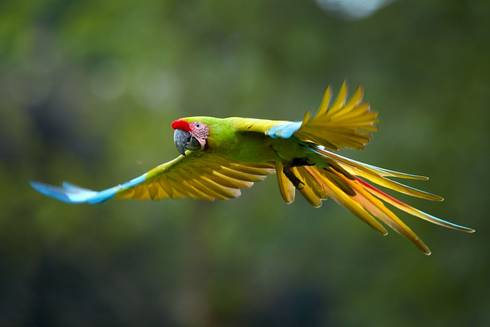
The enchanting region of Boca Tapada is located in northern Costa Rica, near the border with Nicaragua and close to the San Carlos River. This captivating area boasts vast stretches of lush lowland rainforest and serves as an important wildlife corridor. The region is a key nesting site for the critically endangered Great Green Macaw – one of the largest parrot species in the world – which feeds on the seeds of native Dipteryx trees. With an additional 400 plus species gracing the forests, there is plenty to entice the keen birder. Yet the jungle is home to much more wildlife besides, including enigmatic mammals and a wide variety of herpetofauna. Additionally, this part of Costa Rica remains largely untouched by tourists, offering the serious naturalist a quieter and more serene retreat.
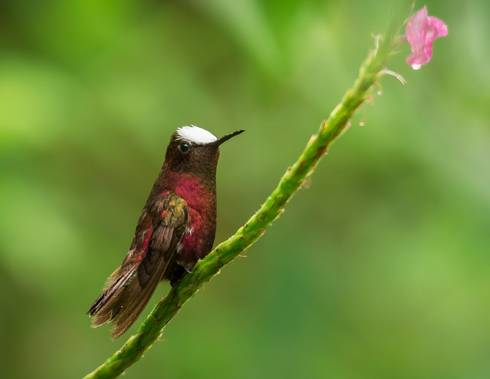
Turrialba is a city and canton situated in the eastern segment of Costa Rica's Cartago Province, renowned for its close proximity to the Turrialba Volcano, one of the country's most active. Although the volcano experiences periodic eruptions, volcanic activity can be safely observed from a distance and eruptions are closely monitored by experts. The Turrialba Valley is a picturesque landscape characterised by majestic mountains, meandering rivers and abundant greenery. The valley's fertile soil supports a diverse array of flora and fauna, with many species that are difficult to see elsewhere, making for an excellent wildlife stopover.
Accommodation
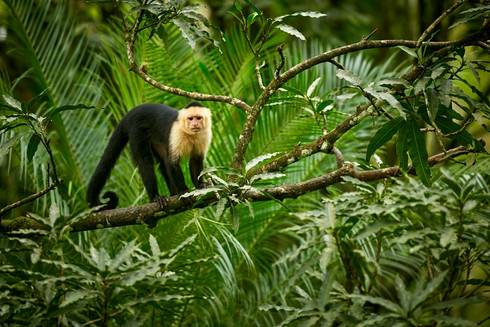
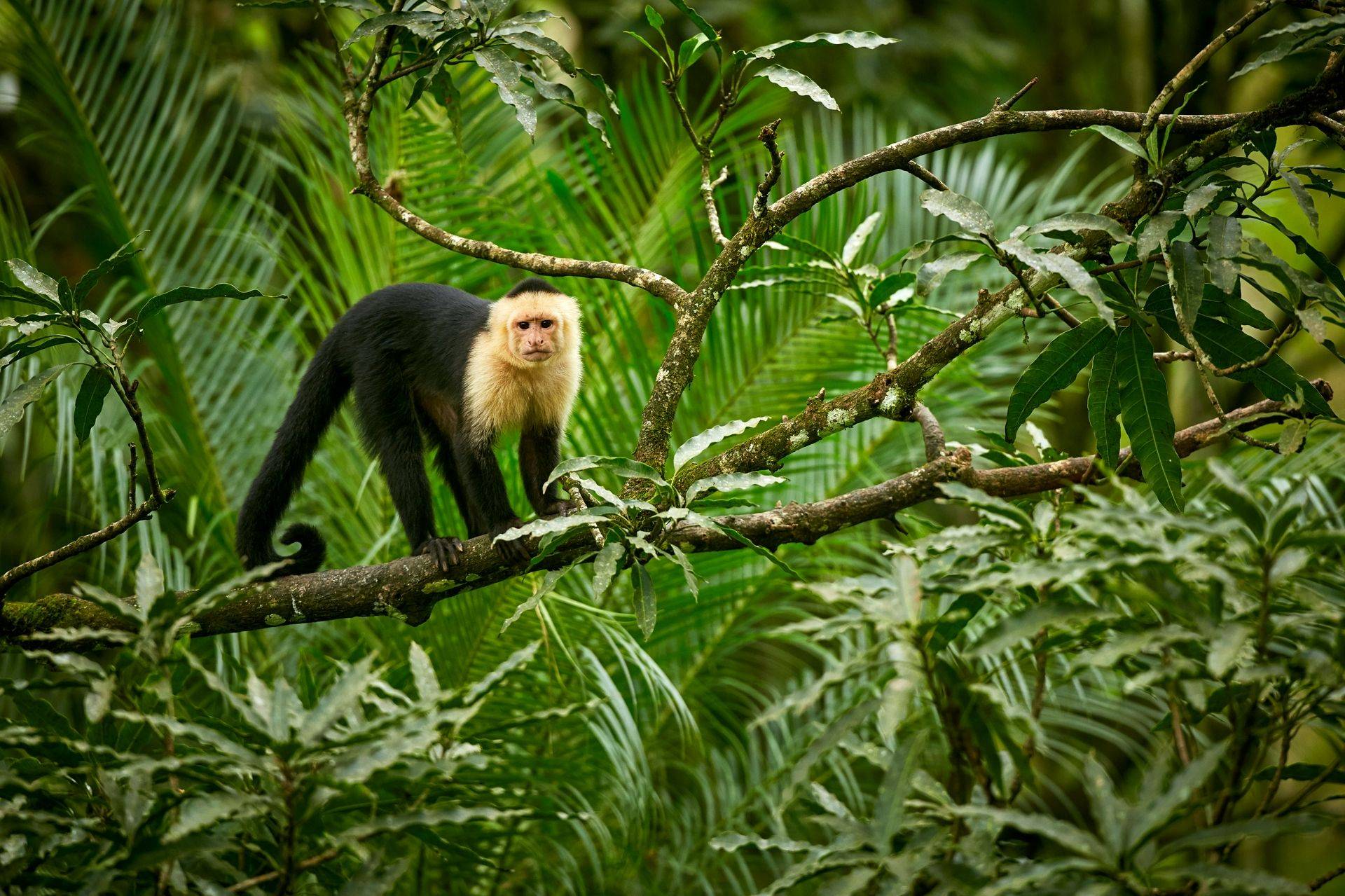
Manuel Antonio National Park, located on the central Pacific coast, is one of Costa Rica’s most popular national parks. Spanning over 16 square kilometres of pristine wildlife habitat, Manuel Antonio covers a diverse range of ecosystems, from lush rainforests to pristine white sand beaches and vibrant coral reefs. The combination of terrestrial and marine environments contributes to an exceptionally high level of biodiversity. Arboreal mammals are plentiful here, including mischievous Panamanian White-faced Capuchins, Central American Squirrel Monkeys, and both species of sloth. Birding can be productive, with more than 100 species possible in a single morning. Notable highlights may include White-crested Coquette, Fiery-billed Aracari, Spot-crowned Euphonia and Turquoise Cotinga, among others. For those seeking relaxation at the end of their holiday, this is a fantastic location in which to unwind.
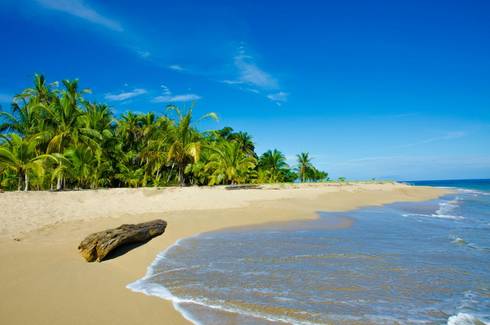
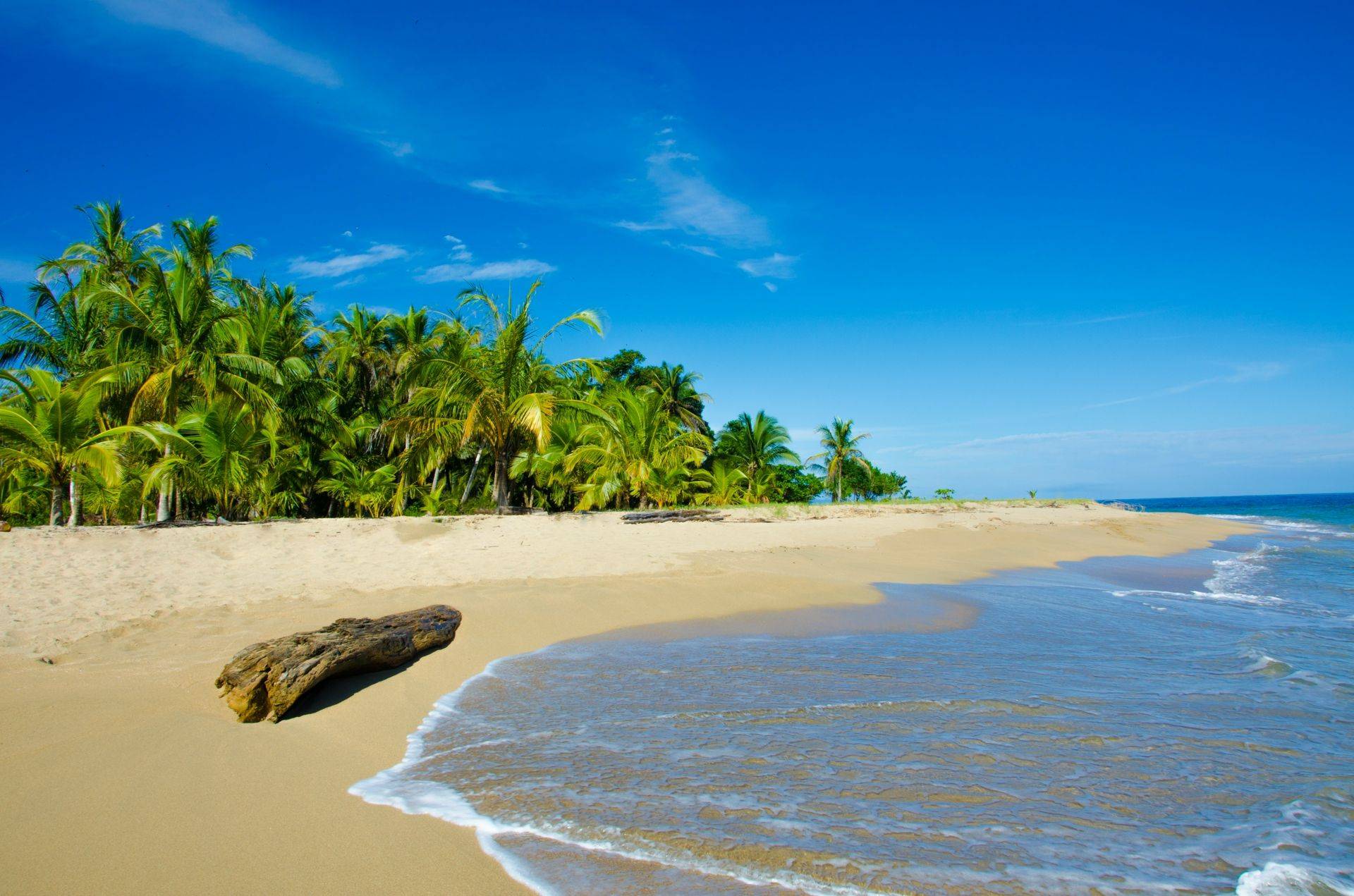
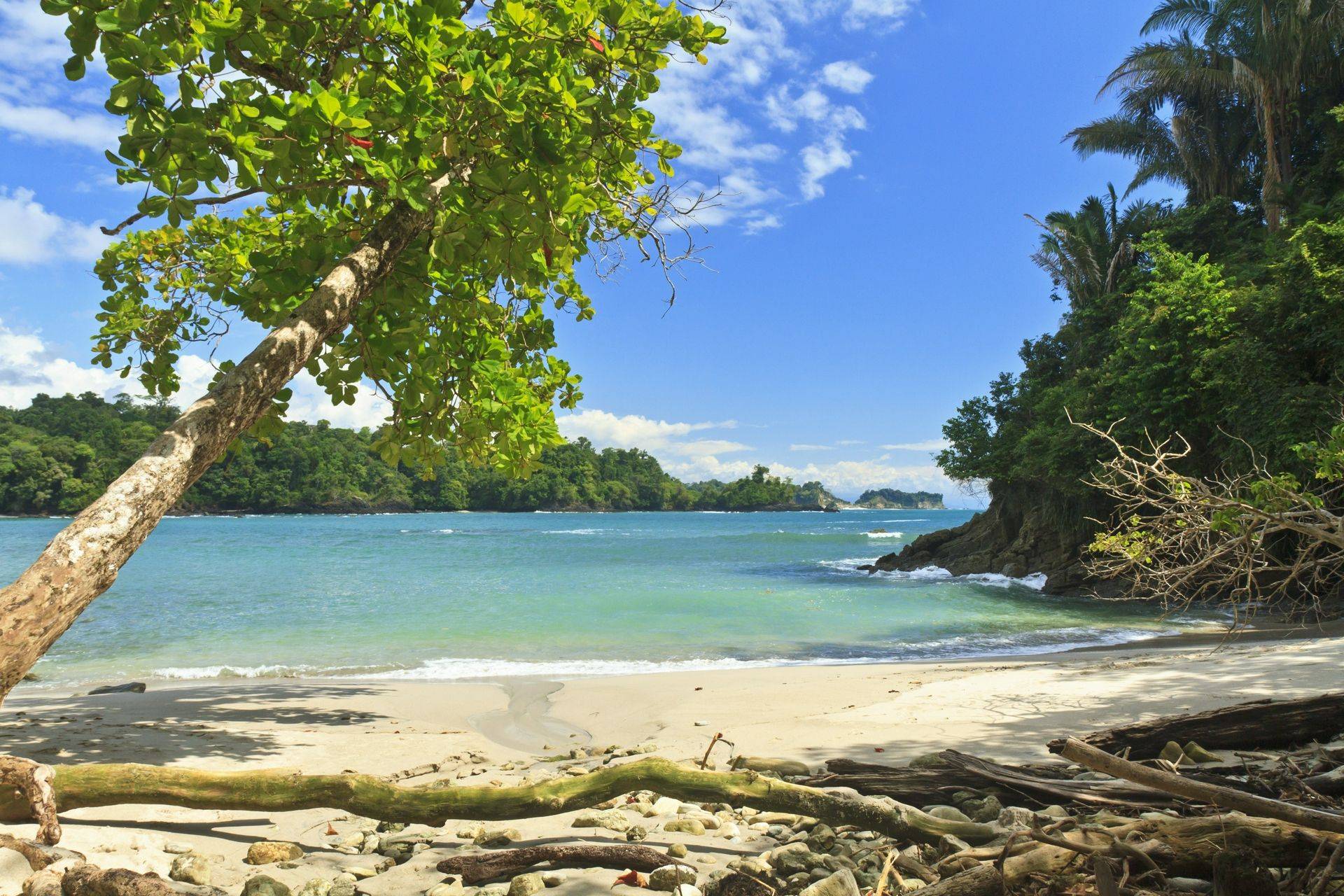
Crystal-clear turquoise water complementing palm-fringed, golden sand beaches – this is the draw of Punta Uva. Situated on the Caribbean coast, between the towns of Puerto Viejo and Manzanillo, the small fishing village of Punta Uva offers a postcard-perfect tropical paradise, combining rich natural and cultural heritage with a breathtaking coastline. The local Afro-Caribbean community inspires delicious cuisine, exquisite artworks and a laid-back vibe, while a shallow reef just offshore makes for some exceptional snorkelling. All of this, combined with wildlife-rich verdant forest and top hospitality, makes Punta Uva an excellent destination to cap off a wildlife adventure.
Sample Itineraries
If you’re seeking a little extra excitement this is the perfect itinerary that ventures off the tourist trail to Costa Rica’s remote south.
Extend your holiday:
Option 1 – add a few nights at the relaxing and accessible Savegre Mountain Lodge
Day 11/13 – Savegre Mountain Lodge
Day 14 – Depart San Jose
Day 15 – Arrive UK
Option 2 – experience flooded forests and search for nesting sea turtles on Caribbean beaches
Day 11/13 – Tortuguero National Park
Day 14 – Depart San Jose
Day 15 – Arrive UK
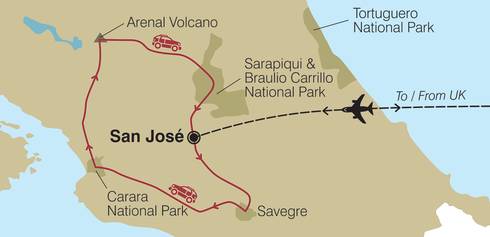
A classic itinerary visiting some of Costa Rica’s best wildlife and most bird-rich locations.
Extend your holiday:
Experience flooded forests and search for nesting sea turtles on Caribbean beaches
Day 12/14 – Tortuguero National Park
Day 15 – Depart San Jose
Day 16 – Arrive UK
The Essentials
- Wildlife Guides: Good quality local naturalist guides are available at most of our selected lodges and hotels. However, should you require a dedicated expert birding guide to accompany you throughout your holiday we will be pleased to arrange this for you.
- When to Visit: As a tropical destination, rain is possible at any time of the year. Temperatures do not change much throughout the year, but they do vary with altitude, the higher elevations being distinctly cooler than the hot and humid lowlands and coastal zones. It is possible to visit throughout the year although the best season for birding is between December and April, and this period also coincides with the drier time of year, particularly on the Pacific side of the country. October and November are also possible, but outside these two periods, the country sees considerable rainfall and the mountains are invariably clothed in cloud.
J F M A M J J A S O N D YY YY YY YY - - - - - Y Y YY - Getting Around: Costa Rica is a small country in which travel is mostly by road using a car or a minibus (depending on your numbers). There is seldom any need to travel for more than a few hours at a time, meaning holiday itineraries can be conducted at a relaxed pace. The Corcovado National Park on the Osa Peninsula is one notable exception to this rule and requires a little extra effort to reach.
Reviews
-
-
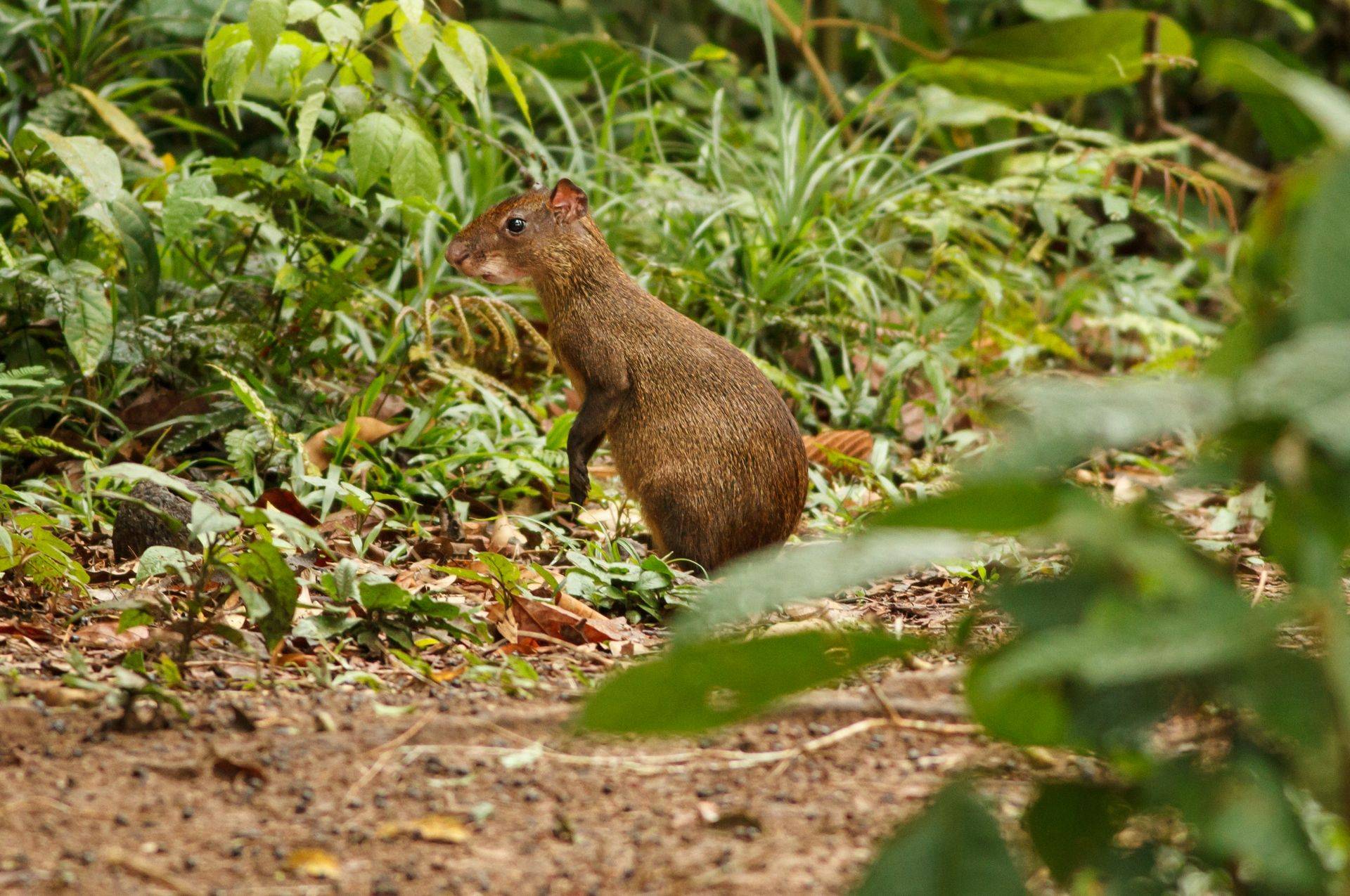
The Naturetrek Office were excellent - very helpful in helping us tailor the itinerary. We saw plenty of wildlife, meeting our expectations. Frogs, lizards, snakes, butterflies, spiders, bees, other insects, bats, monkeys, sloth, alligators, caiman, agouti, plus a plethora of birds. Our highlight was floating in the warm Carribbean sea watching howler monkeys feeding in the trees directly above us! Blue-morph butterflies fluttering with neon iridescence magically across the grey skies.
J.D. Cambridgeshire, Jan 23 -
The Pre-Departure Information was excellent - it included everything we needed to know, and the packing list was helpful and comprehensive. The car hire was great - the right sort of vehicle and good service. All our birding trips were really enjoyable, and we learned a lot. We enjoyed the variety of environments and climates.
J. & D. R. London, Jan 23 -
Accommodation was comfortable, clean, with tasty, healthy meals...I saw (and got good photographs) of about 120 bird species, many both male and female, all four monkeys, other mammals and several reptiles...my guides were knowledgeable and friendly, and I covered a good range of habitats, with enough time at each.
B.S. Derbyshire, Dec 22 -
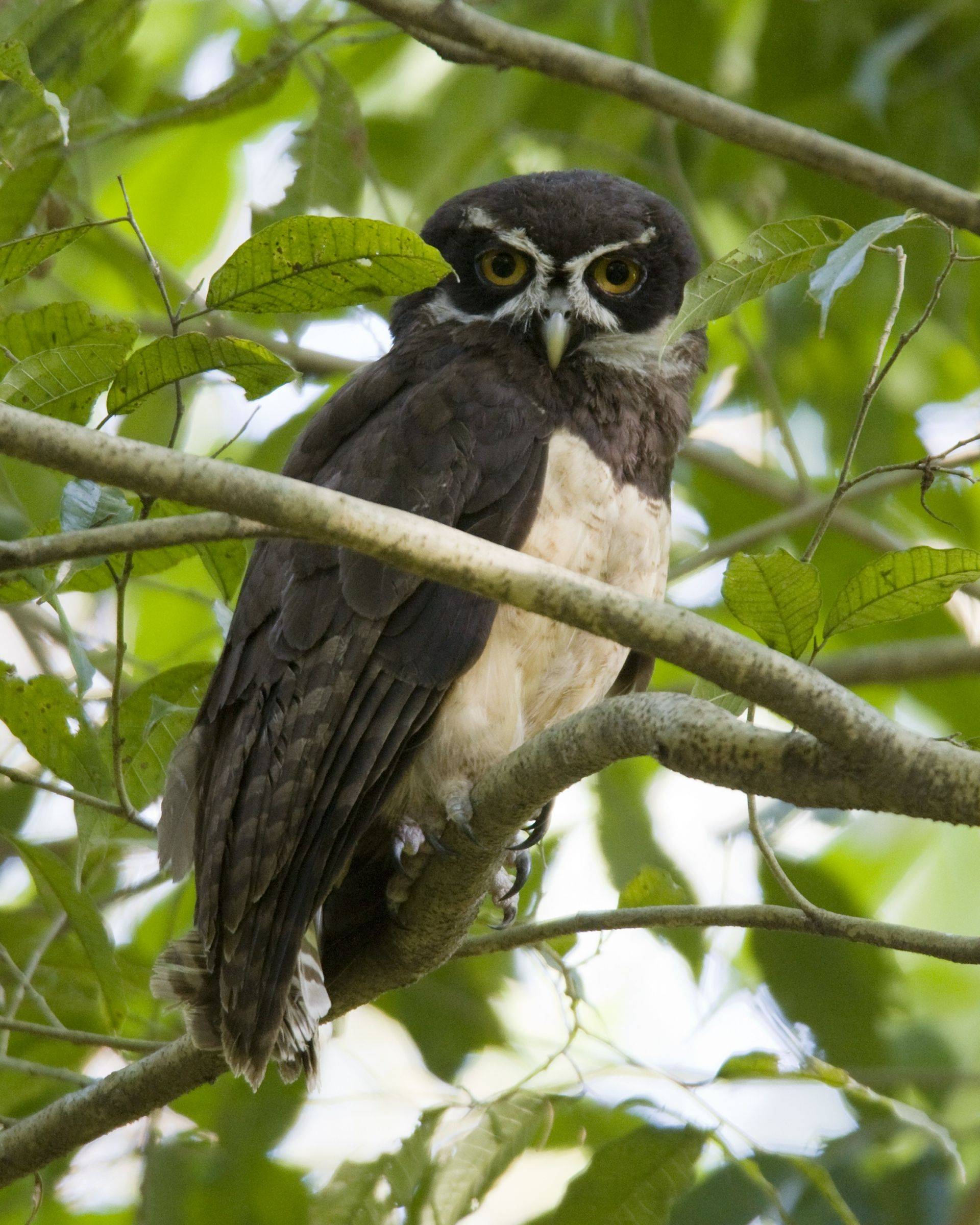
All the lodges we stayed at were lovely. Our guide was wonderful - so knowledgeable, so quick at spotting and getting things in the scope. He took us to such lovely spots for a drink and lunch to watch the feeders, and worked so hard to find us birds and wildlife, including an amazing array of owls. He was also extremely personable and fun, and made our holiday so enjoyable. It is difficult to pick one highlight as the holiday was full of highlights but perhaps getting great views of the resplendent quetzals as we drove into Trogon Lodge (and all the birds there in the gardens), seeing amazing owls and the great potoo, and the wonderful rainforest noise at Drake Bay and Esquinas.
H.L. Hertfordshire, Mar 23 -
Everywhere we stayed was fabulous! Food always excellent with plenty of choice - even for non red meat eaters. Quiet and beautiful locations with wonderful wildlife on the doorstep as well as easy access to so much more. Staff all friendly and helpful. All arrangements worked extremely efficiently - and although everything was organised and in place we still felt quite intrepid - in a completely good way! All the modes of transport were fun and again, everyone was very friendly and helpful. This was primarily a birding tour but it was so much more than that! We learned about the country, its economy, history as well as its natural history - in the broadest sense. Everything was fascinating - and beautiful. Running out of superlatives now! It all worked wonderfully for us and completely in the right order. Our guide was magnificent! So knowledgeable, enthusiastic and skilled - and such a worthwhile person and fun to be with. The holiday was faultless. Honest.
F.H. Hertfordshire, Mar 23
Why Naturetrek Tailormade?
'A Naturetrek Tailormade holiday allows you, with the benefit of our wildlife travel expertise and destination experience, to enjoy the perfect private wildlife holiday – one that truly matches your requirements, expectations and ambitions. We will ensure the most competitive prices, superb naturalist guides and seamless ground services.
Some of the benefits of Naturetrek Tailormade travel include:
• A bespoke itinerary which is crafted by experts and designed specifically for you
• Private guiding by the very best local naturalists
• Travel with people you know, at your own pace
• Incorporate as much culture, history or relaxation time as you wish
• Choose dates to suit you
• Select your preferred style of accommodation
• Travel with families and children of any age
Furthermore, our Tailormade team are always on hand to help and guide you along the way, with friendly advice, first-hand knowledge and inside information specific to your destination of choice. So if you have any queries about your holiday, we will be delighted to answer them. Please just give us a call!'

Similar Trips
Tailormade Holidays in Panama TAILORMADE | TOUR CODE : TPAN
- Jan
- Feb
- Mar
- Apr
- May
- Jun
- Jul
- Aug
- Sep
- Oct
- Nov
- Dec
Tailormade Holidays in Belize TAILORMADE | TOUR CODE : TBLZ
- Jan
- Feb
- Mar
- Apr
- May
- Jun
- Jul
- Aug
- Sep
- Oct
- Nov
- Dec