 Loading search...


Tour Itinerary and Reports
Can I help you?

Essex - River Lee Country Park (Day Trip)
Tour Code: GBR375Join our Naturetrek tour leader to explore the heart of the Lee Valley Country Park, a superb complex of old gravel workings transformed into an urban nature paradise boasting a plethora of habitats.
£60
Highlights
Tour Itinerary and Reports
Can I help you?
Summary
We will aim to explore the southern half of the reserve in the morning, coming back to the Wildlife Discovery Centre for a picnic lunch and use of the nearby facilities. In the afternoon we will do a loop of the northern half, thus ensuring we cover all the park habitats, giving us the largest selection of species. The walk will conclude back at the car park at around 5pm, with a total length of around 4 miles on level, easy-going paths and tracks with occasional muddy patches.
The park follows the River Lee from Waltham Abbey in Essex to Broxbourne in Hertfordshire and is just 45 minutes from London, accessible by car and train (Cheshunt Station).
Please see below for details on specific species seen in each season.
In Spring
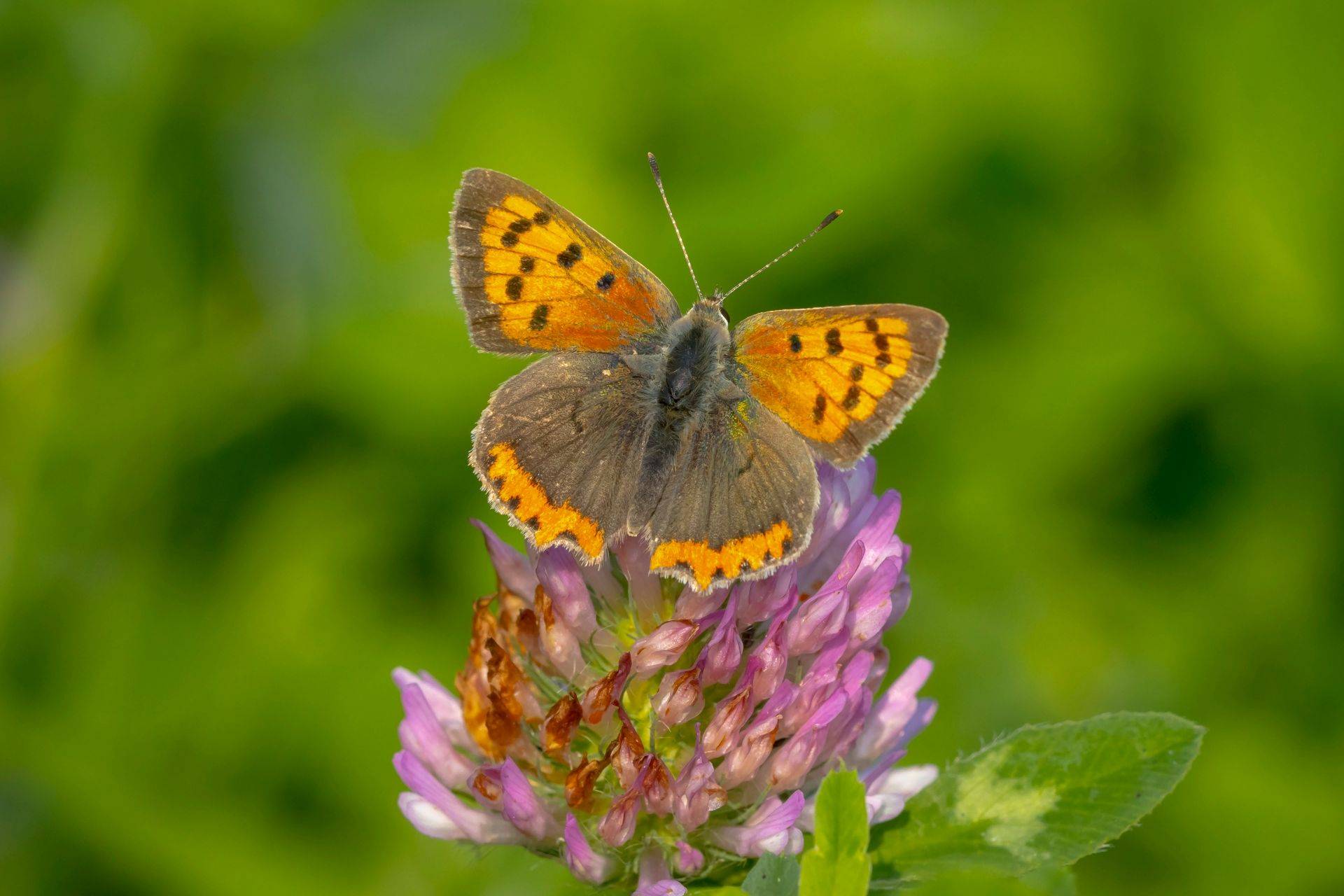
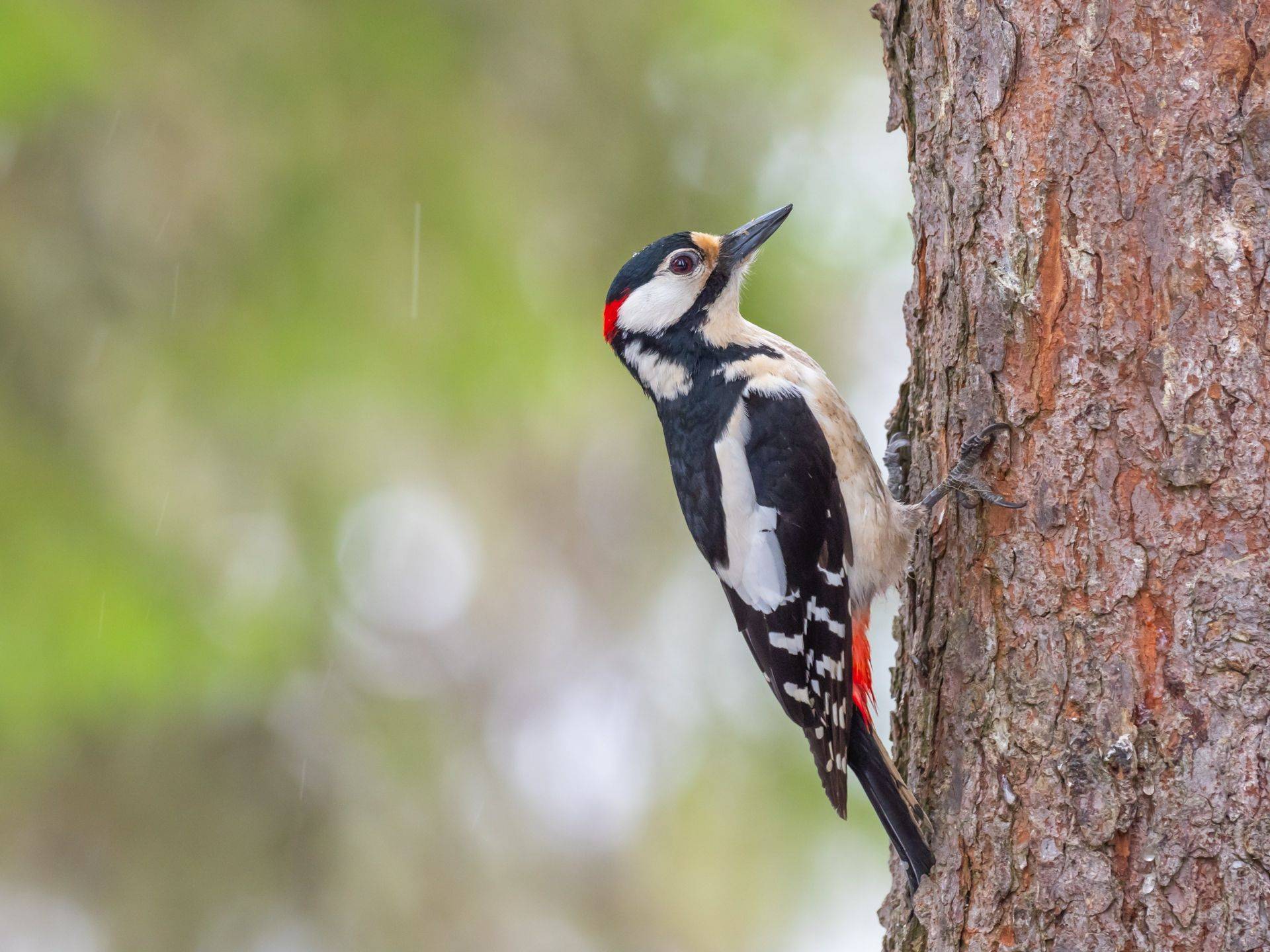
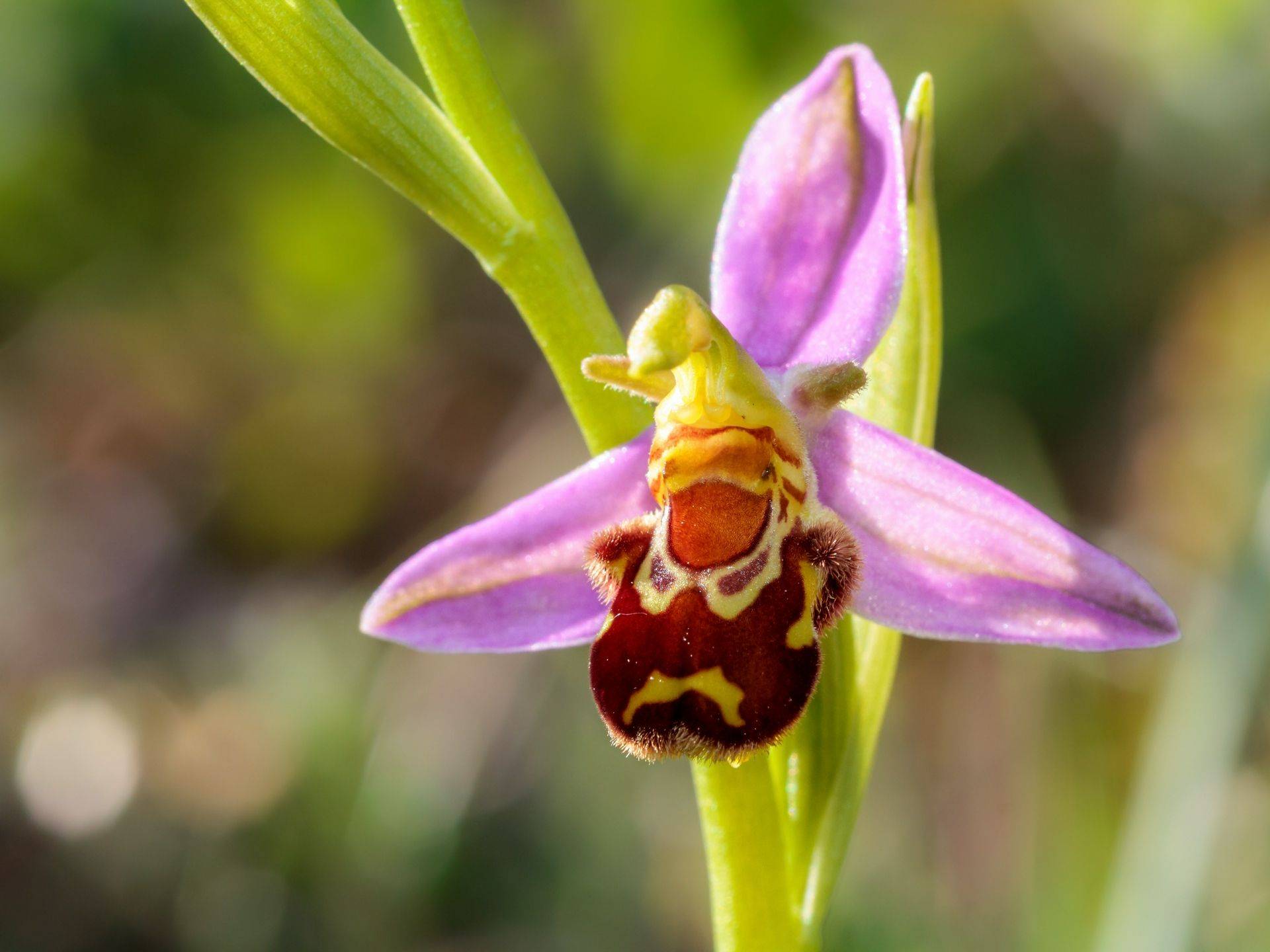
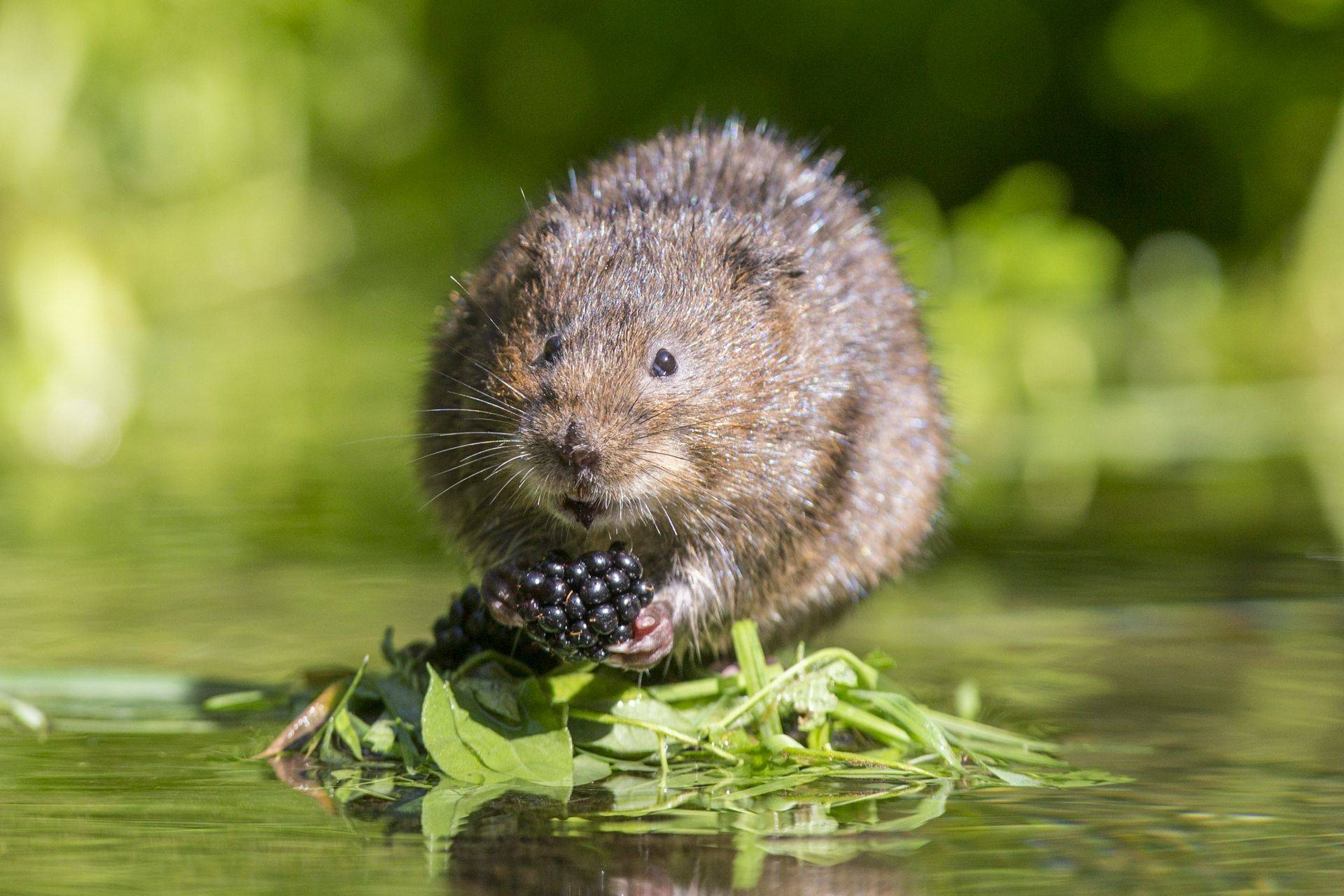
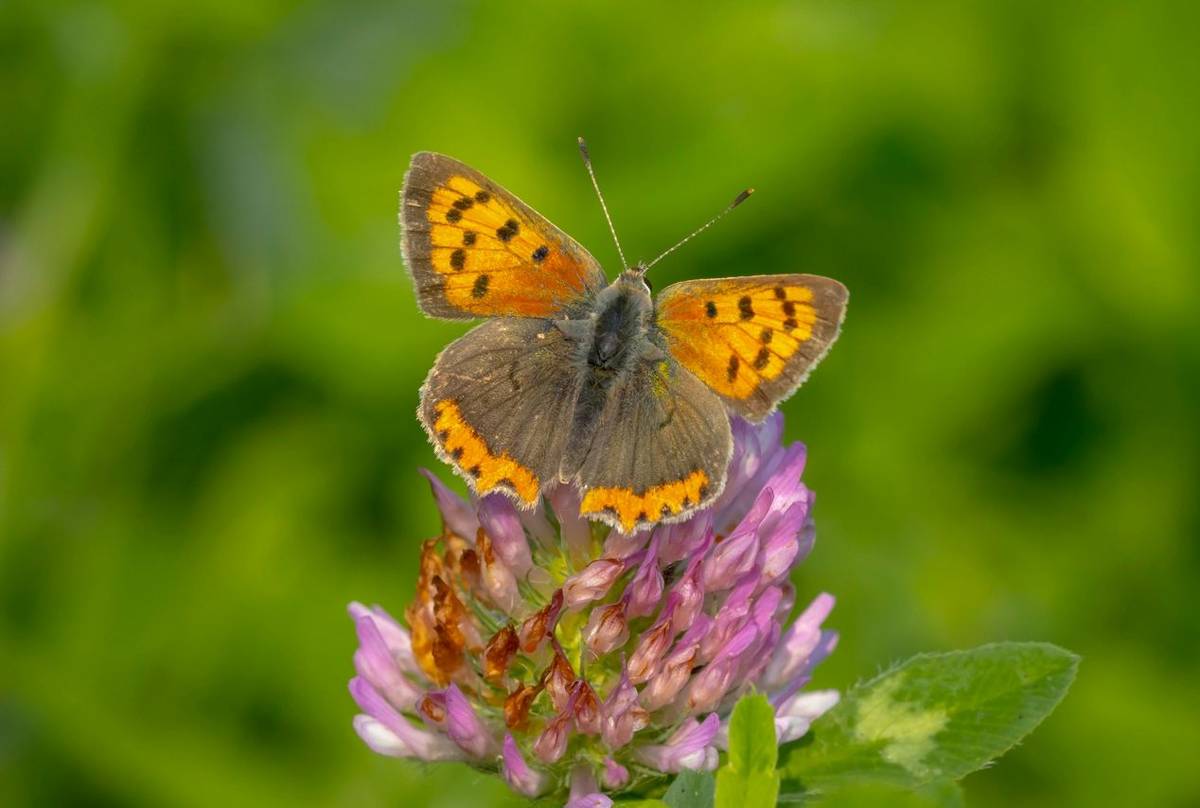
Spring is a good time to see wading birds such as Redshank and Little Ringed Plover, who come here to breed. Common Terns can often be seen feeding on the lake at Fisher’s Green, and Oystercatchers can be seen (and heard!) in this area. Great Crested Grebes and divers are out on the water carrying out their wonderful breeding displays, while Barn Swallows, Sand and House Martins swoop around the lakes after their arduous migration journey. Look for signs of Water Vole, such as piles of neatly cut grass stems and latrines on ditches. Woodpeckers drum in the hopes of finding a mate. Wildflower meadows burst into life towards the end of spring, and Bee Orchids and Ragged Robin can be found here amongst other wildflowers. Butterflies such as Painted Lady and Small Copper are possible here. The blooming of the Cuckooflower and the first call of the Cuckoo coincide at this time of year, as the name suggests.
In Summer
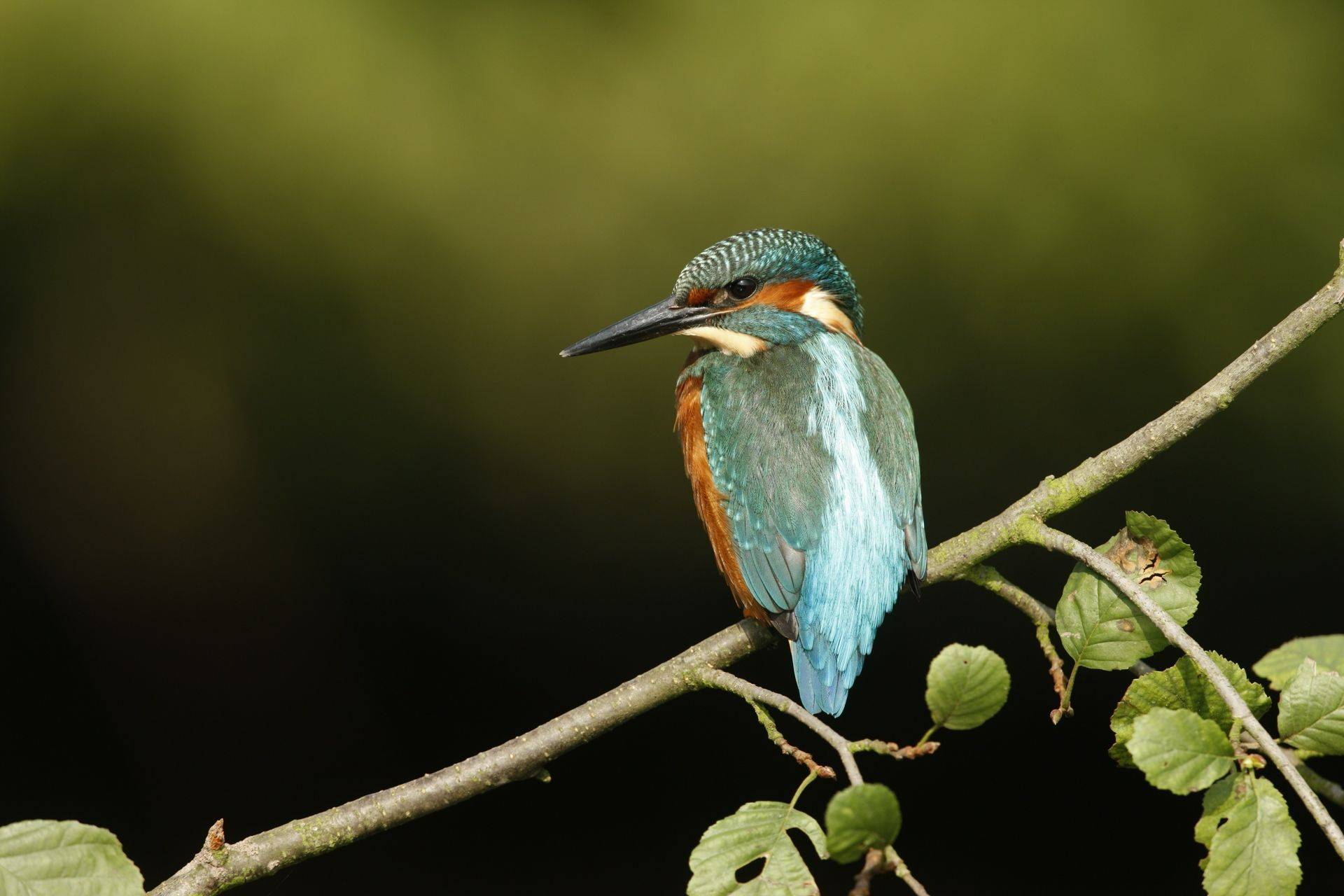
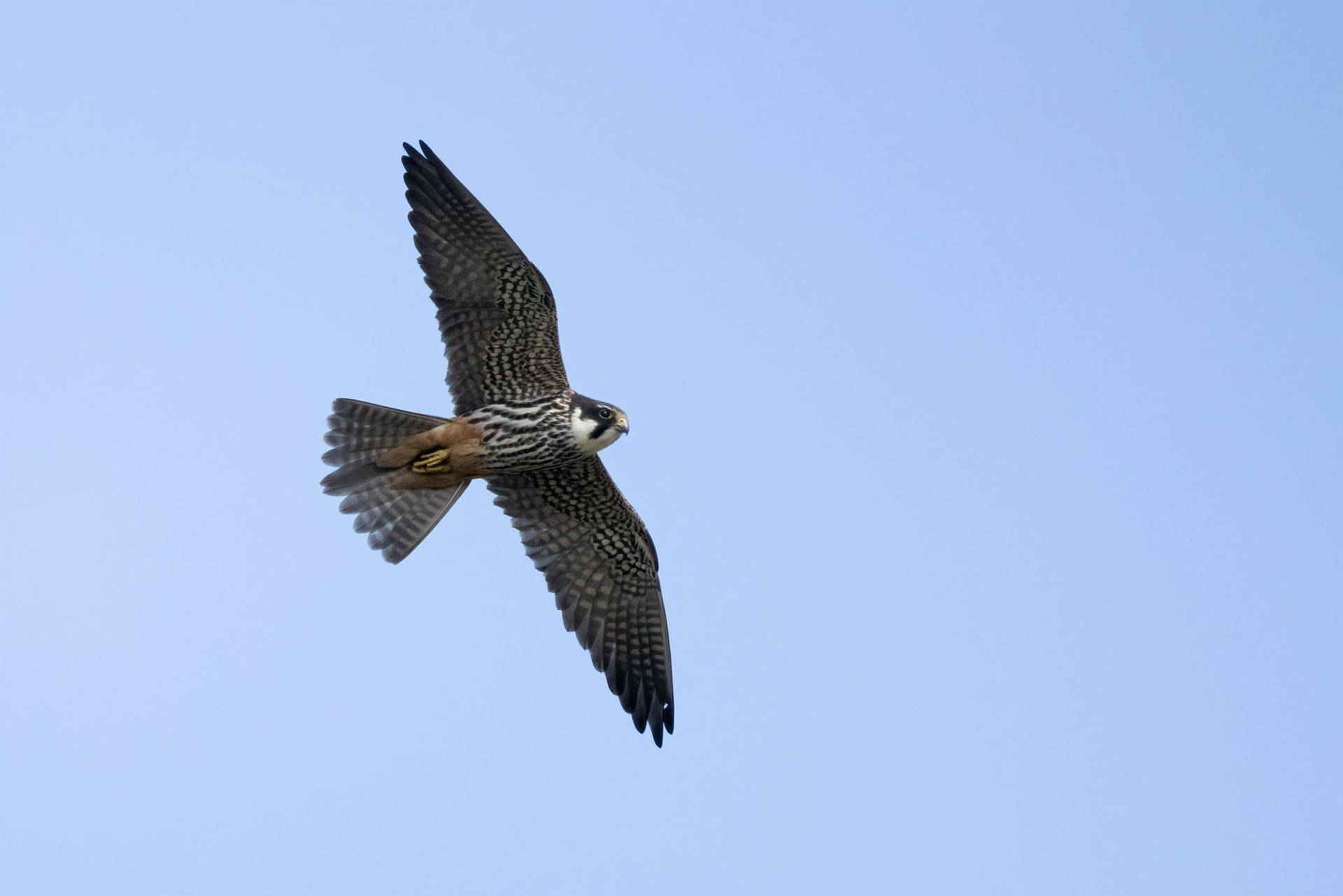
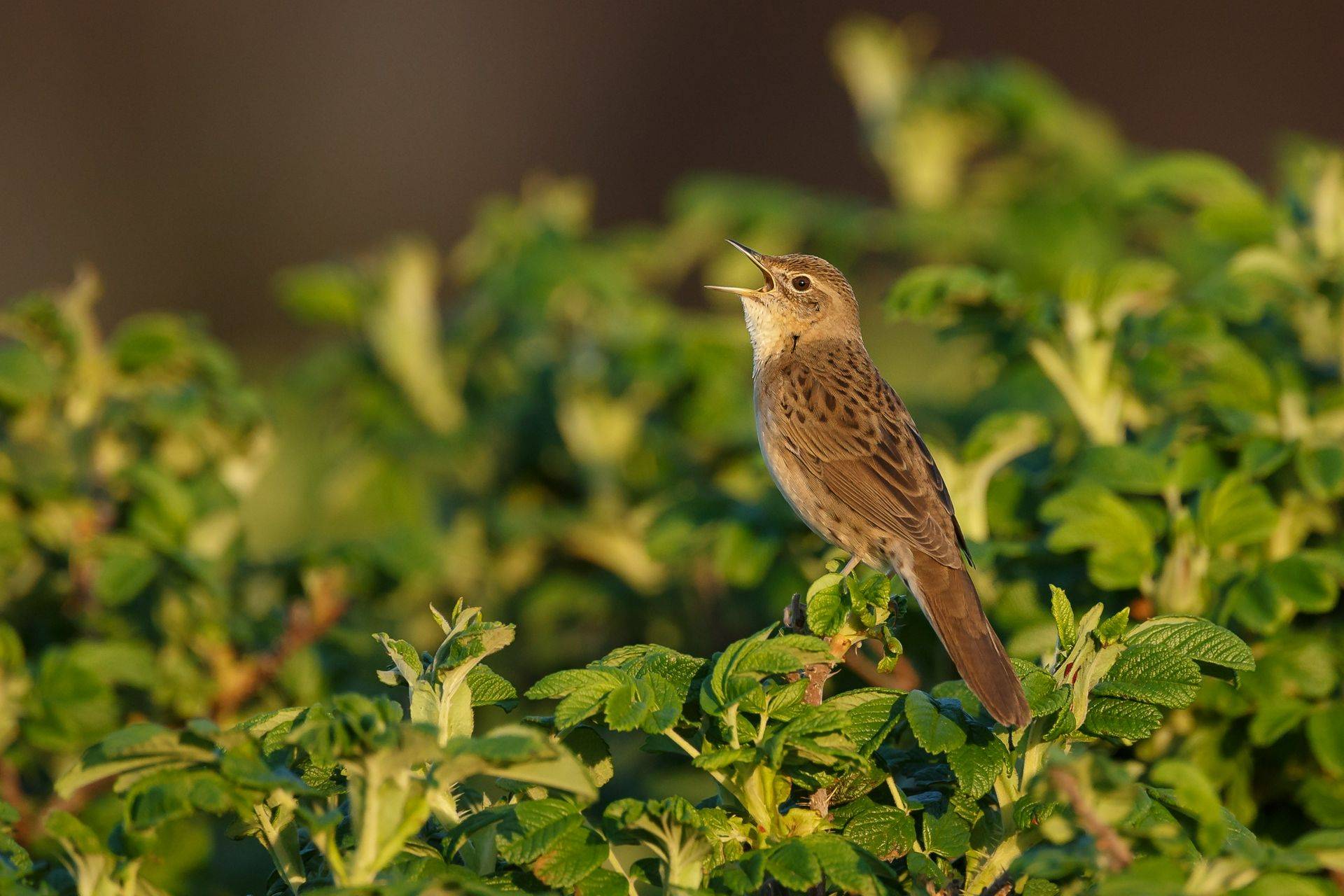
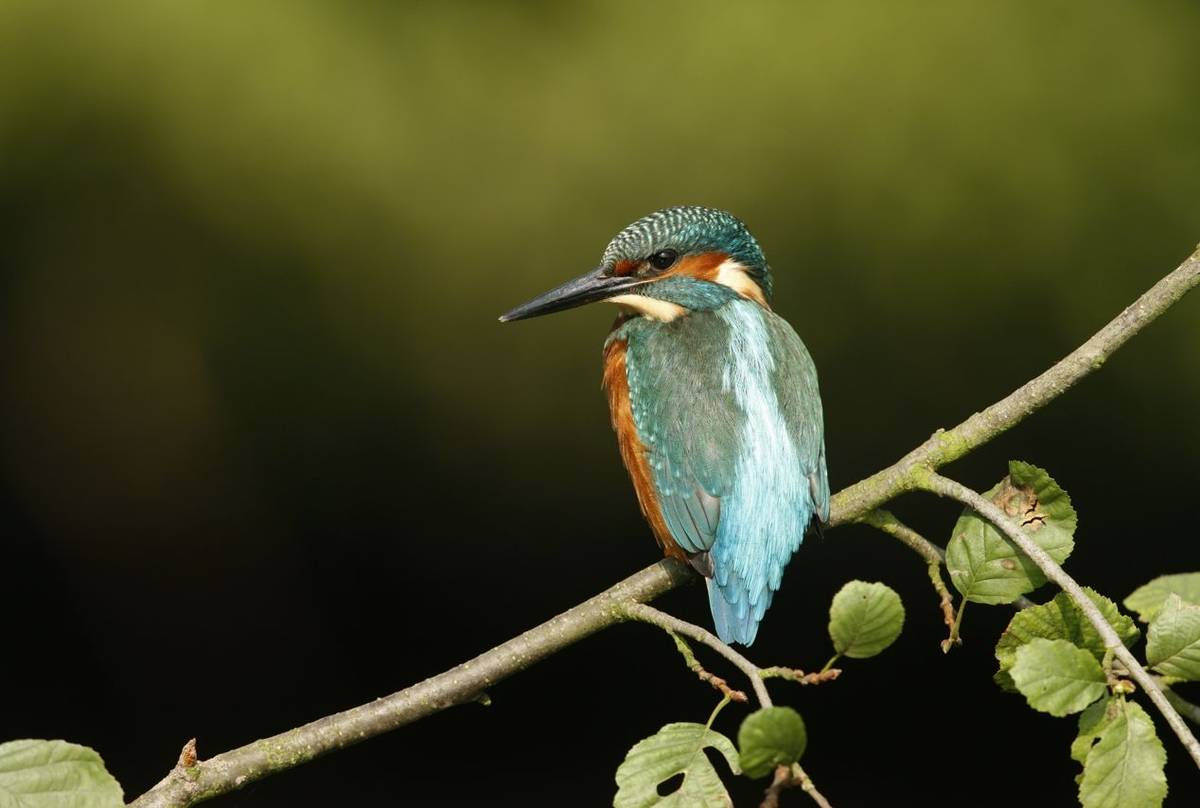
The first summer migrants will have already arrived in April, and by May the area will be alive with breeding and singing birds, including Reed and Sedge Warblers. Common Tern and Black-headed Gull colonies rest on rafts on the lake in front of the Tern Hide. Fantastic views of Kingfishers can be had at the Kingfisher Hide as they carry food to their young. 30+ pairs of Grey Herons breed in the valley most years, and the Little Egrets are close behind with 20-30 pairs. Flocks of Lapwing can be seen over the shallow pools and in the grasslands, the reeling call of the Grasshopper Warbler can be heard, while Reed Bunting and Cetti’s Warbler can be found, along with Common and Lesser Whitethroats, Nightingales and the occasional Spotted Flycatcher. Hobbies are also regularly seen hunting dragonflies over the wetlands, with Barn Owl and Kestrel over the long grass.
In Autumn
The valley is a great place to witness large numbers of birds during their migration, including more unusual birds taking a much-needed pit-stop. More notable species include Wood Sandpiper, Ruff and Black-tailed Godwit. The muddy margins host waders aplenty as the water levels drop. Migrating summer guests such as Whinchat and Wheatear can often be seen over fields and meadows.
In Winter
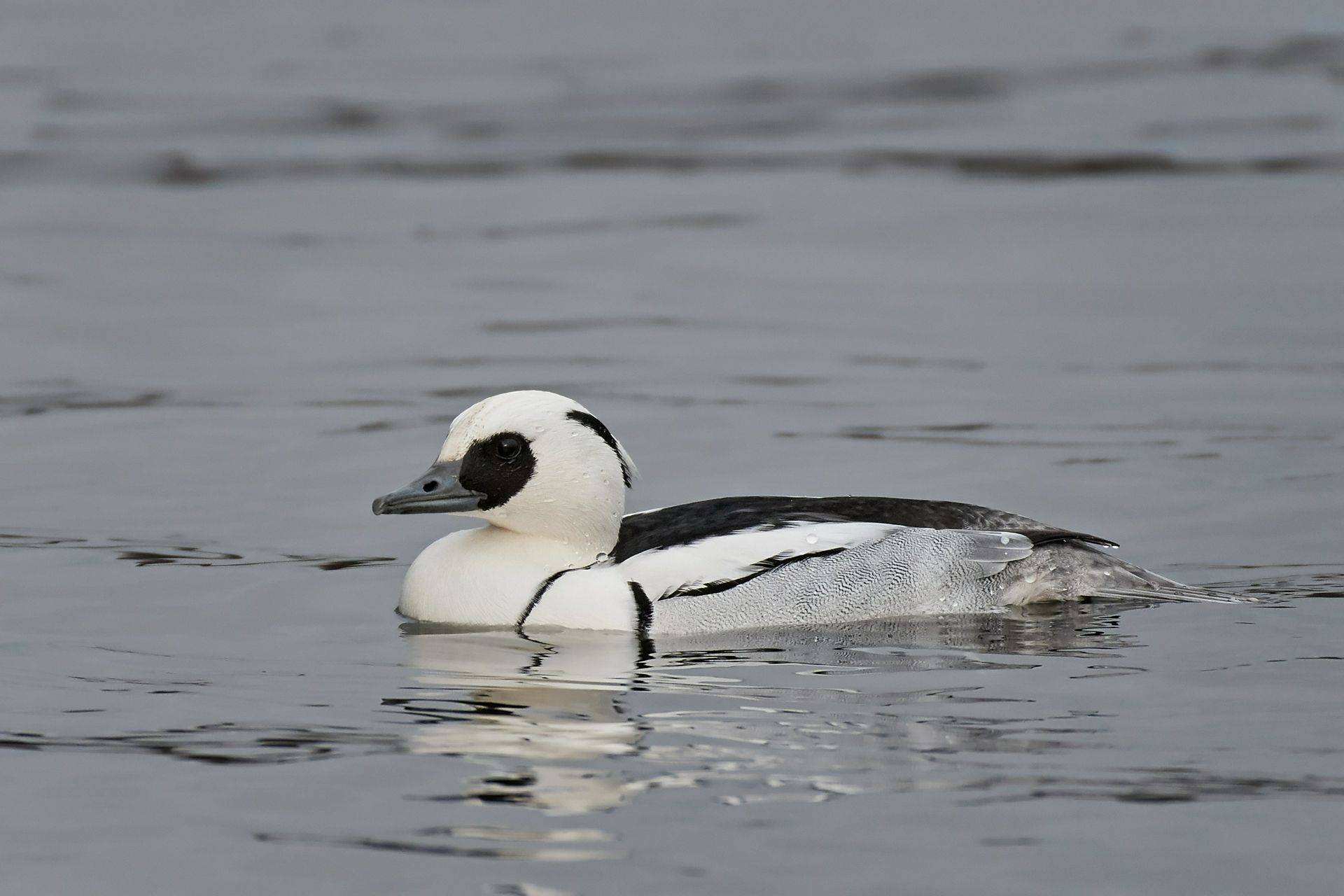
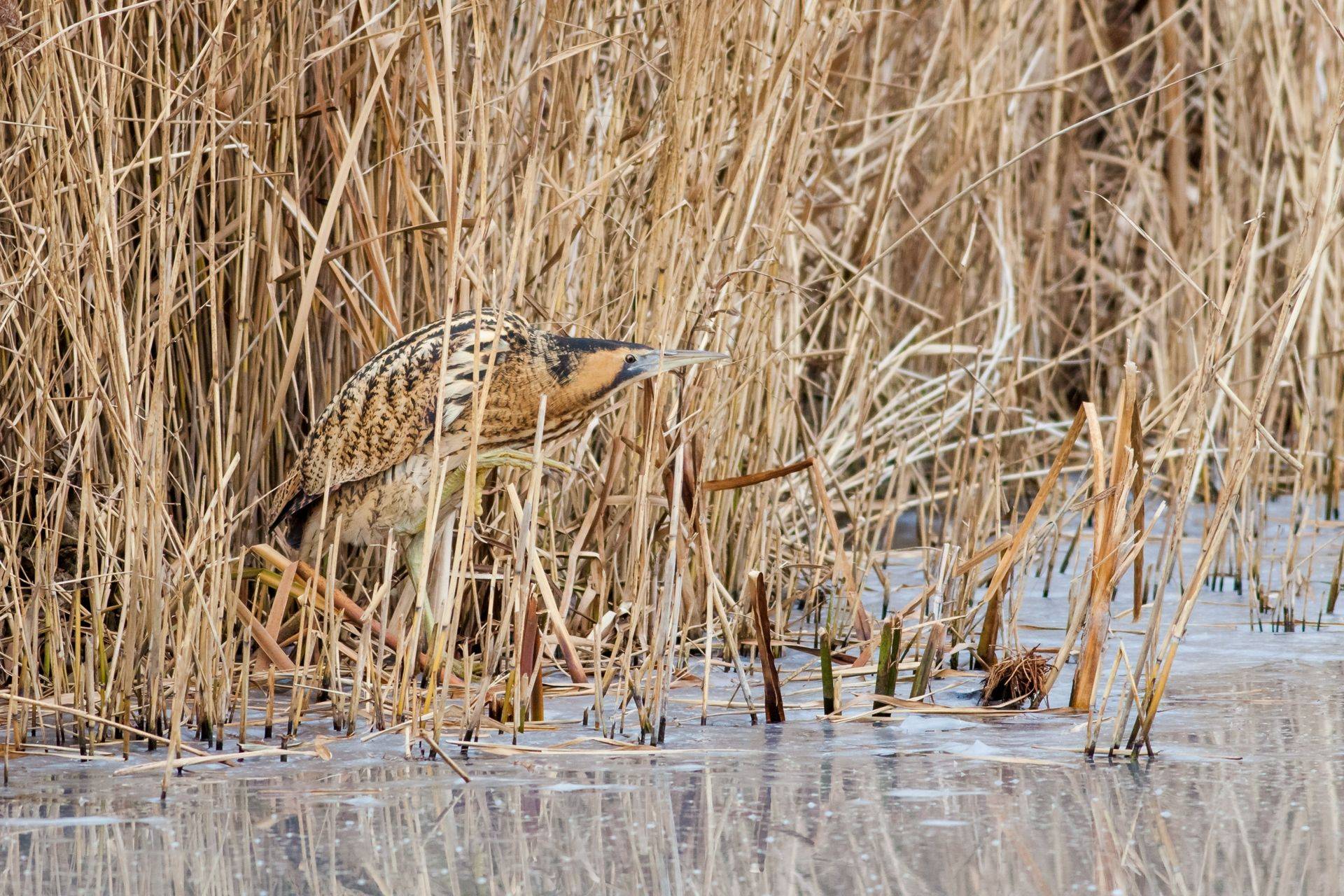
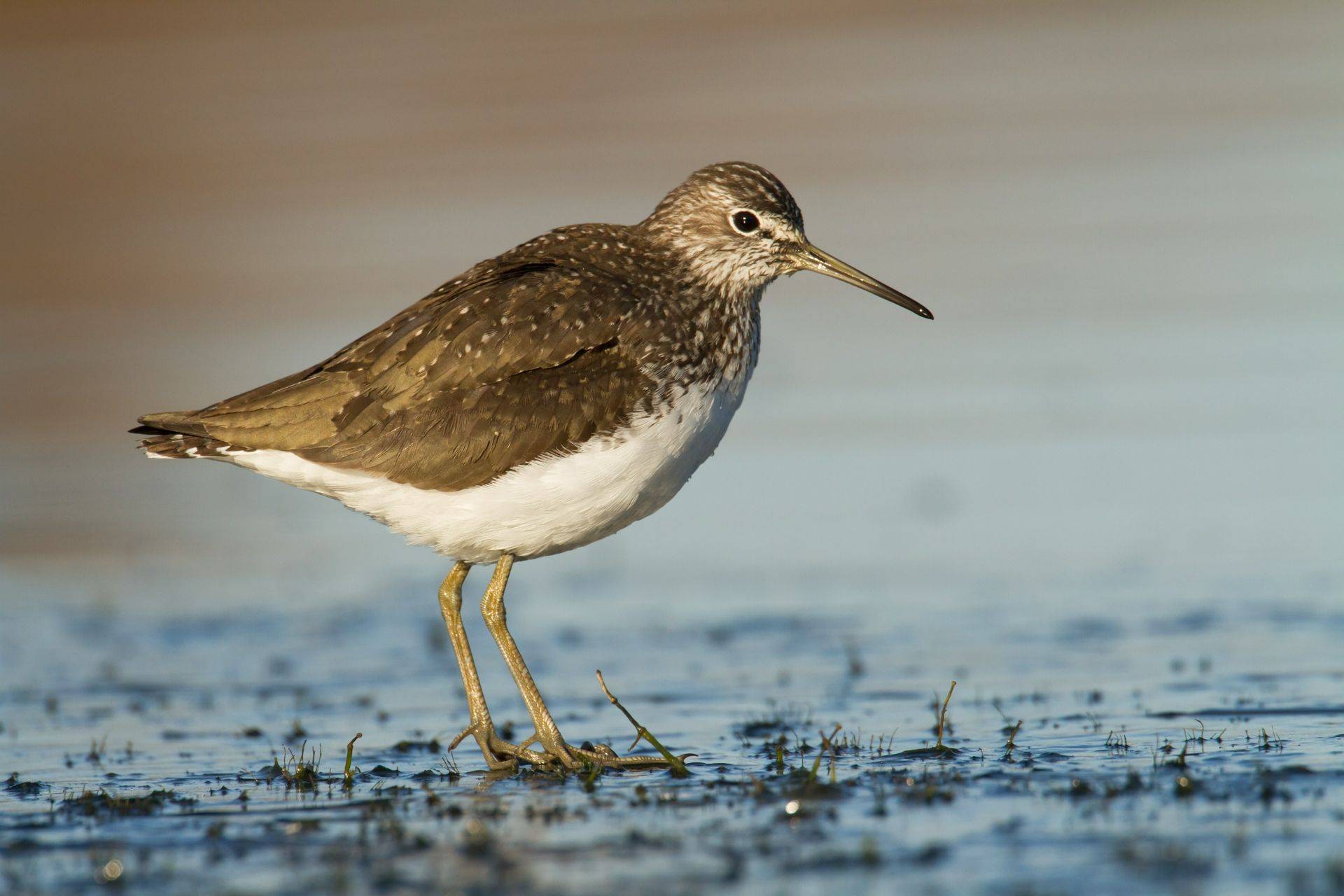
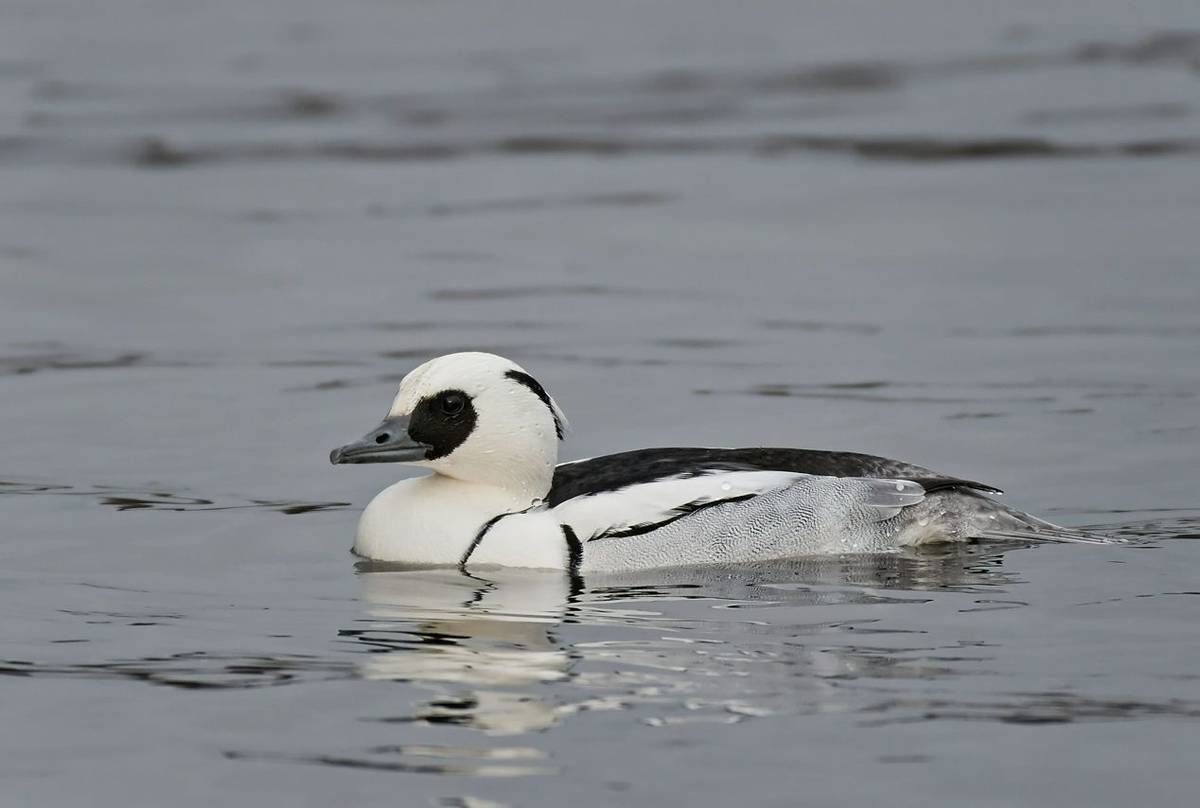
The Lee Valley is an internationally important site for wintering wildfowl. The lakes and lagoons support large numbers of species each year, with Gadwall, Shoveler, Pochard, Teal and Smew all possible here. The elusive Bittern and Water Rail can be found nestled in the reedbeds, while Snipe and Jack Snipe feed amongst the rushes. Common and Green Sandpipers can sometimes be seen along the edges of the lake too. Quinoa and millet are grown in the nearby farmland, providing an excellent food source for birds such as Yellowhammer and Linnet throughout the winter. These areas are also a good place to spot winter thrushes like Redwing and Fieldfare.
- Bittern and Water Rail taking cover in the reedbeds (winter)
- The valley is an internationally important site for wintering wildfowl
- Spring breeding waders such as Redshank and Little Ringed Plover
- Common Terns come to feed on Fisher’s Green lake (spring)
- Fantastic viewing opportunity for Kingfishers in the summer
- Sedge, Cetti’s and Grasshopper Warblers, Reed Bunting and Spotted Flycatcher
- Large numbers of birds pass by on their migration, some rarities to be found!
Day Trip Location
Dates & Prices
2026

Tour Leader: Neil Murphy
Prefer to Travel in a Private Group?
For any interested natural history club or society, we can arrange for a private departure of this tour.
Enquire
Why Naturetrek?
At Naturetrek we craft expertly-guided group and tailor-made wildlife holidays and cruises to all seven continents. On one of our holidays, you can be assured that our passionate team will enable you to experience and enjoy the best of the world's wildlife and natural spectacles in as comfortable and rewarding a manner as possible, caring as best we can for the environment in the process. We are proud to provide:
- The widest choice of wildlife holidays worldwide
- Tours managed and led by naturalists, for naturalists
- Outstanding value and exceptional customer service
Furthermore, as a Naturetrek client, our office team are always to on hand to help you – so if you have any queries about your holiday, whether before or after you have booked, we will be delighted to answer them on the phone. Please just give our team a call!