 Loading search...
Birding the Eastern Seaboard

Operations Manager and Tour Leader
December 2025
Finding a North American species of bird here in the UK is something most birders can only dream of! Whilst a few of the waders, ducks and gulls turn up with some regularity, it usually takes an October visit to the Scilly Isles or Shetland to stand any chance of an encounter with something rarer. Even so, only a fraction of the bird species that annually travel north/south through the Americas ever make it to the British Isles and to fully appreciate the avian richness of the region a flight across the Atlantic is required... !
Millions of birds migrate through the US each spring and autumn, particularly along its coastlines, and the wonderful variety of habitats and landscapes across North America ensures outstanding birding opportunities throughout the year. The east coast stands out as a prime destination, offering exciting spring migration, numerous overwintering birds and a dramatic autumn raptor movement. While migration peaks can never be predicted with certainty, we plan our travels to coincide with the most productive periods, maximising the chances of witnessing these remarkable natural events.
In the southernmost states, the waves of spring migrants move through between late March and early May. Texas, positioned along the Gulf of Mexico, is one of the first landfalls for northbound birds. Many arrive exhausted after their trans-Gulf crossing, gathering along the coastline here to feed and rest before continuing inland or following the eastern seaboard north. These coastal areas are rich feeding grounds for both migratory and overwintering species, including the iconic Whooping Crane, and we may even encounter a few late-moving individuals lingering in the area. A boat trip through Aransas National Wildlife Refuge is a true highlight, offering the chance to see Roseate Spoonbill, Mottled Duck, pelicans, terns and a variety of waders. Inland, the subtropical Rio Grande Valley echoes the landscapes of north-eastern Mexico, while the hill country’s juniper and broadleaf woodlands hold Texas’s only breeding endemic, the Golden-cheeked Warbler, alongside breeding Black-capped Vireo. Texas is also a hotspot for butterflies, with more species recorded here than anywhere else in the United States.
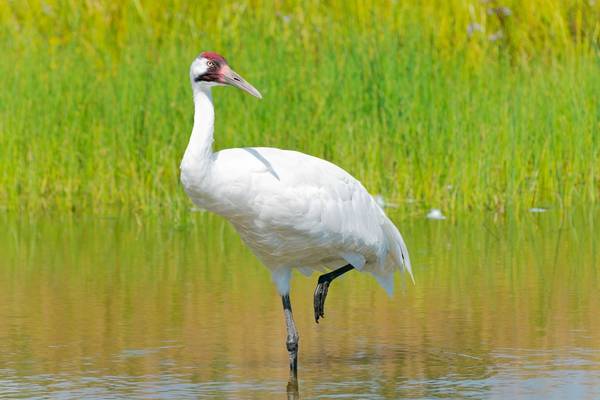
Whooping Crane
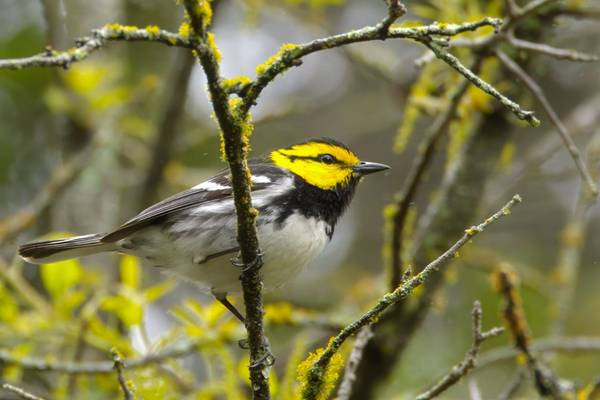
Golden-cheeked Warbler
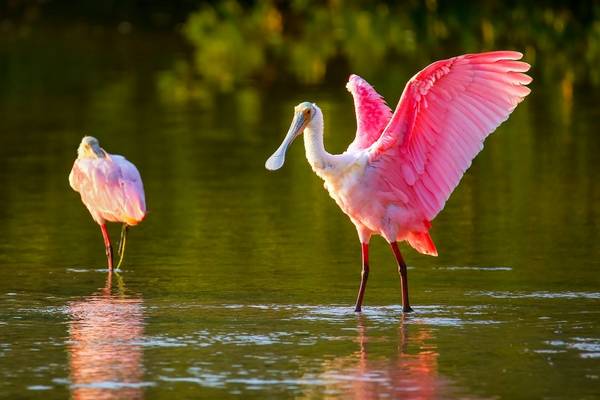
Roseate Spoonbills
New York may be best known for its towering skyscrapers and fast-paced city life, but hidden within the urban sprawl are green oases that come alive during spring migration. Carefully scanning the tree canopies in Central Park can reveal dazzling North American warblers, such as Prothonotary, Blackburnian and Chestnut-sided, all glowing in their breeding plumage. At the height of migration, Prospect Park in Brooklyn can produce over 100 species in a single day, including Baltimore Oriole, Rose-breasted Grosbeak and five species of vireo. Nearby, Jamaica Bay Wildlife Refuge offers superb birding for waterbirds and waders, along with passerines and butterflies on warm, sunny days.
Further south along the east coast lies Cape May, strategically positioned on the northern edge of Delaware Bay and famed as a vital stopover for migrants in both spring and autumn. Spring brings an explosion of colour, with Magnolia, Cape May and Black-throated Blue Warblers displaying their finest breeding dress. In autumn, these same species return in more subdued tones. Spring wader migration, featuring Semi-palmated Sandpiper, Knot and Short-billed Dowitcher, often coincides with the spawning of the Horseshoe Crabs, creating a dramatic feeding spectacle along the beaches. Autumn is dominated by raptor migration, and on peak days hundreds of birds can be seen streaming south across Delaware Bay, including Sharp-shinned, Cooper’s and Broad-winged Hawks, along with Northern Harrier. Passerines such as Scarlet Tanager, Rose-breasted Grosbeak, vireos, orioles and numerous warblers may also be encountered, while wader flocks can include Least, White-rumped and Spotted Sandpipers, Greater and Lesser Yellowlegs and Willet.

Baltimore Oriole

Central Park
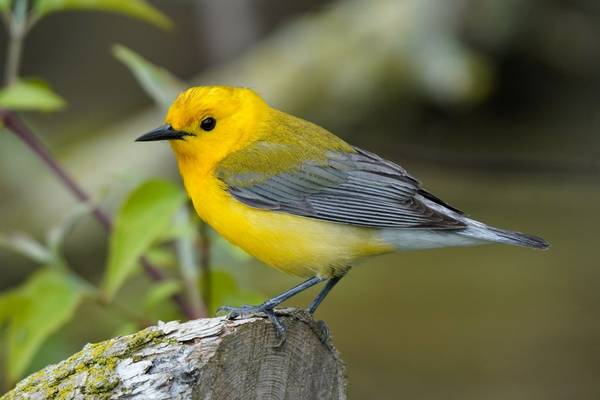
Prothonotary Warbler
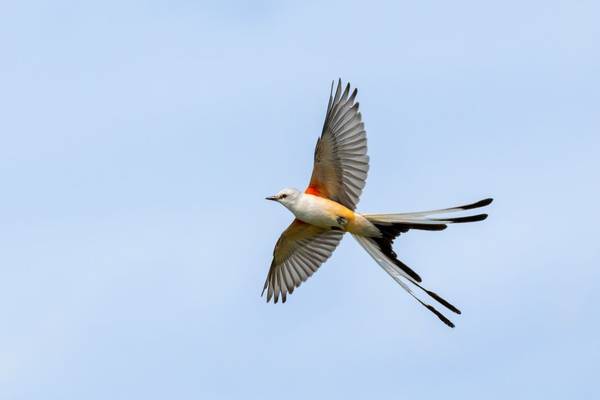
Florida offers a warm refuge for many overwintering species, its tropical climate allowing birds such as warblers and the elegant Scissor-tailed Flycatcher to survive the cooler months without migrating as far as Central or South America. It also offers the chance to see Caribbean species including Short-tailed Hawk and White-crowned Pigeon. At Merritt Island, a drive-through nature trail passes habitats where Bald Eagle, Northern Harrier and the endemic Florida Scrub Jay can be found, all set against the surreal backdrop of spacecraft launch pads. There is also the possibility of spotting Manatee from the viewing platform. The Boynton Beach area encompasses lakes, prairies, pine woods and wetlands, supporting regional specialities such as Snail Kite and Limpkin, with the potential for Red-cockaded Woodpecker, alongside warblers and other waterbirds. The Everglades, rightly famous for its vast swamp habitats, offers opportunities to look for Alligator and the rarer American Crocodile, as well as a rich array of waterbirds including herons, egrets and gallinules.
Please refer to the webpages for detailed itineraries and tour reports, or call the office on 01962 733051 to chat with one of our friendly experts to discuss which tour might suit you best! As with all our American tours, there is the option to extend your stay and explore these outstanding regions in greater depth. Please contact the Naturetrek office if you would like further information.
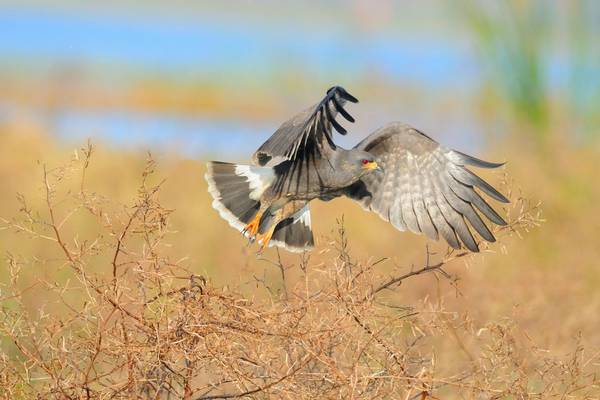
Snail Kite
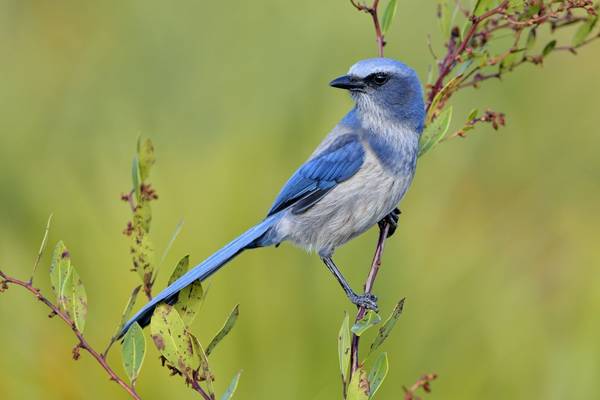
Florida Scrub Jay