



 Loading search...
Wild Baltic: Forests, Flyways and Hidden Fauna
 By This email address is being protected from spambots. You need JavaScript enabled to view it.
Operations Manager
May 2026
This email address is being protected from spambots. You need JavaScript enabled to view it.
Often overlooked in favour of Europe’s better‑known wildlife destinations, the Baltic States – Estonia, Latvia and Lithuania – reward the curious naturalist with a rich blend of forests, wetlands and coastline and a remarkably intact natural heritage. Situated along the eastern edge of the Baltic Sea, north of Poland and south of Finland, these three countries share several defining features: all are relatively low‑lying, each has at least half of its land area covered in forest, and all lie on the Baltic Flyway, a major migration route for birds breeding in Arctic and northern regions. These shared characteristics support a wide diversity of wildlife, from large mammals such as Eurasian Elk, Brown Bear and Wolf, to an impressive range of resident and migratory birds. Yet each country also possesses its own distinct landscapes and ecological character, making them well worth exploring individually...
Estonia: Quiet Forests and a Wild Shoreline
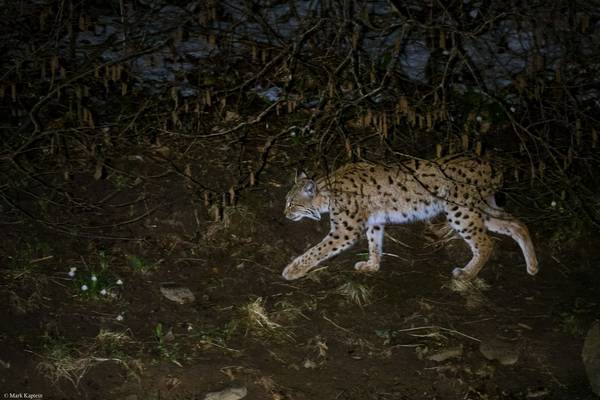
Eurasian Lynx (Mark Kaptein)
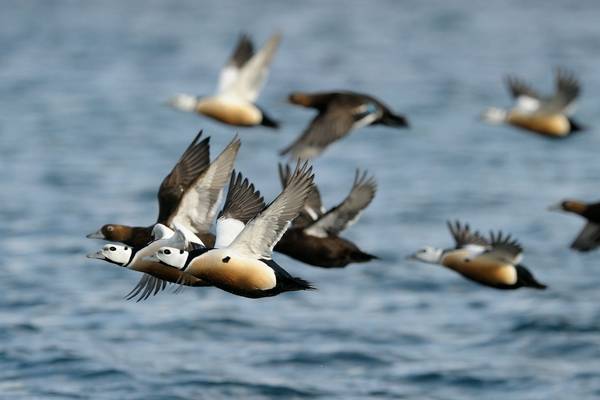
Steller's Eiders
The northernmost of the three, Estonia lies just a short ferry crossing from Helsinki. Although similar in size to the Netherlands, its much smaller population leaves extensive areas largely uninhabited. The landscape is dominated by coniferous forest, interwoven with marshes and bogs that provide excellent conditions for wildlife.
Estonia supports healthy populations of Eurasian Lynx, Brown Bear, Eurasian Elk and Wolf, and is also home to one of the few remaining European populations of Siberian Flying Squirrel. While we offer dedicated mammal‑watching tours here, encounters with Elk, Lynx and other mammals are not uncommon even on our birding itineraries.
The country’s deeply indented coastline is fringed with around 800 mostly small islands, and waters off the west coast support the most southerly population of Ringed Seal. In winter, flocks of sea ducks, including Steller’s Eider, gather along the coast, with late winter and early spring offering the best opportunities before they migrate north.
Seasonal change brings further interest: spring heralds lekking grouse, drumming woodpeckers and calling owls establishing territories, while autumn sees impressive gatherings of Common Crane, geese and wildfowl filling bays and wetlands with their calls as they pause on long migration journeys.
Latvia: Where Northern and Central Europe Meet
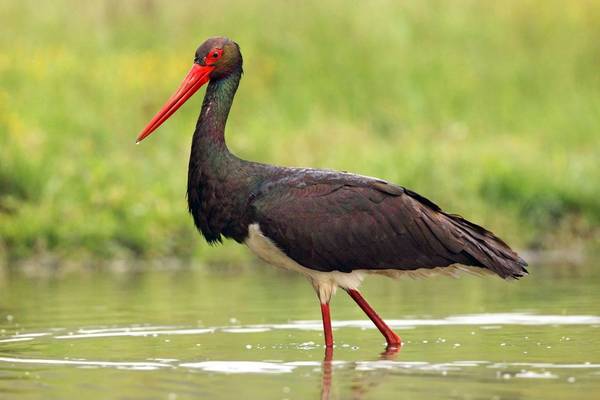
Black Stork
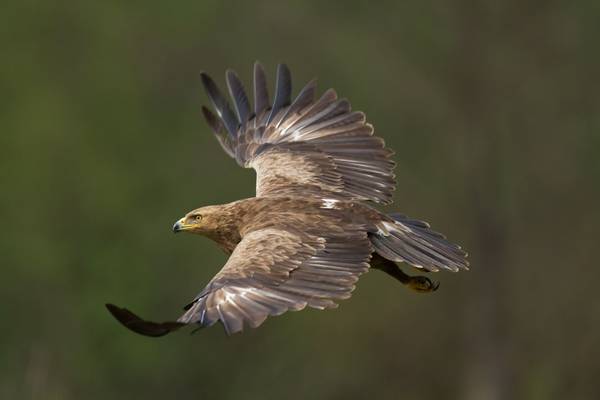
Lesser Spotted Eagle
Situated between Estonia and Lithuania, Latvia lies at the junction of northern and central European wildlife zones. Its landscape is a rich mosaic of floodplains, old‑growth forest and extensive peat bogs, supporting species such as Red Deer, Wolf, Black Stork and Lesser Spotted Eagle. Latvia is of particular global importance for Lesser Spotted Eagle, holding around 20% of the world’s breeding population. This distinctive eagle often hunts on foot, preying on small mammals, birds, reptiles and amphibians. The country also supports up to 140 breeding pairs of Black Stork, benefitting from large areas of mature forest and undisturbed freshwater habitats.
In eastern Latvia, reed‑fringed lakes provide breeding grounds for Red‑necked and Black‑necked Grebes, all three marsh terns, Little Crake, Bluethroat and Citrine Wagtail. Along the coast, migration brings a steady passage of raptors, including Common, Rough‑legged and Honey Buzzard, Eurasian Sparrowhawk, harriers, Merlin, Hobby and Red‑footed Falcon.
At Cape Kolka, where the Gulf of Riga meets the Baltic Sea, migrating birds often pass at lower altitudes, offering unusually close views. As a result, both spring and autumn are particularly rewarding times to visit, when resident species are joined by large numbers of migrants.
Lithuania: Migration on a Grand Scale
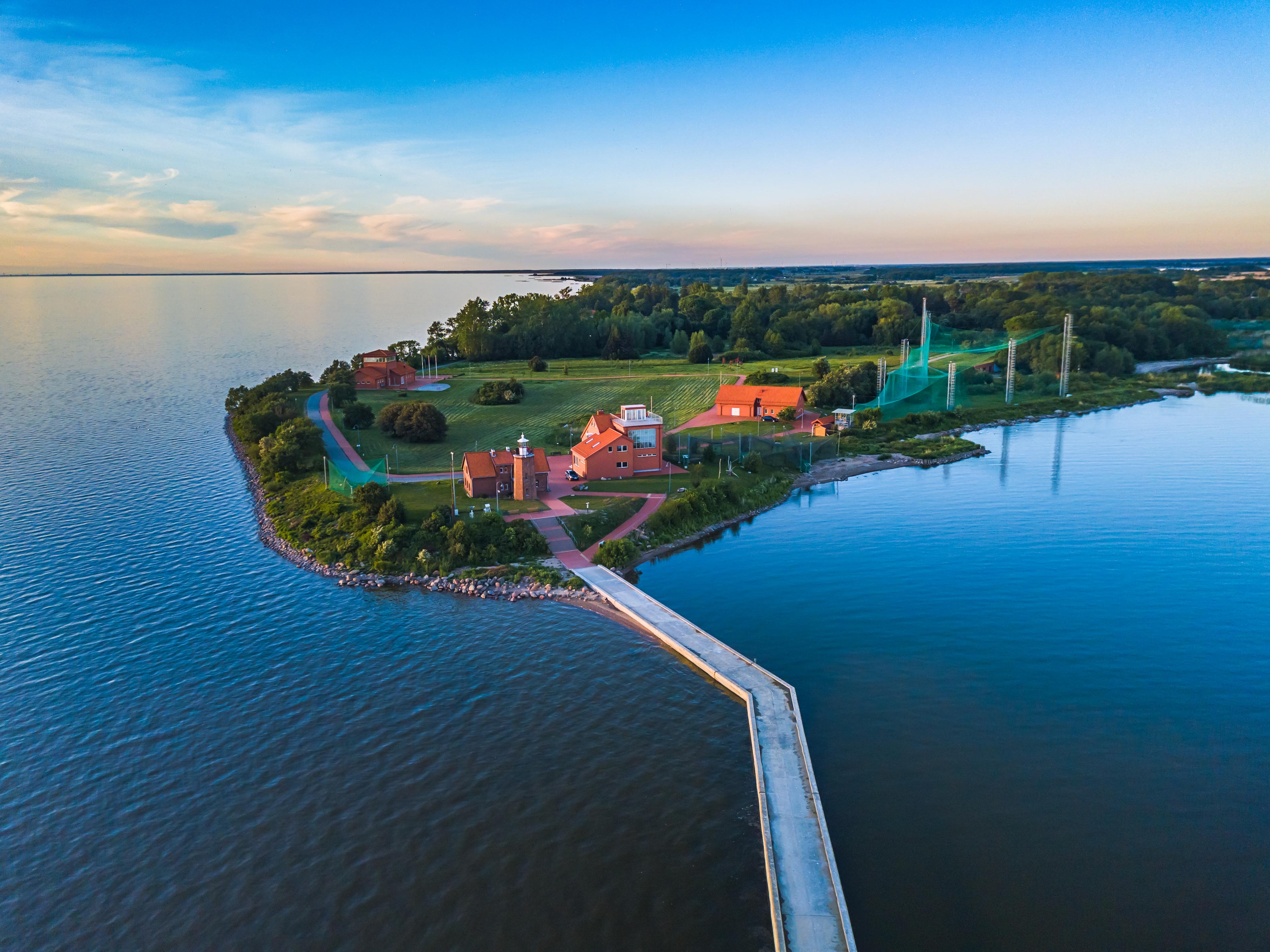
Vente Cape
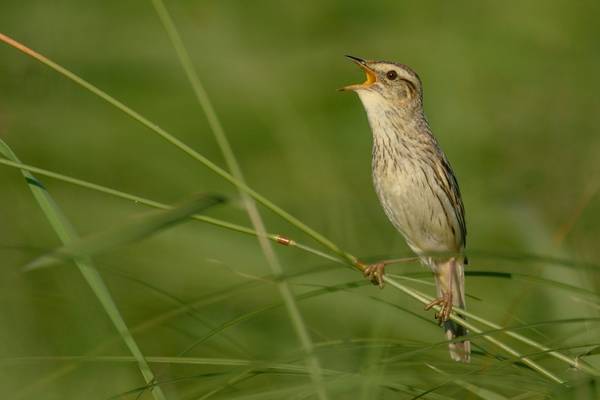
Aquatic Warbler
The most southerly of the Baltic States, Lithuania enjoys the warmest climate of the three and supports a notably diverse range of habitats within its five national parks. The country is well known for nesting storks and a selection of scarce breeding wetland birds, including Aquatic Warbler.
Lithuania’s coastline forms one of the most important bottlenecks along the Baltic Flyway. During peak autumn migration, vast numbers of birds pass through – a spectacle sometimes described as a 'river of birds' – with an estimated three million individuals using this route each year. These movements may include Wood Pigeon, raptors, owls, wildfowl and a wide variety of passerines.
The Curonian Spit, a long sand peninsula along the west coast, is a key migration corridor and home to an important bird‑ringing station. Another major ringing site lies at Vente Cape, on the edge of the Nemunas Delta. Together, these stations ring many thousands of birds annually – around 10,000 on the Curonian Spit and an estimated 60,000–100,000 at Vente Cape.
Spring also offers rewarding wildlife watching, with opportunities for Black Grouse and Capercaillie, and the possibility of Hazel Grouse and several woodpecker species, particularly in the east where areas of southern taiga forest remain. Lithuania’s more than 6,000 lakes provide important breeding habitats for Black‑throated Diver, Slavonian Grebe and Goldeneye.