 Loading search...
News in Brief: France, Thailand, Scotland & Gran Canaria
February 2026
'Our five days in southern France were in search of the elusive Wallcreepers that winter in the limestone hills of the Alpilles and the varied birdlife of the Camargue, and we enjoyed fine, dry weather and generally very agreeable temperatures’ notes tour leader Neil McMahon.
‘Based in our comfortable hotel on the outskirts of the historic town of Arles, we visited the picturesque fortified village of Les Baux and the UNESCO Roman aqueduct at Pont du Gard to try and see the unique Wallcreeper and were rewarded with two birds, one in particular which remained in view for a long time. A great experience with a Eurasian Eagle Owl was somewhat unprecedented and rivalled the Wallcreeper experience and we were fortunate to encounter the difficult-to-see Bonelli's Eagle on two occasions.
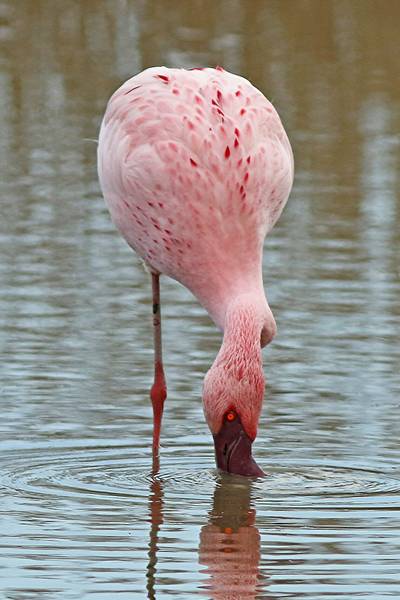
Glossy Ibis were seen in the high hundreds, Common Cranes were plentiful and we saw them rising up and calling as they began their journey to northern breeding grounds; Stone Curlews were daily in a field next to the hotel. Regiments of Greater Flamingoes were unable to hide the single vagrant Lesser Flamingo in their midst. The aquatic habitat of the Camargue provided us with Bittern, singing Moustached Warblers, Western Swamphens, Whiskered Terns and lots of raptors.
Whiskery Coypu, a couple of Red Foxes, several species of butterfly, Robert's Giant Orchids and Stripeless Tree Frogs were non-avian highlights, all hinting at the advancing season of spring.'
February 2026
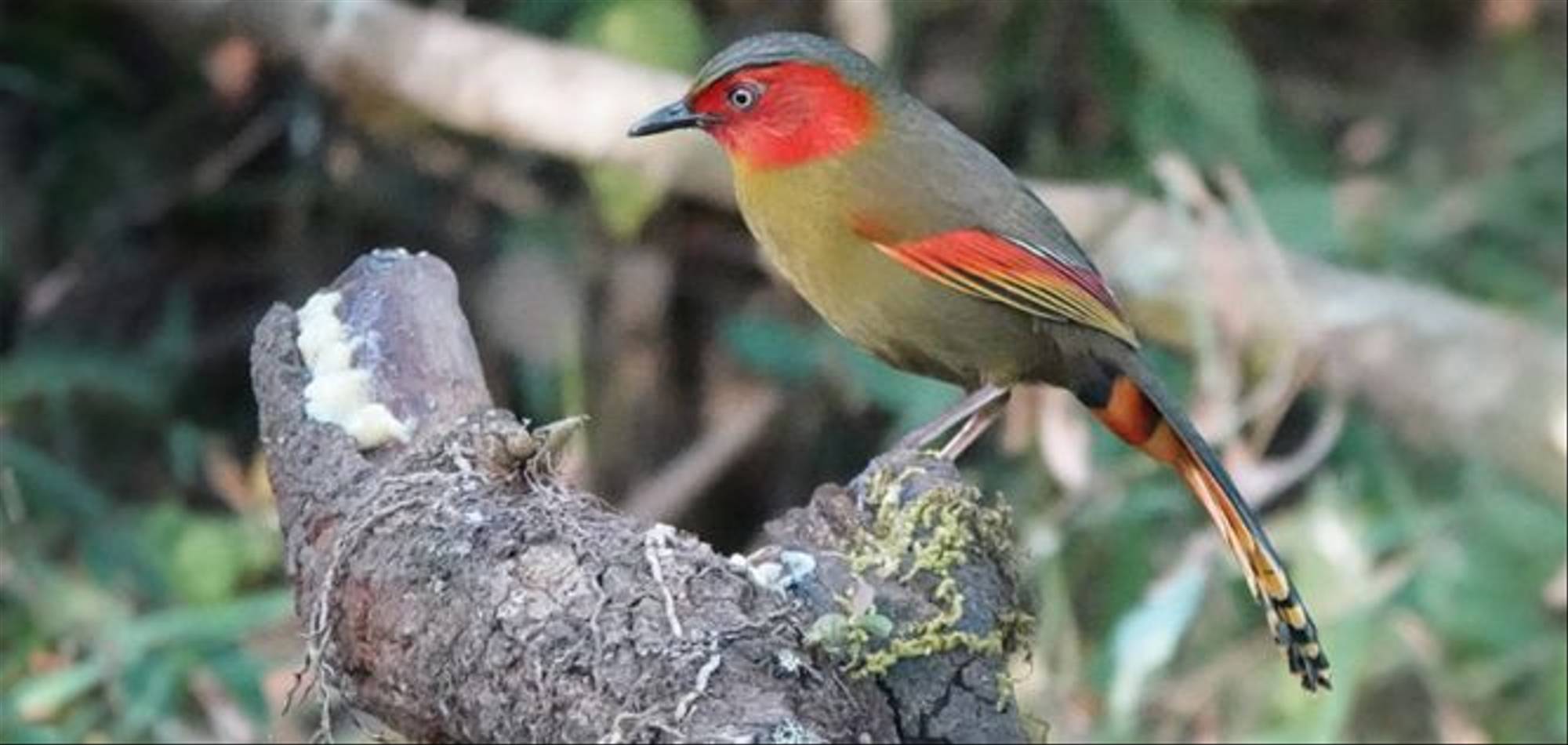
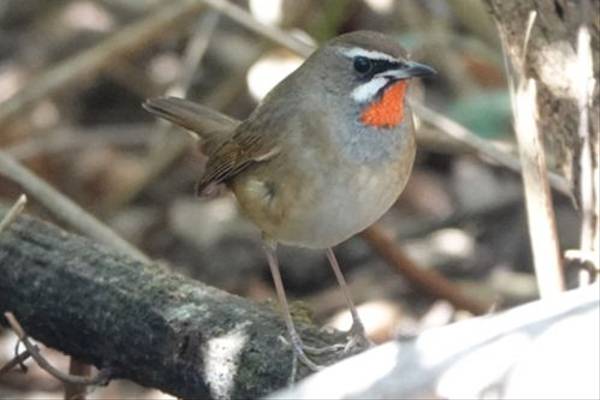
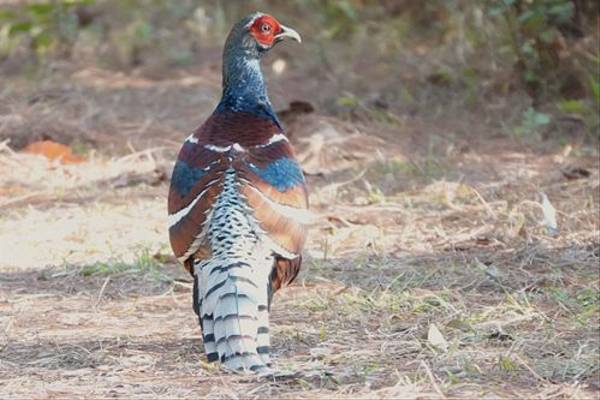
‘Only an hour after leaving Bangkok, we were watching many species of wader, which included the near mythical Spoon-billed Sandpiper – what a start!’ writes tour leader Neil Murphy. ‘Over the next 15 days we managed to see many incredible birds. The following species were particular group highlights, as they can be challenging to see anywhere in the world: Malaysian and White-faced Plovers, Asiatic Dowitcher, Milky Stork, Chinese Egret, Spot-billed Pelican, White-faced Scops Owl, Grey Peacock, Kalij, Silver and Mrs Hume’s Pheasants, Siamese Fireback, Blue Pitta, Cambodian and Yellow-bellied Flowerpeckers, Hodgson’s Frogmouth, Pied Harrier, Scarlet-faced Liocichla, Pygmy Cupwing, Siberian Blue Robin, Himalayan and Lesser Shortwings, Siberian Rubythroat, Asian Stubtail and Grey-winged Blackbird.
Thailand is a large country but we covered it extensively, with three days in each of the following areas: Phetchaburi saltpans and rice paddies, Kaeng Krachen and Khao Yai National Parks, all in the south. We then flew north to Chiang Rai, where we visited Doi Pha Hom Pok (Doi Lang) and Doi Inthanon National Park which rises to 2,565m, the highest point in Thailand. We also had time for three temple visits during our time, Wat Rong Khun (Chiang Rai White Temple) being a particular treat. As ever, Thai hospitality was second to none and we were treated to fabulous food throughout and a regular mid-morning coffee break to keep our eyes and ears sharp. Sure enough, our time in Thailand was all too brief and we said our farewells to our local guide End and ‘fixer’ Jeap but not before we had totalled up our trip list: nearly 400 species of bird and countless other wildlife, which made for an amazing trip around fabulous Thailand.’
February 2026
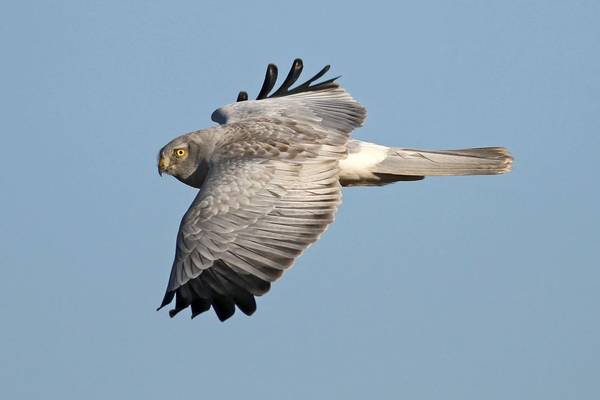
‘Geographically central in the UK, Dumfries & Galloway is home to the northernmost of southern species and the southernmost of northern species of a whole range of biodiversity, including several birds’ says tour leader Chris Rollie. ‘The Solway Firth and Loch Ryan are renowned for their wintering waterfowl, while the mosaic of farmland and low-lying moorland attracts a range of raptors in winter, including Hen Harriers.
Two of the group saw Otter in Dumfries on the River Nith, while later arrivals enjoyed superb views of male and female Goosanders fishing there. This first day ended with two adult grey male Hen Harriers flying to roost in the fading light. The recent temporary closure of WWT Caerlaverock altered the planned itinerary but more time at RSPB Mersehead Reserve gave wonderfully close views of thousands of Svalbard Barnacle Geese, plus Pintail, Wigeon, Teal, Shoveler, Redshank, Curlew, Lapwing, Tree Sparrow, Marsh Harrier and a splendid Red-tailed Hawk of unknown origin. NTS Threave Wetlands Reserve provided fleeting glimpses of Barn Owl and much better views of 87 Greenland White-fronted Geese. Around 150 Red Kites put on a breathtaking diving spectacle as they swooped for food at Bellymack Hill Red Kite feeding station.
As ever, Loch Ryan was a delight, with superb close views of Pale-bellied Brent Geese, Wigeon, Slavonian and Great Crested Grebes, Common Scoter, Red-breasted Merganser, Common Eider, Greater Scaup, six beautiful Long-tailed Ducks and various waders. Good, if more distant, views were had of Red-throated Diver, Goldeneye, Shag and a single Black-throated Diver. The day closed with several large flocks of Pink-footed Geese, followed by fleeting views of a ringtail Hen Harrier flying to roost.
A rare overnight fall of snow on the last evening confined us to a leisurely walk next morning, when we took in some local attractions and bird feeders, where we bagged Goldfinch, our 100th bird species for the week! Historical attractions included the Motte of Urr, castles at Threave and Devorgilla’s Bridge, Scotland’s oldest multiple-arch bridge. Comfortable accommodation, superb cuisine and hospitality were all enjoyed at the award-winning Clachan Inn, St John’s Town of Dalry, and all combined with stunning birdlife and scenery to deliver a truly memorable few days in excellent company.’

February 2026
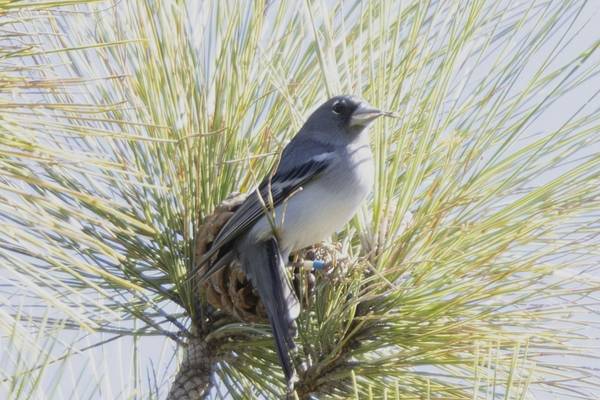
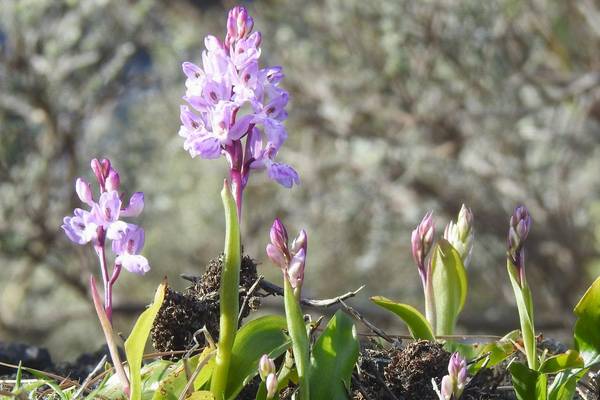
‘Going slow in Gran Canaria gave the group the chance to look for, and have great views of, the Gran Canaria Blue Chaffinch in the Canary Island Pines (Pinus canariensis) at the top of the island’ says tour leader Jessica Turner. ‘With a total world population of only about 450 individuals, this species is unique to Gran Canaria and much rarer than their cousin in Tenerife. We also enjoyed great views of other endemics such as Laurel Pigeon, Canary Islands Chiffchaff, Canary Orchid (Orchis canariensis), Canary Bellflower (Canarina canariensis – surely the most Canary-Island-centred scientific name!), Canary Giant Lizard and many more besides.
A boat trip gave us views of a large pod of Common Dolphins, two Green Turtles and Mediterranean Flying Fish. We had a tapas lunch in a cave restaurant, in a ravine so remote it has its own endemic plant species and where people still live in cave houses. Guillermo’s enthusiasm for and encyclopaedic knowledge of the Canary Islands meant that we learnt much about the history, geology and culture of this fascinating location. The weather was warm or hot and sunny, although the calima haze hid Tenerife most of the time, and we had rain on our last day when we could be indoors for wine tasting at a finca which also grows its own coffee. There was plenty of time to enjoy the delightful hotel at Agaete on the north-west coast, with opportunities to swim, relax and watch the sun set over the sea.’