 Loading search...
Highlights from Lyme Bay (2025)
Due to the weather conditions this year, we were only able to operate two full-day cruises, one in July and one in October, aboard the ‘Spot-On!’ with skipper, Ross Parham. However, both day trips were superb, and we were rewarded with a record-breaking day trip in July with Naturetrek tour leader, Tom Brereton.
On 24th July 2025, record UK numbers of the globally and critically endangered Balearic Shearwater were seen in Lyme Bay, Devon, through a survey conducted by the charity MARINElife on a Naturetrek Day Trip. 1,920 birds were counted, surpassing the previous UK record site day count (of 1,145 made in 2023) by a startling 68%. Warming sea temperatures were thought to have been the main driver for the influx, with the whole area surveyed teeming with seabirds, dolphins and jellyfish.
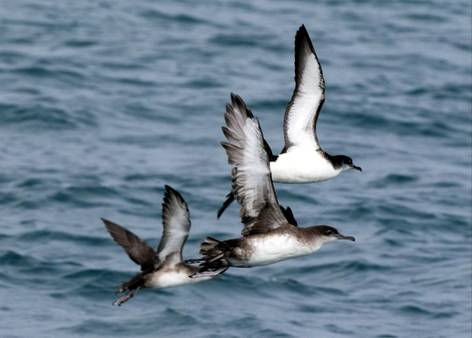
Balearic and Manx Shearwaters © Tom Brereton
The Balearic Shearwater is a critically endangered seabird endemic to the Balearic Islands in the western Mediterranean and is in steep decline, with fewer than 3,000 breeding pairs remaining, though the total population including non-breeding birds was last estimated at around 22,000 individuals. In recent years, increasing numbers of post-breeding Balearic Shearwaters have shifted north from traditional moulting grounds in the Bay of Biscay to the English Channel, coinciding with warming sea temperatures and northward shifts in Anchovies and other pelagic fish food sources. South-west England waters are now considered internationally important at times, with counts of over 1,000 made in Devon, most recently 1,145 at Berry Head in September 2023 (a national record) and 1,068 at Start Point in July 2020. Boat surveys by the charity MARINElife and satellite tagging work by others have confirmed these birds are not just passing through but are actively using the waters as moulting and feeding grounds for weeks on end.
Increasing numbers of Balearic Shearwaters had been recorded in south-west England waters from coastal headlands in the days leading up to the survey, so expectations were high of seeing some birds on 24th July. However, the number of sightings of this species on the 24th was extraordinary and unprecedented, with over 30 feeding or resting flocks detected, spread across all sea areas surveyed, an area of 240 km2. Given that only a tiny fraction of Lyme Bay was sampled (less than 1%), it seems likely that there were hundreds to many thousands more birds present, representing a high proportion of the world’s population.
Professor Tom Brereton, MARINElife’s Research Director who conducted the survey, said, “The south-west marine environment is changing rapidly from plankton communities at the base of the chain, through to top predators such as Balearic Shearwaters. We must act quickly to ensure that species such as Balearic Shearwater, Bluefin Tuna and other new arrivals are adequately protected whilst in our waters.”
Major threats to Balearic Shearwaters include accidental drowning in fishing nets, invasive predators (rats, cats) at breeding sites and climate change (shifting prey, storm mortality). Of concern, one bird was found entangled by sea angling gear on the 24th July survey, highlighting the bycatch issue.
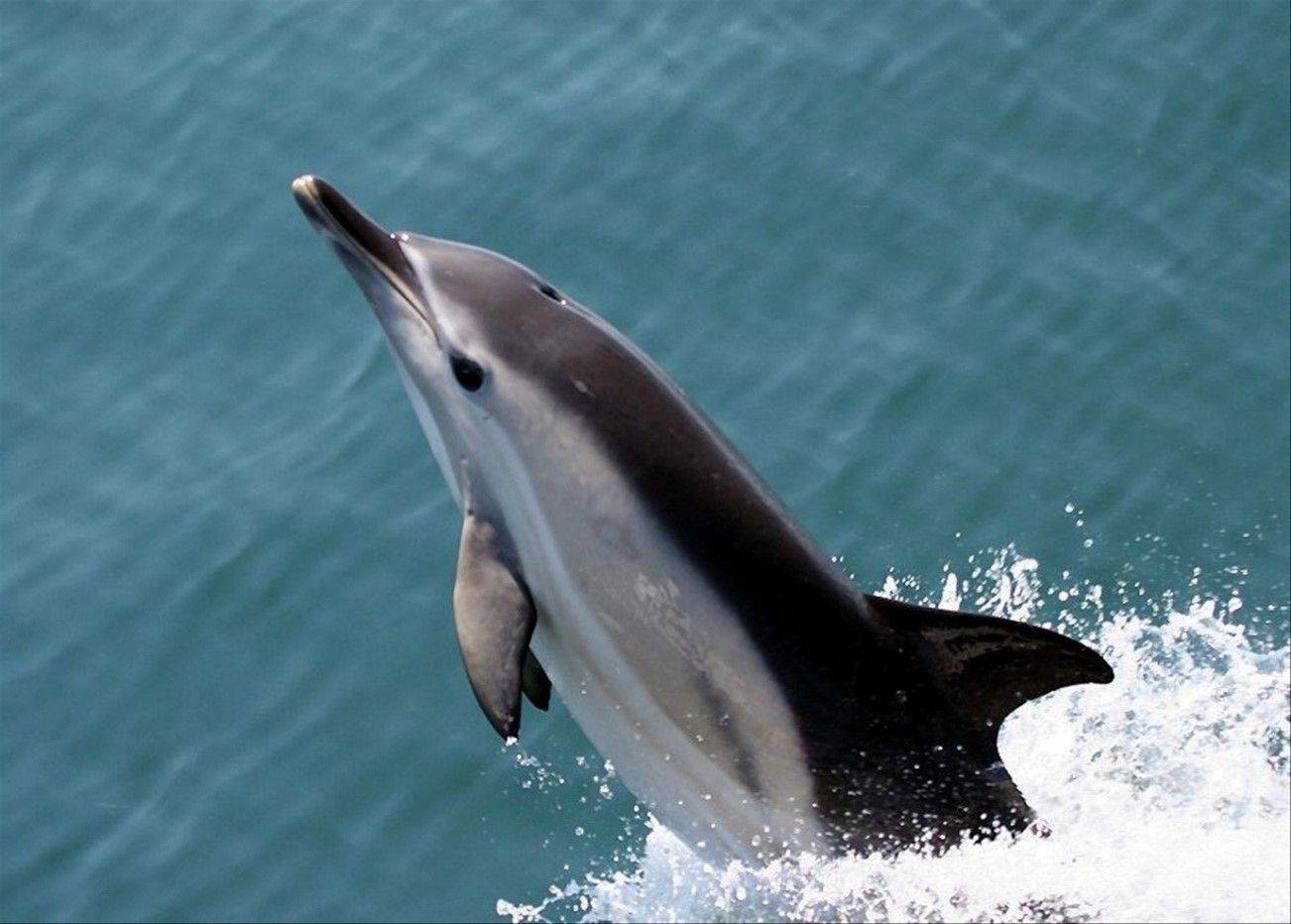
The Balearic Shearwater sightings were only one highlight of an extraordinarily rich day for marine wildlife encounters, with a mix of familiar species and ones much rarer and brought in by warming sea temperatures here and elsewhere. Highlights included unusually large numbers of (formerly rare) Crystal Jellyfish, an Ocean Sunfish, three pods of Rissos’ Dolphin and large numbers of Common Dolphin. Risso’s Dolphins have been sighted in unprecedented numbers off the south-west coast this summer, following a large influx of Mediterranean Octopus, a known prey item. Hundreds of Manx Shearwaters, Gannets, Kittiwakes and Guillemots have also been recorded.
Andy Tucker, Managing Director of Naturetrek and the Operations Manager of the Lyme Bay Day Trip, said, “We are delighted to be able to offer an ideal means for this essential data to be collected, contributing to vital research on this endangered species – one that is even rarer and more threatened with extinction than the Polar Bear – all whilst giving our wildlife-watching clients a superb day out.”
Our 2026 sailing dates are now available to book so, to ensure you do not miss any of the action, please see our Seabirds & Cetaceans of Lyme Bay tour page or contact our office on 01962 733051.
Please note: If we are unable to operate a sailing due to bad weather, we will give you as much notice as possible and you will be offered a full refund, or the option to transfer your booking to a future date.
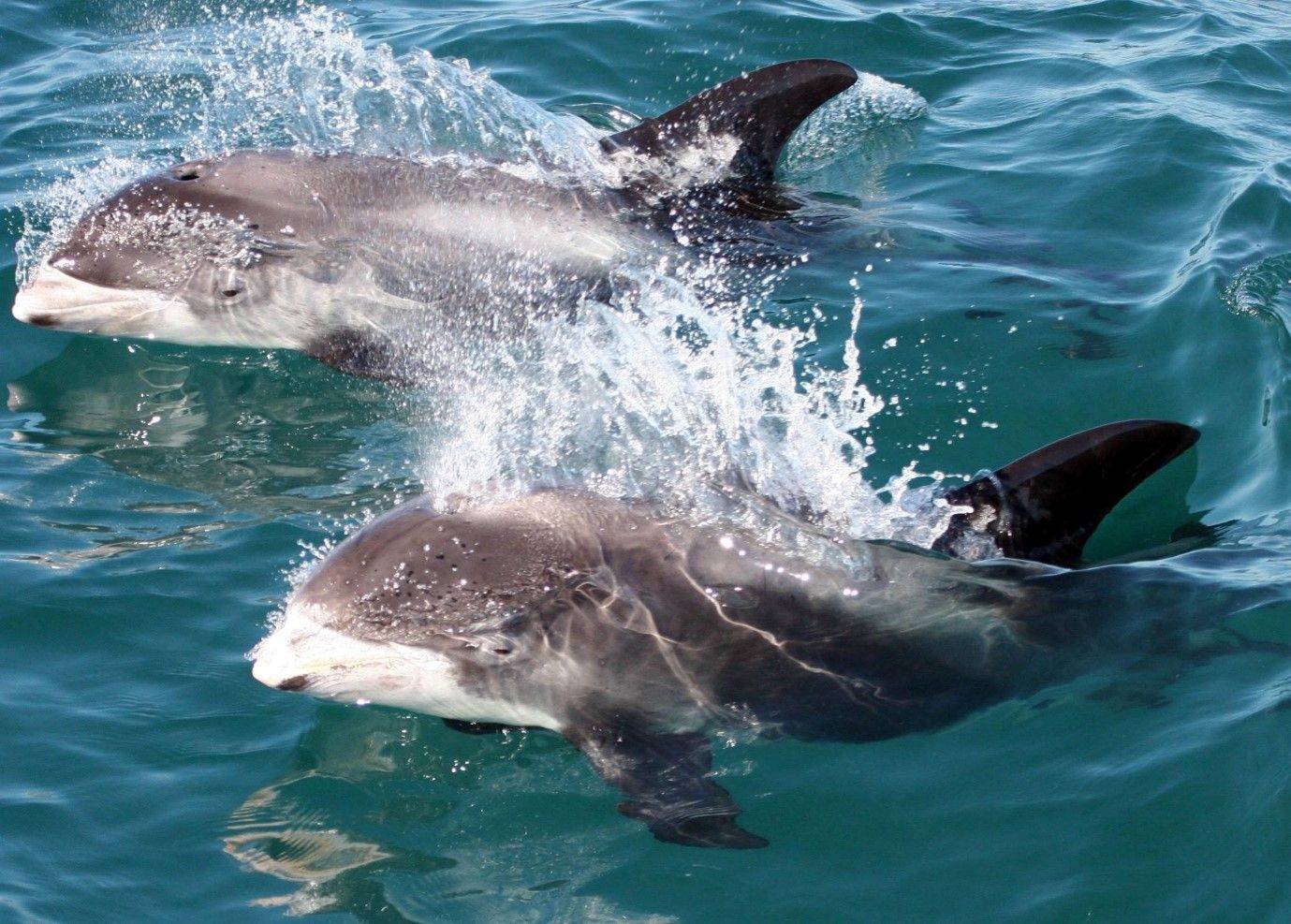
White-beaked Dolphins © Tom Brereton