 Loading search...
Fantastic trip, beautiful location with a wonderful variety of wildlife. If you like otters, eagles and geese this is the trip for you. Both David and Neil were excellent tour leaders with exceptional knowledge of the locations and wildlife. They went out of their way to ensure everyone was comfortable and able to get the most out of the trip.
D.C, Berkshire, Oct25
Tour Itinerary and Reports
- Itinerary
- Tour report - October 2025
- Tour report - October 2024
- Tour report - June 2024
- Tour report - October 2023
- Tour report - October 2022
- Tour report - October 2021
- Tour report - October 2021
- Tour report - October 2020
- Tour report - October 2019
- Tour report - October 2018
- Tour report - October 2017
- Tour report - October 2016
- Tour report - October 2015
- Tour report - October 2014
- Tour report - November 2013
- Tour report - October 2013
- Tour report - October 2012
- Tour report - October 2010
Click to see moreClick to see less
Can I help you?
Islay & Jura
Tour Code: GBR10A 7-day tour in search of the birds and mammals off Scotland's ruggedly scenic west coast, plus the chance to try some of Scotland's finest single malt whiskies!
7 days
from
£1,895 (Inc ferry)
£1,895 (Inc ferry)
Land only price
from
£1,895
£1,895
Highlights
Tour Itinerary and Reports
- Itinerary
- Tour report - October 2025
- Tour report - October 2024
- Tour report - June 2024
- Tour report - October 2023
- Tour report - October 2022
- Tour report - October 2021
- Tour report - October 2021
- Tour report - October 2020
- Tour report - October 2012
- Tour report - October 2018
- Tour report - October 2017
- Tour report - October 2016
- Tour report - October 2015
- Tour report - October 2014
- Tour report - November 2013
- Tour report - October 2013
- Tour report - October 2019
- Tour report - October 2010
Click to see moreClick to see less
Can I help you?
Summary
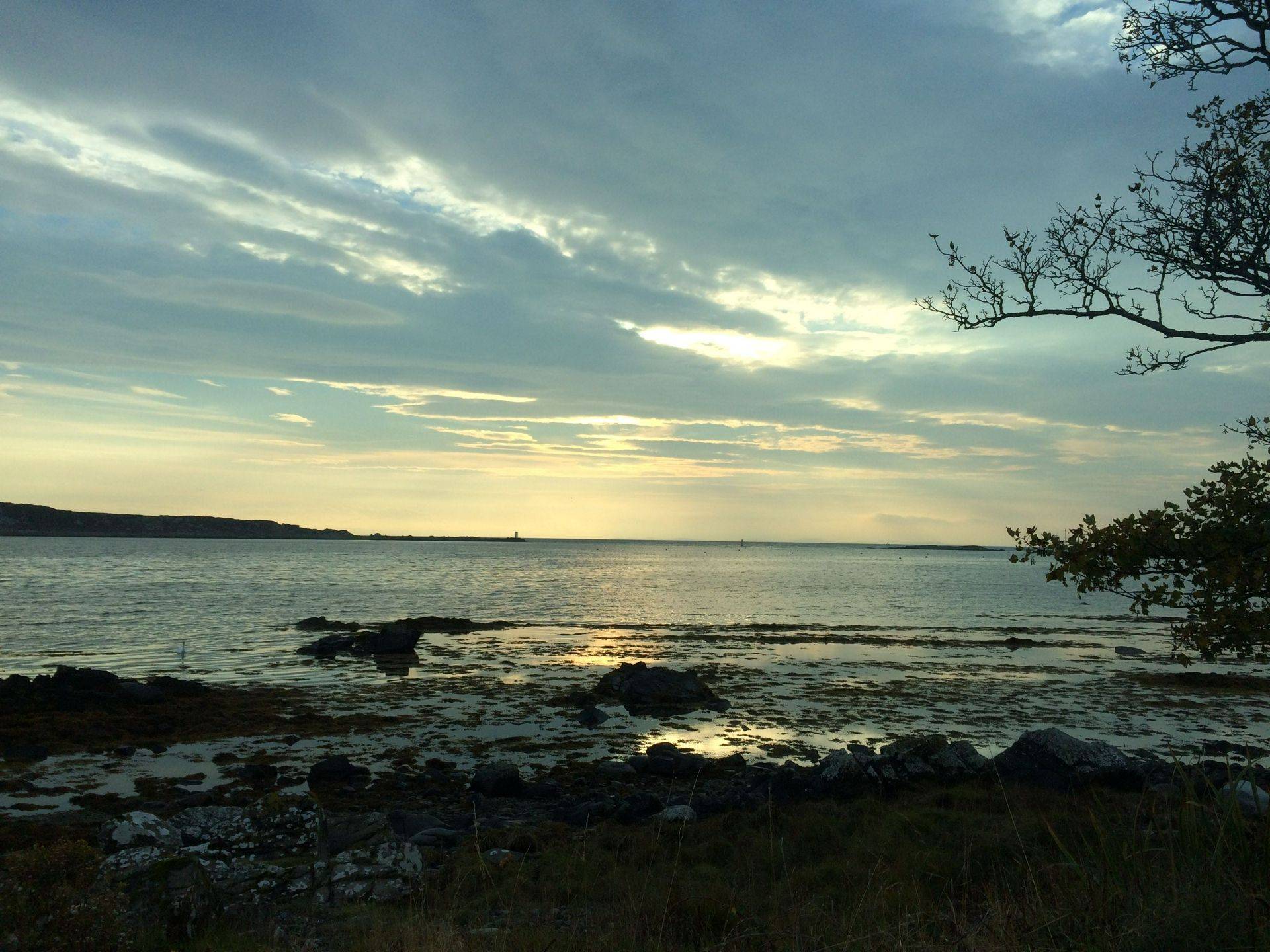
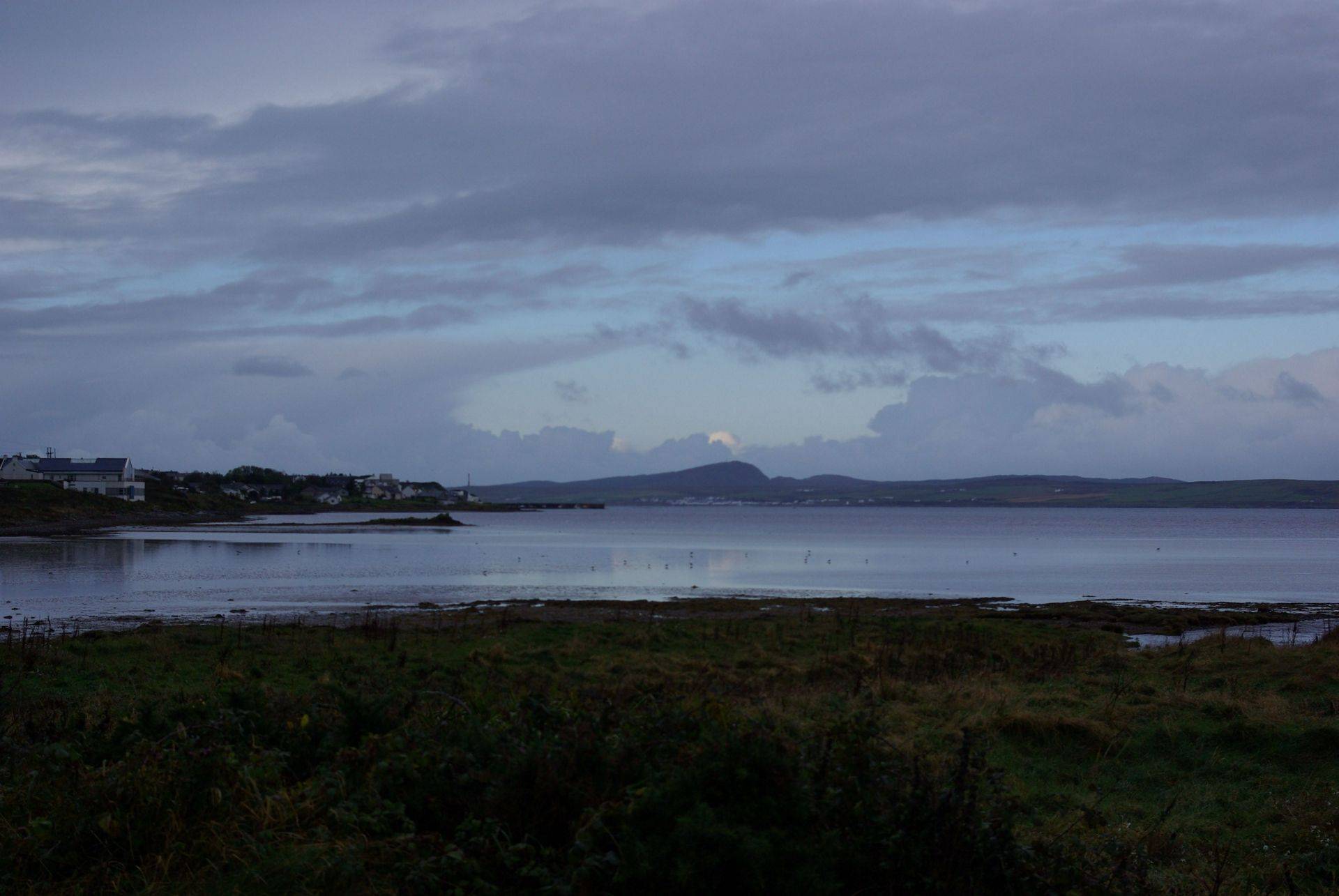
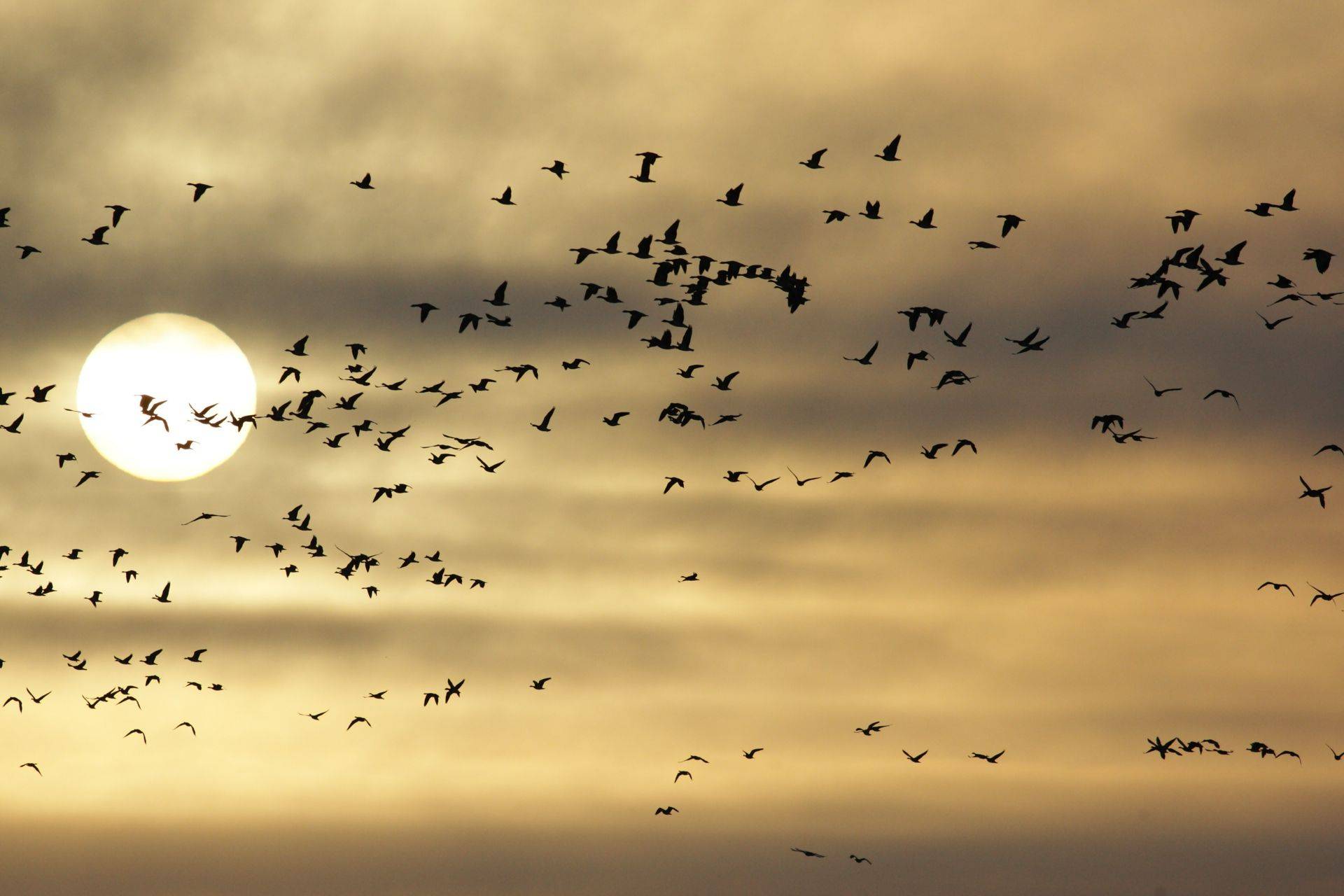
Islay and Jura offer a delightful blend of superb wildlife-watching, stunning – and contrasting – scenery, fresh Atlantic air, and some of Scotland’s finest malt whiskies. We head first for Islay, arguably the most important place for wild geese in the British Isles. By late October, Islay is heaving with wildfowl and other waterbirds such as Black Guillemot and Greater Scaup, as well as raptors including Golden and White-tailed Eagles, and Hen Harrier. Next we transfer to Jura, its sculpted scenery a sharp, rugged contrast to the rolling fields and moors of Islay. We’ll enjoy its little-visited lochs, glens and beautiful beaches in search of deer, Grey Seals, Otter cubs, exotic flowers warmed by air from the Gulf Stream and other wildlife.
- Up to 40,000 Barnacle Geese, plus possibility of rarities such as Snow Goose
- About 7,000 Greenland White-fronted Geese, the world’s largest wintering population
- Dusk & dawn vigil at a goose roost site is an unforgettable experience
- Great Northern & Black-throated Divers, Slavonian Grebe & Purple Sandpiper
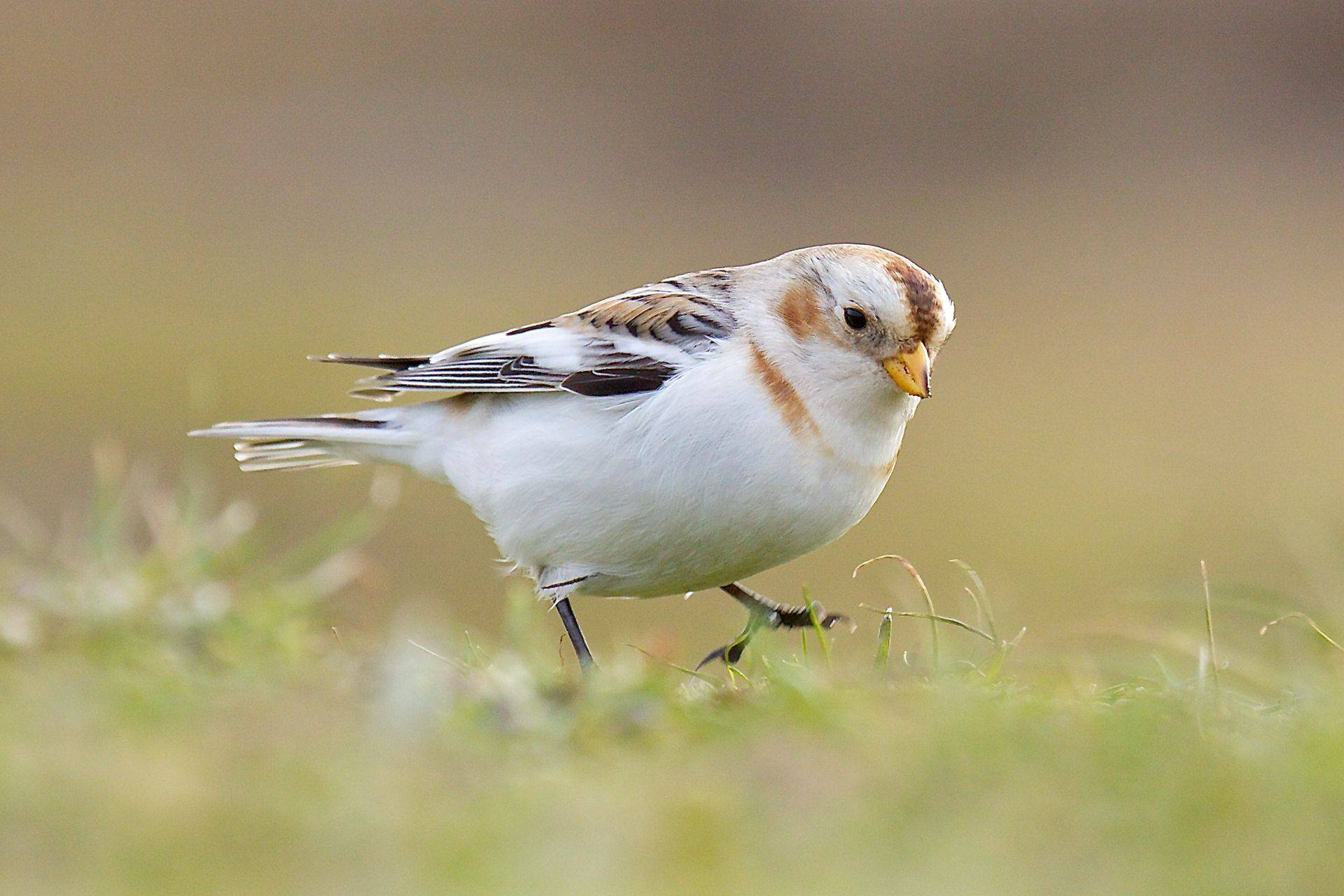
- Red-billed Chough & small flocks of Snow Bunting, Islay
- Opportunity to taste world-famous single malt whiskies
- Jura has 5,000+ Red Deer & only 200 people!
- There’s a pair of Otter for every 3 miles of coastline on both islands
- Led by an expert naturalist guide
Grading
Gentle wildlife walks. Any more demanding walks will be optional.The remote and beautiful Inner Hebridean islands of Islay and Jura jut out like fingers from the west coast of Scotland and, differing so much in landscape and character, both islands in combination offer a perfect getaway destination far from the rush of everyday life. Indeed they offer an intoxicating blend of superb wildlife-watching, stunning scenery and fresh Atlantic air, a truly unspoiled setting for some of the best and most iconic wildlife spectacles in the British Isles.
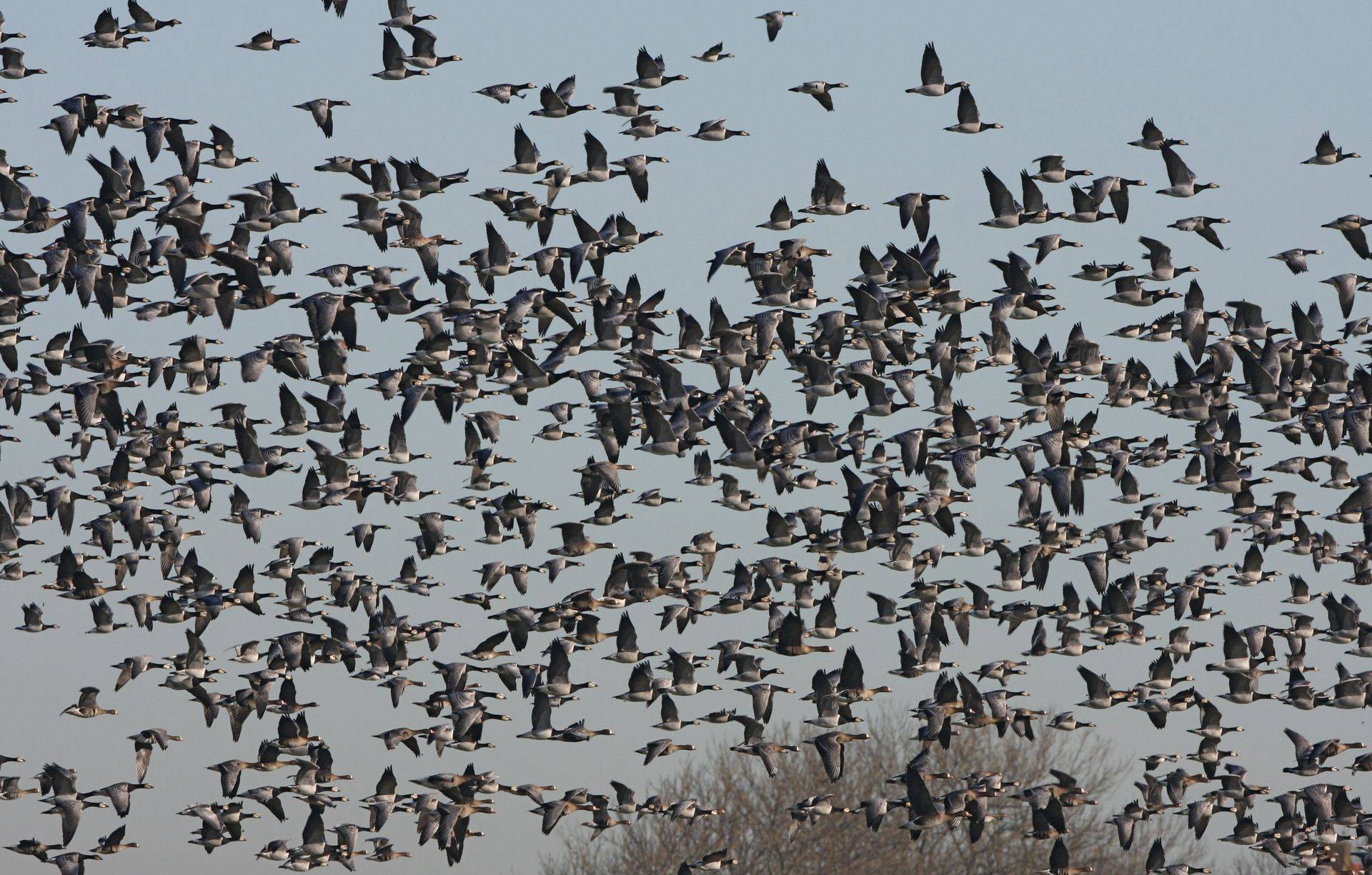
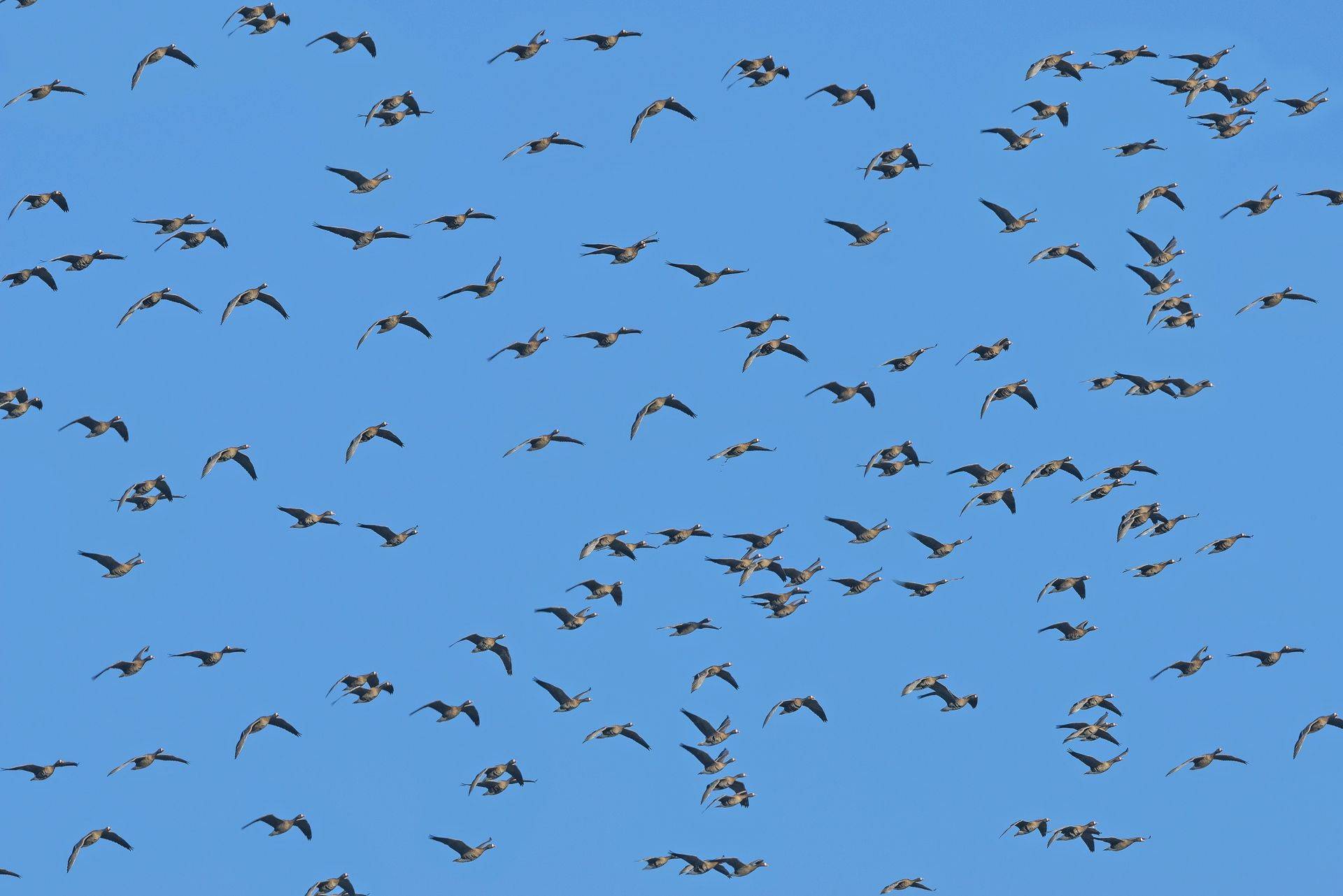
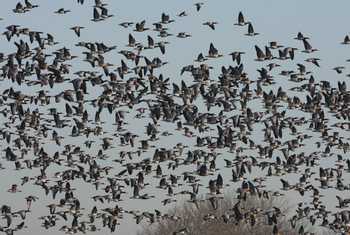
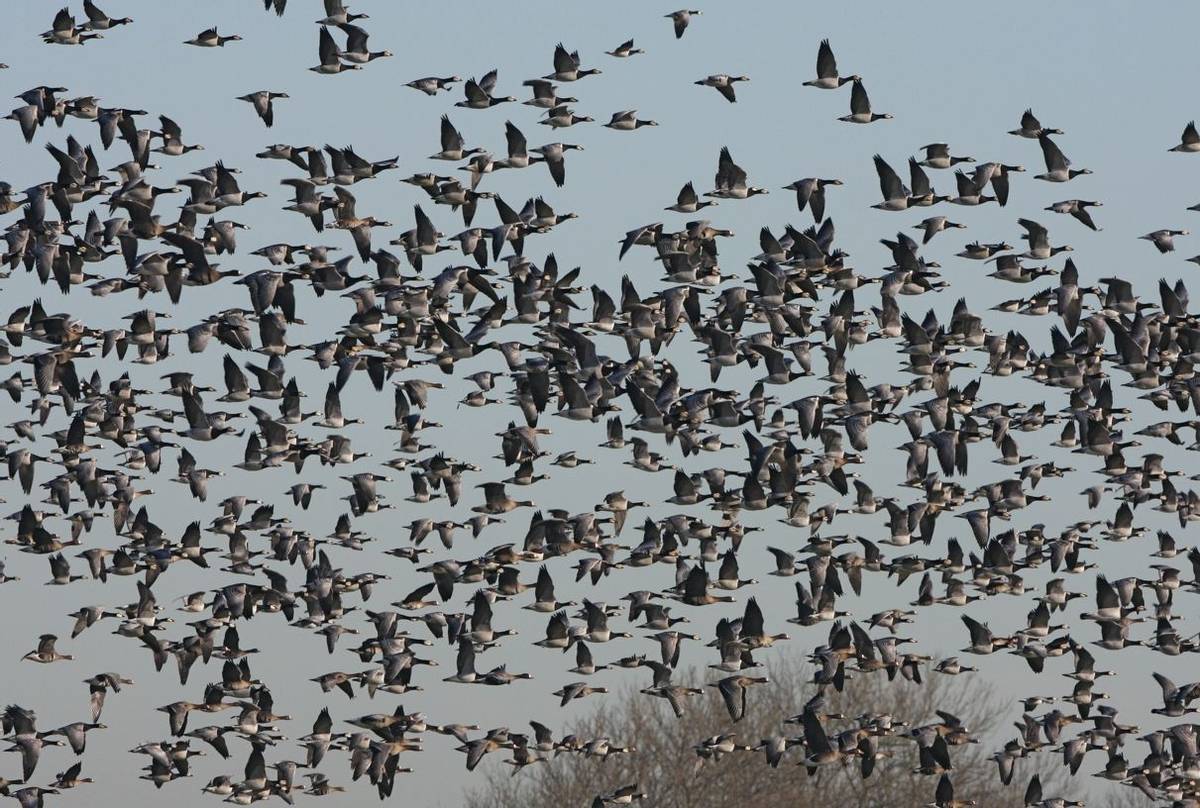
We will spend three nights on each island, enjoying their contrasting scenery and wildlife, heading first for Islay, described by the late Sir Peter Scott as ‘the most important place in the British Isles for wild geese, and one of the most important in Europe.’ The most southerly of the Inner Hebrides, Islay boasts a very varied landscape of mountains, moorland, woods and farmland, and has been described as the ‘Queen of the Hebrides’ — a fertile land teeming with breeding birds during the summer, and geese in the winter. It is during October when the geese start to arrive from their breeding grounds in the Arctic and, by late October, Islay is heaving with wildfowl, among which the most numerous is the handsomely marked Barnacle Goose, which has been known to number up to 40,000 here. The next most numerous is the Greenland White-fronted Goose, and Islay holds the largest wintering population of this species anywhere in the world, with up to 10,000 birds being present! A dawn or dusk vigil at one of the goose roosts on the island is a humbling experience never to be forgotten, and among the vast flocks there is always the chance of finding something rarer, maybe a Snow Goose or ‘genuine’ Canada Goose from North America.
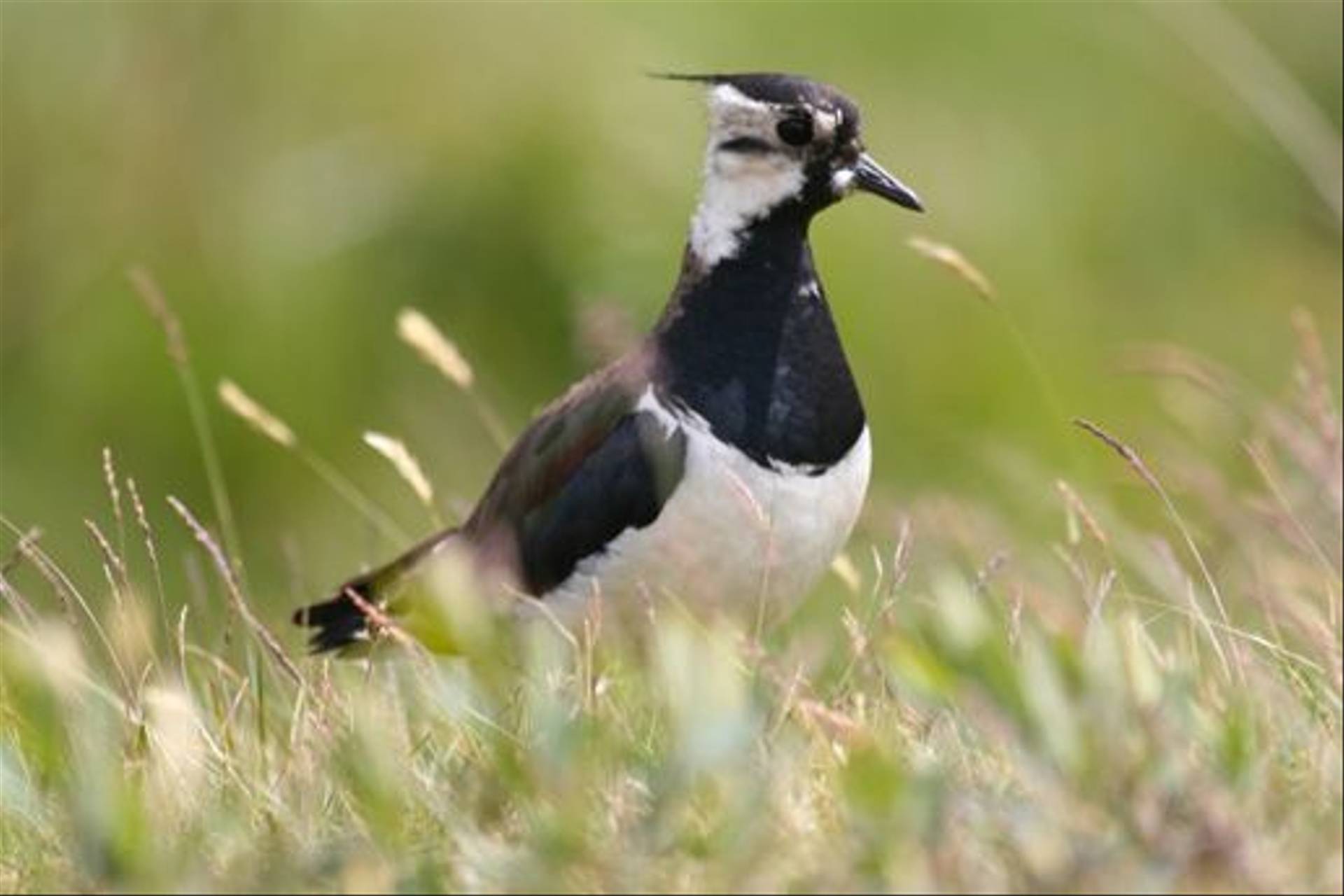
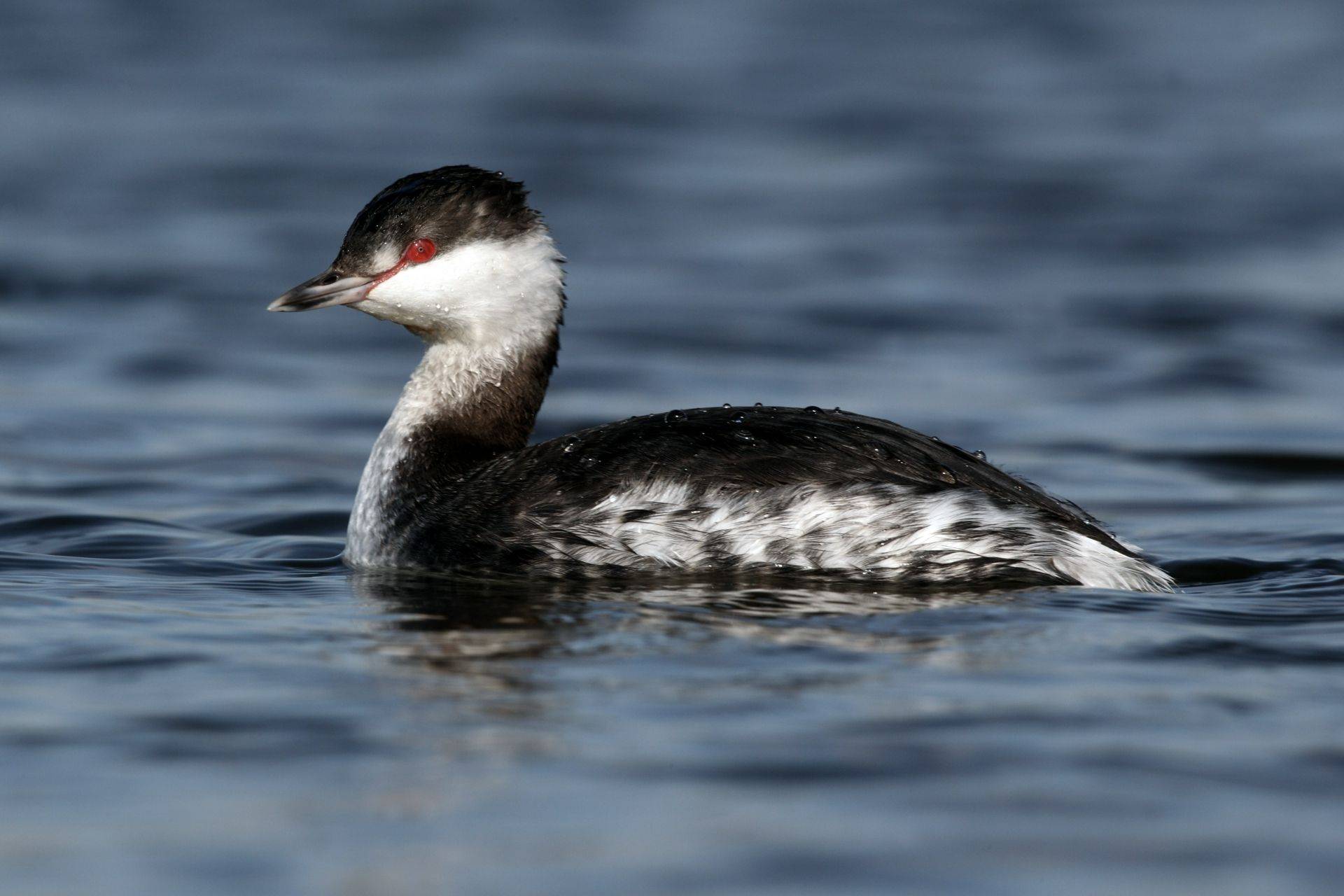
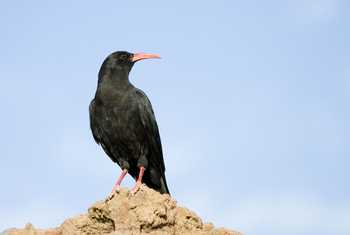
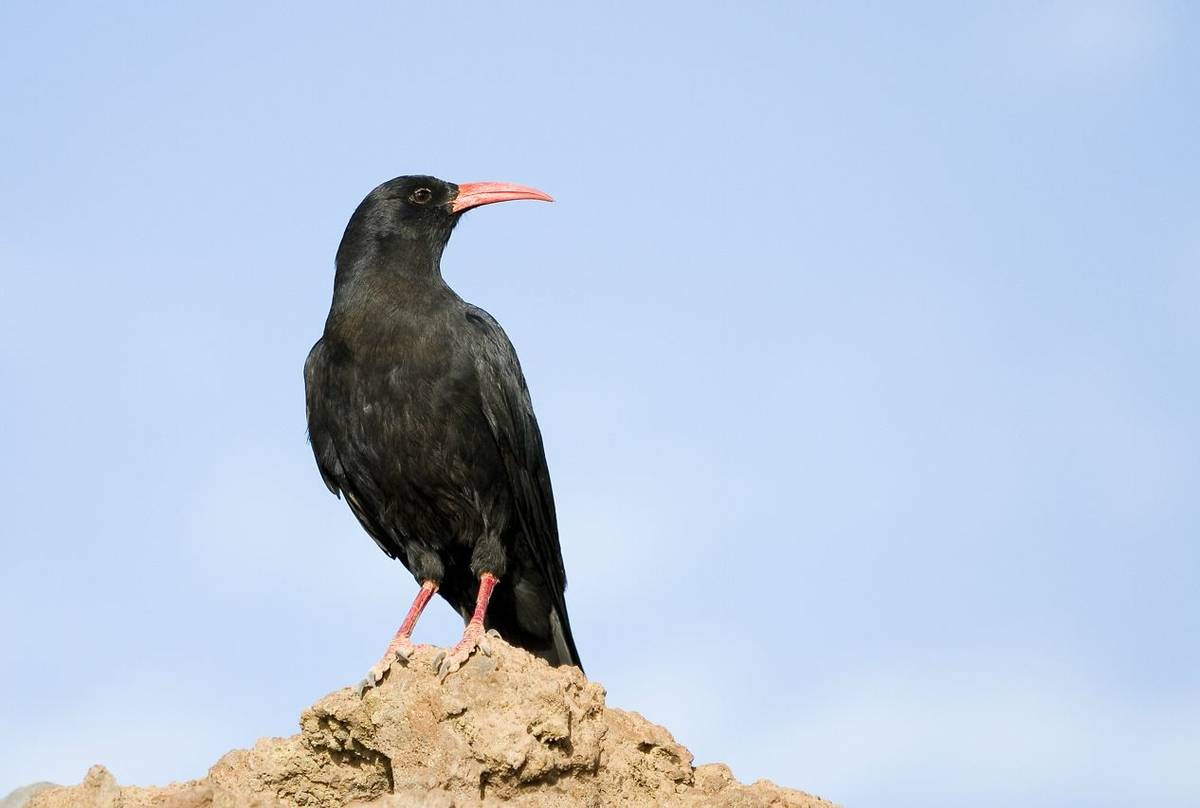
Other wildfowl also occur, and on the main sea lochs up to 1,000 Greater Scaup may be found. But it’s not only the wildfowl which are special here; other waterbirds we are likely to see include Great Northern and Black-throated Divers, Slavonian Grebe, Purple Sandpiper and Black Guillemot. Away from the water we will make a special effort to seek out Red-billed Chough, a small flock of Snow Bunting, and perhaps a roost of over 200 Ravens. Last but not least is the island’s remarkable variety of raptors, perhaps not surprising given the abundance of prey. During suitable flying weather, Golden Eagles are almost guaranteed and views can be nothing short of spectacular. Hen Harrier, Merlin and Peregrine are also regularly seen, while there is an outside chance of a wandering White-tailed Eagle. Indeed, our chance of seeing these birds of prey is equally as good on the Isle of Jura where we’ll spend the second part of the holiday.
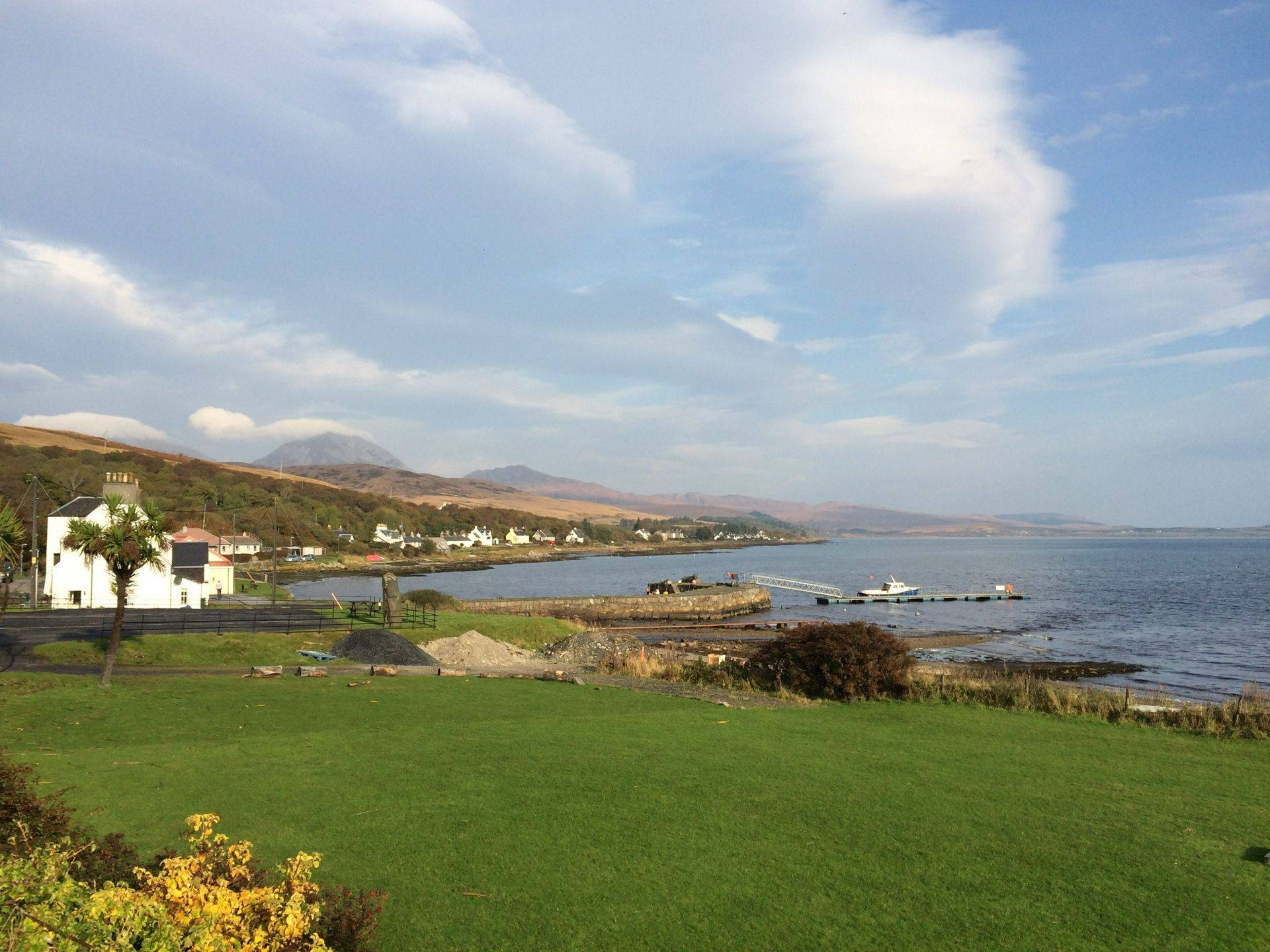
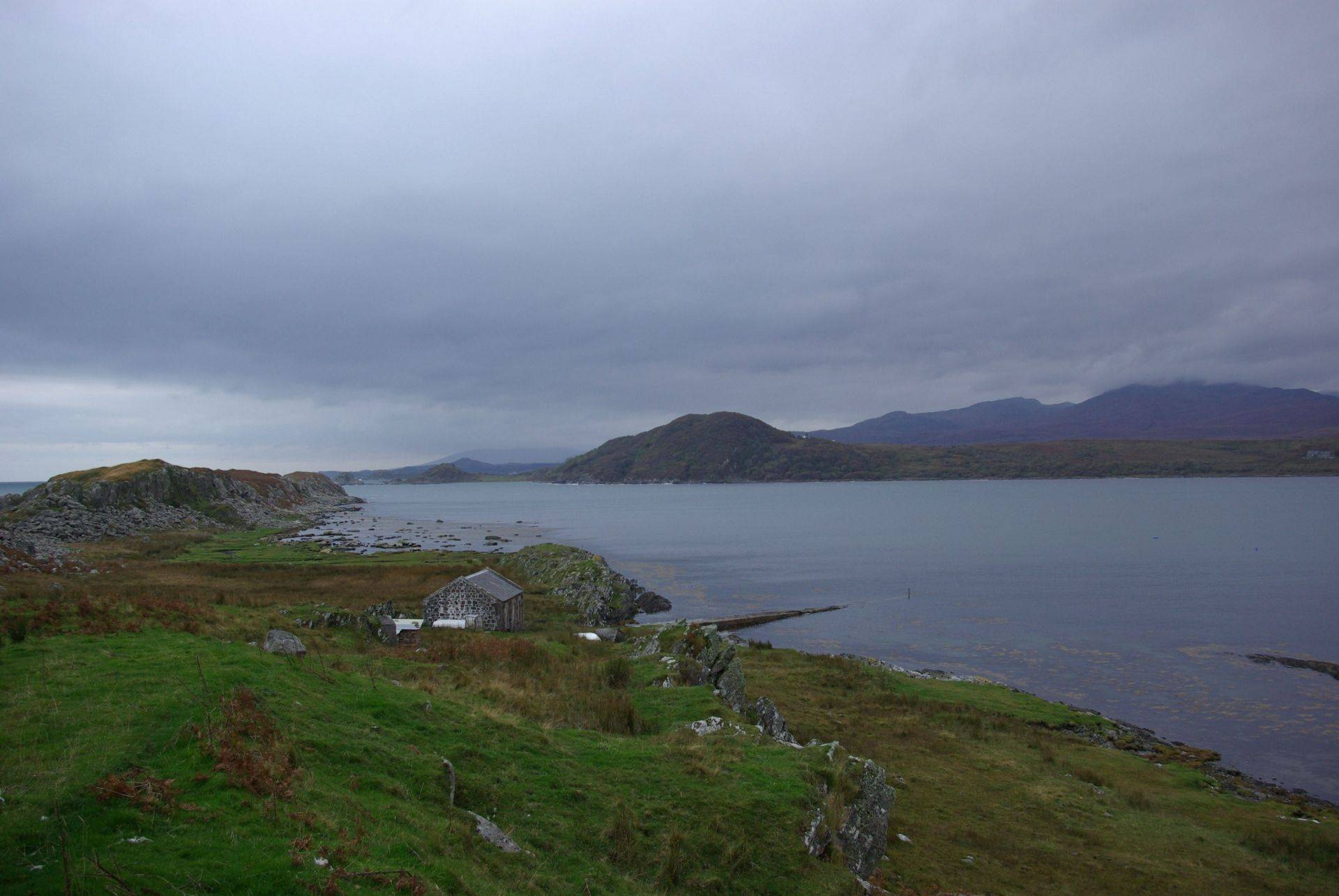
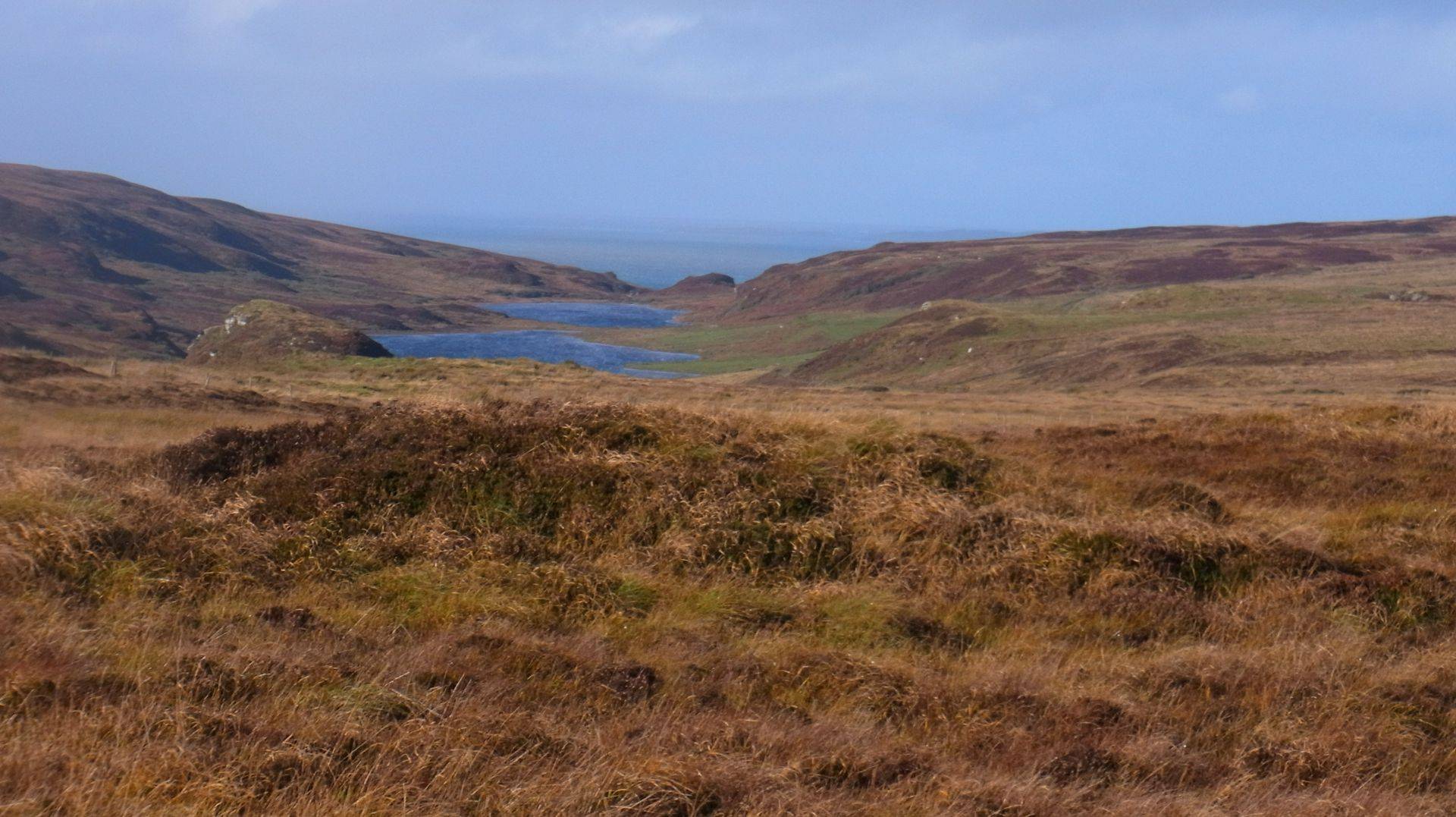
Jura offers a sharp and rugged contrast to the rolling fields and moors of northern Islay. Its southern part is dominated by the Paps — three dramatic, rounded hills rising close to the sea to a height of 300 metres. The island’s west coast is sculpted by many cliffs, caves and sweeping stretches of raised beach, formed by the land lifting up after the great weight of the ice sheets retreated. Further classic examples of the effects of glaciation can be seen within the lochs, hills and glens, and Jura also has the third strongest whirlpool in the world — Corryvreckan. Beautiful beaches are quiet and little visited, and exotic plants such as fuschias and palm trees grow here since the climate is warmed by the Gulf Stream. This unspoiled and remote setting is perfect for the enjoyment of natural history.
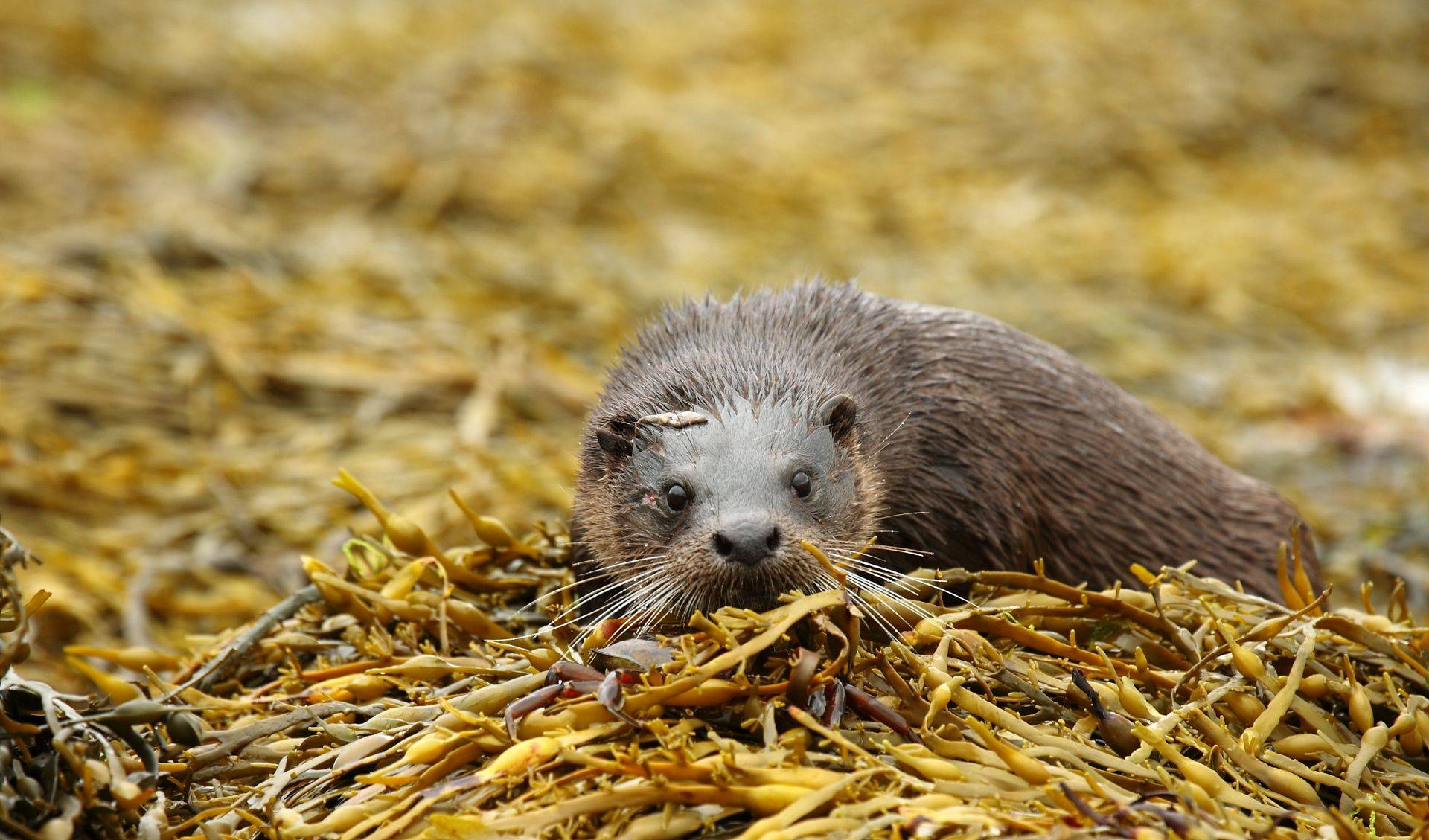
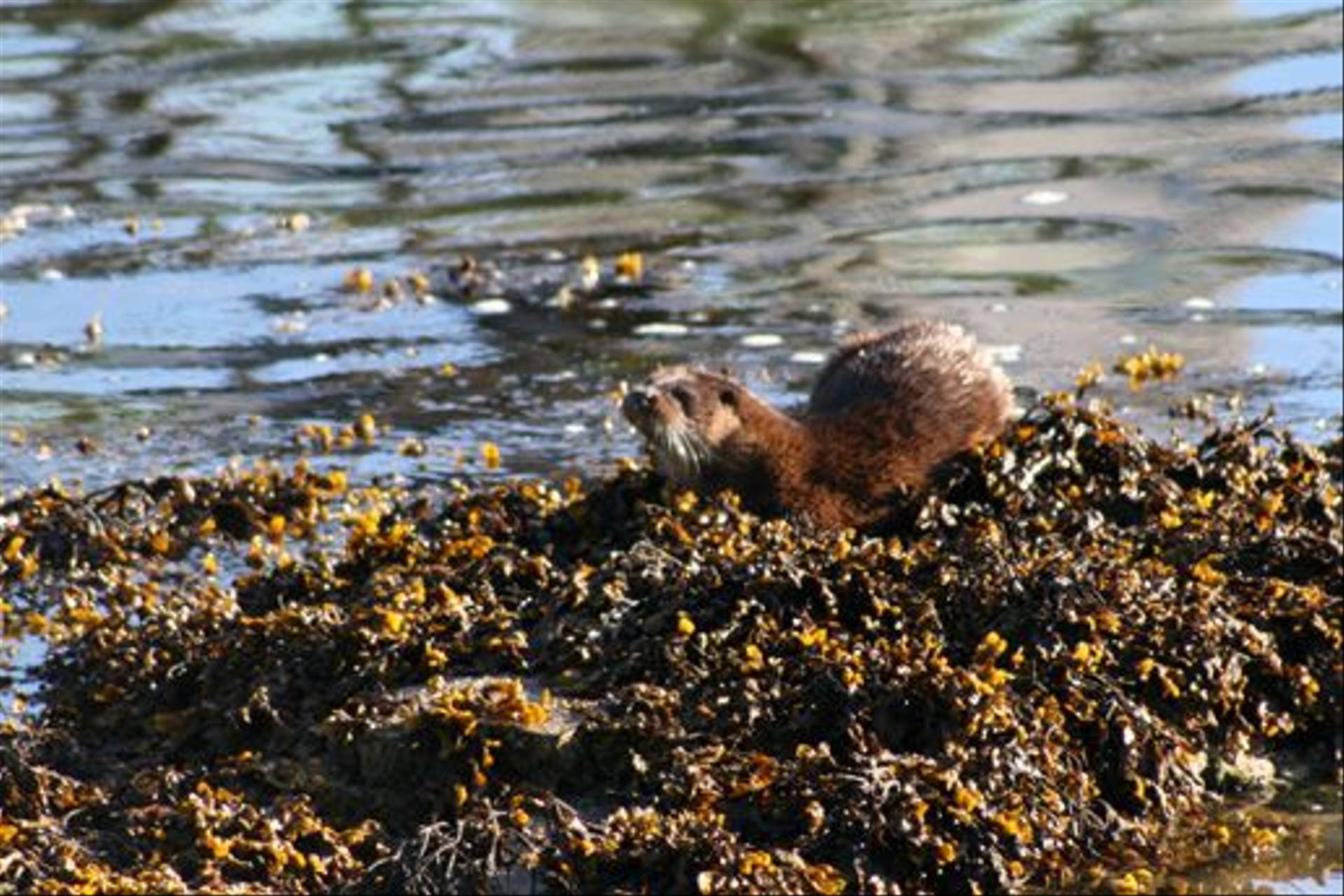
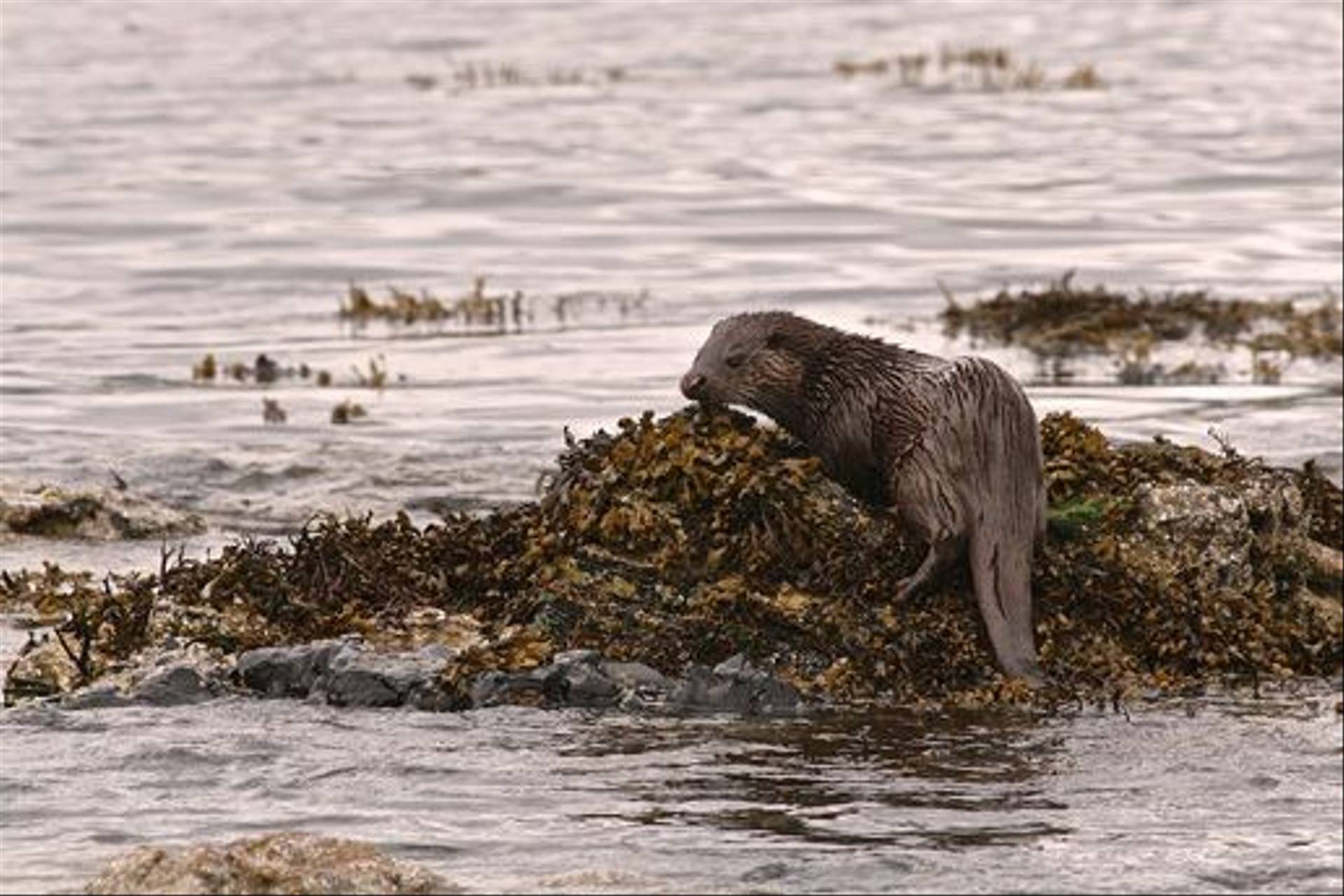
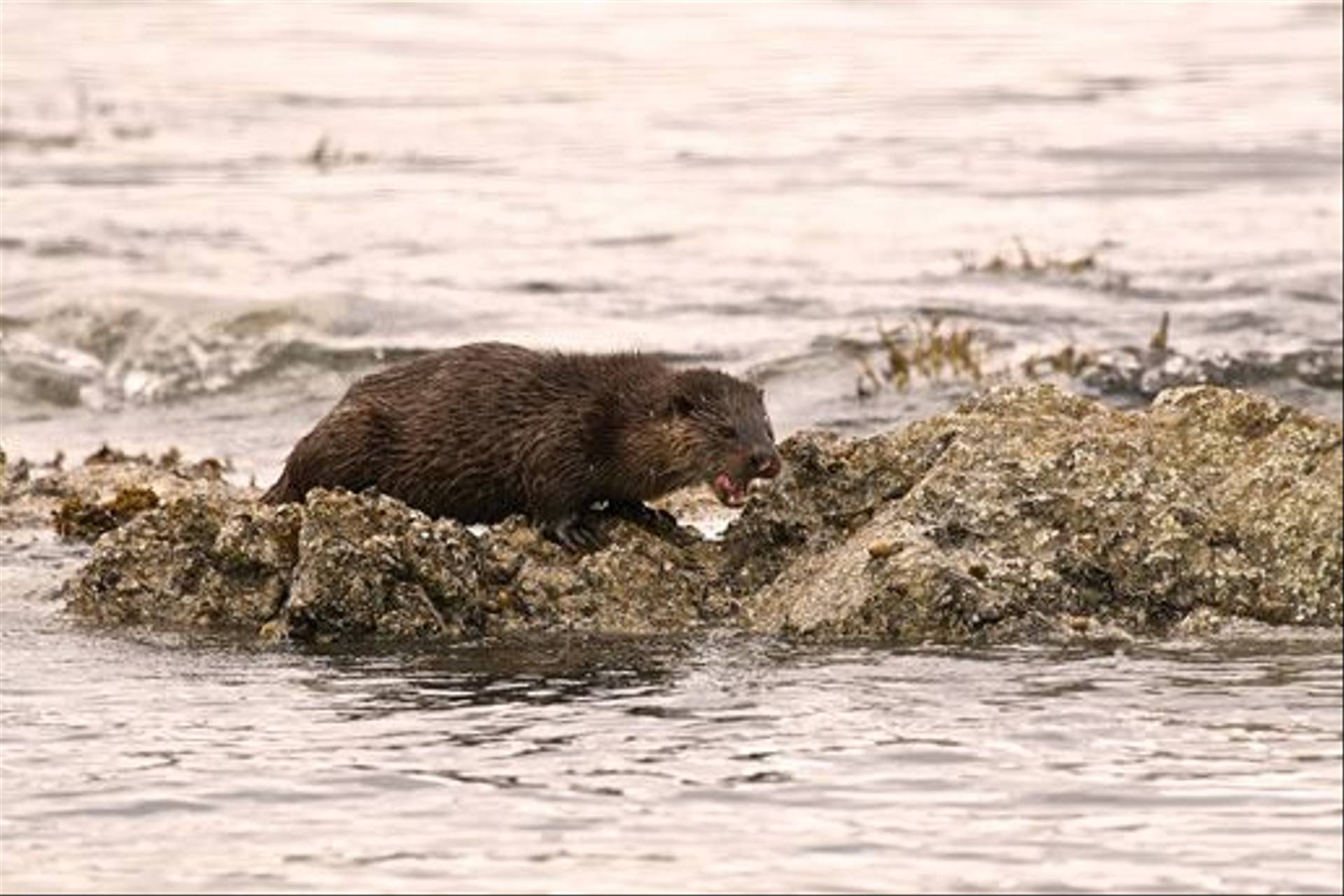
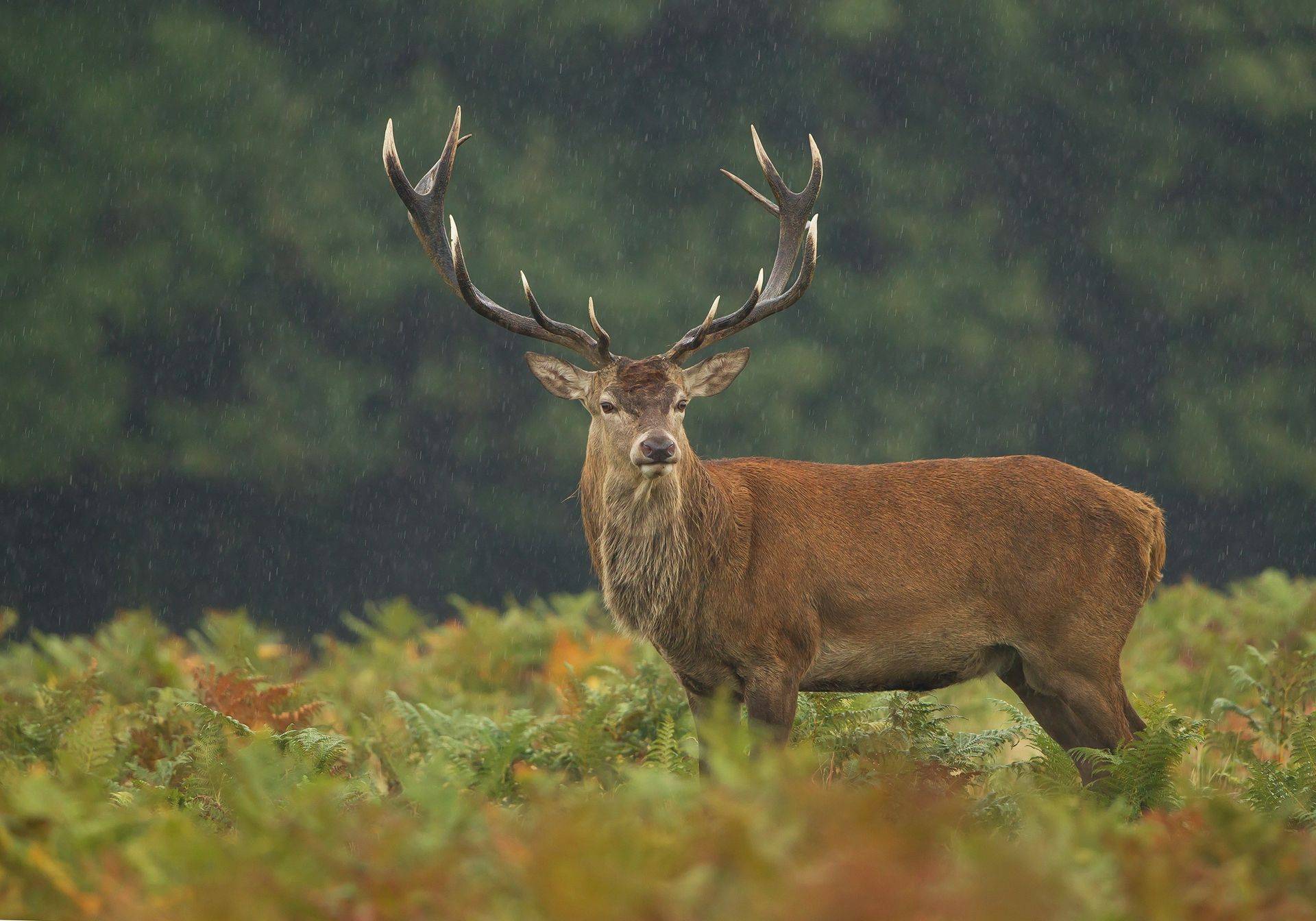
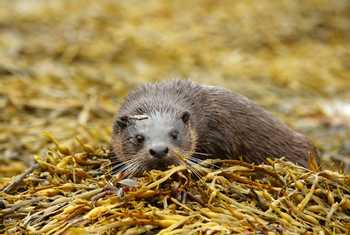
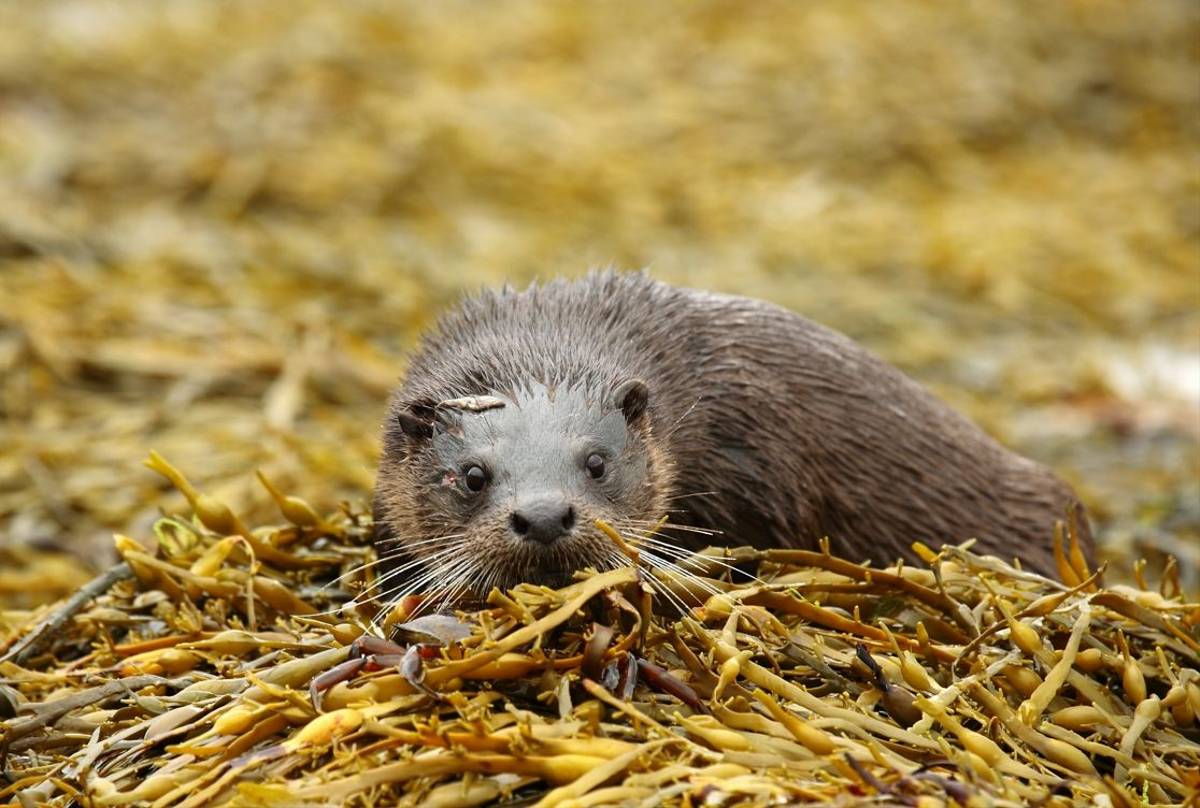
Even more so than Islay, Jura is a particularly good location for watching mammals. Indeed its name is said to come from Viking times, when it was known as ‘Dy Oer’ meaning Deer Island, and even today there are far more deer than people on Jura — in fact, about 5,000 Red Deer to 250 people! Feral goats can be found along the west coast, as well as Common and Grey Seals, while Otters, we hope, will be among the highlights of this holiday; there are said to be a pair for every three miles of coastline, and views of Otters eating fish, or a mother with well-grown cubs eating crab at close quarters, are unforgettable moments!
The superb single malt whiskies, which some argue are the finest in the world, are an added pleasure offered by these small Hebridean islands. Alongside the superb scenery, truly spectacular wildfowl gatherings and a host of other wildlife, it’s easy to see why Islay and Jura are two of our favourite British destinations, and we’sre sure you’ll share our enjoyment of this winter wildlife feast!
Outline Itinerary
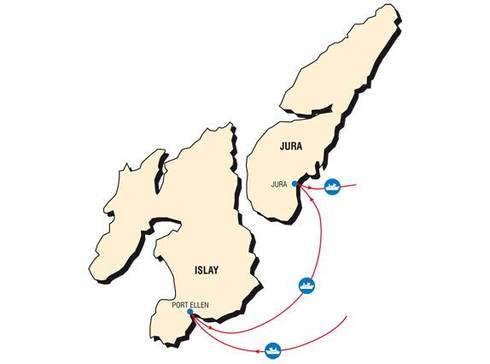
Day 1
Arrive Islay
Day 2/3
Islay
Day 4/6
Jura
Day 7
Depart Jura
What's Included?
- Ferries
- Accommodation:
Accommodation is in a comfortable hotel where all rooms have private facilities.
- Food:
All included, except lunches.
Reviews
-
-
Neal and David were just amazing. Great birders so we saw masses. Great knowledge of area so we were able to go to the optimum habitats and also seek shelter from the storm that arrived in the middle of our holiday. They were very attentive to their clients and nothing seemed too much trouble. They really made the holiday.
J.B. North Yorkshire, Oct24 -
The organisation was very professional, as we have come to expect with Naturetrek. The total group size was comprised of nine clients and two tour leaders, split into a group of six and a group of five (for Covid-19 reasons). Being in a small group is really advantageous to a wildlife-watching holiday. Both tour leaders were excellent, noticing and readily identifying many birds and animals that we would otherwise have overlooked. Furthermore, they were both personable and well-organised. One can never expect ideal weather in western Scotland, especially during late October. Despite some challenges posed by stormy conditions, the guides devised a very satisfying agenda for each day. The accommodation provided was also fine. We have used the services of Naturetrek on a previous occasion, having travelled to Madagascar with them in November 2018. As on this latest occasion, it was a well-organised and very enjoyable experience.
M.M. Hertfordshire, Oct 20 -
I went on the Islay and Jura trip to see migrating birds primarily, although we also saw lots of other wildlife. The tour leaders were extremely knowledgeable and passionate, both about the wildlife and also about the best locality to see what we wanted. I will never forget the sound of thousands of geese taking off as they had spotted a circling eagle.
A.K. Surrey, Oct 19 -
We were picked up at Glasgow station/airport and transferred to Islay by minibus/ferry. The hotel at Bridgend was excellent. We spent three days travelling around Islay before transferring to Jura where we stayed at the Jura Hotel. Both hotels provided excellent food and the management and staff were friendly and welcoming. Our leaders were experienced and knowledgeable and took us to a variety of places where various birds could be spotted. This included thousands of Barnacle Geese, Greenland White-front Geese and many raptors including golden eagles. We also saw many deer and some otters. The scenery was fantastic with the autumn colours shining through. Unfortunately it rained for half the time but we worked around that as the tour was flexible. I would recommend this tour, particularly if you are a beginner to bird-watching.
M.A. Hampshire -
Peter Clements was obviously an experienced leader, with an intimate knowledge of Islay and Jura from previous trips. He was excellent at keeping us all to time and to the planned schedule, but at the same time made quick decisions and changed plans in response to the weather. He was a good driver of the minivan, and, of course, very knowledgeable about the birdlife. Mike Youdale was a good teacher and communicator, explaining things in a systematic way, and wanted to make sure we had seen specific birds or other animals. He was enthusiastic about wildlife, and has a deep and detailed knowledge of birds - both identification and life histories. He enjoyed talking to people of different backgrounds over meals. Like Peter, he was a safe and reliable driver.
Prof G. & Dr A.J. Oxfordshire -
Despite the inclement weather, Peter and Mike made the most of the opportunities presenting - Sea Eagle, Golden Eagle, Hen Harrier and Otter on numerous sightings made it a trip to remember. Both leaders were highly skilled at spotting, disseminating knowledge and driving around the area.
Mr & Mrs N. Hertfordshire -
I really enjoyed this trip, even the wet bits! We did view an amazing number of birds (and deer) largely due to Peter Clement's outstanding leadership. The most successful part was when he proposed we return to Islay on the last full day to cover the Oa, which we missed owing to bad weather and the potential cancellation of the Islay/Jura ferry. We saw birds we did not expect and an uncountable number of rainbows.
P.J. Norfolk -
I had a fabulous time in a fascinating country, with a delightful group of fellow travellers, a wonderful guide in Abiy and a quality driver. The tour was exactly as advertised.
A.R. Aberdeenshire -
Relaxed but at the same time experienced and very informative leader made for a very good atmosphere in the group. Maximised the time spent on each island without feeling pressured by time constraints.
N.H. Hertfordshire -
Good standard of hotel and excellent leader. Both islands lived up to expectation.
D.C. Edinburgh -
Food at the Bridgend Hotel, seeing Otters, Hen Harrier, stags, geese and other wildlife was fantastic. To have a leader with such enthusiasm as Peter was wonderful.
M.G. Hertfordshire -
The food was excellent and everyone at the hotels was very helpful with my gluten-free situation. I have never seen such large pudding portions! The leaders were excellent and knew their birds backwards.
M.A. Hampshire -
Good views of wildlife but above all, being on and travelling around two magical islands.
R.W. Hampshire -
We had amazingly sunny dry weather - so autumn colours and scenery were magical. Dave was an excellent guide who went the extra mile to find us birds, and made sure we all saw them, and kept the diverse wishes of the group satisfied. There were keen photographers as well as birders among us. I thoroughly enjoyed the trip.
N.H. West Sussex
Dates & Prices
2026
Departures
Availability
Cost
Wed 21st Oct – Tue 27th Oct
FULL
£1,895
Land only cost:
The "Land Only" cost is the tour price you will pay if you choose to arrange your own flights/transport.
£1,895
Single Room Supplement:
Single Room Supplement.
£645
Tour Leader:
Please note that, whilst we assign leaders to particular tours well in advance, we reserve the right to make changes if necessary
Neil McMahon
Tour Leader: Neil McMahon
Neil McMahon grew up in Northamptonshire and, from a very young age, developed an interest in the natural world. His first love is the study and identification of wild birds and he enjoys the challenge of trying to identify birds by the way they move and act as well as by their calls and songs. His passion for bird and wildlife-watching has taken him all around the world and he's visited more than 50 countries. Neil is a retired Police Officer and, when not leading Naturetrek tours, spends much of his time completing various conservation and wildlife management surveys as well as volunteering for his local Wildlife Trust. He is also a licensed Bird Ringer and Trainer. During the winter months he maintains numerous wild bird feeding stations in central Northamptonshire and is a serving committee member of the Northants Bird Club.
Thu 29th Oct – Wed 4th Nov
6
£1,895
Land only cost:
The "Land Only" cost is the tour price you will pay if you choose to arrange your own flights/transport.
£1,895
Single Room Supplement:
Single Room Supplement.
£645
2027
Departures
Availability
Cost
Wed 13th Oct – Tue 19th Oct
SPACES
£1,995
Land only cost:
The "Land Only" cost is the tour price you will pay if you choose to arrange your own flights/transport.
£1,995
Single Room Supplement:
Single Room Supplement.
£675
Prefer to Travel in a Private Group?
For any interested natural history club or society, we can arrange for a private departure of this tour.
Enquire
Tour Reports
- Tour report - October 2025
- Tour report - October 2024
- Tour report - June 2024
- Tour report - October 2023
- Tour report - October 2022
- Tour report - October 2021
- Tour report - October 2021
- Tour report - October 2020
- Tour report - October 2019
- Tour report - October 2018
- Tour report - October 2017
- Tour report - October 2016
- Tour report - October 2015
- Tour report - October 2014
- Tour report - November 2013
- Tour report - October 2013
- Tour report - October 2012
- Tour report - October 2010
CLICK TO SEE MOREClick to see less
Why Naturetrek?
At Naturetrek we craft expertly-guided group and tailor-made wildlife holidays and cruises to all seven continents. On one of our holidays, you can be assured that our passionate team will enable you to experience and enjoy the best of the world's wildlife and natural spectacles in as comfortable and rewarding a manner as possible, caring as best we can for the environment in the process. We are proud to provide:
- The widest choice of wildlife holidays worldwide
- Tours managed and led by naturalists, for naturalists
- Outstanding value and exceptional customer service
Furthermore, as a Naturetrek client, our office team are always to on hand to help you – so if you have any queries about your holiday, whether before or after you have booked, we will be delighted to answer them on the phone. Please just give our team a call!
Related articles
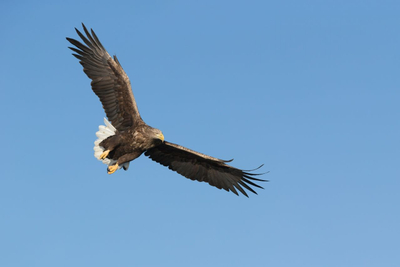
Scotland is home to some of the British Isles’ most iconic bird and mammal species, as well as being the setting for many of their top wildlife spectacles. When it comes to wildlife holidays, Scotland is a fantastic destination.