 Loading search...
Wildlife Holidays in Iceland
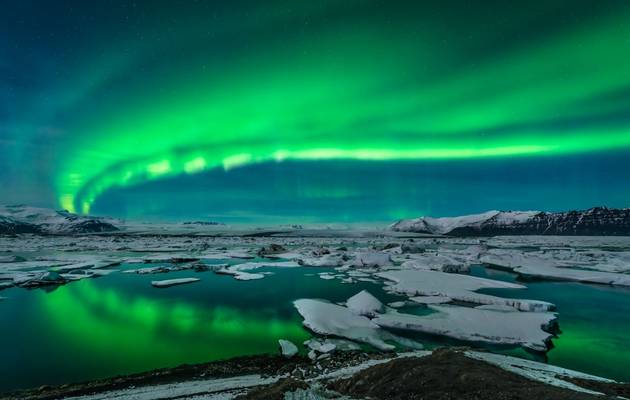
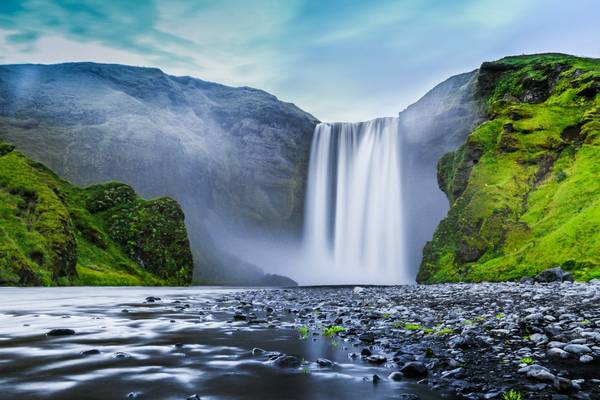
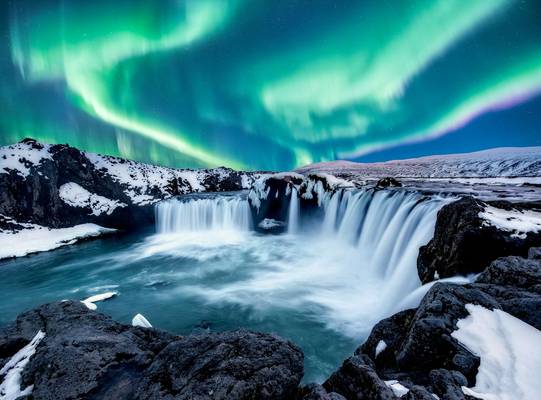
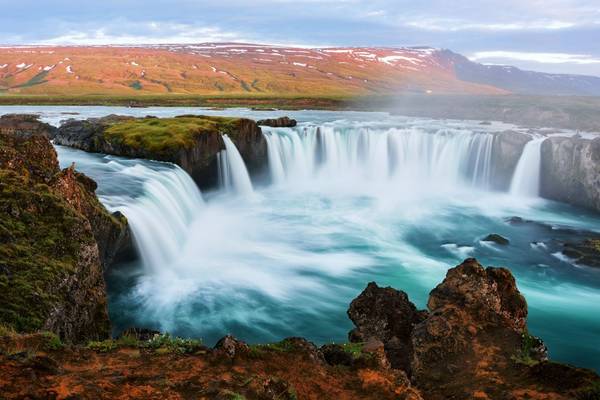
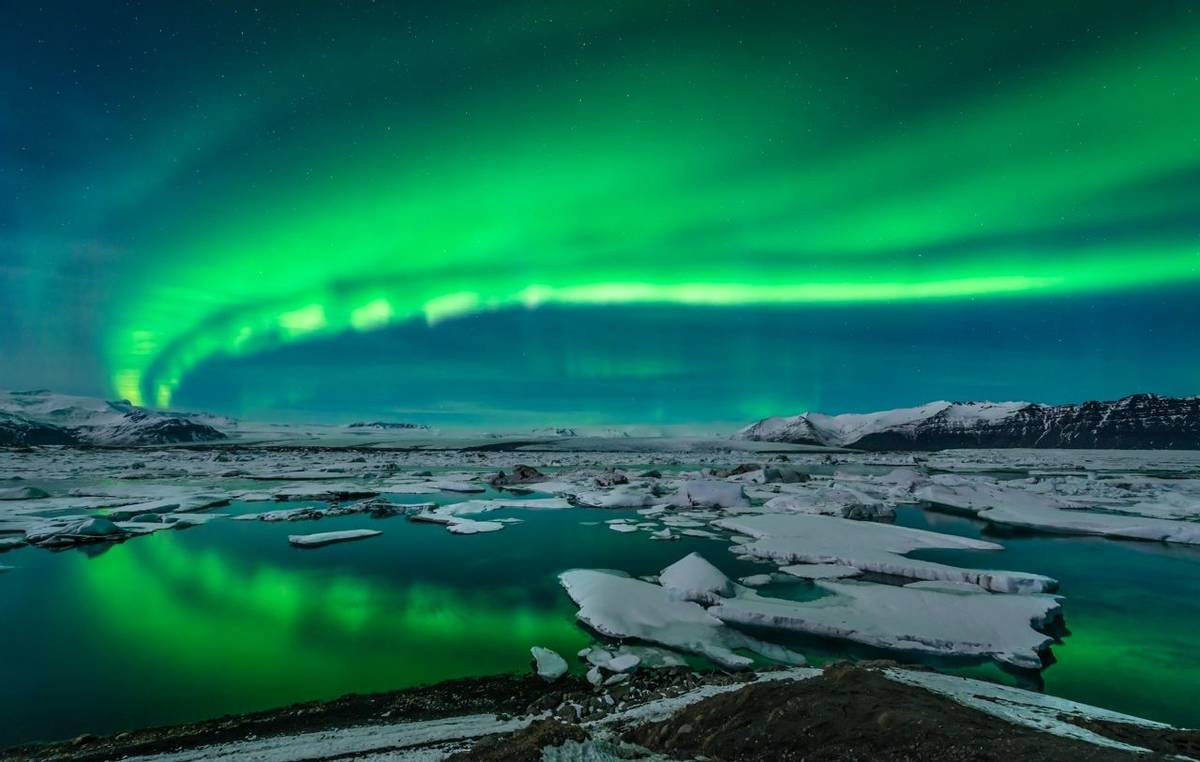
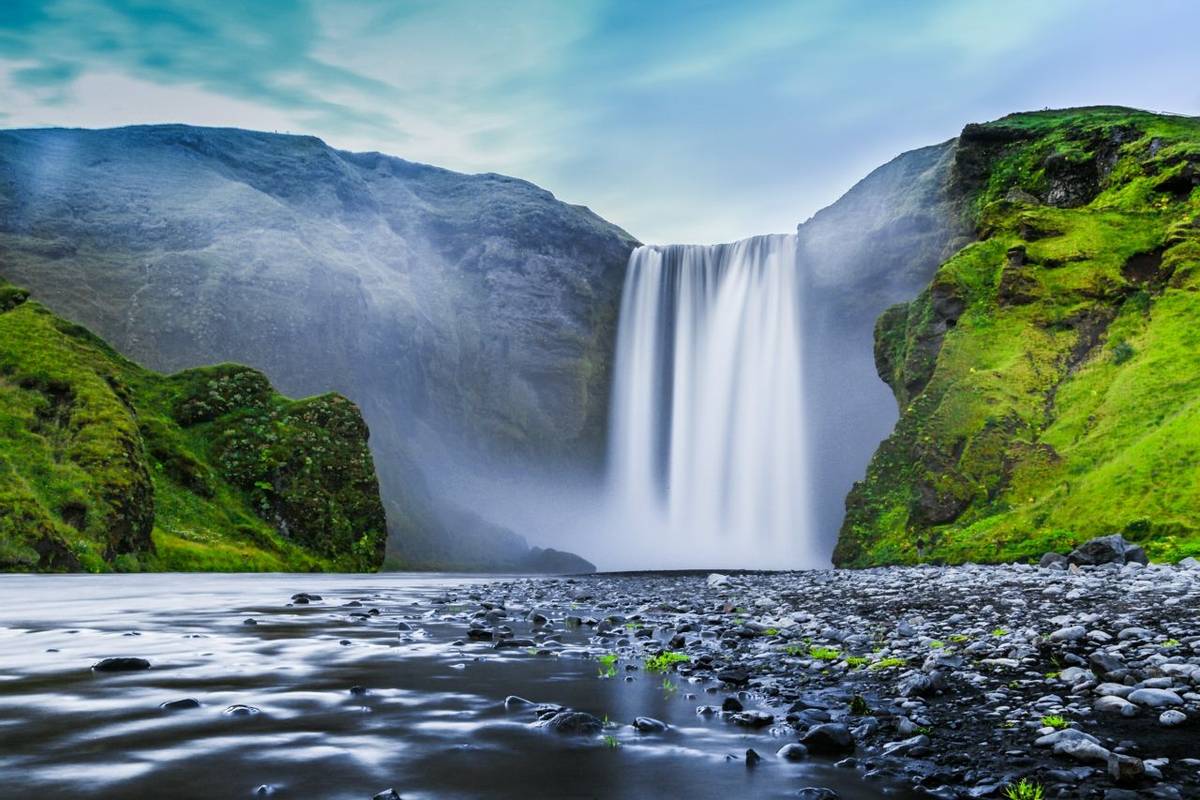
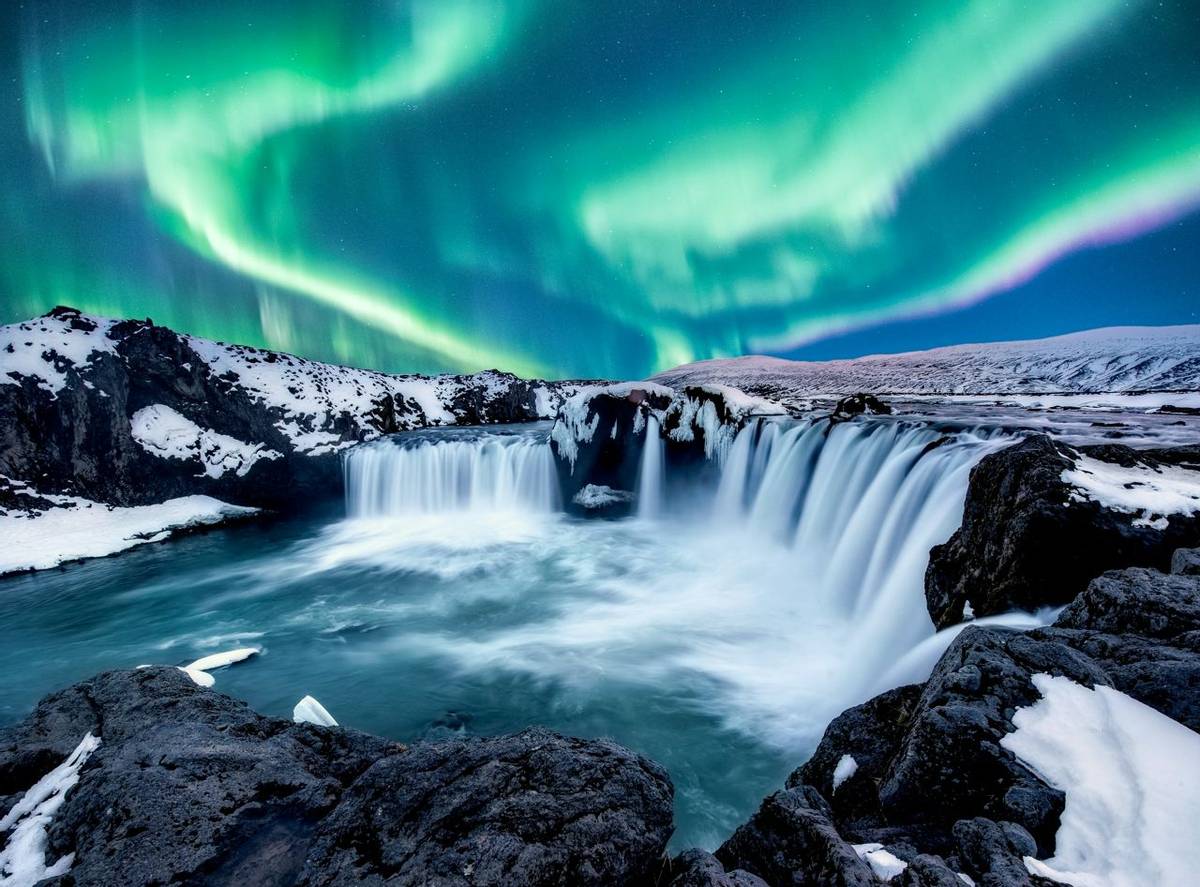
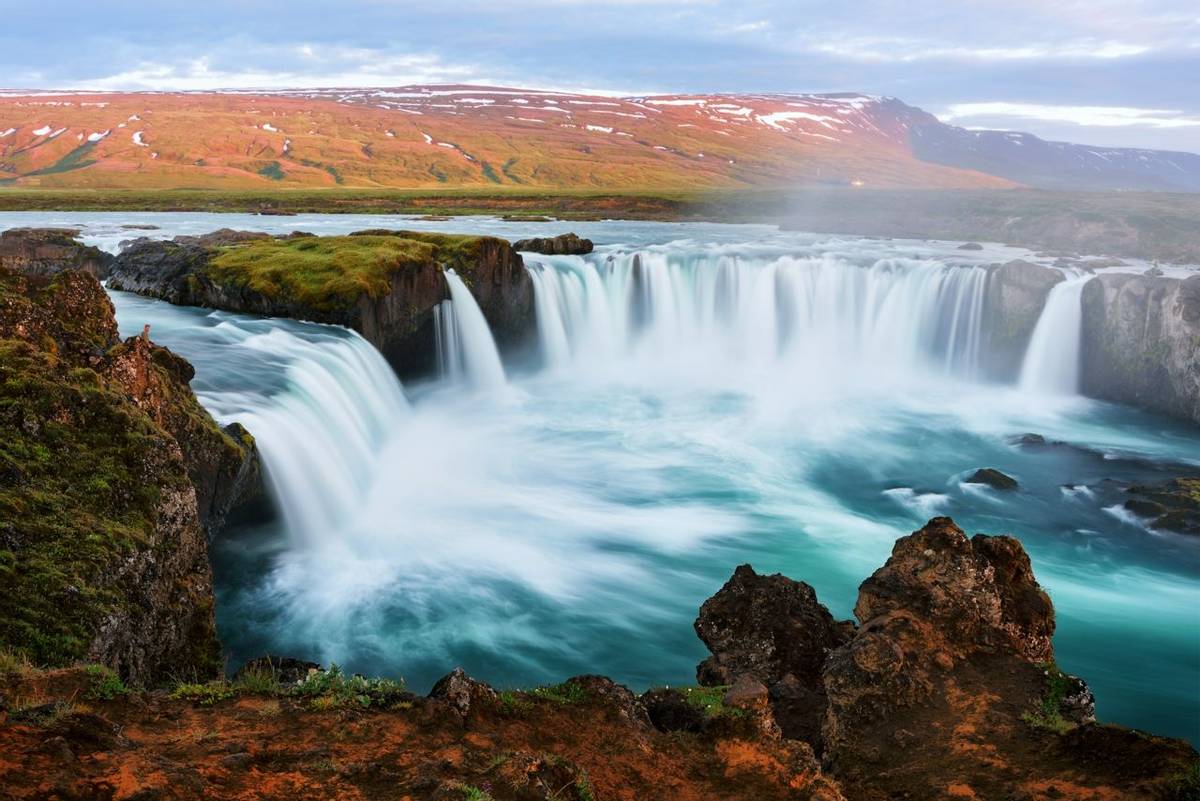
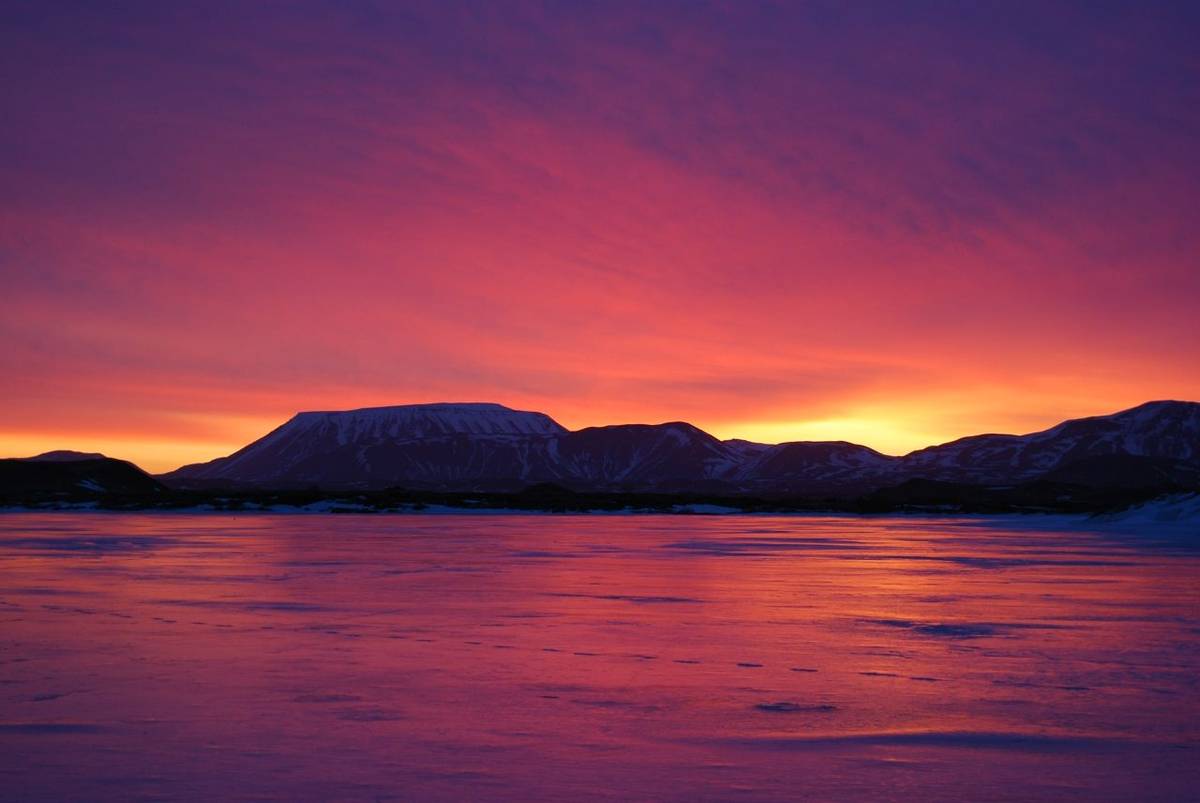
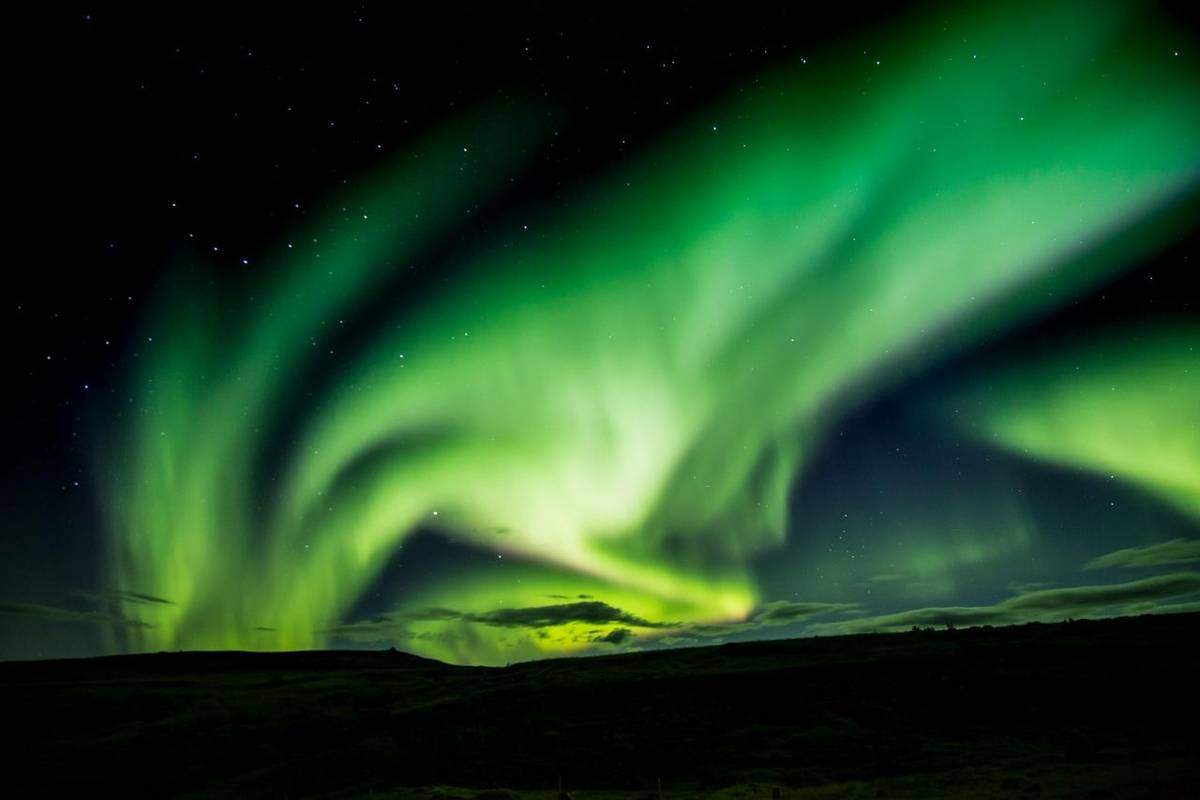
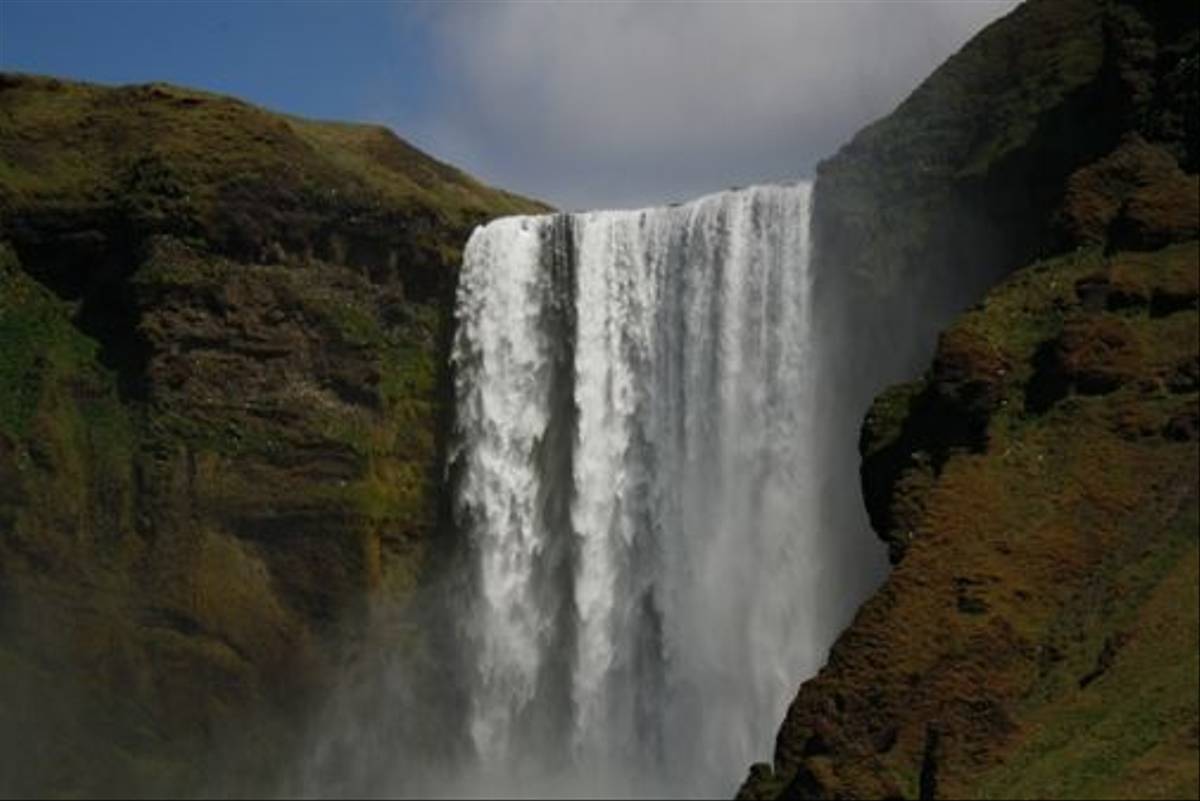
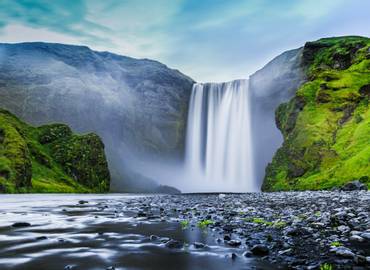
Iceland is an extraordinary country, forged from volcanic eruptions along the burning boundary between the Eurasian and North American tectonic plates. Great forces have wrought a spectacular landscape, replete with towering glaciers, moss-covered lava fields, bubbling mud pools, and plunging waterfalls. Situated at the edge of the Arctic Circle, Iceland experiences near-constant daylight in the height of summer, while the deep night of winter reveals the ethereal shifting colours of the Northern Lights.
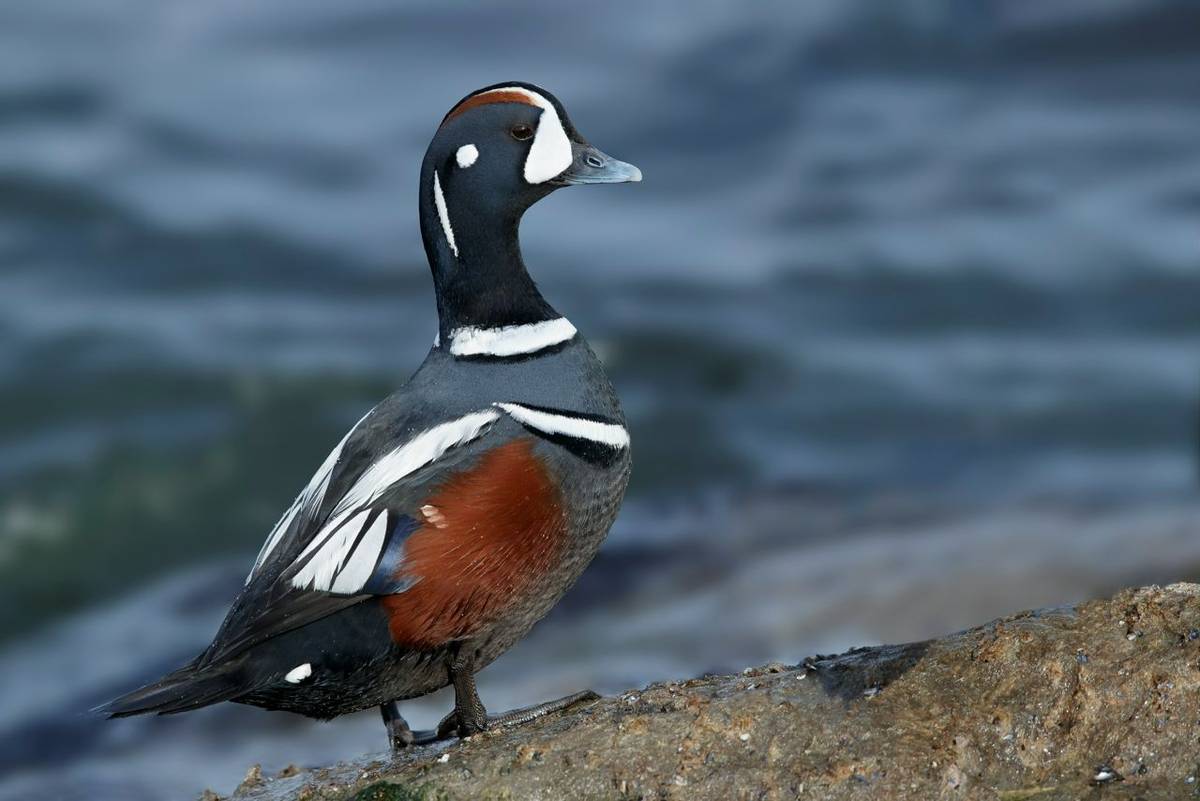
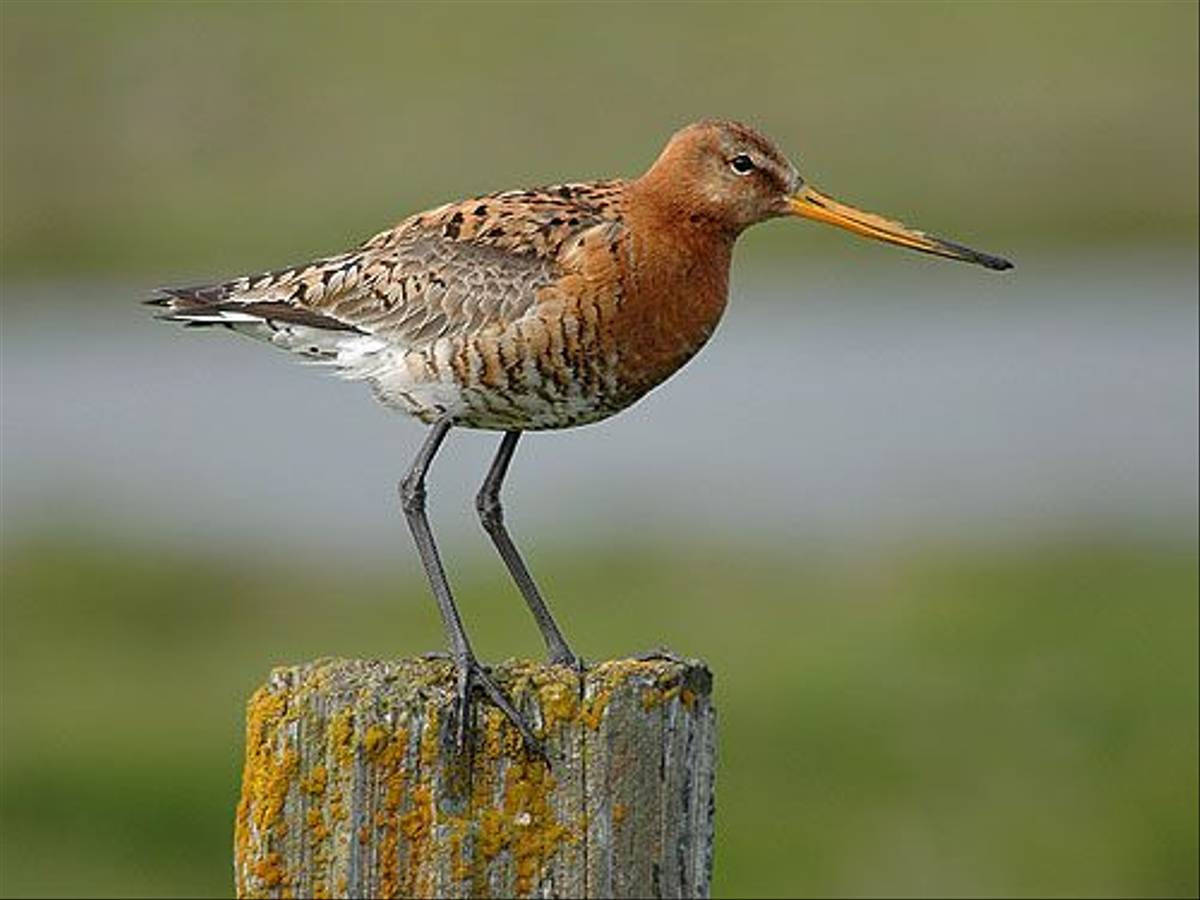
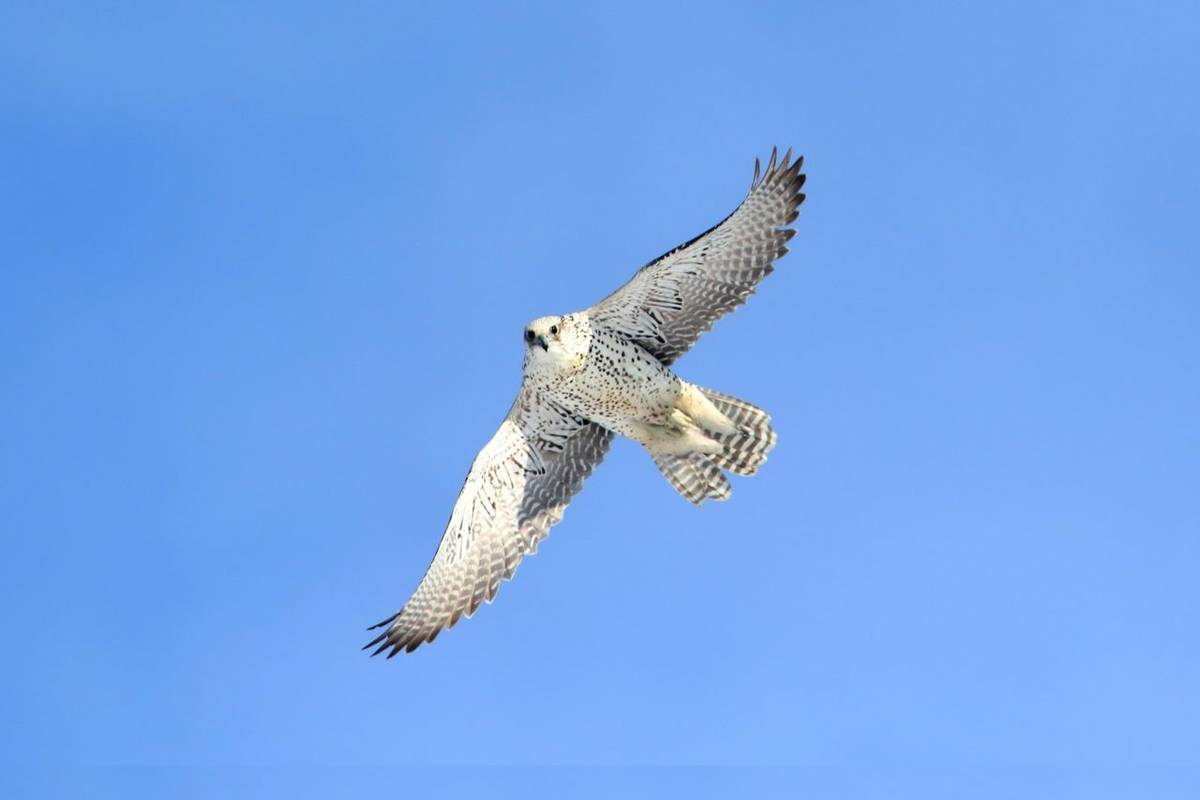
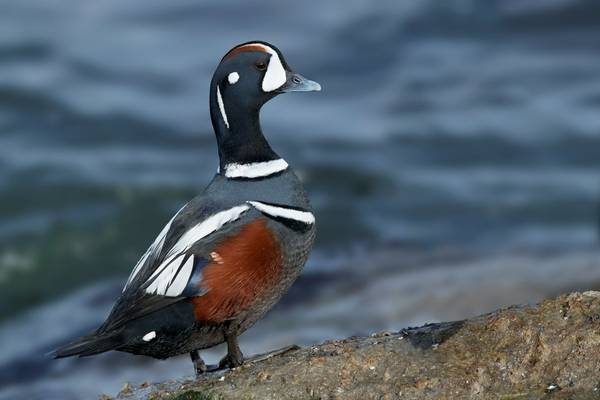
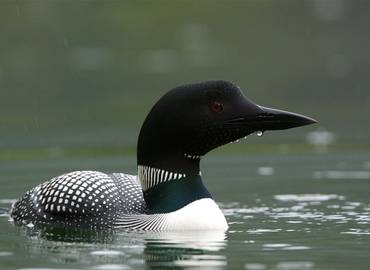
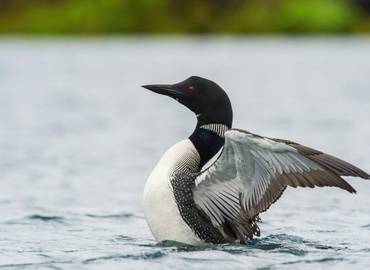
Ecologically, the country sits at the meeting point of the Palearctic and Nearctic faunal regions, making it a remarkable melting pot for a host of species with otherwise disparate distributions; it hosts the most westerly breeding Eurasian Wigeon and White Wagtail, and the most easterly Great Northern Diver, Harlequin Duck, and Barrow’s Goldeneye. Other iconic species of the country, such as Gyrfalcon, Orca, Arctic Fox and Atlantic Puffin are no less thrilling to encounter. Overall wildlife density may be relatively low, but the opportunity to observe Iceland’s northern specialities amongst a fairytale landscape of fire, rock and ash makes it a deeply rewarding destination for naturalists.
Speak with our Iceland specialist

Featured Tours to Iceland

Our Specialist Recommends
"For a spring tour then our 9-day holiday ‘Iceland in Spring’ is perfect, enjoy the dramatic, volcanic scenery as we search for breeding birds. Our ‘Iceland – Northern Lights & Winter Wildlife’ tour is a 5-day winter break to west Iceland to search for cetaceans and the Aurora Borealis."
Operations Manager - George NicholsonNaturetrek Tours to Iceland
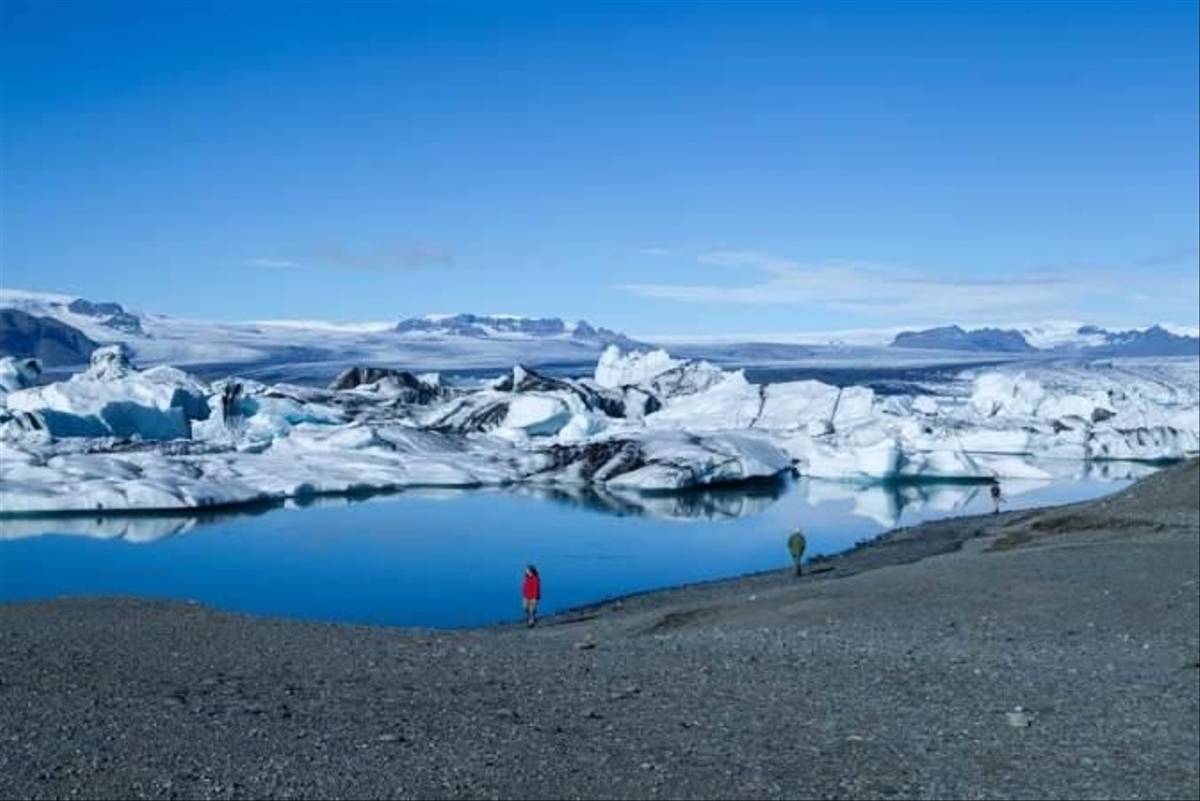
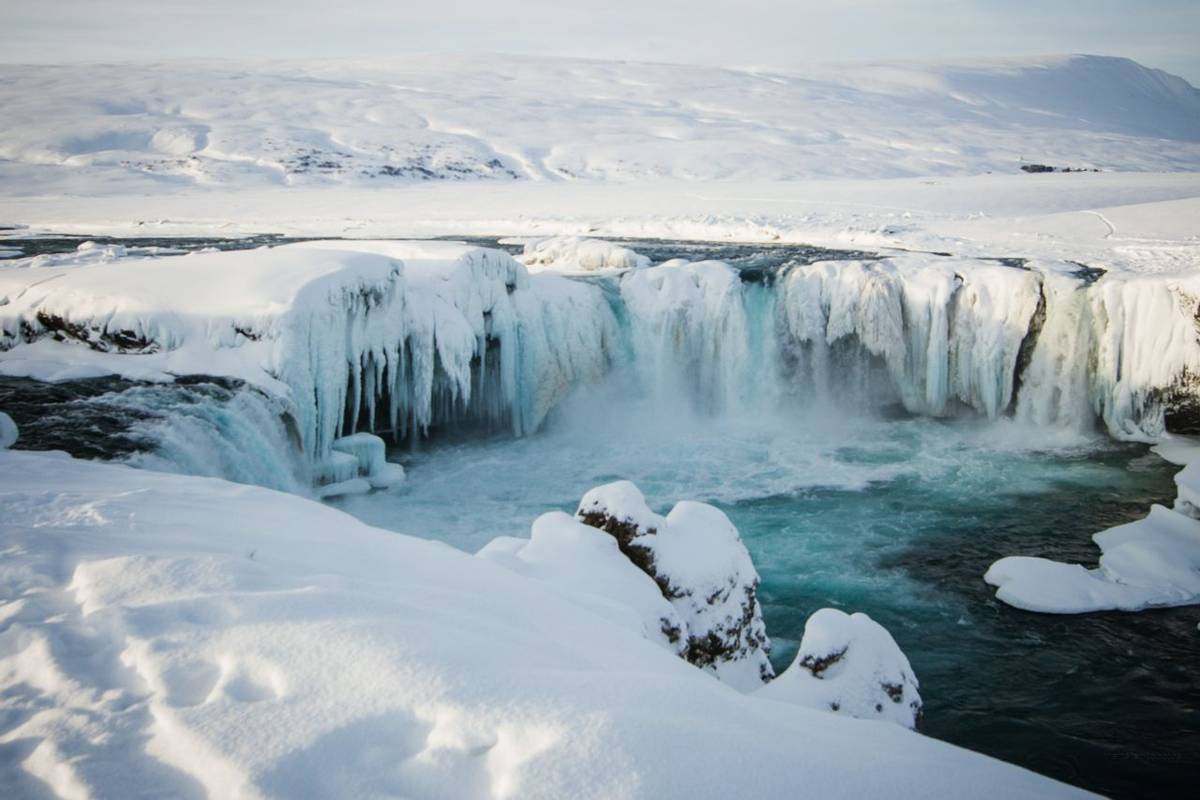
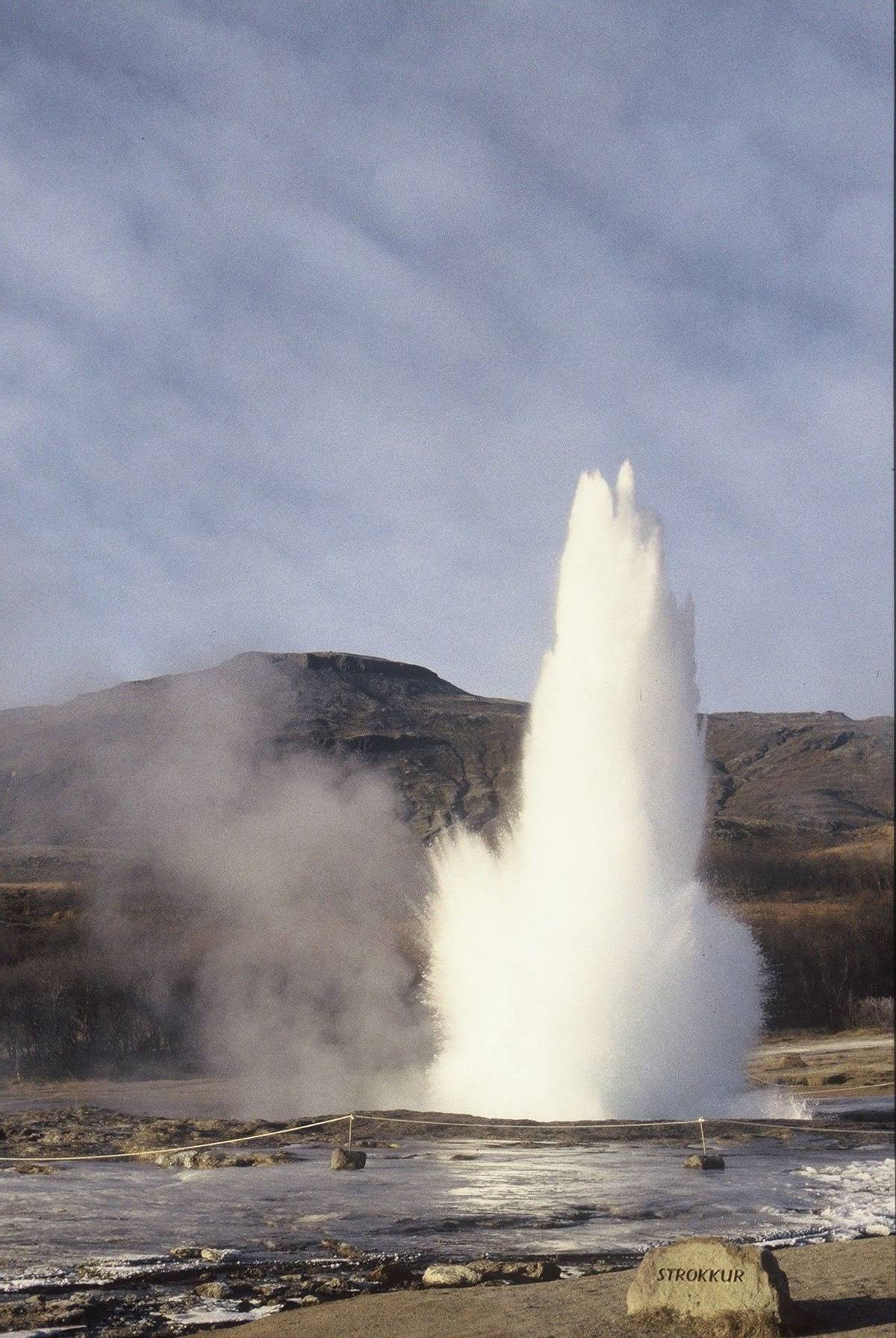
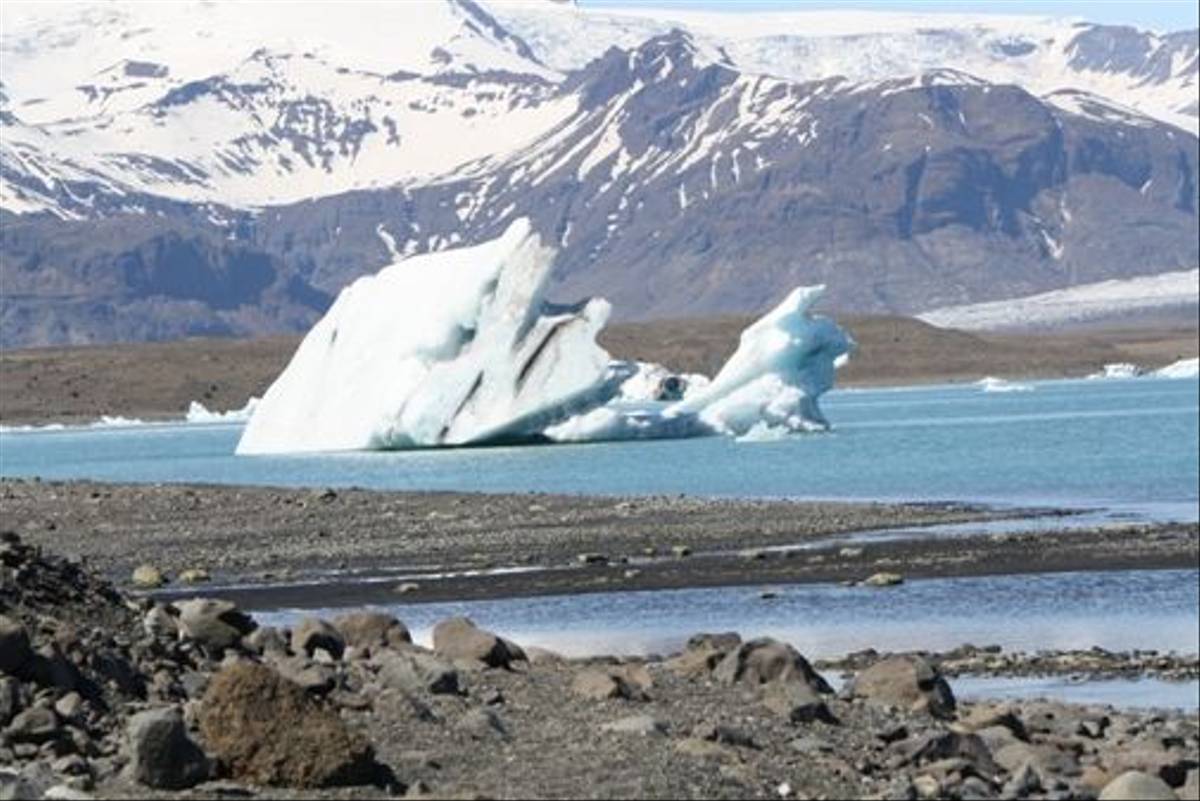
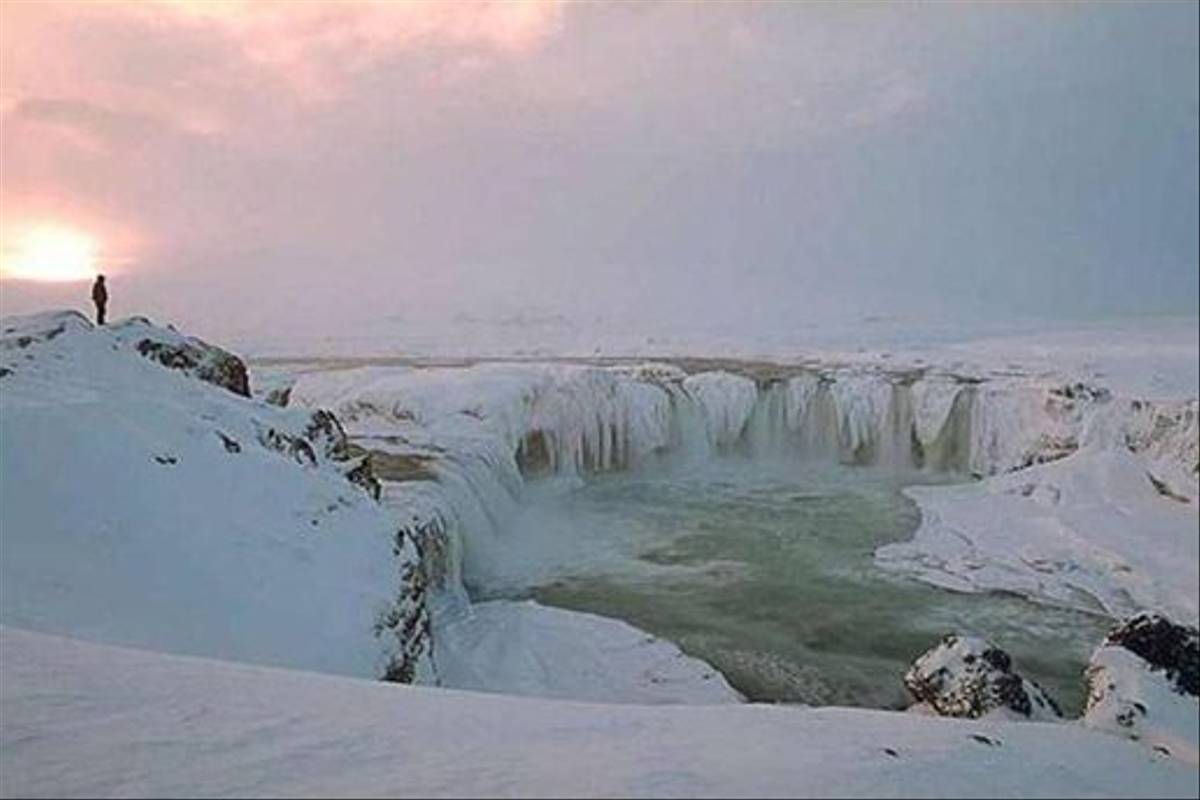
A journey through Iceland often begins in the south, exploring the celebrated landscapes of the 'Golden Circle'. Here, visitors can stand between tectonic plates at Thingvellir National Park, marvel at the erupting Strokkur geyser, and gaze in awe at Gullfoss, a spectacular double cascade of meltwater. Heading east along the coast reveals the towering Vatnajökull, Europe's largest glacier, which dominates the south-eastern corner of the island. At the glacier's edge lies the Jökulsárlón iceberg lagoon, where 1,500-year-old frozen sculptures drift towards the sea, amongst Common Seals and the cacophony of nesting Arctic Terns. The nearby coastal outwash plains and black lava sands provide breeding grounds for half the North Atlantic population of Great Skua, alongside migrating Pink-footed and Barnacle Geese.
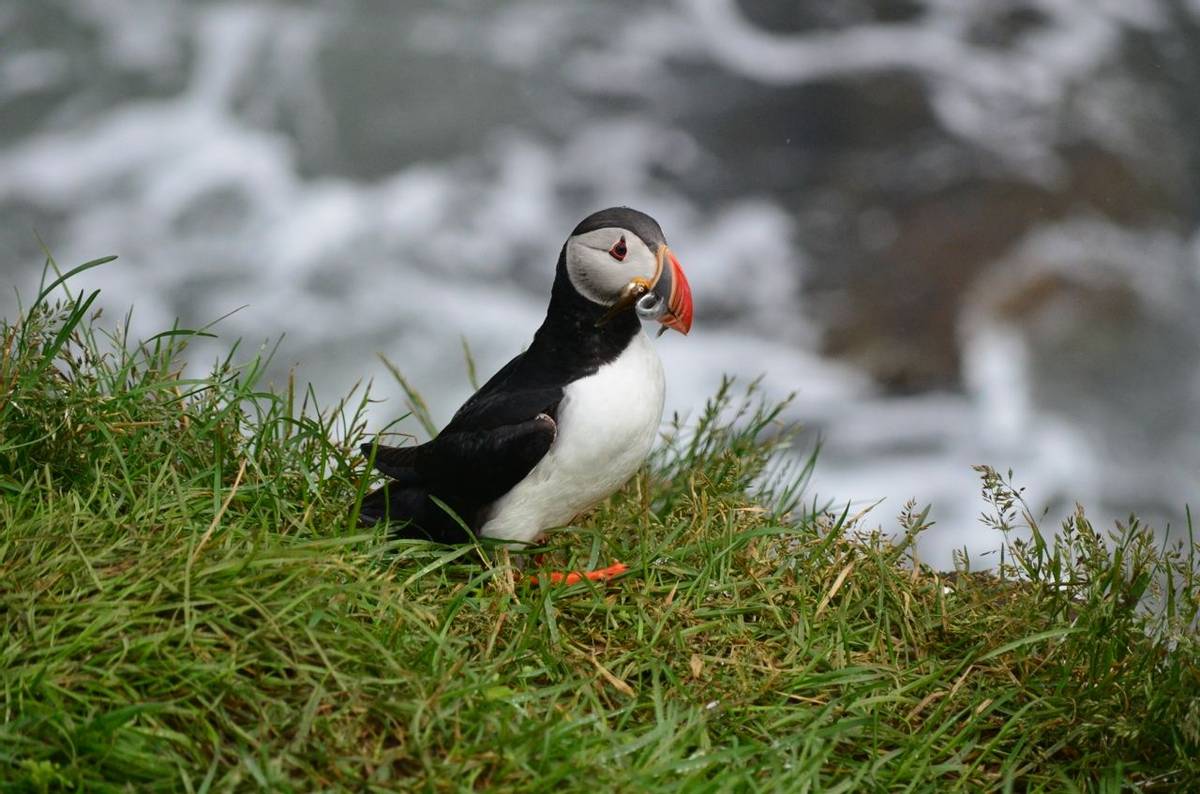
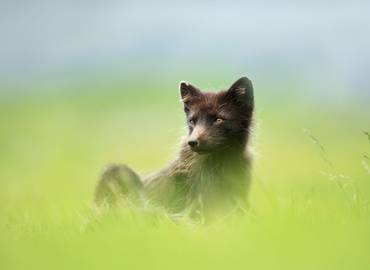
In the west, the Snæfellsnes Peninsula’s dramatic scenery is crowned by the Snæfellsjökull shield volcano – doorway to our planet’s core in Jules Verne’s Journey to the Centre of the Earth. The towering seabird cliffs here are home to Kittiwakes, Fulmars, and five species of auk, including Common Guillemot, Razorbill, and the high-Arctic Brünnich’s Guillemot. Further north, the remote and sparsely populated Westfjords region boasts the colossal Látrabjarg cliffs, where over a million nesting seabirds, including charismatic Atlantic Puffins, make up the largest colony in the North Atlantic. The Westfjords are also the gateway to the uninhabited Hornstrandir Nature Reserve. Protected from hunting since the 1970s, this magnificent wilderness supports Iceland’s highest population density of its only truly indigenous land mammal: the Arctic Fox. Many foxes here exhibit a unique blue-dark colour morph, which they uniquely retain year-round in the milder coastal climate.
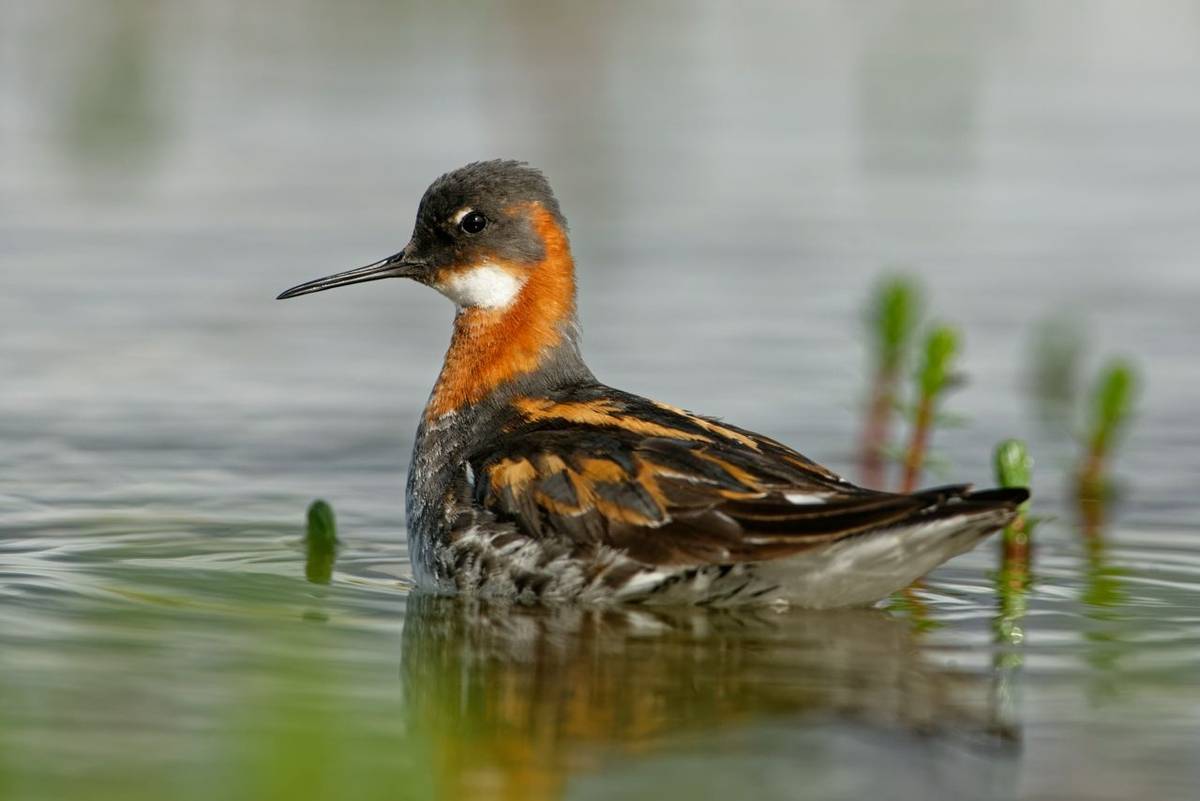
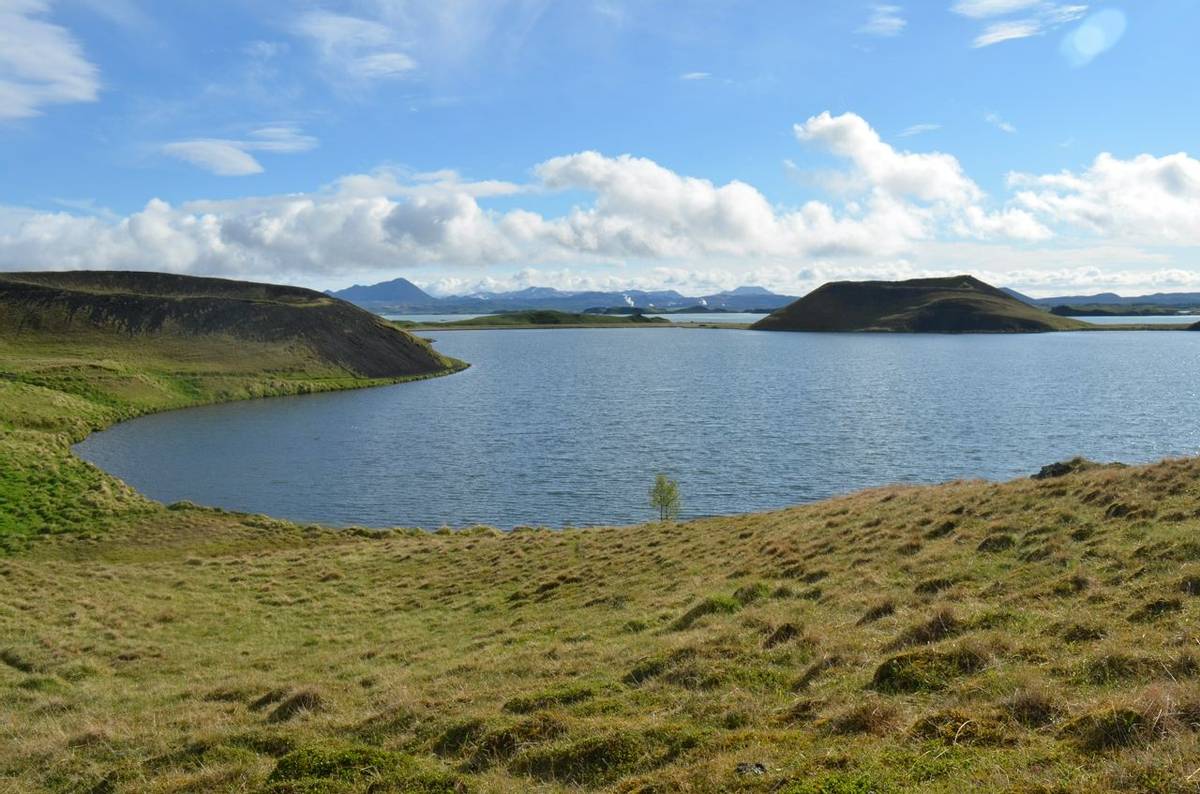
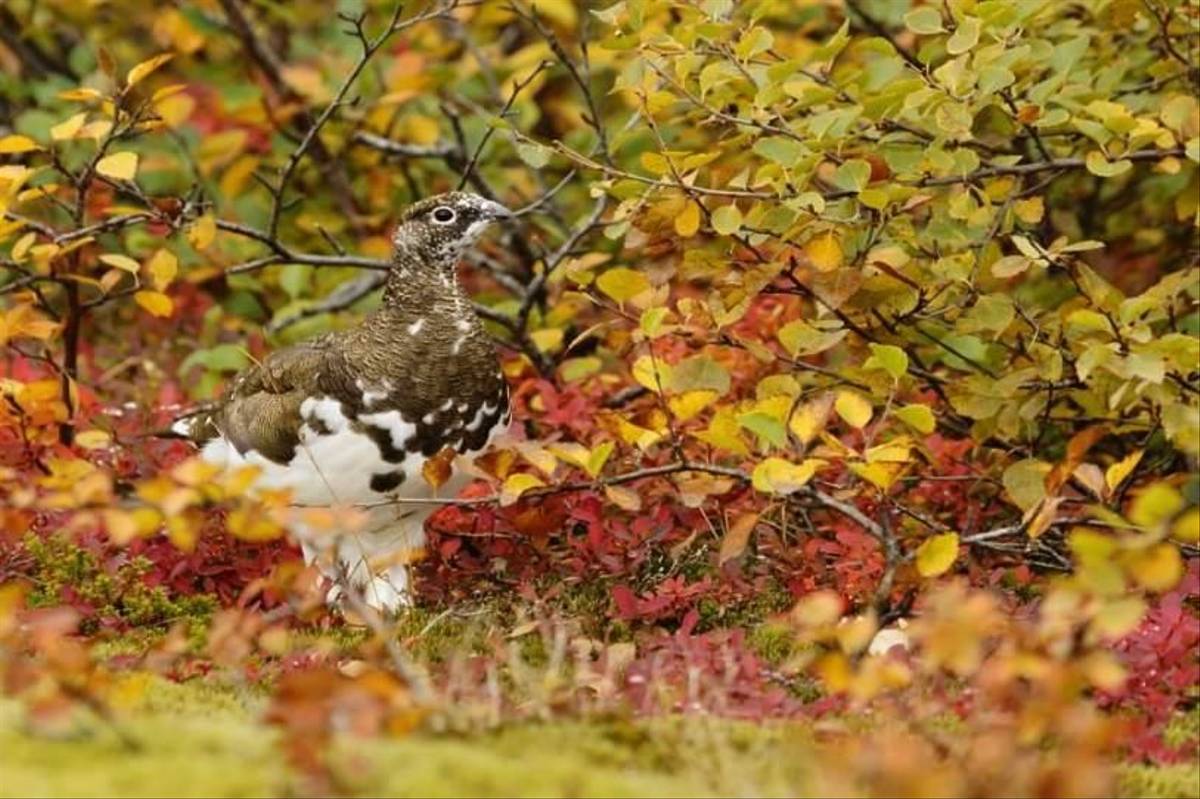
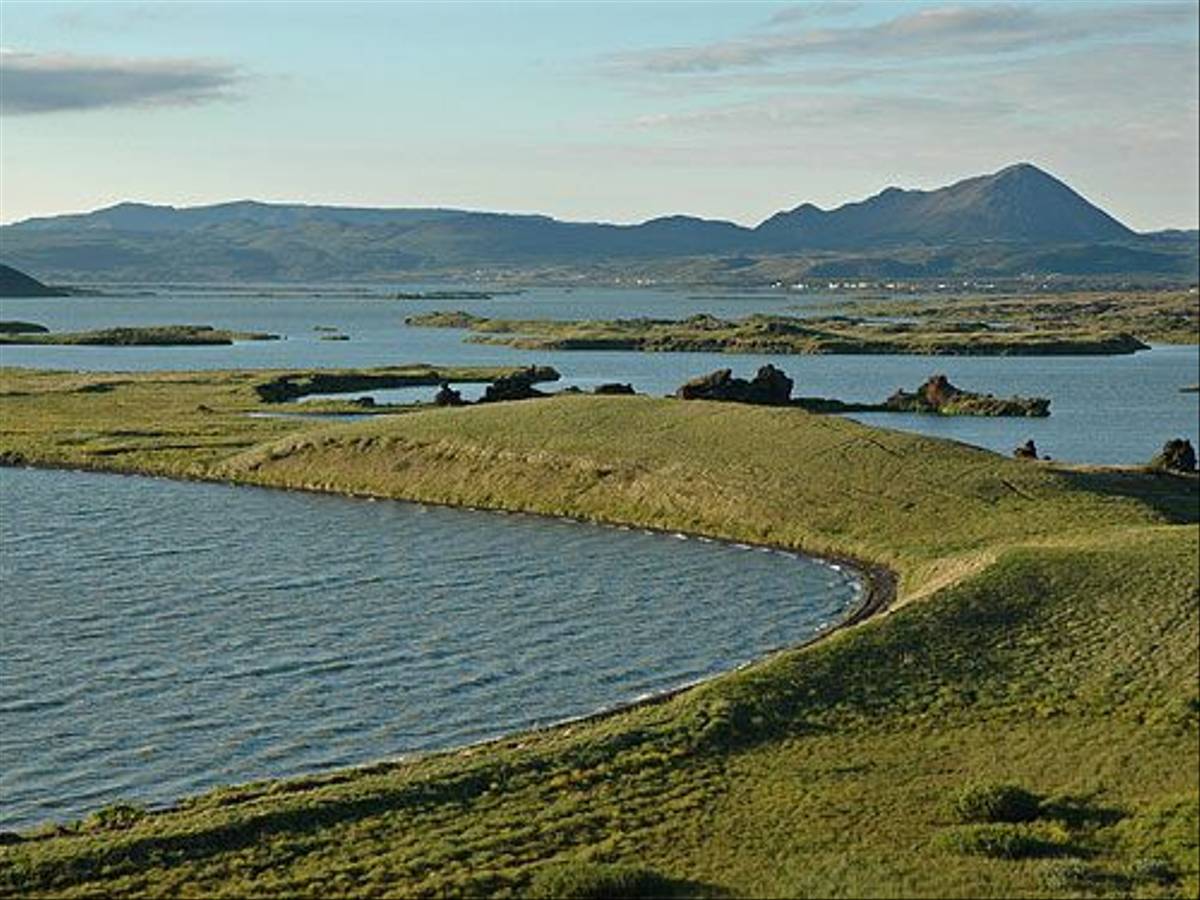
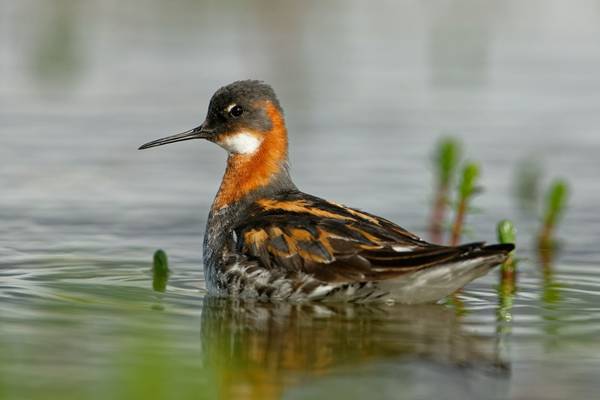
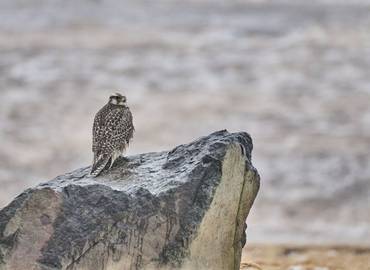
The northern reaches of the country hold arguably Iceland’s premier birdwatching location, Lake Mývatn. The lake's nutrient-rich waters attract a staggering variety of breeding waterfowl, including Whooper Swan, Long-tailed Duck, Tufted Duck, and beautiful Barrow's Goldeneye and Harlequin Duck. The surrounding landscape of strange pseudo-craters, birch woods, and twisted lava formations hides nesting Ptarmigan, Red-necked Phalarope, and the magnificent Gyrfalcon, the largest of the world’s falcons and an icon of the frozen north.
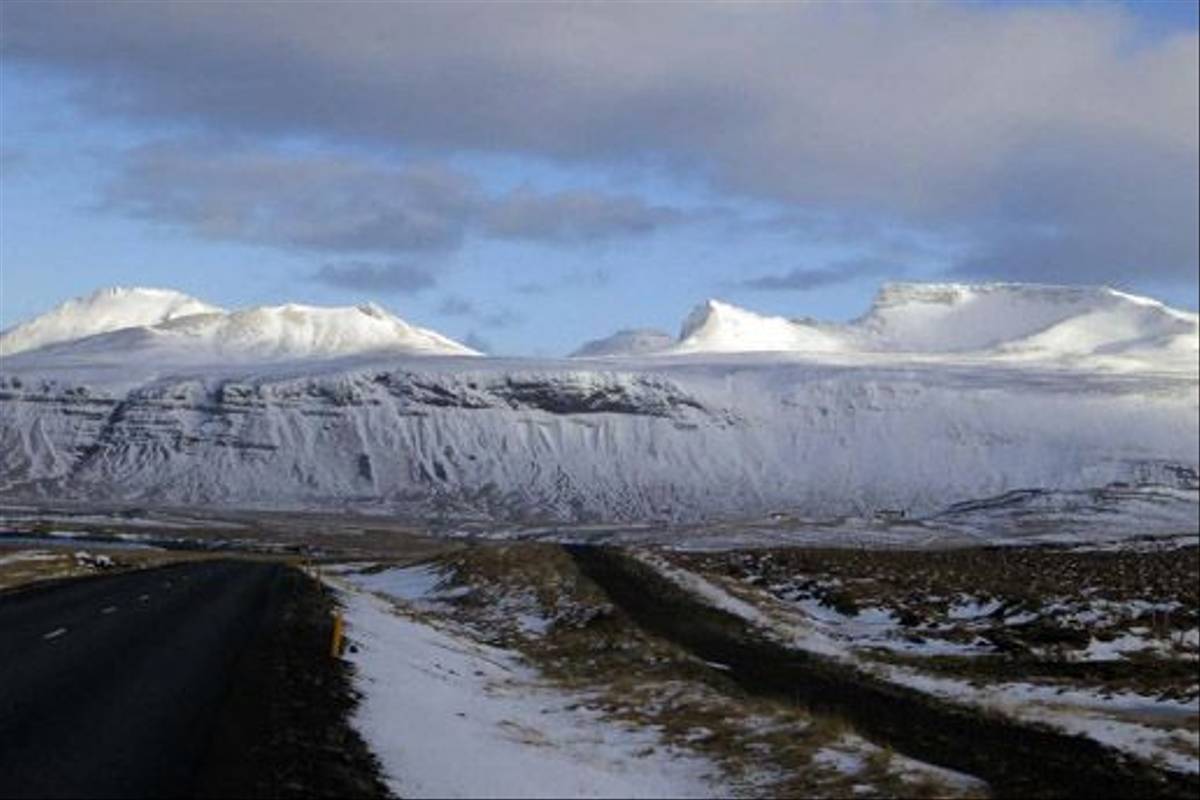
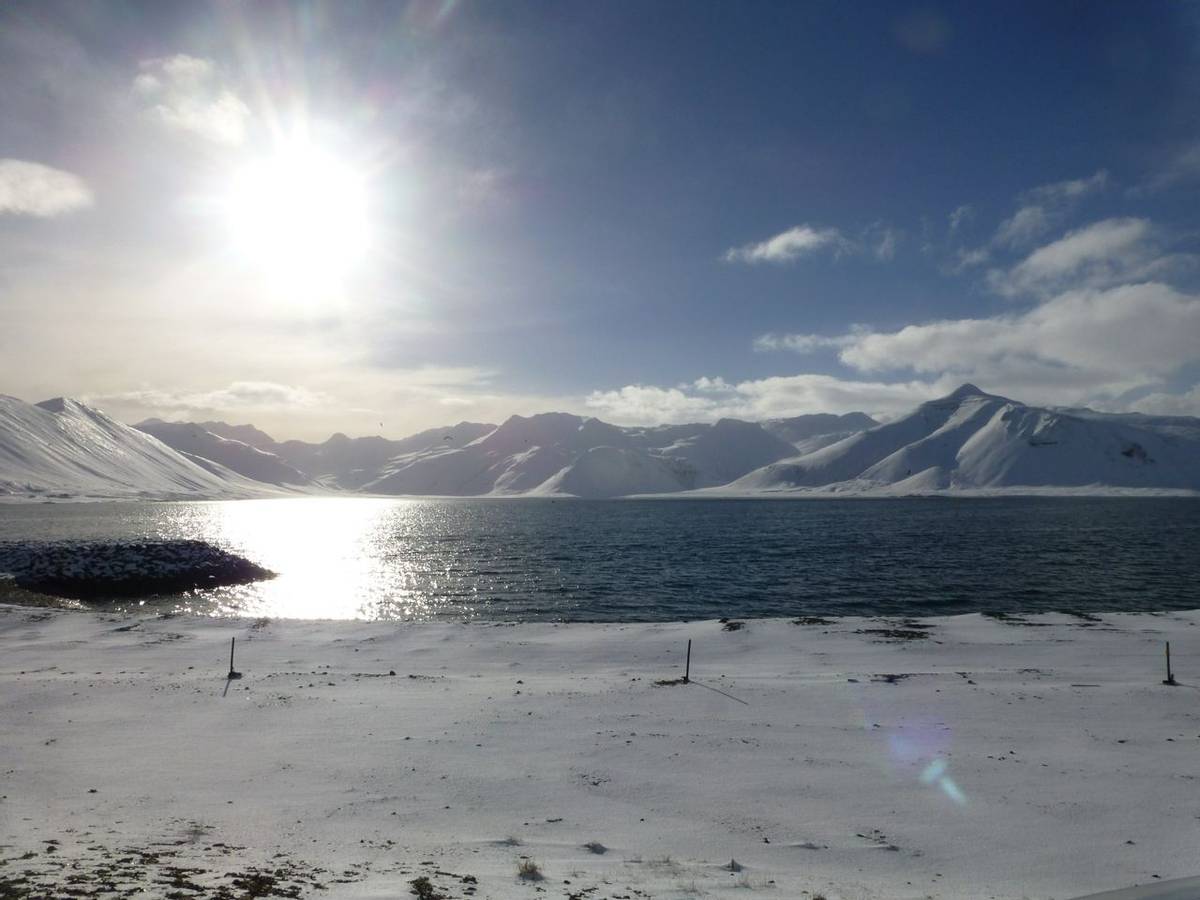
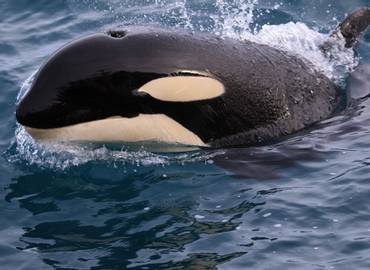
Iceland’s coastal waters are equally thrilling. From northern harbours like Húsavík, or boat trips in the sheltered western fjords, observers can encounter an exciting variety of cetaceans; White-beaked Dolphins, Harbour Porpoises, Minke and Humpback Whales are frequently seen in summer, while in winter, the sheltered fjords of the west draw massive shoals of herring, which in turn attract the ocean's top predator, the Orca, offering spectacular marine wildlife-viewing against a backdrop of snow-covered peaks.
What’s special about its wildlife?
Iceland’s appeal lies in its combination of awe-inspiring scenery and approachable, high-quality northern wildlife. Its position at an ecological crossroads creates a unique assemblage of birds, featuring predominantly Nearctic breeding species like the exquisite Harlequin Duck, Barrow’s Goldeneye and Great Northern Diver. However, these are far from the only draws amongst a highlight-rich avifauna; Gyrfalcon, White-tailed Eagle, Ptarmigan, Red-necked Phalarope, and seabird colonies in overwhelming abundance are all major attractions in their own right.
While terrestrial mammals are few, the island provides a vital sanctuary for the Arctic Fox, which is especially fearless in the remote and sparsely populated Westfjords region. Offshore, the nutrient-rich waters of the North Atlantic support a thriving marine ecosystem, where Humpback and Minke Whales, Orcas, and pods of porpoise and dolphin are regularly sighted. All this diversity is set against an unrivalled natural backdrop. Whether bathed in midnight sun, or illuminated by the glowing ribbons of the Northern Lights, Iceland’s mixture of northern species and spectacular landscapes is truly unforgettable.